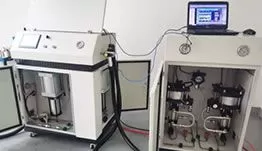
Designing High-Performance Hydration Stations for Commercial Outdoor Applications
Meeting the Growing Demand for Outdoor Hydration Solutions
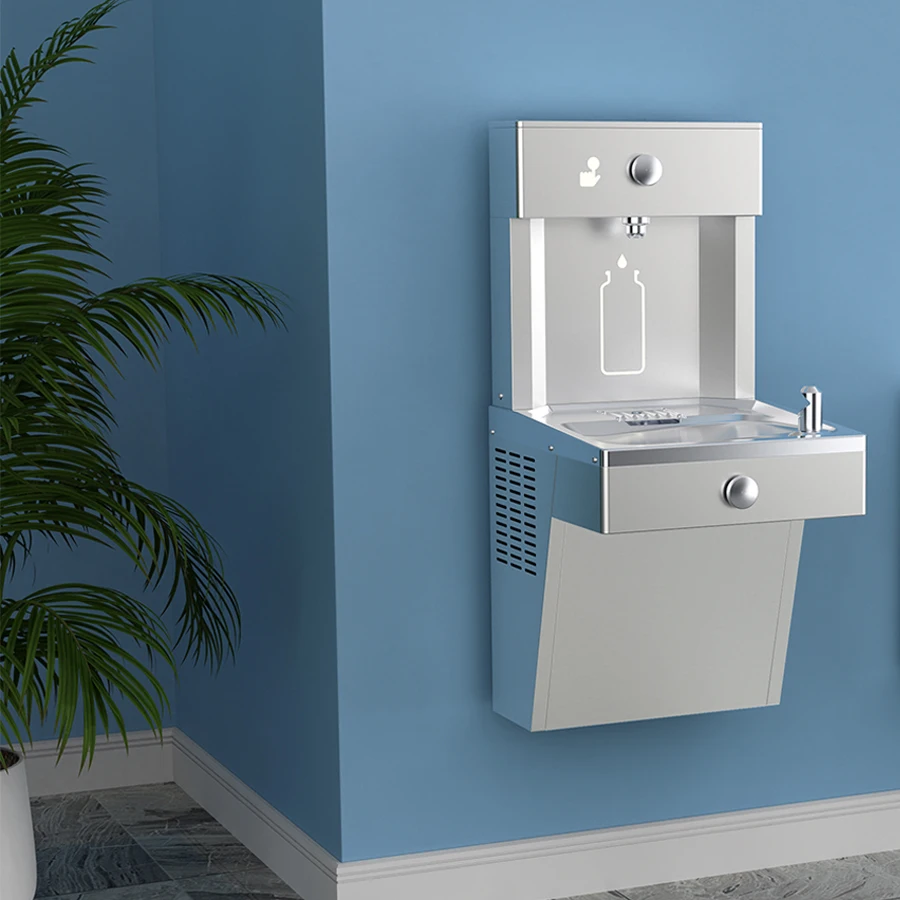
Commercial operators across municipal, corporate, and hospitality sectors increasingly recognize hydration stations as essential infrastructure rather than optional amenities. Well-designed outdoor water refill stations could enhance visitor experience while supporting sustainability goals. For facility managers, the right solution should balance durability, functionality, and low maintenance.
Key Commercial Applications of Outdoor Hydration Stations
Municipal & High-Traffic Public Spaces Cities and transit authorities may require stainless steel hydration stations capable of withstanding heavy daily use and potential vandalism. Models with frost-proof technology could be critical for year-round operation in colder climates, while ADA-compliant designs ensure accessibility.
Corporate Campuses & Business Parks Forward-thinking companies often integrate hydration stations with bottle fillers into wellness programs. Units featuring branding panels could reinforce corporate identity, while smart water meters might help track reduced plastic bottle usage for ESG reporting.
Educational Institutions & Sports Facilities Schools and universities frequently prioritize lead-free hydration stations meeting safety standards. High-capacity athletic field water stations with rapid dispensing could keep players hydrated during tournaments, while IoT-enabled models may alert maintenance teams about filter replacements.
Hospitality & Tourism Developments Resorts and theme parks could benefit from aesthetically customized hydration stations that complement their environments. In remote eco-tourism locations, solar-powered units with off-grid operation may prove particularly valuable.
Critical Features for Commercial Buyers
Durability & Material Selection Commercial-grade hydration stations should utilize 304/316 stainless steel construction to resist corrosion. Powder-coated finishes could provide additional protection against UV damage in outdoor installations.
Hygiene & Maintenance Considerations Touchless operation via foot pedals or motion sensors has become a common expectation post-pandemic. Some models may incorporate UV-C sterilization or antimicrobial surfaces for healthcare environments.
Smart Water Management Advanced hydration stations might offer:
Climate-Adaptive Engineering Manufacturers could provide:
Customization Options for Enterprise Clients
Modular Design Flexibility Some hydration station systems allow:
Brand Integration Opportunities Commercial buyers might specify:
Sustainable Configuration Choices Environmentally conscious organizations could opt for:
Implementing Hydration Stations in Commercial Projects
Site Assessment Considerations Facility planners should evaluate:
Installation Best Practices Proper deployment of outdoor hydration stations may involve:
Ongoing Maintenance Strategies To maximize equipment lifespan, operators could implement:
Why Choose Professional-Grade Hydration Solutions?
Commercial hydration stations differ significantly from residential models in:
Investing in properly engineered outdoor drinking water access solutions could yield long-term benefits through:
For organizations considering large-scale deployments, working with experienced manufacturers like iuison might ensure access to:
Future-Proofing Hydration Infrastructure
Emerging trends in commercial hydration station technology include:
By selecting adaptable systems, facility managers could more easily upgrade components as new features become available, protecting their long-term investment in outdoor drinking water access.
The optimal hydration station solution will vary by application, but commercial buyers should prioritize vendors offering robust construction, intelligent water management, and flexible customization - all critical factors for successful outdoor installations.

IUISON specializes in high-quality SUS commercial drinking water machines, including water coolers, boilers, and outdoor fountains. With 16 years of international trade experience, we provide reliable, customized solutions for businesses, governments, and organizations worldwide.
No. 13, Laocun Industrial Zone, Sanle Road, Lecong Town, Shunde District, Foshan City, Guangdong Province,China.
Copyright © 2026 GUANGDONG IUISON CO.,LTD All Rights Reserved Privacy Policy
 EN
EN
 AR
AR
 HR
HR
 CS
CS
 DA
DA
 NL
NL
 FI
FI
 FR
FR
 DE
DE
 EL
EL
 HI
HI
 IT
IT
 JA
JA
 KO
KO
 PL
PL
 PT
PT
 RO
RO
 RU
RU
 ES
ES
 SV
SV
 TL
TL
 IW
IW
 LT
LT
 SR
SR
 SK
SK
 UK
UK
 VI
VI
 TH
TH
 TR
TR
 FA
FA
 MS
MS
 IS
IS
 HY
HY
 AZ
AZ
 KA
KA
 BN
BN
 KM
KM
 LO
LO
 LA
LA
 MN
MN
 Hot News