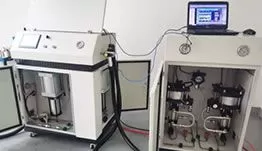
Proper maintenance of bottle filling stations is crucial for ensuring the highest standards of hygiene and water quality in public spaces, schools, offices, and commercial facilities. These essential fixtures require consistent care and attention to prevent bacterial growth, mineral buildup, and contamination that could compromise user health. Understanding the fundamental principles of hygiene maintenance helps facility managers create effective cleaning protocols that extend equipment lifespan while safeguarding public wellness.
The complexity of modern water dispensing systems demands systematic approaches to cleanliness that address both visible surfaces and internal components. Regular maintenance schedules prevent costly repairs while maintaining user confidence in water quality. Facility operators who implement comprehensive hygiene protocols often experience reduced service calls, improved user satisfaction, and compliance with health department regulations.
Daily surface cleaning forms the foundation of effective hygiene maintenance for water dispensing equipment. Begin each cleaning cycle by disconnecting power to the unit and allowing any heated components to cool completely. Use EPA-approved disinfectants specifically designed for food contact surfaces, applying them with microfiber cloths that capture bacteria without spreading contamination across different areas of the equipment.
Focus particular attention on high-touch areas including activation buttons, spout guards, and drip trays where user contact is most frequent. These surfaces harbor the highest concentrations of bacteria and require thorough cleaning with quaternary ammonium compounds or chlorine-based sanitizers. Allow proper contact time for disinfectants to achieve maximum effectiveness before wiping clean with fresh cloths.
The exterior housing and mounting brackets also accumulate dust, fingerprints, and airborne contaminants that can transfer to internal components during maintenance activities. Regular cleaning of these areas prevents cross-contamination and maintains the professional appearance that users associate with clean, safe water sources.
Dispensing spouts represent the most critical hygiene zone in any water filling system, requiring specialized cleaning techniques that address both external surfaces and internal pathways. Remove detachable spout components according to manufacturer specifications, soaking them in sanitizing solutions that penetrate biofilm formations and eliminate embedded bacteria.
Internal spout channels benefit from flushing procedures using approved sanitizing agents followed by thorough rinsing with clean water. This process removes mineral deposits that can harbor bacterial growth while ensuring that no chemical residues remain in contact with dispensed water. Document these cleaning activities to maintain compliance records and identify patterns that might indicate emerging maintenance needs.
Non-removable spout assemblies require careful external cleaning combined with internal sanitization using specialized brushes designed for narrow water pathways. These tools reach areas where standard cleaning cloths cannot penetrate, ensuring comprehensive removal of contaminants that accumulate in hard-to-reach locations.
Weekly deep cleaning procedures target internal water pathways and storage components that daily surface cleaning cannot reach effectively. Begin by isolating the water supply and draining all internal reservoirs according to manufacturer guidelines. This process removes stagnant water that can support bacterial growth and allows sanitizing agents to contact all internal surfaces directly.
Introduce approved sanitizing solutions through designated service ports, ensuring complete circulation through all water pathways including cooling coils, heating elements, and distribution lines. Modern bottle filling stations often incorporate self-cleaning cycles that automate portions of this process, but manual verification ensures thorough sanitization of all system components.
Allow sanitizing solutions to remain in contact with internal surfaces for manufacturer-specified dwell times, typically ranging from fifteen to thirty minutes depending on solution concentration and system design. This contact period ensures complete elimination of biofilm formations and pathogenic bacteria that may have established colonies within the water system.
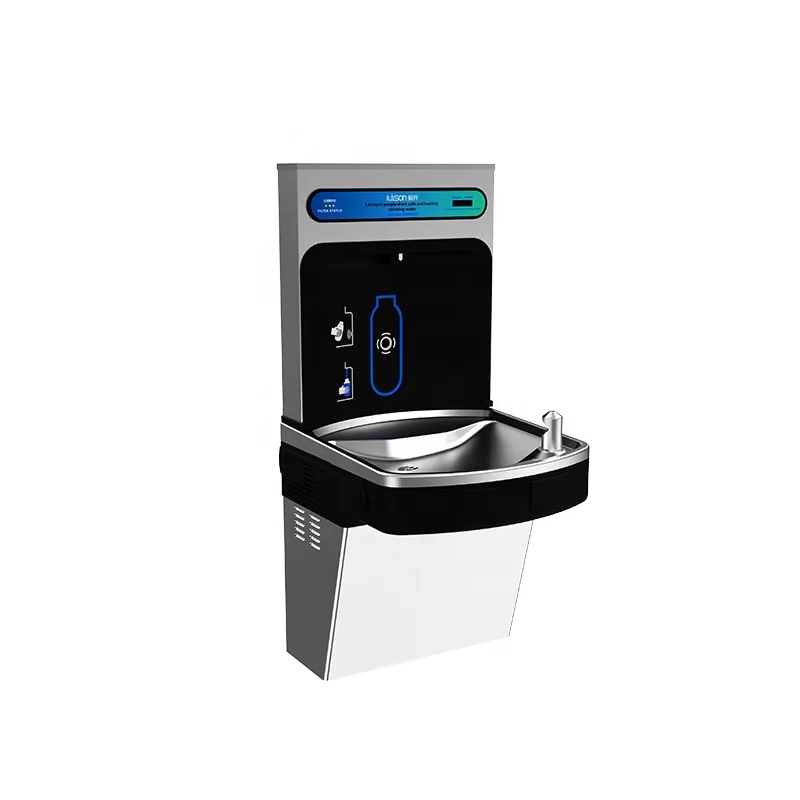
Water filtration components require regular inspection and replacement to maintain both water quality and system hygiene standards. Remove filter cartridges carefully to avoid contaminating clean system components, disposing of used filters according to local environmental regulations. Inspect filter housings for signs of bacterial growth, mineral accumulation, or seal degradation that could compromise system integrity.
Install new filter cartridges using sterile techniques that prevent introduction of contaminants during the replacement process. Prime new filters according to manufacturer specifications, flushing initial water volumes that may contain carbon fines or other harmless particulates from the manufacturing process. Test water quality immediately after filter replacement to verify proper installation and performance.
Document filter replacement dates and performance characteristics to establish replacement schedules that optimize both water quality and cost effectiveness. Some facilities benefit from more frequent filter changes in high-usage environments, while others can extend replacement intervals based on water quality testing results and usage patterns.
Monthly inspections provide opportunities to identify potential maintenance issues before they compromise hygiene standards or system reliability. Examine all mechanical components including pumps, valves, sensors, and electrical connections for signs of wear, corrosion, or contamination that could affect system performance. Document findings using standardized checklists that ensure consistent evaluation across multiple units and time periods.
Pay special attention to seals and gaskets that prevent contamination from entering the water system from external sources. These components deteriorate over time due to temperature cycling, chemical exposure, and mechanical stress, potentially creating pathways for bacterial infiltration. Replace questionable seals proactively to maintain system integrity and prevent costly contamination incidents.
Calibrate sensors and monitoring equipment that track water quality parameters, flow rates, and system status indicators. Accurate sensor readings enable proactive maintenance scheduling and help identify emerging issues before they affect water quality or user experience. Many modern systems incorporate remote monitoring capabilities that enhance maintenance effectiveness through real-time data collection.
Comprehensive water quality testing validates the effectiveness of cleaning procedures while ensuring compliance with health department standards and organizational policies. Collect water samples using sterile techniques that prevent contamination during the sampling process, following established protocols for sample preservation and transportation to certified laboratories.
Test parameters should include bacterial counts, chlorine residuals, pH levels, and specific contaminants relevant to local water quality concerns. Results provide objective evidence of system performance and cleaning effectiveness, supporting data-driven decisions about maintenance frequencies and procedures. Trending analysis of test results over time reveals patterns that indicate system degradation or cleaning protocol deficiencies.
Maintain detailed records of all testing activities, results, and corrective actions taken in response to adverse findings. These records demonstrate due diligence in maintaining water quality standards and provide valuable information for troubleshooting recurring issues or optimizing maintenance procedures.
Biofilm formation represents one of the most persistent hygiene challenges in water dispensing systems, requiring specialized approaches that address both prevention and remediation. These bacterial communities create protective matrices that resist standard cleaning agents, necessitating aggressive treatment protocols that penetrate and disrupt established biofilm structures.
Implement rotation schedules for sanitizing agents to prevent bacterial adaptation to specific chemical treatments. Alternating between different classes of disinfectants maintains effectiveness against evolving bacterial populations while preventing the development of resistant strains that could compromise long-term hygiene standards.
Consider enzymatic cleaners that break down biofilm matrices at the molecular level, creating opportunities for conventional disinfectants to eliminate exposed bacteria more effectively. These specialized products often require longer contact times but provide superior results against established biofilm formations that resist other treatment methods.
Hard water conditions create mineral deposits that not only affect system performance but also provide surfaces where bacteria can establish protected colonies. Develop descaling procedures appropriate for local water chemistry, using acids or chelating agents that dissolve mineral accumulations without damaging system components or creating corrosion issues.
Schedule descaling activities based on water hardness levels and usage patterns rather than arbitrary time intervals. High-usage installations in hard water areas may require monthly descaling, while systems in soft water environments might operate effectively with quarterly treatments. Monitor system performance indicators to optimize descaling frequencies for specific operating conditions.
Protect sensitive components during descaling operations by following manufacturer guidelines for chemical concentrations, contact times, and neutralization procedures. Improper descaling techniques can damage seals, sensors, and metallic components, creating new pathways for contamination or reducing system reliability.
Comprehensive staff training ensures consistent application of hygiene maintenance procedures across different shifts, personnel changes, and facility locations. Develop training materials that address both theoretical knowledge about contamination pathways and practical skills for implementing cleaning procedures effectively. Include hands-on demonstrations that allow trainees to practice techniques under supervision before assuming independent responsibility.
Address common misconceptions about water system hygiene, emphasizing the importance of following established procedures rather than improvising solutions that may seem logical but compromise effectiveness. Many maintenance errors result from well-intentioned deviations from proven protocols, highlighting the need for thorough understanding of underlying principles.
Establish competency verification procedures that confirm staff members can perform maintenance tasks correctly before authorizing independent work. These assessments should include both practical demonstrations and written evaluations that test understanding of safety procedures, chemical handling requirements, and documentation standards.
Detailed documentation supports regulatory compliance while providing data for optimizing maintenance procedures and identifying trends that indicate emerging issues. Develop standardized forms that capture essential information consistently, including cleaning products used, procedures performed, observations noted, and corrective actions taken.
Implement digital record-keeping systems that facilitate data analysis and reporting while reducing the administrative burden associated with paper-based documentation. Modern maintenance management software can automate scheduling, send reminder notifications, and generate compliance reports that demonstrate adherence to established protocols.
Review documentation regularly to identify patterns that suggest opportunities for improvement or indicate developing problems that require immediate attention. Effective record analysis transforms routine documentation into valuable management information that supports data-driven decision making about maintenance strategies and resource allocation.
Daily surface cleaning combined with weekly deep sanitization provides the foundation for effective hygiene maintenance, though high-traffic locations may require more frequent attention. Monthly comprehensive inspections and quarterly professional servicing ensure long-term system integrity and compliance with health standards. Usage patterns, environmental conditions, and local regulations may necessitate adjustments to these baseline frequencies.
EPA-approved sanitizers designed for food contact surfaces provide the safest and most effective cleaning solutions for water dispensing equipment. Avoid household cleaners, bleach solutions not specifically formulated for food service applications, and abrasive products that can damage surfaces or leave residues. Always verify chemical compatibility with manufacturer specifications before introducing new cleaning products into maintenance procedures.
While complete biofilm prevention is challenging in active water systems, consistent maintenance procedures significantly reduce biofilm formation and eliminate established colonies before they compromise water quality. Regular sanitization, proper chemical rotation, and prompt attention to system anomalies minimize biofilm-related issues. Professional assessment may be necessary for persistent biofilm problems that resist standard treatment protocols.
Visible mineral deposits, unusual odors, taste changes, or discoloration in dispensed water suggest inadequate cleaning procedures or system problems requiring immediate attention. Increased bacterial counts in water quality tests, user complaints about water quality, or accelerated component wear may also indicate insufficient maintenance. Regular monitoring and prompt investigation of these indicators prevent minor issues from developing into serious contamination problems.

IUISON specializes in high-quality SUS commercial drinking water machines, including water coolers, boilers, and outdoor fountains. With 16 years of international trade experience, we provide reliable, customized solutions for businesses, governments, and organizations worldwide.
No. 13, Laocun Industrial Zone, Sanle Road, Lecong Town, Shunde District, Foshan City, Guangdong Province,China.
Copyright © 2026 GUANGDONG IUISON CO.,LTD All Rights Reserved Privacy Policy
 EN
EN
 AR
AR
 HR
HR
 CS
CS
 DA
DA
 NL
NL
 FI
FI
 FR
FR
 DE
DE
 EL
EL
 HI
HI
 IT
IT
 JA
JA
 KO
KO
 PL
PL
 PT
PT
 RO
RO
 RU
RU
 ES
ES
 SV
SV
 TL
TL
 IW
IW
 LT
LT
 SR
SR
 SK
SK
 UK
UK
 VI
VI
 TH
TH
 TR
TR
 FA
FA
 MS
MS
 IS
IS
 HY
HY
 AZ
AZ
 KA
KA
 BN
BN
 KM
KM
 LO
LO
 LA
LA
 MN
MN
 Hot News