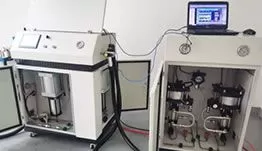
Outdoor drinking fountains equipped with touchless sensors are making a big difference when it comes to keeping things clean and germ-free. These devices let people get water without touching anything at all, which means fewer chances of spreading bacteria around. Think about busy places like city parks during summer or crowded festivals where hundreds pass by each hour. The last thing anyone wants is to catch something from a dirty handle or button. Research shows that these no-touch systems actually cut down on bacteria levels quite a bit compared to traditional faucets. Schools and hospitals especially benefit from this tech since they deal with so many different users throughout the day. A single contaminated surface can quickly turn into an outbreak waiting to happen in those environments.
Antimicrobial treatments on surfaces make a big difference when it comes to keeping outdoor drinking fountains clean and safe. The coatings work by stopping bacteria and viruses from growing on those fountain surfaces. Studies show these treatments cut down on microbes by around 99.9% which makes the water area much safer for people using them. Another plus is that these treated surfaces don't need cleaning as often, so facilities get two benefits at once: better hygiene standards plus lower costs and less work for maintenance staff. Facility managers love this because they spend less money overall and their teams have more time for other important tasks instead of constantly scrubbing down fountains.
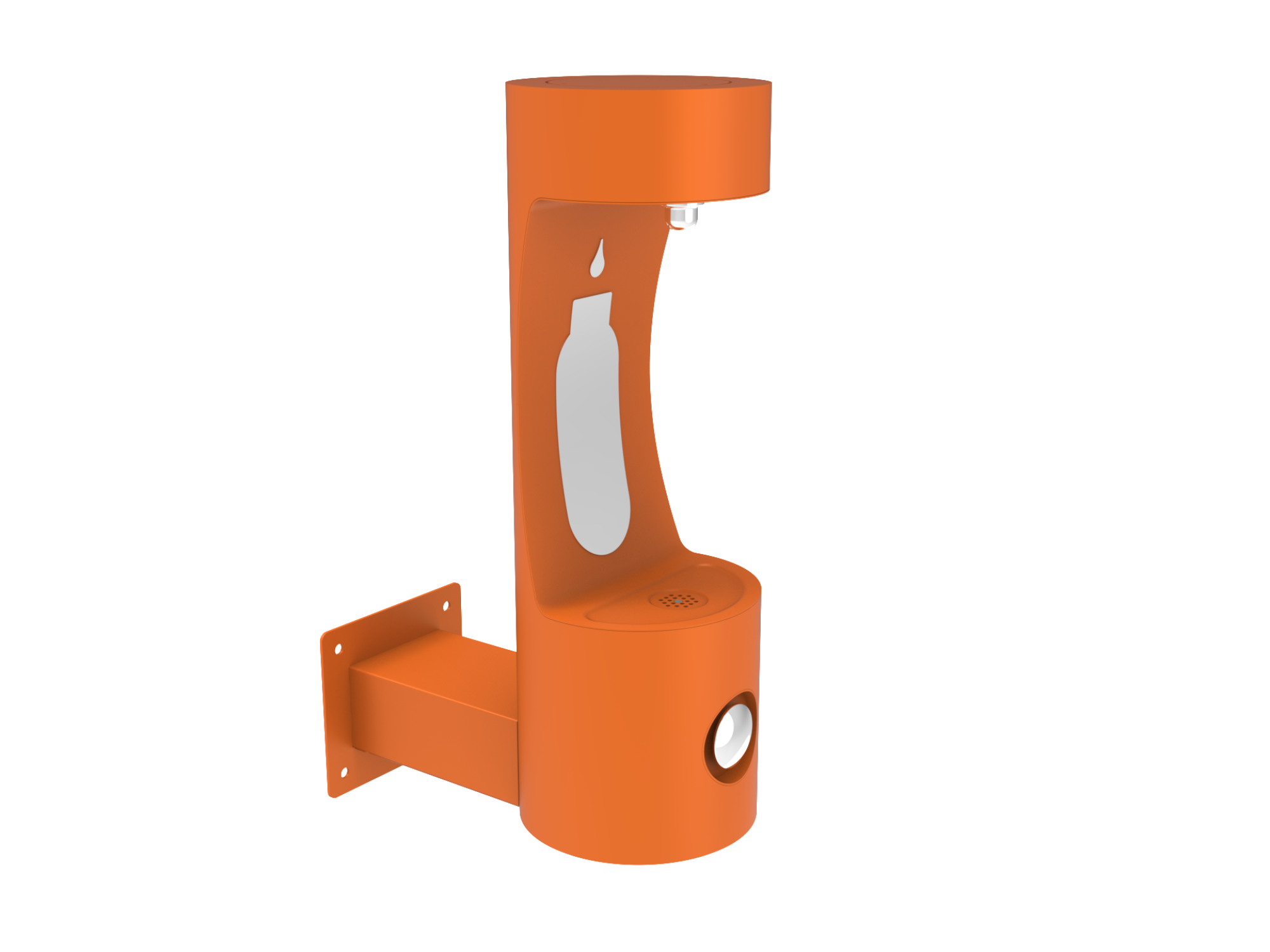
ADA compliant outdoor drinking fountains help ensure people with disabilities can get water when they need it. When cities follow these guidelines, parks and other public areas become places where everyone actually wants to spend time. Many modern fountains now include spots where dogs can drink too, which is great because pets are part of families after all. Research shows that when facilities are easier to use, more people take advantage of them, leading to better hydration habits throughout neighborhoods. So while meeting ADA requirements might seem like just following rules, it's really about creating spaces where both humans and their animal companions feel welcome and healthy at the same time.
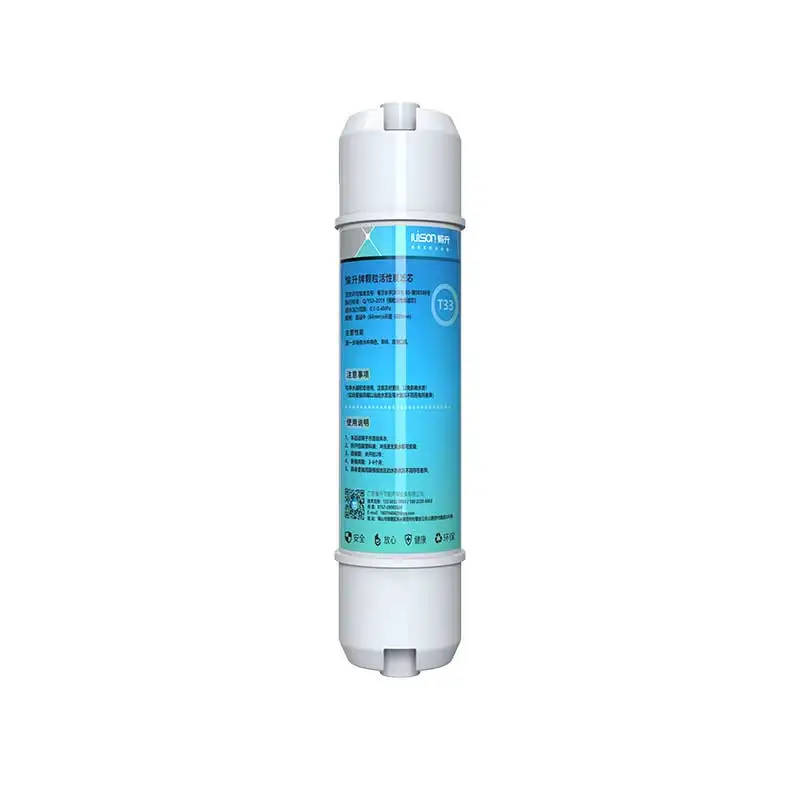
Outdoor fountains need good filtration if they're going to provide clean drinking water. Most modern setups include several stages of filtering - usually starting with something to catch big particles like sediment, then moving on to carbon filters that remove bad tastes and smells, and finally some kind of UV treatment to knock out bacteria. People notice the difference when water tastes better and looks clearer, which is why we see more folks actually using fountain water instead of just ignoring it. Cities that upgrade their filtration systems report fewer complaints about water quality issues. For neighborhoods without easy access to bottled water, properly filtered fountain systems make all the difference in daily life.
Outdoor drinking fountains that run on solar power offer an environmentally friendly way to keep people hydrated without relying on grid electricity. These systems cut down on running expenses while being kinder to the planet since they don't need conventional power sources. What makes them really useful is that they can function all by themselves, which works great in places far from city centers or where there's no access to regular electrical connections. Many communities have started installing these sun-powered water stations because they help lower greenhouse gas emissions from municipal services. Public facilities adopting this green technology see real improvements in their sustainability efforts over time.
Choosing sustainable materials when building outdoor drinking fountains makes a real difference in cutting down their environmental footprint. Manufacturers who switch to recycled metals and plastics are tapping into what people want nowadays - greener public spaces that appeal to those concerned about the planet. Recent surveys show around 70% of folks actually prefer seeing products made from recycled stuff, so this trend isn't going away anytime soon. When designers incorporate these eco-friendly materials into fountain construction, they're doing more than just helping protect the environment. They're also creating installations that speak directly to modern tastes for sustainable living solutions across parks, campuses, and city streets alike.
Water quality monitoring systems that work in real time are really important for keeping people safe. They check the water constantly for stuff that shouldn't be there and give quick results when problems show up. The systems look at things like acid levels, cloudiness in the water, and whether bad bacteria or viruses are present, all while making sure tap water stays drinkable. When communities put these systems into place properly, they actually stop health issues before they start and help build trust among residents who might otherwise worry about their water. People around the world care more about clean water than ever before, which explains why we're seeing more of these monitors installed not just at treatment plants but also in everyday spots like schools, office buildings, city parks, and even on buses and trains where folks need access to safe drinking water.
The alerts from predictive maintenance make good use of IoT tech to spot possible problems before they actually happen, which helps get repairs done on time for those outdoor water fountains. These systems look at how often people use them and other running information, then kick off maintenance work when needed. This approach cuts down on unexpected breakdowns and makes better use of resources overall. According to what various industries have found, this kind of maintenance can cut costs somewhere around 30 percent, which really improves both service quality and how well operations run day to day. Schools and city buildings especially need this sort of tech because their budgets are tight, so having intelligent ways to keep things working properly while spending less money on regular fixes becomes pretty important.
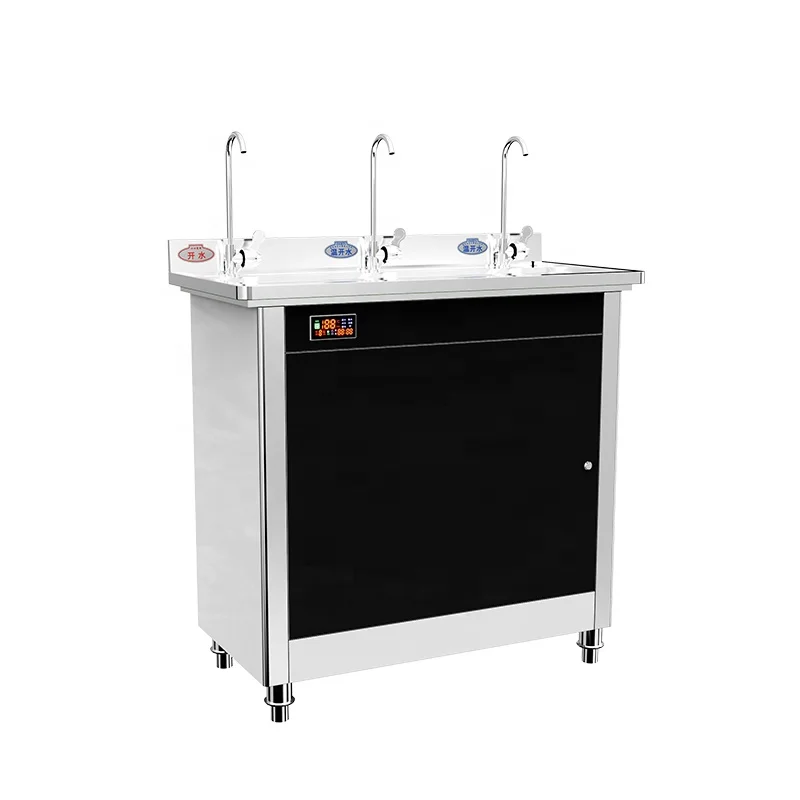
Manufacturers now commonly turn to stainless steel and other weatherproof materials when building outdoor drinking fountains so they stand up against years of sun, rain, and general wear and tear. The main reason? Stainless steel just doesn't rust or corrode like cheaper alternatives do, making it ideal for fountain installations in parks, schools, and public spaces everywhere. Fountains built with quality materials simply last longer than those constructed from lower grade components. Anyone who has dealt with replacing broken or damaged fountains knows how costly these fixes can get over time. Research indicates that well-made outdoor fixtures require far fewer repairs throughout their lifetime, saving both money and maintenance headaches down the road. When communities invest in sturdy construction upfront, they end up with drinking stations that continue working properly and looking good despite whatever Mother Nature throws at them.
Adding vandal resistant design elements makes all the difference when it comes to keeping outdoor water fountains safe and functional in busy spots or places where damage happens often. Things like toughened glass panels, parts that won't break easily, and proper mounting techniques help stop people from messing with the equipment. These kinds of designs cut down on tampering while ensuring the fountain keeps working properly, which means happier users and less money spent fixing things later on. Real world data shows parks and schools with these protective features report way fewer broken fixtures over time. Schools especially see big savings because they don't have to replace damaged units so frequently. When planners focus on building fountains this way from the start, communities end up with water stations that actually last years instead of months.

IUISON specializes in high-quality SUS commercial drinking water machines, including water coolers, boilers, and outdoor fountains. With 16 years of international trade experience, we provide reliable, customized solutions for businesses, governments, and organizations worldwide.
No. 13, Laocun Industrial Zone, Sanle Road, Lecong Town, Shunde District, Foshan City, Guangdong Province,China.
Copyright © 2026 GUANGDONG IUISON CO.,LTD All Rights Reserved Privacy Policy
 EN
EN
 AR
AR
 HR
HR
 CS
CS
 DA
DA
 NL
NL
 FI
FI
 FR
FR
 DE
DE
 EL
EL
 HI
HI
 IT
IT
 JA
JA
 KO
KO
 PL
PL
 PT
PT
 RO
RO
 RU
RU
 ES
ES
 SV
SV
 TL
TL
 IW
IW
 LT
LT
 SR
SR
 SK
SK
 UK
UK
 VI
VI
 TH
TH
 TR
TR
 FA
FA
 MS
MS
 IS
IS
 HY
HY
 AZ
AZ
 KA
KA
 BN
BN
 KM
KM
 LO
LO
 LA
LA
 MN
MN
 Hot News