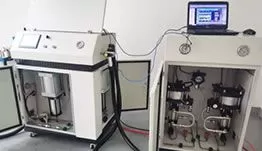
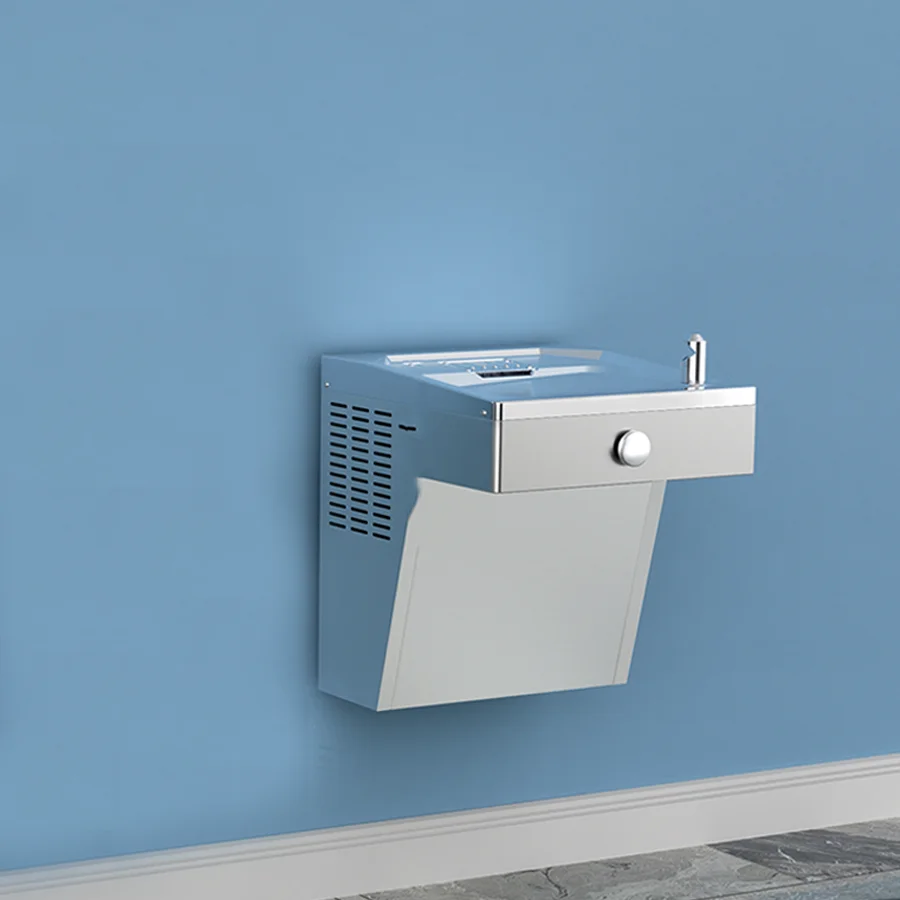
Public areas today need water access points that keep people safe while also being good for the environment. The old fashioned drinking fountains we used to see everywhere are now becoming something much more important than just places to get a drink. These touch free models help stop germs from spreading around so much, which matters a lot these days. They also save water because they only run when someone actually wants to use them. Cities, schools, and businesses that install these modern fountains are making smart choices for their communities. Not only do they protect public health, but they also cut down on wasted resources over time. Many towns have already started replacing older systems with this newer technology as part of their sustainability plans.
Compliance with regulations plays a big role when companies decide what equipment to buy around the world. Touchless systems naturally meet ADA standards because they're easy to use without physical barriers, plus they get rid of those touch points where germs tend to stick around. Systems with NSF certified filters and nozzles treated with antimicrobial coatings can cut down on water contamination problems quite a bit. Traditional button operated units just don't compare since sensors stop germs from spreading between different people who use them. This makes all the difference for places like schools and airports trying to keep up with new health rules after the pandemic hit. Facility managers often report that switching to these systems makes it much easier to stay ahead of changing public health regulations everywhere they operate.
Outdoor installations face relentless environmental challenges. Commercial-grade touchless fountains leverage marine-grade stainless steel construction and vandal-resistant design to withstand heavy public usage. Critical engineering details matter:
Durability extends beyond hardware. IoT-enabled units continuously monitor filter status and flow rates, enabling predictive maintenance that could reduce operational downtime by over 30%. Remote diagnostics alert technicians to issues like line pressure drops or filter exhaustion before they disrupt service.
Sustainability metrics increasingly influence procurement. Advanced touchless systems incorporate precision flow control valves limiting consumption to 0.35 gallons per minute – outperforming conventional units by 40% or more. This aligns with municipal water reduction mandates like California’s Title 24 while yielding tangible utility savings.
Commercial property developers could leverage these systems for LEED certification points, particularly when paired with:
Schools require specialised configurations addressing child safety and water quality anxieties. Height-adjustable bubblers with child-safe laminar flow streams prevent splashing hazards, while real-time TDS displays build trust in water purity. Incorporating medical-grade UV sterilisation could eliminate 99.9% of detected microbes, easing parental concerns about lead residuals or bacterial presence.
Airports and stations benefit from high-capacity circulation systems maintaining continuous flow during peak usage. Thermal sensors can modulate water temperature based on ambient conditions, while quick-release filter cartridges minimise maintenance disruptions. Some operators report 40% reductions in plastic bottle waste after deploying strategically positioned hydration stations.
Forward-looking municipalities prioritise scalable technologies. Next-generation units may feature:
These innovations transform drinking fountains from passive fixtures into intelligent public health assets.
At IUSON, our approach to engineering revolves around developing touchless hydration solutions that stand up to what city infrastructure needs day after day. We put serious emphasis on materials that meet medical standards, filtration systems backed by independent testing, and designs that can handle whatever Mother Nature throws at them. The team really gets what public facilities need when they're trying to serve people safely. When we build these systems, safety for users comes first alongside responsible water management and making sure operations run smoothly. This means towns and cities can keep providing those basic services while still hitting their cleanliness goals and looking after the environment too.

IUISON specializes in high-quality SUS commercial drinking water machines, including water coolers, boilers, and outdoor fountains. With 16 years of international trade experience, we provide reliable, customized solutions for businesses, governments, and organizations worldwide.
No. 13, Laocun Industrial Zone, Sanle Road, Lecong Town, Shunde District, Foshan City, Guangdong Province,China.
Copyright © 2026 GUANGDONG IUISON CO.,LTD All Rights Reserved Privacy Policy
 EN
EN
 AR
AR
 HR
HR
 CS
CS
 DA
DA
 NL
NL
 FI
FI
 FR
FR
 DE
DE
 EL
EL
 HI
HI
 IT
IT
 JA
JA
 KO
KO
 PL
PL
 PT
PT
 RO
RO
 RU
RU
 ES
ES
 SV
SV
 TL
TL
 IW
IW
 LT
LT
 SR
SR
 SK
SK
 UK
UK
 VI
VI
 TH
TH
 TR
TR
 FA
FA
 MS
MS
 IS
IS
 HY
HY
 AZ
AZ
 KA
KA
 BN
BN
 KM
KM
 LO
LO
 LA
LA
 MN
MN
 Hot News