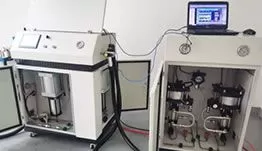
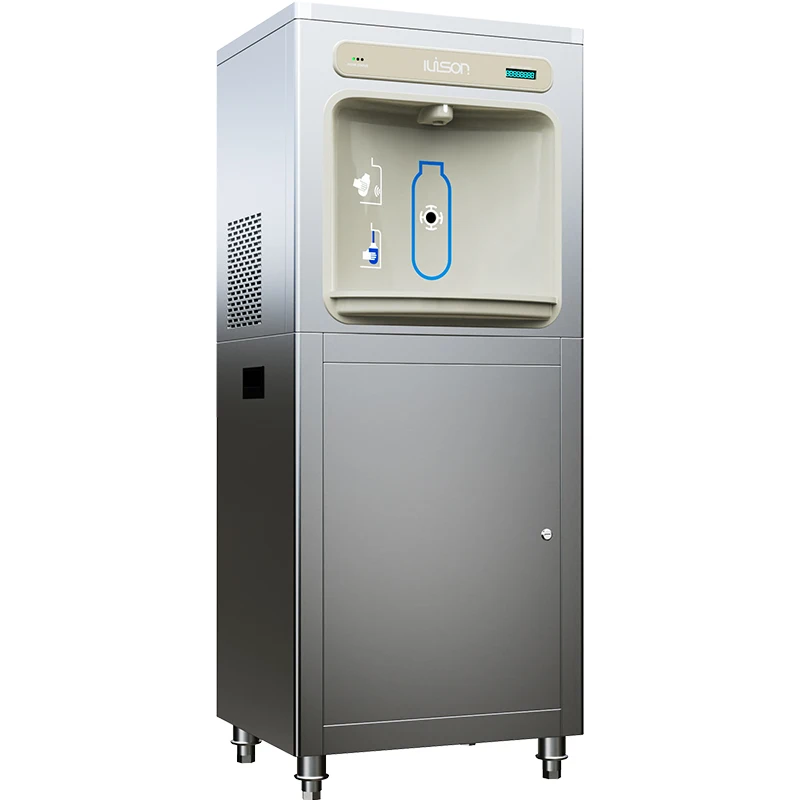
When selecting a wall mounted drinking fountain for commercial, educational, or public spaces, understanding the critical design features can make the difference between a functional installation and a problematic one. Modern facilities demand water dispensing solutions that combine durability, hygiene, accessibility, and aesthetic appeal. The right wall mounted drinking fountain must withstand heavy daily usage while providing clean, safe water access for diverse user populations. From stainless steel construction to ergonomic design elements, each feature plays a vital role in ensuring long-term performance and user satisfaction.
The foundation of any reliable wall mounted drinking fountain lies in its material composition, with stainless steel emerging as the industry standard for commercial applications. Grade 304 stainless steel offers excellent corrosion resistance and maintains its appearance even under constant exposure to water and cleaning chemicals. This material choice ensures that the wall mounted drinking fountain can withstand decades of use without showing signs of rust, pitting, or structural degradation that commonly affects lesser materials.
Higher-grade stainless steel variants, such as 316L, provide enhanced resistance to chlorides and other aggressive water treatment chemicals. The brushed or satin finish typical of commercial wall mounted drinking fountain units not only conceals fingerprints and water spots but also facilitates easier maintenance. The thickness of the stainless steel housing directly impacts the unit's ability to resist dents and vandalism, making gauge selection a crucial consideration for high-traffic environments.
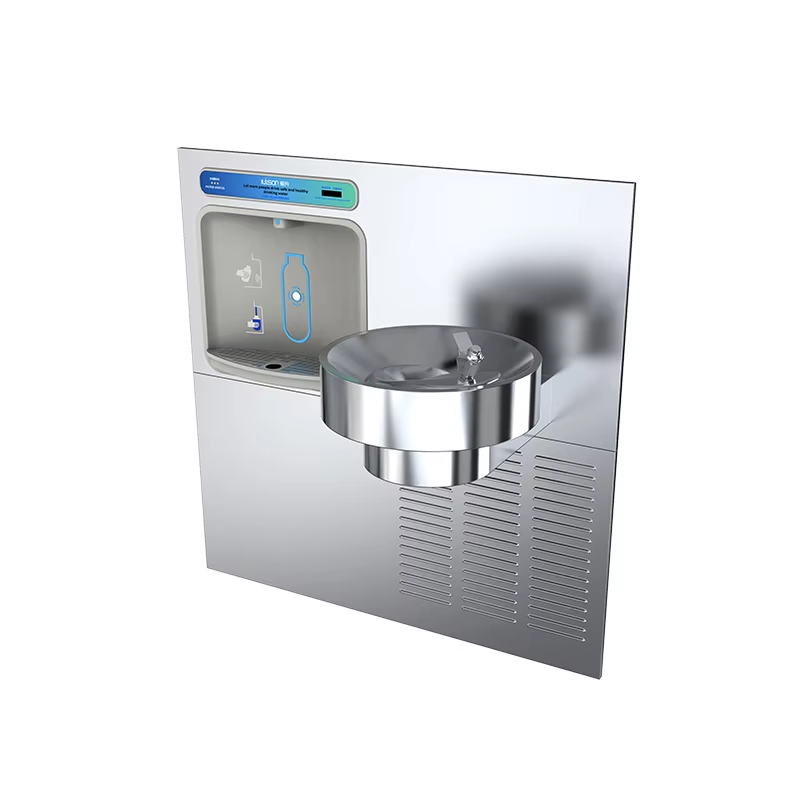
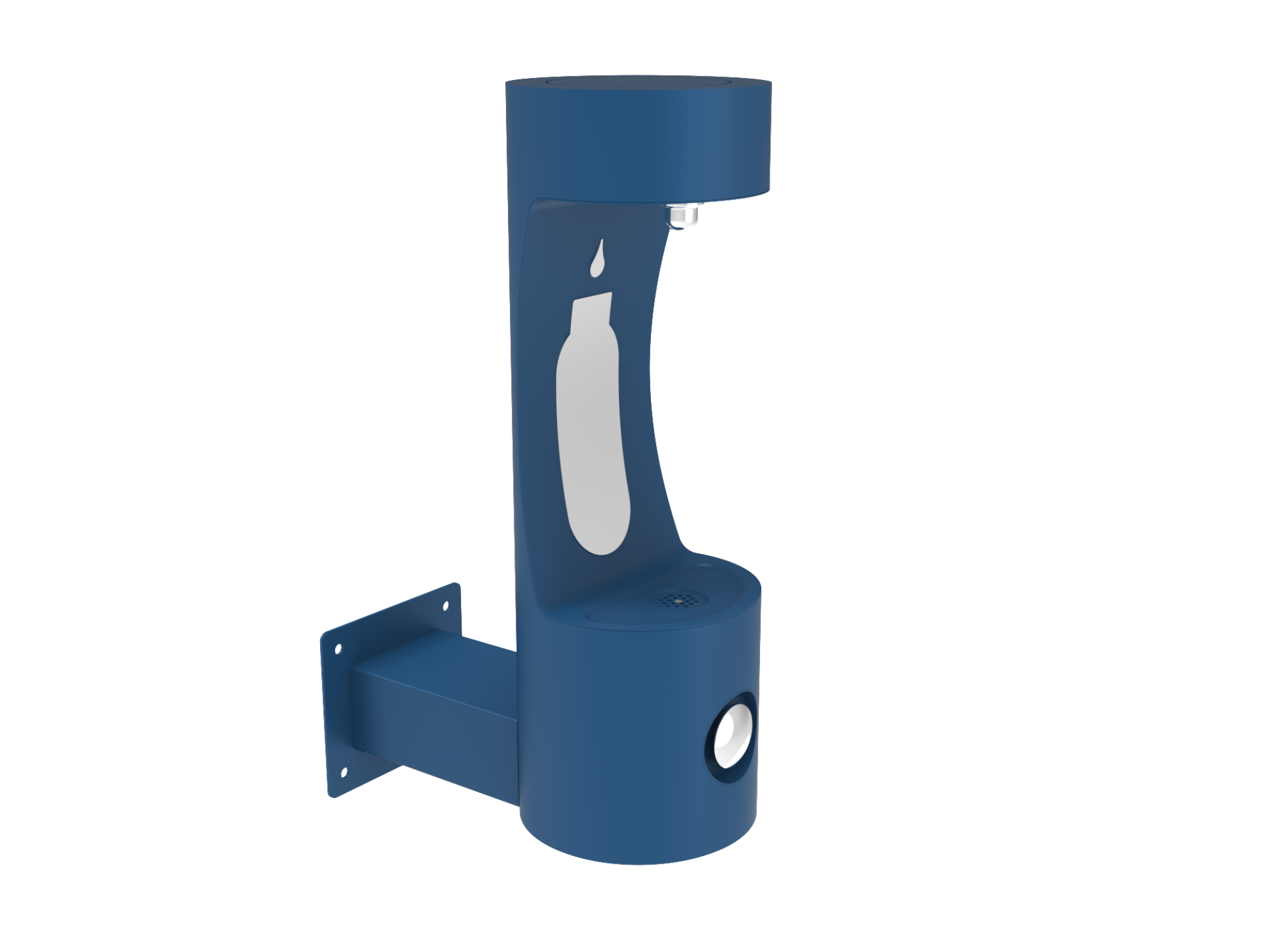
Outdoor installations require a wall mounted drinking fountain designed to withstand extreme temperature variations, UV exposure, and precipitation. The housing must feature proper drainage systems to prevent water accumulation that could lead to freeze damage during winter months. Quality units incorporate thermal expansion joints and reinforced mounting systems to maintain structural integrity despite seasonal temperature swings.
Powder coating or specialized surface treatments provide additional protection against environmental factors while maintaining the visual appeal of the wall mounted drinking fountain. These protective layers resist fading, chalking, and corrosion that can compromise both function and appearance over time. Sealed electrical components and waterproof connections ensure reliable operation regardless of weather conditions.
Modern wall mounted drinking fountain installations must comply with ADA (Americans with Disabilities Act) requirements to ensure accessibility for users with varying physical abilities. The optimal mounting height typically ranges between 36 and 38 inches from the ground, allowing comfortable access for both standing users and wheelchair occupants. Clear floor space requirements mandate a minimum 30 by 48-inch area in front of the unit to accommodate wheelchair approach.
Spout design plays a critical role in accessibility, with angled projections ensuring that water streams reach appropriate distances without requiring users to lean awkwardly. The wall mounted drinking fountain activation mechanism must operate with minimal force, typically requiring no more than five pounds of pressure to engage. This consideration benefits elderly users, children, and individuals with limited hand strength or dexterity.
The activation system of a wall mounted drinking fountain significantly impacts user experience and hygiene maintenance. Push-button mechanisms offer reliable operation but require direct contact, while sensor-activated systems provide touchless operation that reduces contamination risks. Some advanced units feature dual activation options, allowing users to choose between manual and automatic operation based on their preferences or physical capabilities.
Water stream control represents another crucial ergonomic consideration. Adjustable flow rates accommodate different user preferences while preventing excessive splashing that can create slip hazards or waste water. The stream trajectory should provide comfortable drinking angles without requiring users to position themselves awkwardly or risk contact with the spout surface.
Contemporary wall mounted drinking fountain designs incorporate antimicrobial technologies to reduce bacterial growth and maintain sanitary conditions. Silver ion coatings, copper-infused surfaces, and UV-C sterilization systems help eliminate harmful microorganisms that can accumulate on frequently touched surfaces. These treatments become particularly important in healthcare facilities, schools, and other environments where infection control is paramount.
The basin design of a wall mounted drinking fountain must facilitate proper drainage and prevent standing water that could harbor bacteria or create unpleasant odors. Sloped surfaces, strategically placed drain outlets, and smooth finishes without crevices or joints minimize areas where contaminants can accumulate. Regular cleaning protocols become more effective when the unit design supports thorough sanitization procedures.
Integrated filtration systems enhance the safety and taste of water dispensed from a wall mounted drinking fountain. Multi-stage filtration can remove chlorine, sediments, and potentially harmful contaminants while maintaining beneficial minerals. Some systems incorporate UV sterilization or ozone treatment to eliminate biological contaminants without introducing chemical disinfectants.
Lead-free components throughout the water pathway ensure compliance with federal Safe Drinking Water Act requirements. Brass fittings, if used, must meet stringent lead content limitations, while many manufacturers opt for all-stainless steel water pathways to eliminate any lead exposure concerns. Regular testing and certification documentation provide ongoing assurance of water safety standards.
The mounting system for a wall mounted drinking fountain must distribute the unit's weight evenly across the wall structure to prevent damage or failure. Heavy-duty brackets typically require attachment to structural elements rather than just surface materials, ensuring long-term stability under normal and emergency loading conditions. Seismic considerations may require additional bracing or flexible connections in earthquake-prone regions.
Wall preparation involves more than simple bracket installation, as proper plumbing and electrical connections must be integrated seamlessly. The wall mounted drinking fountain installation typically requires both water supply and drainage connections, with electrical service needed for units featuring refrigeration, sensors, or lighting elements. Adequate wall thickness and reinforcement may be necessary to support the additional weight of filled water lines and the unit itself.
Maintenance accessibility significantly impacts the long-term operational costs of a wall mounted drinking fountain. Removable panels, hinged covers, and tool-free component access reduce service time and minimize disruption to facility operations. Filter replacement, valve maintenance, and sensor calibration should be possible without removing the entire unit from its wall mounting.
Standardized component sizing and widely available replacement parts ensure that the wall mounted drinking fountain can be serviced efficiently over its operational lifespan. Proprietary components or obsolete technologies can create expensive maintenance challenges that outweigh initial cost savings. Service documentation and technical support availability from the manufacturer provide additional confidence in long-term maintenance planning.
Energy consumption represents a significant operational cost for refrigerated wall mounted drinking fountain units, making efficiency ratings an important selection criterion. High-efficiency compressors, improved insulation, and smart temperature controls can reduce electricity usage by 30% or more compared to standard units. ENERGY STAR certification provides third-party verification of energy performance standards.
Variable-speed compressor technology allows the wall mounted drinking fountain to adjust cooling capacity based on actual demand rather than operating at constant full capacity. This approach reduces energy waste during periods of low usage while maintaining adequate cooling performance during peak demand times. Proper sizing of the refrigeration system prevents oversized units that waste energy and undersized units that struggle to maintain temperature.
Water efficiency features in a wall mounted drinking fountain help reduce consumption without compromising user satisfaction. Automatic shut-off timers prevent continuous flow if users forget to release activation controls, while pressure-compensating valves maintain consistent flow rates despite varying water pressure conditions. These features can reduce water waste by significant percentages in high-traffic installations.
Leak detection and prevention systems protect against water damage while conserving resources. Smart sensors can identify unusual flow patterns that might indicate leaks or malfunctions, enabling prompt maintenance intervention. Some advanced wall mounted drinking fountain units feature remote monitoring capabilities that alert facility managers to potential issues before they become costly problems.
The visual impact of a wall mounted drinking fountain extends beyond pure functionality, as these units become permanent architectural elements that influence the overall design aesthetic of a space. Contemporary designs offer sleek profiles that complement modern architectural styles, while traditional models provide classic appearances suitable for historical or formal settings. Color options, finish choices, and geometric forms allow integration with existing design schemes.
Custom fabrication options enable architects and designers to create wall mounted drinking fountain installations that serve as design focal points rather than utilitarian necessities. Integrated planters, artistic panels, or coordinated materials can transform a basic water fountain into an architectural feature that enhances rather than detracts from the surrounding environment.
LED lighting systems can improve both functionality and aesthetics of a wall mounted drinking fountain installation. Task lighting illuminates the drinking area for safe operation during low-light conditions, while accent lighting can create attractive visual effects that complement the overall lighting design of the space. Energy-efficient LED technology minimizes electrical consumption while providing long-lasting illumination.
Digital displays or informational panels integrated into the wall mounted drinking fountain design can provide water quality information, usage statistics, or educational content related to hydration and health. These features appeal particularly to health-conscious users and educational environments where learning opportunities can be integrated into everyday activities.
Commercial wall mounted drinking fountain units require weekly cleaning of external surfaces and monthly deep sanitization of water contact areas. Filter replacements should follow manufacturer specifications, typically every 3-6 months depending on water quality and usage volume. Professional service inspections every six months help identify potential issues before they affect performance or water quality.
Wall mounted drinking fountain installations typically cost 15-25% less than comparable freestanding units due to simplified plumbing connections and reduced structural requirements. However, wall reinforcement or electrical work may add to initial installation expenses. The space-saving benefits and reduced maintenance access requirements often justify the installation investment over the unit's operational lifetime.
The ideal water temperature for a wall mounted drinking fountain ranges between 50-60°F (10-15°C) to balance user preference with energy efficiency. Temperatures below 50°F may cause discomfort and increase energy consumption unnecessarily, while temperatures above 60°F may not provide the refreshing experience users expect. Programmable temperature controls allow adjustment based on seasonal preferences and usage patterns.
Most modern wall mounted drinking fountain units can be retrofitted with sensor-based activation systems, though compatibility depends on the existing electrical infrastructure and valve design. Professional installation ensures proper sensor positioning and reliable operation. Retrofit costs are typically 60-80% less than complete unit replacement while providing significant hygiene benefits for high-traffic installations.

IUISON specializes in high-quality SUS commercial drinking water machines, including water coolers, boilers, and outdoor fountains. With 16 years of international trade experience, we provide reliable, customized solutions for businesses, governments, and organizations worldwide.
No. 13, Laocun Industrial Zone, Sanle Road, Lecong Town, Shunde District, Foshan City, Guangdong Province,China.
Copyright © 2026 GUANGDONG IUISON CO.,LTD All Rights Reserved Privacy Policy
 EN
EN
 AR
AR
 HR
HR
 CS
CS
 DA
DA
 NL
NL
 FI
FI
 FR
FR
 DE
DE
 EL
EL
 HI
HI
 IT
IT
 JA
JA
 KO
KO
 PL
PL
 PT
PT
 RO
RO
 RU
RU
 ES
ES
 SV
SV
 TL
TL
 IW
IW
 LT
LT
 SR
SR
 SK
SK
 UK
UK
 VI
VI
 TH
TH
 TR
TR
 FA
FA
 MS
MS
 IS
IS
 HY
HY
 AZ
AZ
 KA
KA
 BN
BN
 KM
KM
 LO
LO
 LA
LA
 MN
MN
 Hot News