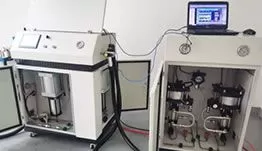
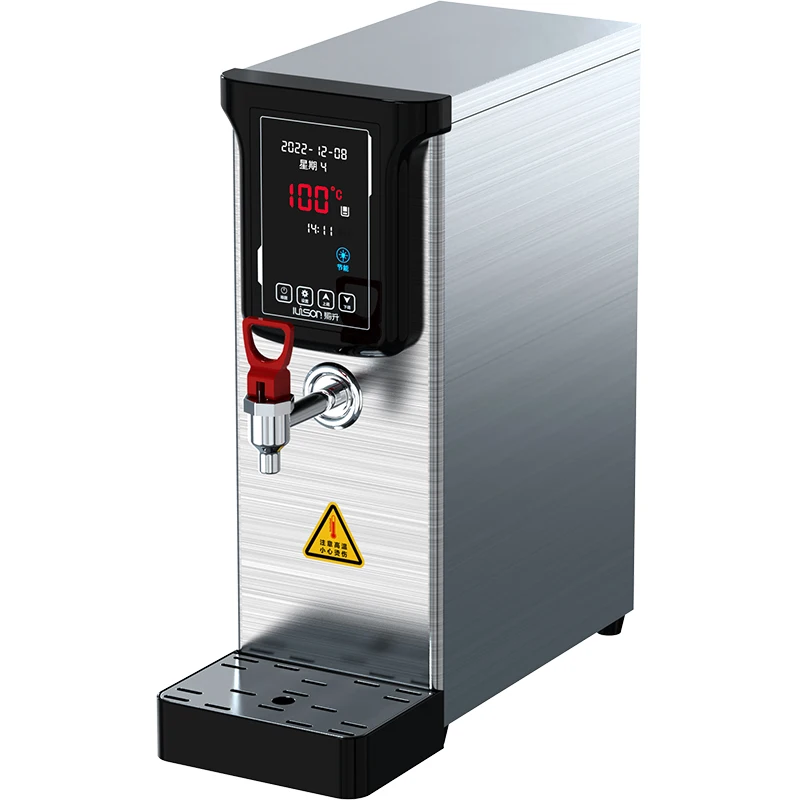
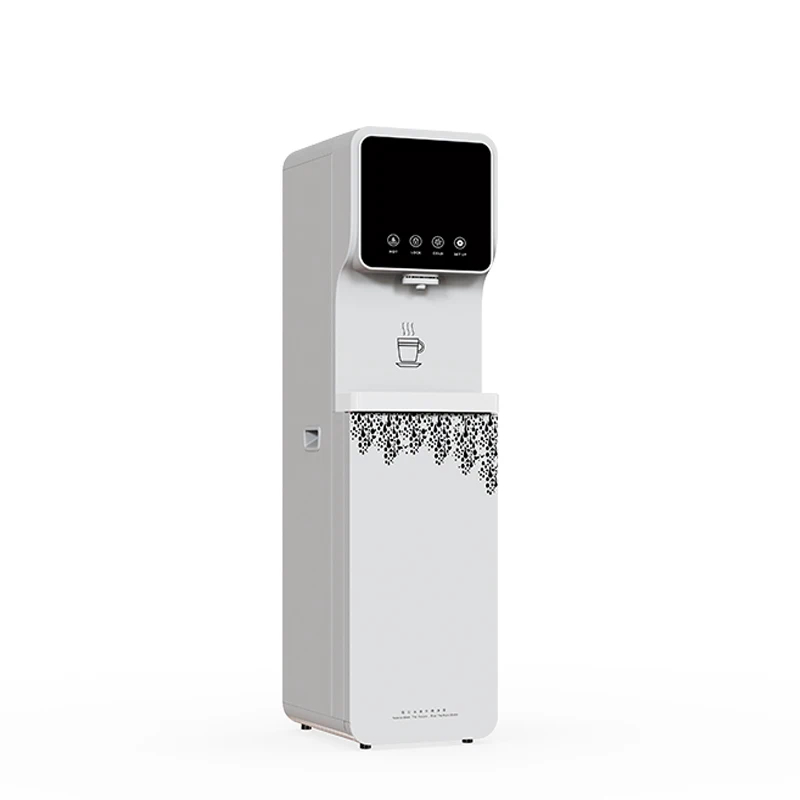
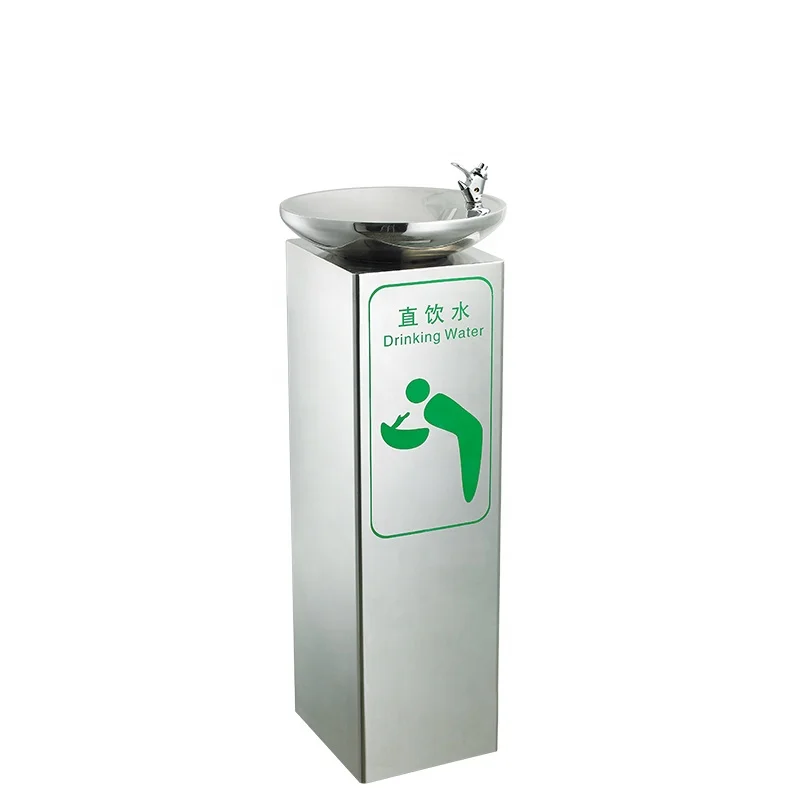
Healthcare environments demand the highest standards of hygiene, durability, and reliability when it comes to water dispensing solutions. A stainless steel water dispenser emerges as the gold standard for hospitals, clinics, and medical facilities due to its exceptional antimicrobial properties, ease of maintenance, and long-term performance. Unlike plastic alternatives that can harbor bacteria and degrade over time, stainless steel provides a robust foundation for safe water delivery in critical healthcare settings where patient safety is paramount.
The inherent antimicrobial characteristics of stainless steel make it an ideal material for healthcare water dispensers. Medical-grade stainless steel contains chromium and nickel alloys that naturally resist bacterial growth and prevent biofilm formation on surfaces. This property is crucial in healthcare environments where pathogens can spread rapidly and compromise patient safety. Research demonstrates that stainless steel surfaces can eliminate up to 99.9% of harmful bacteria within hours of contact, providing an additional layer of protection beyond standard cleaning protocols.
Healthcare facilities benefit significantly from this natural antimicrobial action because it reduces the risk of cross-contamination between patients and staff. When water comes into contact with stainless steel surfaces inside the dispenser, the material actively works to neutralize potential contaminants. This process occurs continuously without requiring additional chemical treatments or specialized maintenance procedures, making it a cost-effective solution for busy medical environments.
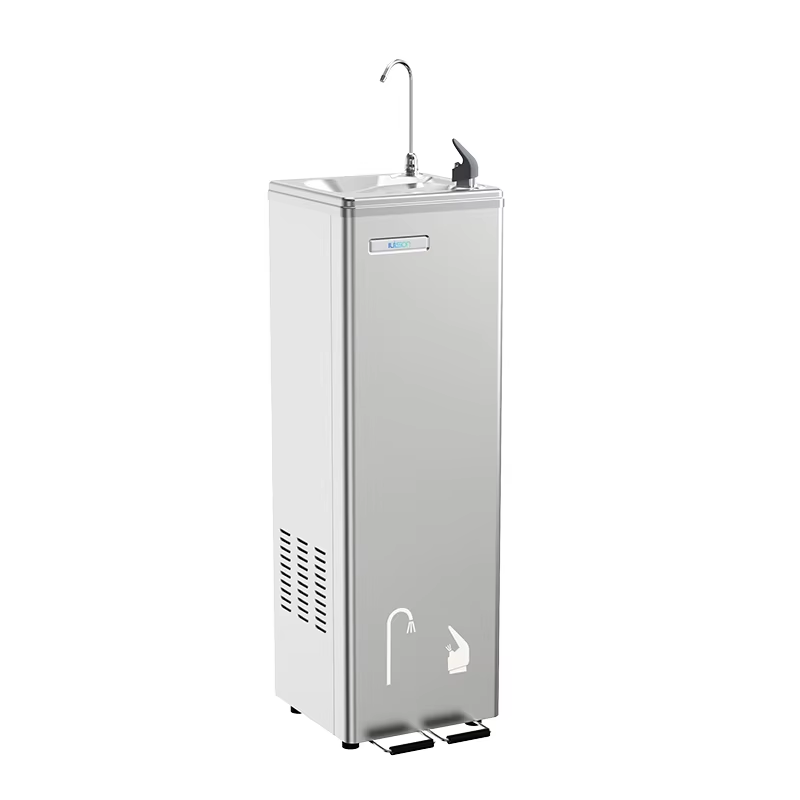
Hospital-grade cleaning protocols require water dispensers that can withstand frequent sanitization with harsh disinfectants and chemicals. A stainless steel water dispenser meets these demanding requirements without degrading or losing its protective properties. The non-porous surface prevents the absorption of cleaning chemicals and eliminates the risk of chemical leaching into the water supply. This characteristic ensures that water quality remains pure while allowing for thorough disinfection of all external and internal components.
Maintenance teams appreciate the simplicity of cleaning stainless steel surfaces because the material resists staining, scratching, and corrosion even under intensive cleaning regimens. Standard hospital disinfectants can be applied without concern for material damage, and the smooth surface allows for quick visual inspection to verify cleanliness. This efficiency in maintenance translates to reduced labor costs and minimized downtime for water dispenser servicing.
Healthcare facilities operate under tight budget constraints while requiring equipment that delivers consistent performance over many years. A high-quality stainless steel water dispenser represents a smart long-term investment because of its exceptional durability and resistance to wear. Unlike plastic dispensers that may crack, discolor, or develop structural weaknesses over time, stainless steel maintains its integrity and appearance throughout decades of continuous use in demanding medical environments.
The initial investment in a commercial-grade stainless steel water dispenser typically pays for itself within two to three years through reduced replacement costs and lower maintenance expenses. Healthcare administrators recognize this value proposition because it aligns with their need to allocate resources efficiently while maintaining high standards of patient care and facility operations.
Medical facilities expose water dispensers to various environmental stressors including temperature fluctuations, humidity variations, and chemical exposure from cleaning agents and medical procedures. Stainless steel demonstrates remarkable resistance to these challenging conditions without compromising functionality or safety. The material maintains structural stability across wide temperature ranges and prevents condensation buildup that could lead to mold or bacterial growth in humid hospital environments.
Chemical resistance is particularly important in healthcare settings where airborne disinfectants and cleaning vapors are constantly present. A stainless steel water dispenser continues to perform reliably even when exposed to these harsh chemical environments, ensuring consistent water quality and system reliability. This resilience reduces the likelihood of unexpected failures that could disrupt healthcare operations or compromise patient hydration needs.
Patient safety depends on access to clean, uncontaminated water for drinking, medication preparation, and medical procedures. Stainless steel water dispensers provide superior protection against contamination compared to alternative materials that may leach chemicals or harbor pathogens. The inert nature of medical-grade stainless steel ensures that no metallic taste or odor affects the water quality, maintaining palatability for patients who may already be experiencing taste sensitivity due to medical treatments.
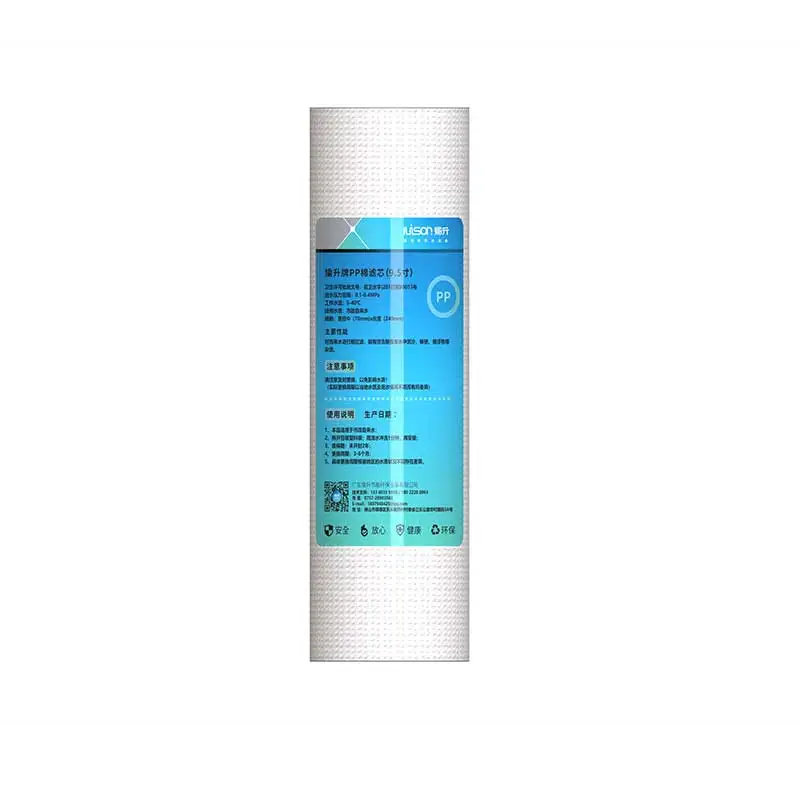
Advanced filtration systems integrated with stainless steel dispensers work more effectively because the internal components do not introduce additional contaminants that could compromise filter performance. This synergy between high-quality materials and filtration technology ensures that healthcare facilities can deliver consistently pure water to patients, staff, and visitors throughout the facility.
Healthcare environments require precise temperature control for water dispensing to prevent scalding injuries and ensure patient comfort. Stainless steel water dispensers excel at maintaining consistent water temperatures through superior thermal conductivity and insulation properties. The material responds quickly to temperature adjustments while preventing dangerous hot spots that could pose safety risks to vulnerable patients or elderly visitors.
Safety features integrated into stainless steel dispensers include child-resistant hot water locks, temperature monitoring systems, and emergency shut-off capabilities. These features are essential in healthcare settings where patients may have limited mobility or cognitive awareness that could affect their ability to operate water dispensers safely. The robust construction of stainless steel units ensures that safety mechanisms remain reliable throughout years of intensive use.
Healthcare facilities must comply with stringent regulations governing water quality, equipment safety, and infection control protocols. A properly certified stainless steel water dispenser helps facilities meet these requirements by providing documentation of materials compliance, safety testing results, and performance certifications. Regulatory agencies recognize stainless steel as a preferred material for medical equipment due to its proven track record in clinical applications and its ability to maintain safety standards over extended periods.
Certification standards such as NSF International approval and FDA compliance are more readily achieved with stainless steel water dispensers because the material properties align with regulatory requirements for medical equipment. This compliance reduces the administrative burden on healthcare facilities and provides assurance that their water dispensing systems meet current and future regulatory standards.
Healthcare quality assurance programs require detailed documentation of equipment specifications, maintenance records, and performance monitoring data. Stainless steel water dispensers support these documentation requirements through standardized material certifications and predictable maintenance schedules. The stable performance characteristics of stainless steel eliminate variability in system operation that could complicate record-keeping or create compliance issues during regulatory inspections.
Traceability of materials and components is crucial for healthcare equipment, especially when recalls or safety investigations occur. Reputable manufacturers of stainless steel water dispensers maintain comprehensive records of material sources, manufacturing processes, and quality control testing that support healthcare facility compliance efforts. This documentation provides peace of mind for healthcare administrators responsible for patient safety and regulatory compliance.
Healthcare facilities are increasingly focused on reducing their environmental impact while maintaining high standards of patient care. Installing stainless steel water dispensers significantly reduces reliance on single-use plastic water bottles and disposable cups, supporting sustainability initiatives without compromising hygiene standards. The durability of stainless steel ensures that these environmental benefits continue for decades, making it a cornerstone of green healthcare facility management.
Environmental stewardship in healthcare extends beyond waste reduction to include considerations of energy efficiency and resource conservation. Modern stainless steel water dispensers incorporate energy-saving technologies and efficient filtration systems that minimize environmental impact while delivering superior performance. These features align with healthcare facility goals for sustainable operations and community environmental responsibility.
At the end of its service life, a stainless steel water dispenser retains significant value through recycling programs that recover the high-quality metals for reuse in new products. This recyclability supports circular economy principles and reduces the long-term environmental impact of healthcare facility operations. Unlike plastic dispensers that typically end up in landfills, stainless steel units contribute to sustainable material management practices.
Lifecycle management considerations favor stainless steel water dispensers because of their extended service life and predictable performance degradation patterns. Healthcare facilities can plan equipment replacement schedules more effectively and budget for upgrades without unexpected failures or premature replacements that disrupt operations and waste resources.
Healthcare facilities should clean stainless steel water dispensers daily with hospital-grade disinfectants to maintain optimal hygiene standards. Internal sanitization should occur weekly or according to manufacturer recommendations, while deep cleaning and filter replacement should follow a monthly schedule. The frequency may increase in high-traffic areas or during infection control situations when enhanced cleaning protocols are necessary.
Yes, medical-grade stainless steel water dispensers are specifically designed to withstand exposure to hospital disinfectants, cleaning chemicals, and airborne medical compounds without degrading or affecting water quality. The corrosion-resistant properties of stainless steel make it ideal for environments where chemical exposure is routine and intensive cleaning is required for infection control.
Healthcare facilities should seek stainless steel water dispensers with NSF International certification, FDA compliance for food contact surfaces, and relevant local health department approvals. Additional certifications may include energy efficiency ratings, antimicrobial testing results, and compliance with Americans with Disabilities Act requirements for accessibility in medical facilities.
While the initial purchase price of a stainless steel water dispenser may be higher than plastic alternatives, the total cost of ownership is typically lower due to reduced maintenance expenses, longer service life, and fewer replacement requirements. Healthcare facilities often find that the investment pays for itself within three years through operational savings and improved reliability compared to less durable alternatives.

IUISON specializes in high-quality SUS commercial drinking water machines, including water coolers, boilers, and outdoor fountains. With 16 years of international trade experience, we provide reliable, customized solutions for businesses, governments, and organizations worldwide.
No. 13, Laocun Industrial Zone, Sanle Road, Lecong Town, Shunde District, Foshan City, Guangdong Province,China.
Copyright © 2026 GUANGDONG IUISON CO.,LTD All Rights Reserved Privacy Policy
 EN
EN
 AR
AR
 HR
HR
 CS
CS
 DA
DA
 NL
NL
 FI
FI
 FR
FR
 DE
DE
 EL
EL
 HI
HI
 IT
IT
 JA
JA
 KO
KO
 PL
PL
 PT
PT
 RO
RO
 RU
RU
 ES
ES
 SV
SV
 TL
TL
 IW
IW
 LT
LT
 SR
SR
 SK
SK
 UK
UK
 VI
VI
 TH
TH
 TR
TR
 FA
FA
 MS
MS
 IS
IS
 HY
HY
 AZ
AZ
 KA
KA
 BN
BN
 KM
KM
 LO
LO
 LA
LA
 MN
MN
 Hot News