Historical Development of Trade Shows in Malaysia
The origins of exhibitions in Malaysia can actually be traced all the way back to those traditional pasar malam night markets and local trade bazaars that helped move goods around the Malay Archipelago long before modern times. Fast forward to the 1980s when things started changing quite a bit in Kuala Lumpur. As factories popped up and money flowed in from overseas investors, especially Japanese companies looking to expand their manufacturing base, organized trade shows began taking shape. The government really pushed this along through policies like the Look East initiative, which brought about new roads, buildings, and eventually dedicated spaces like the Putra World Trade Centre. And now? According to recent numbers from ASEAN's economic report in 2023, the exhibition industry brings in roughly $3.2 billion every year. That kind of cash flow means these events have become much more than just showcases they're now considered essential parts of how Malaysia plans its economy going forward.
From Local Bazaars to International Expos: A Transformation Journey
Malaysia has seen a fascinating transformation as local markets give way to massive international exhibitions, reflecting broader industrial changes across the country. Over recent years, significant improvements in transportation networks, training programs for multilingual staff, and better digital connections have helped turn Kuala Lumpur into one of Southeast Asia's top destinations for large scale business events, right behind Bangkok and Jakarta. Events such as the upcoming IUISON ASIAWATER 2024 in Malaysia showcase this evolution quite clearly, drawing around a third of all foreign exhibitors to conferences focused on ASEAN region issues according to recent research. Working closely with neighboring countries like Singapore and Thailand makes it much easier for companies worldwide to get involved in these growing opportunities without logistical headaches.
MITEC’s Role as a Strategic Hub for Global Exhibitions Like IUISON ASIAWATER 2024 Malaysia
MITEC, which stands for Malaysia International Trade and Exhibition Centre, holds the title of being the country's biggest convention hall. With its massive 150,000 square meter space right next to some of ASEAN's booming markets, it makes sense why so many big events choose this location. What really sets MITEC apart though are its smart energy systems and staff who speak multiple languages, making it a go-to spot for major conferences like the upcoming IUISON ASIAWATER 2024 Malaysia. The center has developed hybrid event options that actually cut down on carbon emissions by around 40 percent when compared to old school event setups according to their own Sustainability Report from 2023. By offering these green alternatives, MITEC isn't just hosting events anymore it's helping Malaysia take charge of how the entire ASEAN region approaches modern, eco-friendly exhibition practices.
Economic Impact of Major Exhibitions on ASEAN Markets and Business Integration
Driving Regional Business Development and Cross-Border Trade Opportunities
Malaysia's location right in the heart of ASEAN has turned its trade shows into real hubs for international business. According to a recent MITI report from 2024, deals made at Malaysian trade events have jumped by around 32% since 2021. Most interestingly, about two thirds of those deals happened within ASEAN Free Trade Agreement areas. The numbers tell us something important about Malaysia's growing role as a gateway between the massive $3.2 trillion ASEAN market and foreign investors. Take the IUISON ASIAWATER 2024 Malaysia event for instance. Water tech companies are finding these kinds of platforms incredibly useful. They can cut down on tariff worries by roughly 21%, according to ASEAN Secretariat data from last year, plus they get access to almost all their exports being duty free under AFTA rules. For manufacturers looking to expand without breaking the bank, this setup makes a lot of sense.
Contribution of Exhibitions to Malaysia’s GDP and ASEAN Economic Integration
In 2023, trade exhibitions added around 2.1 percent or RM38.9 billion to Malaysia's GDP, and almost half of that came from events focused on ASEAN countries. Looking at regional integration numbers, there was a pretty significant jump in trade between China and ASEAN nations last year. During the first half of 2025, trade volume went up by 9.1% year over year. This growth happened partly because companies attending Malaysian expos worked together to build better supply chains, which cut down logistics expenses by about 18% according to World Bank data from 2024. The exhibition sector creates employment for roughly 294,000 people locally, and most of these jobs depend on activity from foreign exhibitors showing their products. These international participants play a major role in why Malaysia captures about 31% of all foreign direct investment coming into the entire ASEAN region.
Case Study: Economic Ripple Effects of IUISON ASIAWATER 2024 Malaysia
The 2024 event brought in around RM920 million directly to the economy, and countries from all over the world signed deals totaling about RM3.4 billion for water infrastructure projects. Looking at what happened after the show, Malaysian companies exporting Commercial Water Heater Solutions saw their sales jump by roughly 15% to both Vietnam and Thailand within just half a year. Small local businesses managed to land 84 brand new international distribution agreements, something pretty impressive for many of them. Places like Penang that hosted side events experienced a nice boost too, with tourism bringing in an extra RM140 million. These numbers tell us trade fairs really do help different sectors grow together throughout Southeast Asia.
Key Features and Industry Focus of IUISON ASIAWATER 2024 Malaysia
Overview of major exhibition zones and commercial highlights The IUISON ASIAWATER 2024 Malaysia exhibition organizes its 38,000 sq ft space into three strategic zones. The Intelligent Water Technology Zone features 120+ exhibitors showcasing filtration innovations, while the Commercial Solutions Pavilion hosts live demos of industrial-grade purification systems. Event analytics from 2023 show visitor dwell time increased 28% in interactive zones compared to static displays.
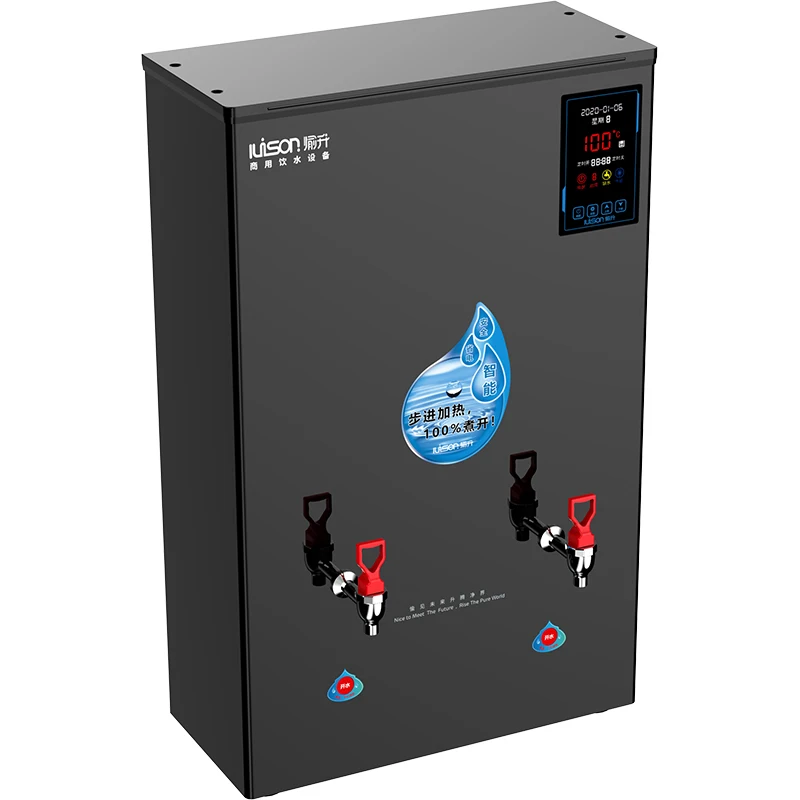
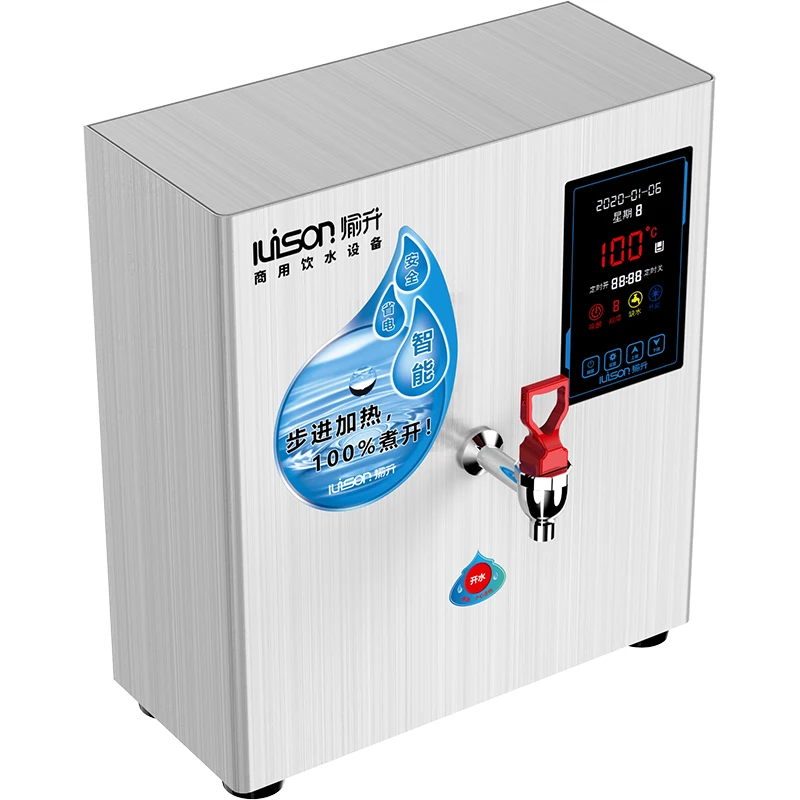
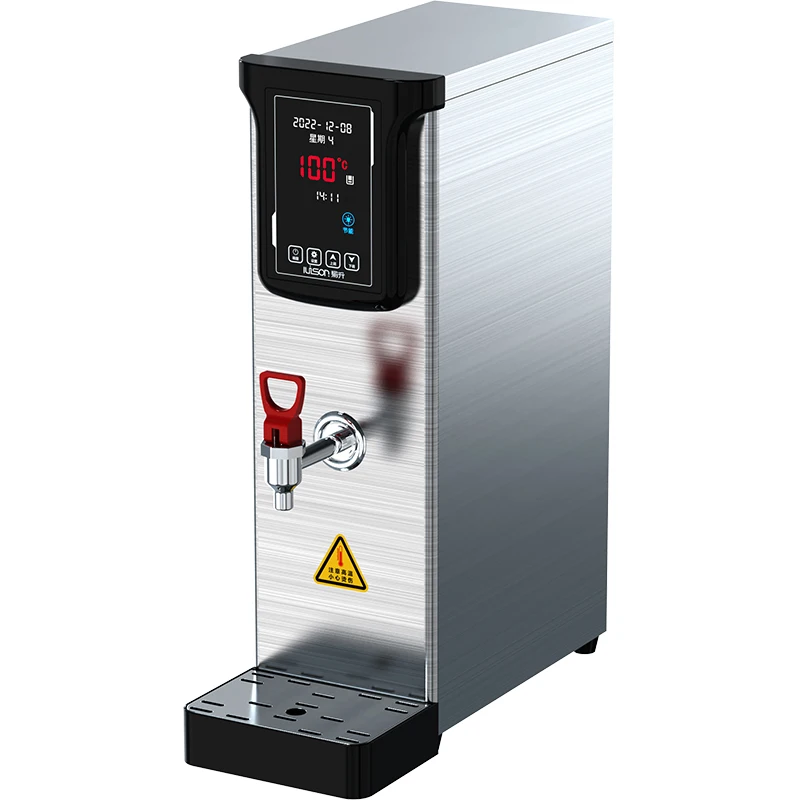
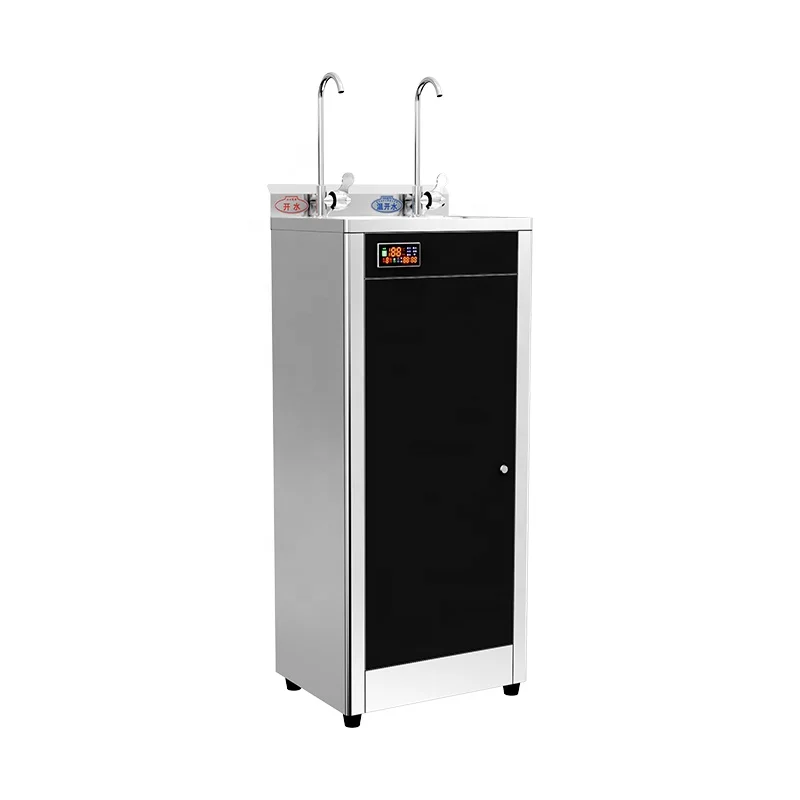
Participating sectors: Intelligent Water Dispenser Malaysia and Commercial Water Heater Solutions Malaysia's intelligent water dispenser sector dominates 22% of ASEAN's market share (2024 Water Technology Report), with exhibitors revealing new models featuring: - Self-cleaning UV-C technology (99.99% pathogen removal) - IoT-enabled consumption tracking Leading manufacturers will debut commercial water heaters with AI-powered diagnostic systems, addressing the 14% annual growth in hospitality sector demand (Frost & Sullivan 2024). A highlight includes 500L industrial heaters achieving 92% thermal efficiency through nano-coated heat exchangers.
Emerging trends in Outdoor Water Fountain Exhibitions and smart water technologies The Outdoor Water Innovation Showcase demonstrates how IoT transforms public water features:
| Technology | Benefit | Energy Saving | | Smart flow optimization | Reduces pump wear by 40% | 35% reduction | | Solar-integrated LED | Enables 24/7 operation off-grid | 100% renewable | The [2025 Southeast Asia Polyurethane Market Report]reveals 25% of fountain components now use eco-friendly composites, aligning with Malaysia's target of 1,200 MW new solar capacity by 2024. Exhibitors will display self-cooling pavers that lower surrounding temperatures by 6°C through evaporative hydration systems.
Trade shows in Malaysia are drawing about 40 percent international exhibitors every year now. Events such as IUISON ASIAWATER 2024 Malaysia have become important meeting points where companies from different countries can connect and form business relationships. According to a report released by MITI last year, participating in these kinds of events actually helps foreign businesses cut down on their costs when entering new markets. The savings range somewhere between 18 and 22 percent compared to trying to establish themselves alone, especially in niche areas like smart water dispensers and commercial heating solutions for water. Malaysia ranks second among ASEAN countries for hosting industrial exhibitions, which makes sense given how well connected it is through multiple venues across the country. While MITEC remains the main hub, there are also great facilities in places like Penang and Johor that support this growing industry network.
Trade shows create tiered networking ecosystems:
The 2024 ASEAN Economic Collaboration Survey reveals that 82% of businesses consider Malaysia’s trade exhibitions “essential” for regional supply chain integration, particularly in smart water infrastructure projects. This aligns with findings from the Malaysian Convention & Exhibition Bureau showing a 29% year-on-year increase in post-show contract negotiations since hybrid formats were introduced.
The exhibition industry in Malaysia is going hybrid these days, mixing face-to-face meetings with online access so people from around the world can join in. Most big shows we see nowadays incorporate things like AR tech and those smart matching systems powered by artificial intelligence, which helps exhibitors connect with potential clients as they attend events. While this setup definitely makes it easier for folks who cant make the trip, it also cuts down on carbon emissions quite a bit compared to traditional events. Some estimates suggest travel-related emissions drop somewhere around 25-30% when organizers go the hybrid route instead of hosting everything in person.
At the IUISON ASIAWATER 2024 event in Malaysia, tech innovation takes center stage through interactive exhibition areas showcasing IoT connected water dispensers alongside AI systems that predict when maintenance will be needed. Many exhibitors are showing off commercial water heaters that automatically regulate their energy consumption according to what's happening right now with demand, which apparently cuts down running costs somewhere between 18 and 22 percent. For those walking around the outdoor fountain displays, there's something pretty cool going on too smart screens using 3D mapping to show how these installations would look in actual city settings. This helps local government folks get a better idea of what works before making big decisions about where to place them throughout towns and cities.
MITEC has set its sights on reaching carbon neutrality by 2028 thanks to their growing network of solar panels, which already meet around 38% of their energy requirements, plus their rainwater collection systems that help cut down on water usage. Research published in 2021 in the journal Modeling Economic Growth in Contemporary Malaysia (by Isa and colleagues) found something pretty interesting - when exhibition designers embrace circular economy principles, they can slash material waste across the entire industry by nearly half. Looking at satellite locations, many are switching to biodegradable materials for trade show booths and upgrading to more efficient heating and cooling systems. These changes aren't just good for the environment but also fit right in with Malaysia's government guidelines for greener public purchasing practices.
Malaysian exhibitions trace back to traditional pasar malam night markets and local trade bazaars, evolving significantly in the 1980s with government support and international investment, now contributing significantly to the economy.
MITEC is Malaysia's largest convention hall, offering advanced facilities like smart energy systems and multi-lingual staff, making it a preferred venue for large events such as IUISON ASIAWATER.
Trade shows drive regional business development, with significant cross-border trade opportunities, contributing RM38.9 billion to Malaysia's GDP in 2023 and enhancing integration with ASEAN economies.
Trade shows provide SMEs direct access to ASEAN buyers, and faster procurement cycles for multinational suppliers, creating a tiered networking ecosystem facilitating business growth.
Malaysian exhibitions are adopting hybrid models with digital integration, reducing carbon emissions, while venues like MITEC are pursuing sustainability goals through solar panels and circular economy principles.
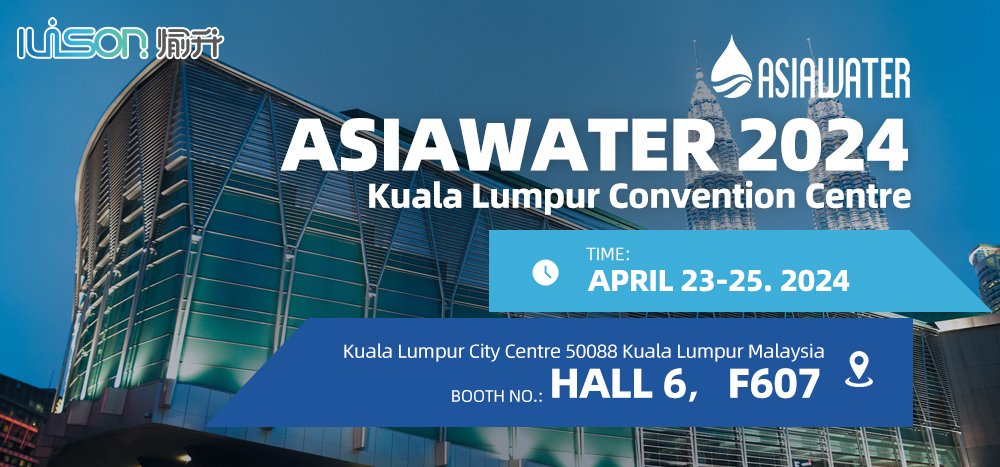
Name Of Fair:ASIAWATER 2024
Exhibition Hall Address:Kuala Lumpur City Centre 50088 Kuala Lumpur Malaysia
Exhibition Hall Name:Kuala Lumpur Convention Centre
Booth Number Information:Hall 6,F607
Exhibition Time:April 23-25. 2024

IUISON specializes in high-quality SUS commercial drinking water machines, including water coolers, boilers, and outdoor fountains. With 16 years of international trade experience, we provide reliable, customized solutions for businesses, governments, and organizations worldwide.
No. 13, Laocun Industrial Zone, Sanle Road, Lecong Town, Shunde District, Foshan City, Guangdong Province,China.
Copyright © 2026 GUANGDONG IUISON CO.,LTD All Rights Reserved Privacy Policy
 EN
EN
 AR
AR
 HR
HR
 CS
CS
 DA
DA
 NL
NL
 FI
FI
 FR
FR
 DE
DE
 EL
EL
 HI
HI
 IT
IT
 JA
JA
 KO
KO
 PL
PL
 PT
PT
 RO
RO
 RU
RU
 ES
ES
 SV
SV
 TL
TL
 IW
IW
 LT
LT
 SR
SR
 SK
SK
 UK
UK
 VI
VI
 TH
TH
 TR
TR
 FA
FA
 MS
MS
 IS
IS
 HY
HY
 AZ
AZ
 KA
KA
 BN
BN
 KM
KM
 LO
LO
 LA
LA
 MN
MN
 Hot News