ECWATECH 2024 stands out as Russia's premier gathering spot for all things water innovation, solidifying its position as the go-to venue for pushing forward advancements in water access and treatment tech across the country. The global water tech market is expected to hit around $131.3 billion by 2034 according to Market.us data from last year, which makes sense why this exhibition has become so important for Russian authorities looking to upgrade their aging infrastructure while bringing in fresh ideas from around the world. A good third of exhibitors at the event are showcasing solutions that can scale up for city water systems, something that's actually grown by about 20% each year since 2022 when local governments started showing more interest in attending these kinds of events.
International collaborations are really taking center stage this year, making up almost half of all new project announcements at around 45%. Take for instance the recent research partnerships forming between local producers and Western European tech companies focused on creating more efficient water dispensers for public spaces outside. Such business arrangements fit right in with Moscow's push to replace imported goods with homegrown solutions, but they also bring in cutting edge smart sensors from abroad that can track water quality as it happens. The combination seems to be working well across multiple sectors right now.
In Moscow, government supported initiatives such as the Unified Water Supply Modernization program account for roughly sixty percent of new bottled water stations being set up across the city. Funding from state sources for these advanced filtration setups jumped around thirty five percent after 2023 began, focusing mainly on getting rid of contaminants with effectiveness rates above ninety nine point seven percent in areas where people gather most often. Looking at what local authorities have found, places that adopted tech showcased at recent exhibitions saw somewhere between eighteen to twenty two percent fewer cases of diseases spread through water when compared with older methods still in use elsewhere.
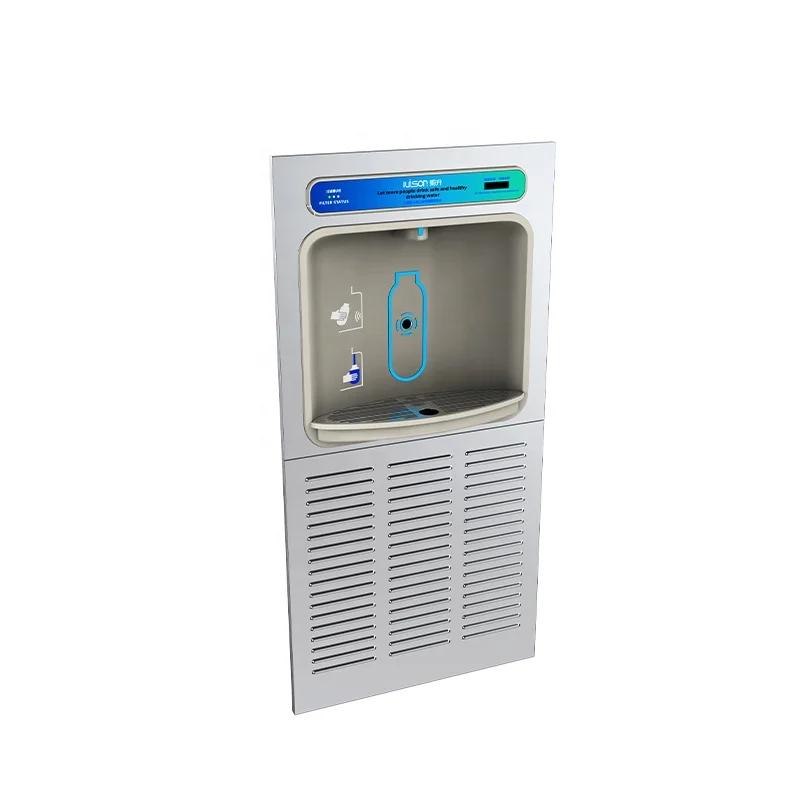
At the 2024 exhibition, there were some pretty impressive developments in bottled water filling stations. Manufacturers are claiming their new models process bottles about 20% quicker while wasting roughly 15% less water than what was available last year. One thing that stands out is these advanced flow control systems which can monitor particles in real time. This matters a lot in places like Moscow where tap water quality varies from day to day. Another big deal is those self cleaning nozzles that stop bacteria from growing when not in use. Makes sense for busy city locations where hundreds of people might pass through each hour. Looking ahead, market analysts think demand will keep rising at around 4.9 percent annually until 2032, mainly because Russia continues investing heavily in upgrading its aging infrastructure according to recent reports from Coherent Market Insights.
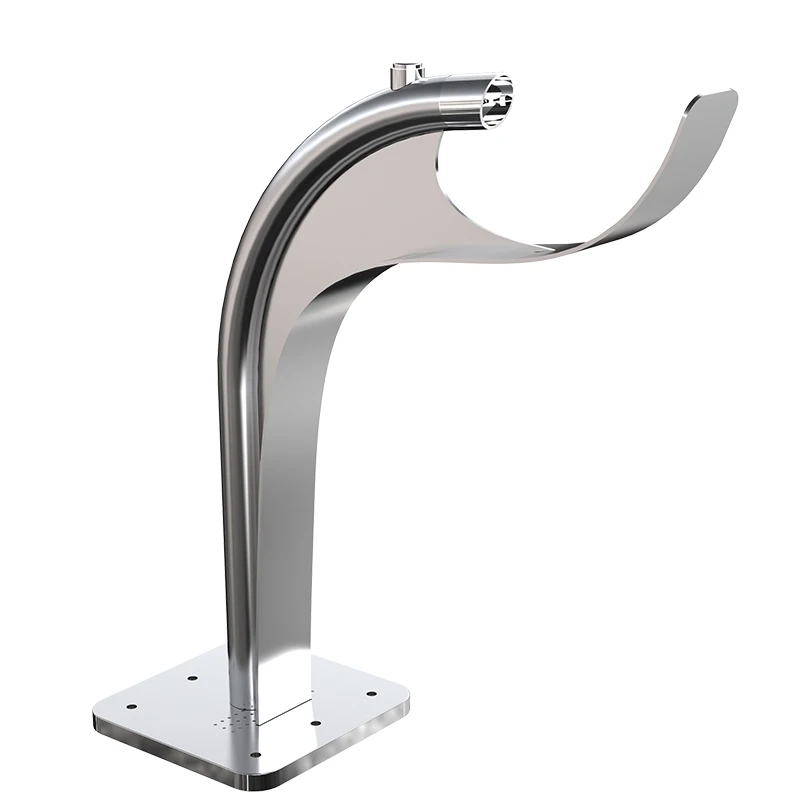
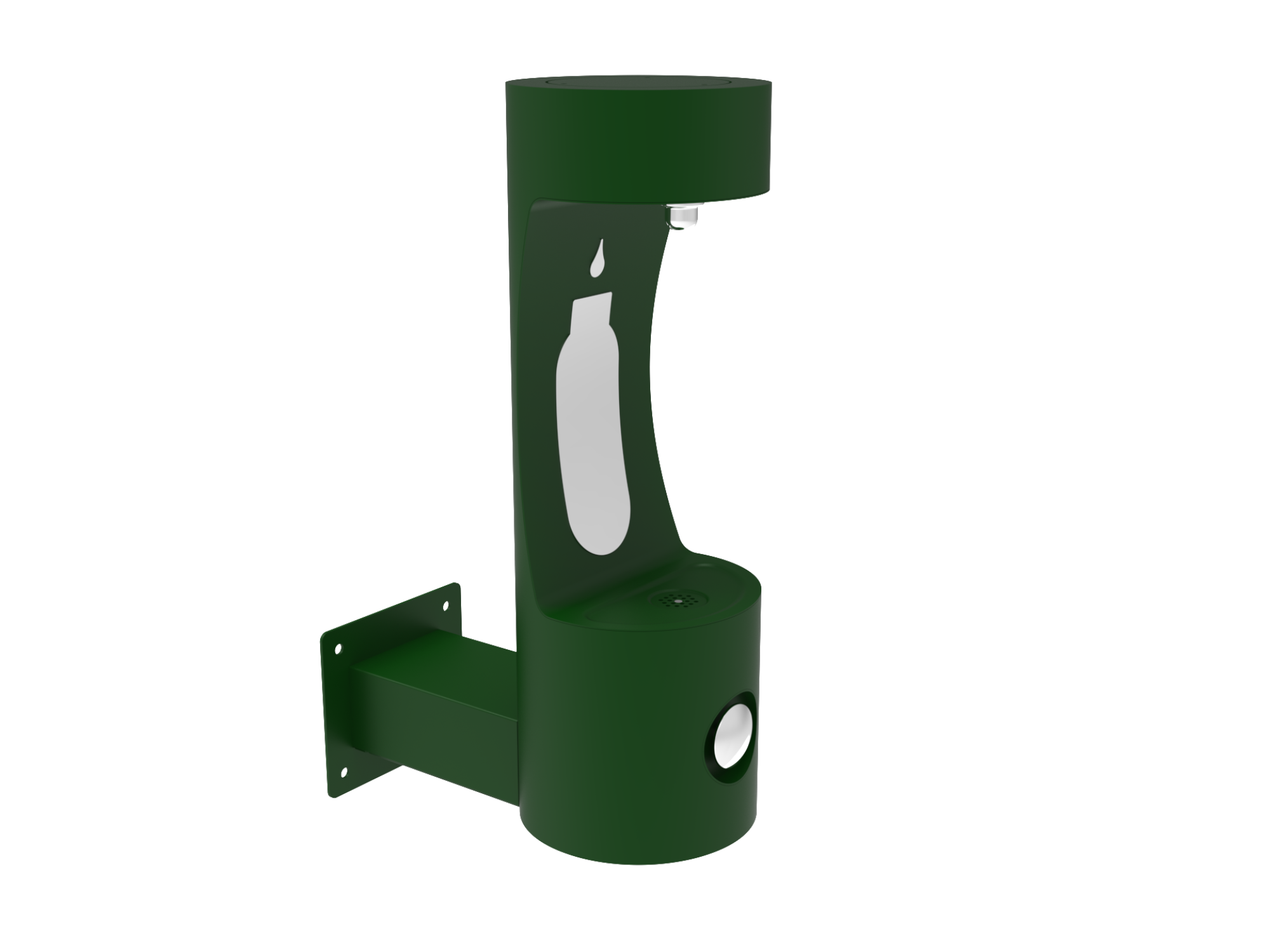
ECWATECH 2024 revealed radical redesigns of outdoor water dispenser units, featuring:
Prototypes demonstrated 98% contamination removal in field tests, even when processing sediment-heavy groundwater. Moscow’s pilot program reported 40% higher public usage rates compared to traditional fountains, with integrated QR codes providing water quality reports to users’ smartphones.
Exhibitors demonstrated predictive maintenance systems where IoT sensors track:
|
Metric |
Improvement vs Manual Checks |
|
Filter lifespan |
+35% accuracy |
|
Energy consumption |
22% reduction |
|
Service response time |
58% faster |
These cloud-connected platforms analyze usage patterns across 15+ parameters, automatically dispatching technicians when components approach failure thresholds. Early adopters in Russian municipalities have reduced downtime incidents by 63% according to 2024 operational data.
The sustainability pavilion featured dispensers using 85% recycled polymers and graphene-enhanced filters lasting 2.5x longer than conventional carbon models. Notable innovations included:
Industry reports indicate 74% of new Russian urban development projects now mandate these energy-efficient systems, aligning with national carbon neutrality targets.
At the ECWATECH 2024 Water Dispenser show, they showcased some pretty impressive filtration systems that can take out nearly all those pesky microplastics and leftover meds from water sources. These new models actually work about 15% better than what was available last year. Many companies at the event were talking up their smart purifiers connected to city water systems, which send instant updates about water quality right to people's phones. Some prototypes even used special graphene oxide membranes that let water flow through 40% quicker without sacrificing much on the removal of heavy metals either. This kind of tech represents a major step forward for cities trying to build greener water systems that still deliver clean drinking water efficiently.
Since early 2023, the introduction of AI driven analytics has cut down on those unexpected repair jobs across Moscow's bottled water distribution system by roughly thirty percent. According to a recent industry analysis from last year, some pretty advanced machine learning systems can now predict when membranes will fail about two weeks ahead of time. This gives technicians plenty of warning before problems occur, which means companies spend about a quarter less on fixing issues at those busy outdoor drinking stations. What we're seeing here actually fits right into Russia's broader plan for implementing smarter water infrastructure throughout areas hit hardest by changing climate conditions.
While automation improves consistency, 58% of regional service providers cited retraining gaps for AI-augmented systems during ECWATECH roundtables. Hybrid maintenance models—pairing automated diagnostics with localized repair teams—emerged as a key solution to preserve jobs while adopting predictive technologies.
Nanocomposite materials displayed at the event achieved 99.2% removal of emerging contaminants like PFAS, outperforming traditional activated carbon by 18%. Solar-powered desalination units integrated with these filters showcased self-sufficient operation, addressing water scarcity in remote Arctic communities through decentralized systems.
Russian cities have started putting outdoor water dispensers in place throughout their urban landscapes. More than 1,200 of these units have been set up in busy spots around town since last year. Made from durable stainless steel, these dispensers can handle cold weather conditions while meeting accessibility standards for people with disabilities. Places such as Kazan and Nizhny Novgorod see between 300 to 500 individuals using them each day. According to findings from the Urban Hydration Report released in 2023, areas where these dispensers were placed at transport centers saw about forty percent less plastic bottle waste being thrown away compared to before installation.
Moscow’s six-month pilot deployed 45 automated filling stations at metro stations and parks, processing 18,000 liters monthly. The touchless interface reduced contamination risks by 62% compared to traditional fountains, while real-time usage dashboards helped optimize cleaning schedules. Early data shows 73% user preference for chilled water options during summer months.
Usage patterns reveal:
Carbon impact assessments indicate each station prevents 1.2 tons of CO2 emissions annually through reduced bottle production and transportation.
New prototypes unveiled at ECWATECH 2024 feature heated bases for -30°C operation and braille/audio guidance systems. Wind tunnel testing confirms structural stability at 25 m/s speeds, while modular filtration racks enable rapid cartridge swaps during peak demand periods.
The ECWATECH 2024 event shows something interesting happening with Soviet style architecture making a comeback in how companies set up their exhibition spaces. Many booths are going back to those clean lines and practical designs we associate with old Soviet buildings. About 4 out of 10 exhibitors brands (that's roughly 40%) are using big blocks of concrete and sticking to simple colors like gray or white, which actually matches what we see in many new government buildings across Russia right now. A recent report from 2023 looking at how Soviet culture still influences things today points out that this kind of design focuses first on what works best, but somehow manages to make people remember those days when industry was growing fast under state control. Makes sense when you think about it since the whole point of ECWATECH is showing water treatment solutions that can scale up easily. Look at those bottling stations and filters they display there the shapes and materials chosen definitely put practicality ahead of fancy looks.
Water filtration equipment displays go full Brutalist, with lots of raw materials on show like exposed steel and prefab concrete that really highlights how tough modern filtration systems need to be. The exhibition floor is all angles and modules, looking super efficient industrially speaking. This style definitely takes cues from those old Soviet infrastructure projects back in the day when they built things to last forever. Beyond just showing off reliable tech, these designs actually let visitors walk through spaces where they can feel the relationship between big structures and open areas that makes Brutalism so interesting philosophically.
The ECWATECH 2024 exhibition takes a fresh look at Russian Futurism from the early 1900s, bringing it back to life with all sorts of high tech installations. Artists drawing inspiration from pioneers like Natalia Goncharova have created eye catching displays filled with sharp angles and moving sculptures that actually show how water flows and gets filtered. Some folks did a pretty thorough study on Russian Futurism, pointing out that around two thirds of what we see here this year shows the same mix of artistic flair and engineering smarts that defined the original movement. There are these amazing projections showing contaminants being removed, plus models that spin around while dispensing water, really capturing those old Futurist dreams about machines and movement. What's fascinating is how these technical details get turned into stories people can connect with when they walk through the exhibit space.
ECWATECH 2024 is a premier exhibition in Russia focusing on advancements in water access and treatment technology, showcasing innovative solutions from both Russian and international water tech providers.
The global water tech market is estimated to reach approximately $131.3 billion by 2034, highlighting the importance of innovations showcased at events like ECWATECH 2024.
The exhibition sees strategic collaborations between Russian and international companies, with notable partnerships forming to enhance water dispenser technology through smart sensors and IoT integration.
The Russian government supports initiatives like the Unified Water Supply Modernization program to enhance public water access and treatment, significantly investing in filtration setups to reduce contamination.
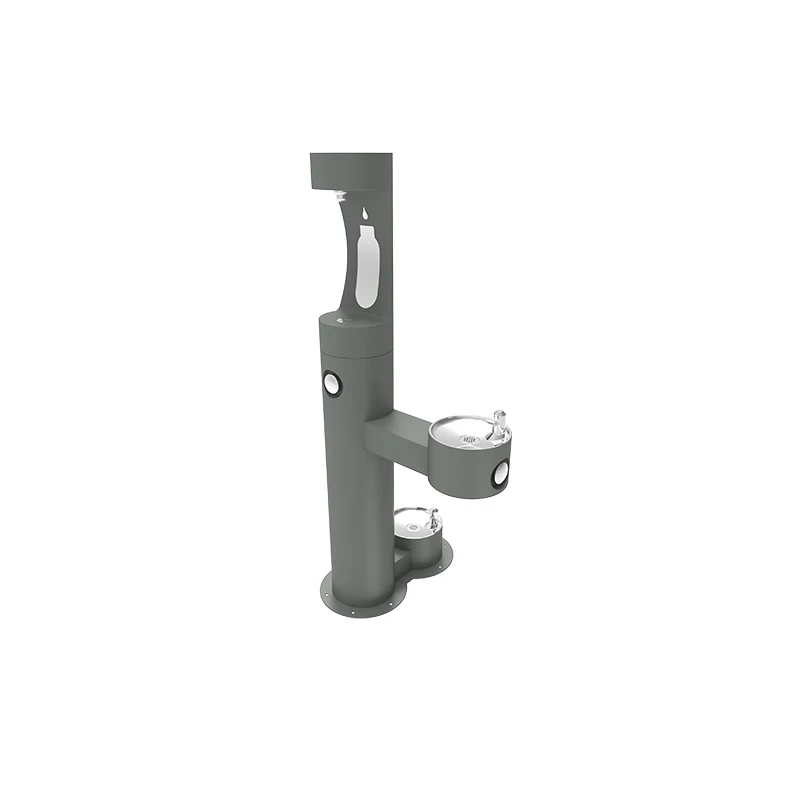
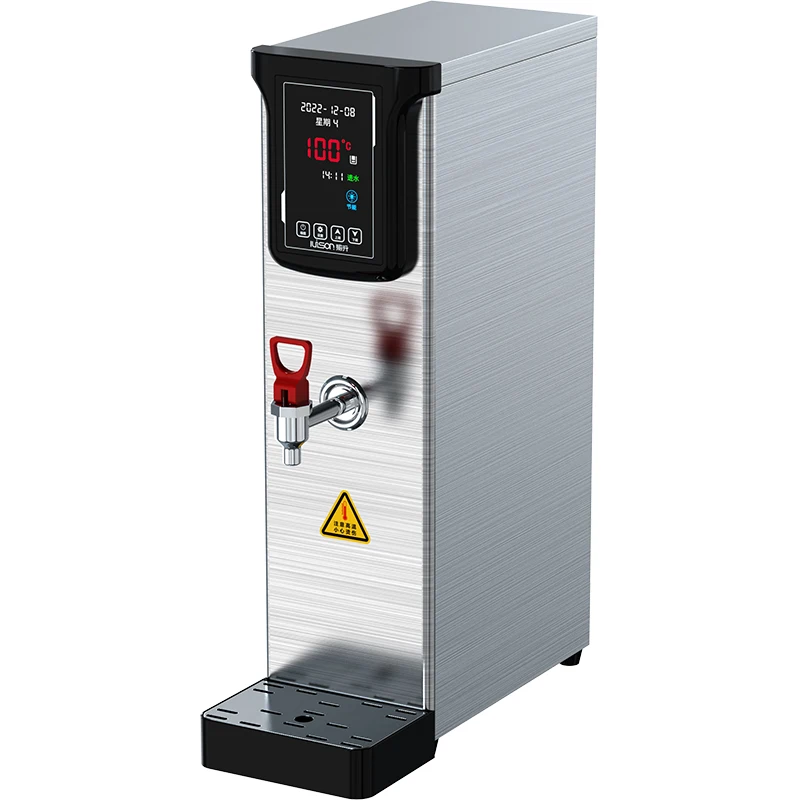
Innovations include faster processing models, advanced flow control systems, self-cleaning nozzles, and energy-efficient designs using recycled materials. ECWATECH 2024 showcases outdoor dispensers with vandal-resistant bodies, solar-powered systems, and ADA-compliant features.
While automation improves operational efficiency, it poses challenges in retraining local workforces. Hybrid maintenance models that pair AI diagnostics with localized repair teams help balance automation with workforce needs.
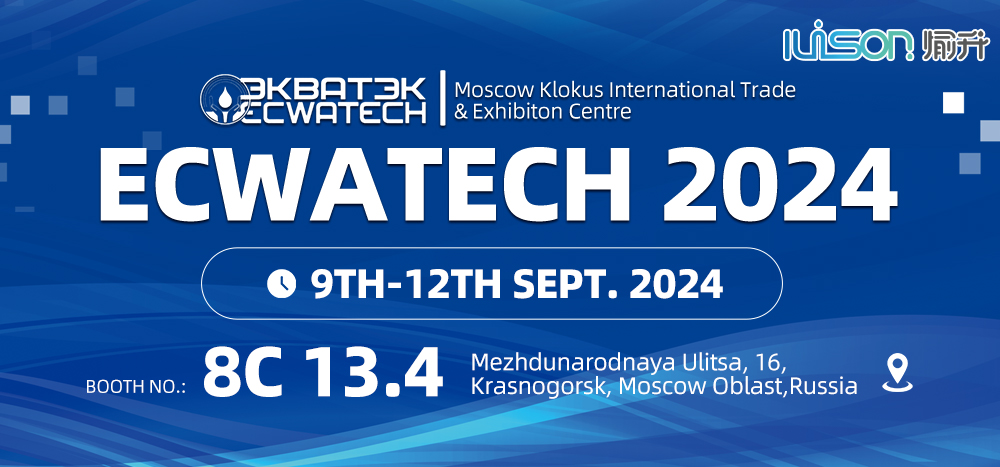
Name Of Fair:ECWATECH 2024
Exhibition Hall Address:Mezhdunarodnaya Ulitsa, 16, Krasnogorsk, Moscow Oblast,Russia
Exhibition Hall Name:Moscow Klokus International Trade & Exhibiton Centre
Booth Number Information:8C 13.4
Exhibition Time:9th-12th Sept. 2024

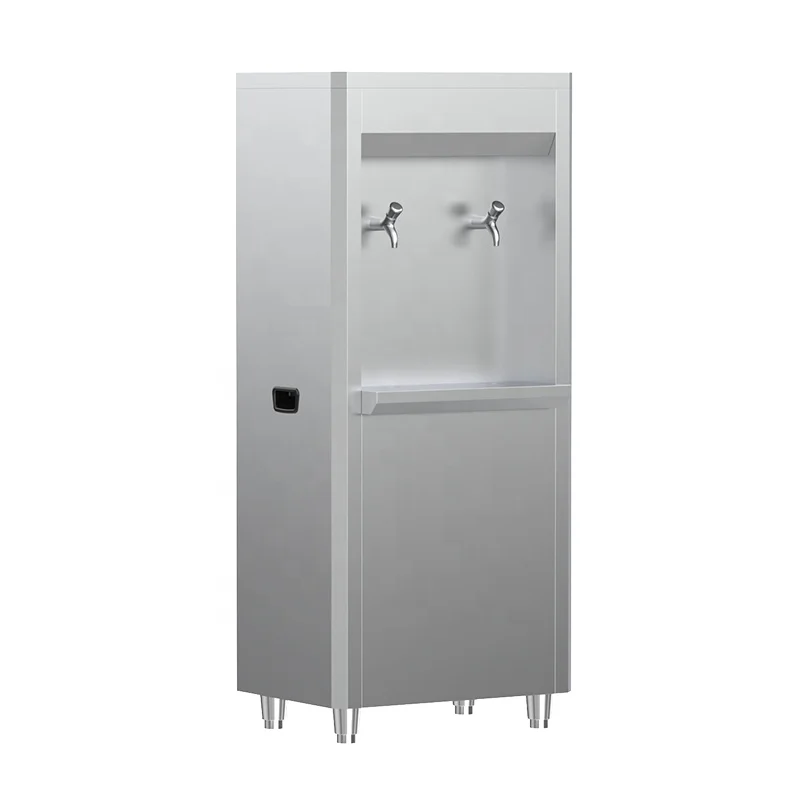
IUISON specializes in high-quality SUS commercial drinking water machines, including water coolers, boilers, and outdoor fountains. With 16 years of international trade experience, we provide reliable, customized solutions for businesses, governments, and organizations worldwide.
No. 13, Laocun Industrial Zone, Sanle Road, Lecong Town, Shunde District, Foshan City, Guangdong Province,China.
Copyright © 2026 GUANGDONG IUISON CO.,LTD All Rights Reserved Privacy Policy
 EN
EN
 AR
AR
 HR
HR
 CS
CS
 DA
DA
 NL
NL
 FI
FI
 FR
FR
 DE
DE
 EL
EL
 HI
HI
 IT
IT
 JA
JA
 KO
KO
 PL
PL
 PT
PT
 RO
RO
 RU
RU
 ES
ES
 SV
SV
 TL
TL
 IW
IW
 LT
LT
 SR
SR
 SK
SK
 UK
UK
 VI
VI
 TH
TH
 TR
TR
 FA
FA
 MS
MS
 IS
IS
 HY
HY
 AZ
AZ
 KA
KA
 BN
BN
 KM
KM
 LO
LO
 LA
LA
 MN
MN
 Hot News