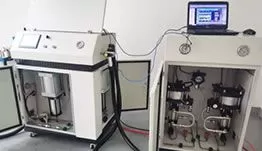
The Strategic Advantages of Wall Mounted Drinking Fountains for Institutional Buyers
Space-Saving Design for High-Traffic Environments
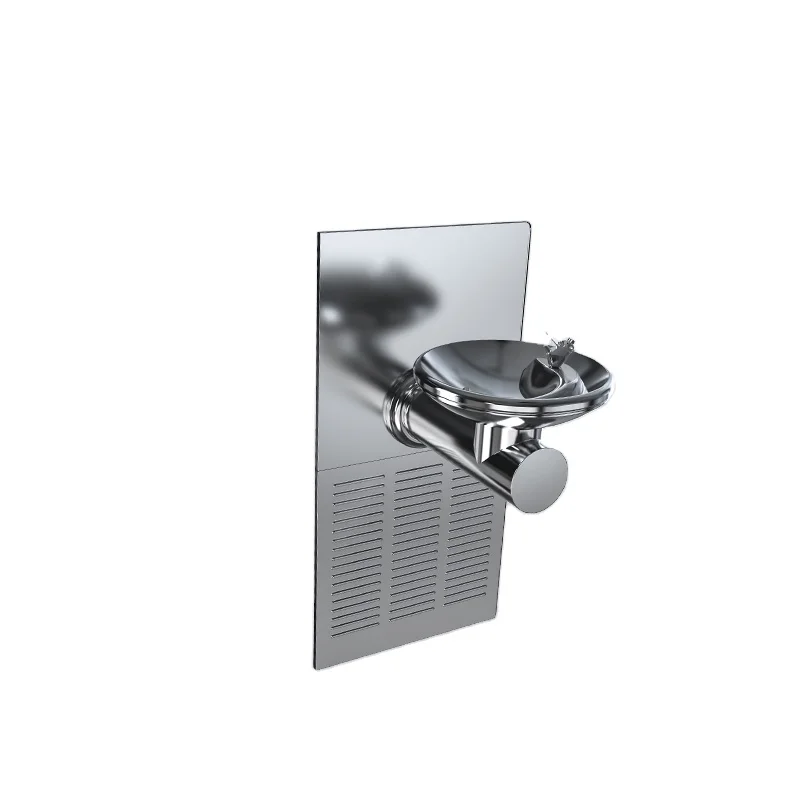
Wall mounted drinking fountains could revolutionize space utilization in institutional settings where floor space comes at a premium. Unlike freestanding units, these fixtures may be installed along corridors, lobbies, or transitional zones without impeding foot traffic – a crucial consideration for schools navigating between class periods or hospitals maintaining clear emergency pathways. The vertical mounting system might particularly benefit historic buildings where retrofitting plumbing proves challenging.
Hygiene-First Solutions for Sensitive Environments
Modern institutions increasingly prioritize touchless hydration solutions. Wall mounted models with infrared sensors could minimize surface contact points, while antimicrobial copper or stainless steel surfaces may suppress bacterial growth – critical features for healthcare facilities managing immunocompromised populations. Some configurations even incorporate vandal-resistant nozzles, potentially reducing maintenance costs in correctional facilities or public transit hubs.
Regulatory Compliance Made Simple
These systems often address multiple compliance requirements simultaneously. ADA-approved models typically feature height-adjustable spouts and proper knee clearance, while backflow prevention mechanisms could satisfy municipal water safety codes. For international projects, certain manufacturers offer configurations meeting both ANSI and ISO accessibility standards, simplifying procurement for global institutions.
Sustainability That Aligns With ESG Goals
Forward-thinking institutions might leverage wall mounted fountains to demonstrate environmental stewardship. Integrated water meters can track consumption for sustainability reporting, while automatic shut-off valves may reduce waste by up to 50% compared to conventional fixtures. In corporate campuses pursuing LEED certification, these units frequently contribute to water efficiency credits.
Durability That Withstands Institutional Demands
Commercial-grade construction ensures longevity in demanding environments. Heavy-duty brass valves rated for millions of cycles could outlast residential components, while reinforced mounting brackets might withstand constant use in university dormitories. The absence of external plumbing connections potentially reduces leak risks – a valuable feature for multi-story installations.
Customization for Institutional Identity
Beyond functionality, these fixtures can reinforce brand identity. Powder-coated finishes might match school colors, while laser-etched logos could enhance corporate campus aesthetics. Some models even accommodate modular upgrades – a future-proof feature for institutions planning phased technology integrations like IoT water monitoring.
Proven Applications Across Sectors
Educational institutions frequently deploy these units at varying heights to serve different age groups, while airports might opt for stainless steel models with quick-disconnect features for seasonal maintenance. In one documented case, a hospital network reduced hydration-related nurse calls by 30% after installing wall mounted units outside patient rooms – demonstrating how strategic placement can impact operational efficiency.
The Smart Choice for Institutional Water Management
For facility managers evaluating long-term value, wall mounted drinking fountains present a compelling proposition. Their space-efficient design could lower installation costs compared to floor models, while standardized components might simplify maintenance across multiple buildings. As institutions increasingly seek hydration solutions that balance hygiene, accessibility, and sustainability, these vertically mounted systems continue gaining strategic importance in facility planning.
The evolution from mere utilities to integrated water management platforms suggests wall mounted drinking fountains will remain central to institutional infrastructure projects. Forward-looking specifications now consider not just immediate needs, but how these systems might adapt to future water conservation technologies and smart building integrations.

IUISON specializes in high-quality SUS commercial drinking water machines, including water coolers, boilers, and outdoor fountains. With 16 years of international trade experience, we provide reliable, customized solutions for businesses, governments, and organizations worldwide.
No. 13, Laocun Industrial Zone, Sanle Road, Lecong Town, Shunde District, Foshan City, Guangdong Province,China.
Copyright © 2026 GUANGDONG IUISON CO.,LTD All Rights Reserved Privacy Policy
 EN
EN
 AR
AR
 HR
HR
 CS
CS
 DA
DA
 NL
NL
 FI
FI
 FR
FR
 DE
DE
 EL
EL
 HI
HI
 IT
IT
 JA
JA
 KO
KO
 PL
PL
 PT
PT
 RO
RO
 RU
RU
 ES
ES
 SV
SV
 TL
TL
 IW
IW
 LT
LT
 SR
SR
 SK
SK
 UK
UK
 VI
VI
 TH
TH
 TR
TR
 FA
FA
 MS
MS
 IS
IS
 HY
HY
 AZ
AZ
 KA
KA
 BN
BN
 KM
KM
 LO
LO
 LA
LA
 MN
MN
 Hot News