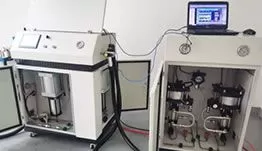
The Rising Need for Customized Bottle Filling Stations in Sustainable Commercial Spaces
As businesses increasingly prioritize sustainability, Bottle Filling Stations have become a cornerstone of eco-conscious facility design. These systems not only reduce plastic waste but also offer long-term cost efficiencies, making them a strategic investment for forward-thinking organizations.
The shift toward sustainable hydration solutions stems from multiple factors:
Unlike standard water dispensers, commercial-grade bottle filling stations are designed for durability and high traffic, making them ideal for offices, schools, and healthcare environments.
Different sectors require tailored features to maximize functionality:
When evaluating Bottle Filling Stations, procurement teams should assess:
Some facilities might prioritize retrofit kits to upgrade existing fountains, while others could opt for standalone stations with advanced purification.
Emerging trends that could shape the next generation of Bottle Filling Stations include:
As regulations tighten and sustainability benchmarks rise, businesses that invest early in scalable hydration infrastructure could gain a competitive edge.

IUISON specializes in high-quality SUS commercial drinking water machines, including water coolers, boilers, and outdoor fountains. With 16 years of international trade experience, we provide reliable, customized solutions for businesses, governments, and organizations worldwide.
No. 13, Laocun Industrial Zone, Sanle Road, Lecong Town, Shunde District, Foshan City, Guangdong Province,China.
Copyright © 2026 GUANGDONG IUISON CO.,LTD All Rights Reserved Privacy Policy
 EN
EN
 AR
AR
 HR
HR
 CS
CS
 DA
DA
 NL
NL
 FI
FI
 FR
FR
 DE
DE
 EL
EL
 HI
HI
 IT
IT
 JA
JA
 KO
KO
 PL
PL
 PT
PT
 RO
RO
 RU
RU
 ES
ES
 SV
SV
 TL
TL
 IW
IW
 LT
LT
 SR
SR
 SK
SK
 UK
UK
 VI
VI
 TH
TH
 TR
TR
 FA
FA
 MS
MS
 IS
IS
 HY
HY
 AZ
AZ
 KA
KA
 BN
BN
 KM
KM
 LO
LO
 LA
LA
 MN
MN
 Hot News