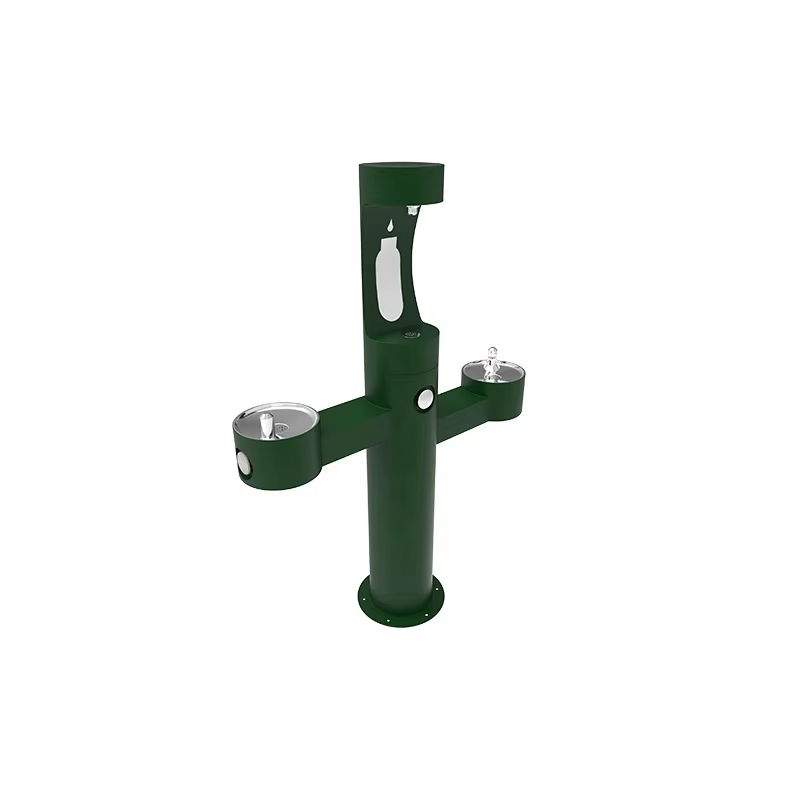
Maintaining an outdoor drinking fountain requires consistent attention to detail and proper care to ensure users have access to clean, safe water. These public water dispensers face unique challenges from weather exposure, heavy usage, and potential contamination sources that demand proactive maintenance strategies. Proper upkeep not only extends the lifespan of your fountain but also protects public health and maintains compliance with safety regulations.
Begin each day with a thorough visual inspection of your outdoor drinking fountain to identify any obvious issues or damage. Check for cracks in the basin, loose components, or signs of vandalism that could compromise functionality or safety. Examine the water flow pattern and pressure to ensure consistent performance throughout operating hours. Document any irregularities in a maintenance log to track patterns and schedule appropriate repairs.
Surface cleaning should occur multiple times daily, especially during peak usage periods. Use approved disinfectants to wipe down all touchable surfaces including the activation button, spout area, and basin rim. Pay special attention to areas where users frequently place their hands or bottles, as these contact points harbor the most bacteria and germs. Remove any debris, leaves, or foreign objects that may have accumulated around the unit.
Test water quality parameters at least once daily using appropriate testing kits or digital meters. Monitor chlorine levels, pH balance, and turbidity to ensure the water meets safe drinking standards. Record these measurements in your maintenance log and compare them to established baseline values for your water supply. Any significant deviations should trigger immediate investigation and corrective action.
Check water temperature regularly, particularly during extreme weather conditions when ambient temperatures can affect the cooling system performance. An outdoor drinking fountain should maintain water temperature between 50-60 degrees Fahrenheit for optimal user experience. Adjust temperature settings as needed and verify that cooling mechanisms are functioning properly.
Perform comprehensive disinfection procedures weekly to eliminate bacteria, viruses, and other microorganisms that may accumulate despite daily cleaning efforts. Disconnect the power supply and water source before beginning deep cleaning procedures to ensure safety and prevent accidental activation. Use EPA-approved disinfectants specifically designed for drinking water systems and follow manufacturer instructions for proper dilution ratios.
Disassemble removable components such as the spout nozzle, splash guard, and drain covers for thorough cleaning. Soak these parts in disinfectant solution for the recommended contact time, typically 10-15 minutes, then scrub with brushes to remove biofilm and mineral deposits. Rinse thoroughly with clean water and allow components to air dry completely before reassembly.
Inspect and service water filtration systems according to manufacturer specifications and local water quality conditions. Remove and examine filter cartridges for signs of clogging, discoloration, or damage that could compromise water quality or flow rate. Replace filters at recommended intervals or when performance indicators suggest reduced effectiveness, whichever comes first.
Clean filter housings with appropriate cleaning solutions to remove sediment and bacterial growth that can occur over time. Check O-rings and seals for proper condition and replace if they show signs of wear or damage. Properly prime the filtration system after maintenance to eliminate air pockets and ensure optimal performance when the unit returns to service.
Prepare outdoor drinking fountains for winter conditions by implementing freeze protection measures appropriate for your climate zone. Drain all water lines and components that could freeze and cause expensive damage during cold weather periods. Install insulation around exposed pipes and add heat tape to vulnerable sections where complete drainage is not possible.
Check and test freeze protection systems including heat cables, thermostats, and insulation materials before the onset of freezing temperatures. Program temperature controls to activate heating elements when ambient temperatures approach freezing, ensuring consistent protection throughout winter months. Consider seasonal shutdown procedures for fountains in extremely cold climates where continuous operation is not feasible.
During hot summer months, outdoor drinking fountains experience increased demand and stress from high usage volumes and elevated temperatures. Inspect cooling system components more frequently to ensure adequate performance under heavy load conditions. Clean condenser coils and fans to maintain efficient heat transfer and prevent overheating issues that could lead to system failures.
Monitor water pressure and flow rates during peak usage periods to identify any performance degradation. High demand can reveal underlying issues with pumps, pressure regulators, or supply lines that may not be apparent during normal operating conditions. Adjust system settings to accommodate increased usage while maintaining consistent water quality and temperature standards.
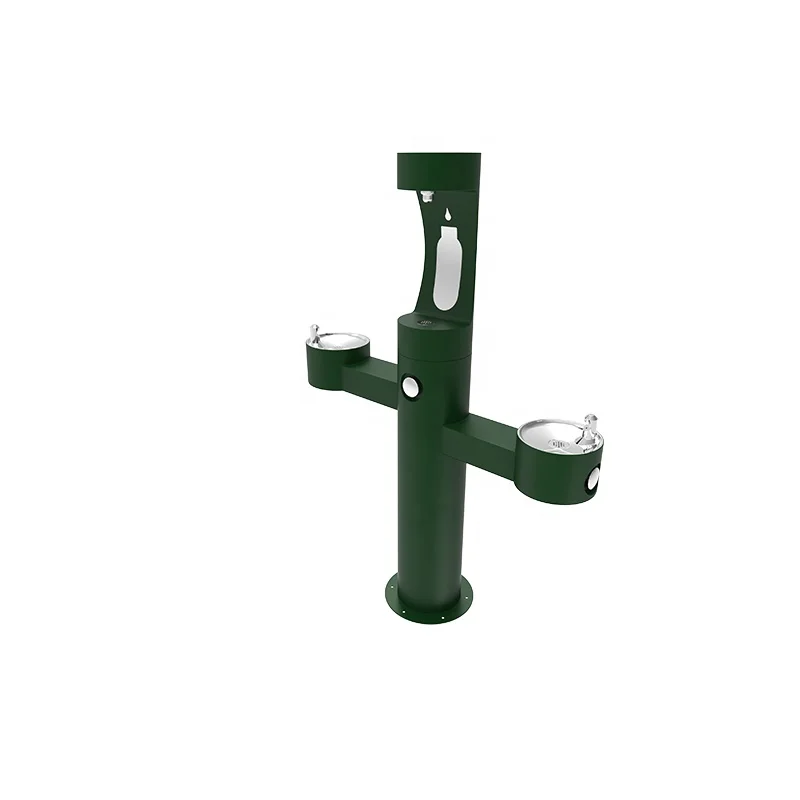
Low water pressure in outdoor drinking fountains can result from various causes including clogged aerators, damaged pressure regulators, or supply line restrictions. Begin troubleshooting by checking the most accessible components first, such as cleaning or replacing the spout aerator which commonly becomes blocked with mineral deposits or debris.
Examine pressure regulator settings and functionality to ensure proper operation within design parameters. Test upstream water pressure to determine if the issue originates from the supply system or fountain components. Document pressure readings at various points in the system to identify the location of restrictions or failures requiring repair or replacement.
Temperature control problems often manifest as water that is too warm or excessively cold, indicating issues with the cooling system or thermostat calibration. Check refrigeration components including compressor operation, refrigerant levels, and evaporator coil condition. Clean dirty coils and replace worn components as needed to restore proper cooling capacity.
Verify thermostat accuracy using calibrated temperature measuring devices and adjust settings according to manufacturer specifications. Inspect electrical connections and control circuits for loose wires or corroded contacts that could affect temperature control system performance. Consider environmental factors such as direct sunlight exposure or wind patterns that may influence temperature regulation effectiveness.
Develop detailed maintenance schedules that address all aspects of outdoor drinking fountain care from daily cleaning tasks to annual system overhauls. Assign specific responsibilities to qualified personnel and establish clear procedures for each maintenance activity. Include frequency requirements, required tools and materials, and documentation procedures to ensure consistency and accountability.
Integrate maintenance scheduling with facility management systems to coordinate fountain service with other infrastructure maintenance activities. Consider seasonal variations in usage patterns and environmental conditions when planning maintenance intervals. Build flexibility into schedules to accommodate emergency repairs and unexpected service requirements without disrupting regular maintenance routines.
Maintain detailed records of all maintenance activities, repairs, and performance measurements to track fountain condition over time and identify recurring issues. Use standardized forms or digital systems to capture consistent information including dates, personnel involved, actions taken, and materials used. Review maintenance logs regularly to identify trends and optimize maintenance procedures.
Document warranty information, service manuals, and vendor contact details in easily accessible formats for maintenance personnel. Keep records of water quality test results to demonstrate compliance with health regulations and identify gradual changes in water characteristics that may require system adjustments or additional treatment measures.
Filter replacement frequency depends on water quality conditions and usage volume, but most outdoor drinking fountain filters should be replaced every 3-6 months under normal conditions. High-usage installations or areas with poor water quality may require more frequent replacement, potentially every 1-2 months. Monitor flow rate and water taste as indicators of filter condition, and replace immediately if either shows significant deterioration.
Use only EPA-approved disinfectants specifically designed for drinking water contact surfaces when cleaning outdoor drinking fountains. Avoid harsh chemicals, bleach solutions stronger than recommended concentrations, or products containing harmful additives that could contaminate drinking water. Always rinse thoroughly after applying cleaning products and allow surfaces to air dry completely before returning the unit to service.
Install security features such as tamper-resistant hardware, protective enclosures, and surveillance systems to deter vandalism of outdoor drinking fountains. Choose fountain designs with minimal protruding parts that could be easily damaged or removed. Implement regular security patrols and maintain good lighting around fountain locations to discourage destructive behavior while encouraging legitimate use.
Immediately discontinue fountain use and post appropriate warnings if water develops unusual taste or odors that could indicate contamination. Test water quality parameters and contact qualified water treatment professionals to identify the source of the problem. Replace filters, disinfect the system, and conduct thorough testing before returning the fountain to service to ensure user safety and regulatory compliance.

IUISON specializes in high-quality SUS commercial drinking water machines, including water coolers, boilers, and outdoor fountains. With 16 years of international trade experience, we provide reliable, customized solutions for businesses, governments, and organizations worldwide.
No. 13, Laocun Industrial Zone, Sanle Road, Lecong Town, Shunde District, Foshan City, Guangdong Province,China.
Copyright © 2026 GUANGDONG IUISON CO.,LTD All Rights Reserved Privacy Policy
 EN
EN
 AR
AR
 HR
HR
 CS
CS
 DA
DA
 NL
NL
 FI
FI
 FR
FR
 DE
DE
 EL
EL
 HI
HI
 IT
IT
 JA
JA
 KO
KO
 PL
PL
 PT
PT
 RO
RO
 RU
RU
 ES
ES
 SV
SV
 TL
TL
 IW
IW
 LT
LT
 SR
SR
 SK
SK
 UK
UK
 VI
VI
 TH
TH
 TR
TR
 FA
FA
 MS
MS
 IS
IS
 HY
HY
 AZ
AZ
 KA
KA
 BN
BN
 KM
KM
 LO
LO
 LA
LA
 MN
MN
 Hot News