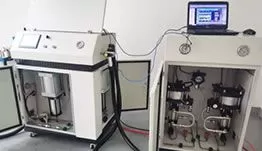
Modern commercial and residential buildings increasingly prioritize energy efficiency, making the selection of water cooling systems a critical decision for facility managers and homeowners alike. Traditional water dispensers often consume excessive electricity while providing inconsistent temperature control, leading to higher utility costs and environmental impact. Understanding which water cooler technologies deliver optimal energy performance helps organizations and individuals make informed decisions that reduce operational expenses while maintaining reliable hydration solutions. The evolution of cooling technology has introduced several innovative approaches that significantly outperform conventional systems in terms of power consumption and temperature stability.
Variable speed compressor technology represents a significant advancement in water cooling efficiency, automatically adjusting cooling capacity based on demand rather than operating at constant maximum power. These systems monitor water temperature continuously and modulate compressor speed to maintain optimal cooling levels while minimizing energy consumption. Unlike traditional fixed-speed compressors that cycle on and off frequently, variable speed units operate smoothly at lower power levels during periods of reduced demand. This approach reduces electrical consumption by up to forty percent compared to conventional systems while extending equipment lifespan through reduced mechanical stress.
The implementation of variable speed technology requires sophisticated control systems that monitor multiple parameters including ambient temperature, water flow rates, and usage patterns. Advanced sensors provide real-time feedback to microprocessor-based controllers that optimize compressor operation for maximum efficiency. These systems also incorporate predictive algorithms that anticipate cooling demands based on historical usage data, allowing proactive adjustments that further enhance energy performance. Installation of variable speed compressor units typically requires minimal modifications to existing infrastructure while delivering substantial long-term operating cost reductions.
Modern water cooling systems utilize advanced refrigerant formulations specifically designed to maximize heat transfer efficiency while minimizing environmental impact. These next-generation refrigerants operate at lower pressures and temperatures than traditional coolants, reducing the energy required for compression and heat exchange processes. R-290 and R-600a refrigerants demonstrate exceptional thermodynamic properties that enable more efficient cooling cycles with reduced power consumption. The adoption of these environmentally friendly refrigerants also ensures compliance with evolving environmental regulations while delivering superior energy performance.
Refrigerant selection significantly impacts overall system efficiency through its influence on heat transfer characteristics and operating pressures. High-performance refrigerants enable more compact heat exchanger designs that reduce material costs and improve thermal conductivity. These formulations also maintain stable performance across wider temperature ranges, ensuring consistent efficiency regardless of ambient conditions. Regular maintenance protocols for advanced refrigerant systems focus on leak prevention and proper charging procedures to maintain optimal performance throughout the equipment lifecycle.
Microchannel heat exchangers revolutionize water cooling efficiency through dramatically increased surface area contact between refrigerant and cooling medium. These compact designs feature hundreds of parallel channels with diameters measured in millimeters, creating exponentially more heat transfer opportunities within the same physical footprint. The enhanced surface area enables more effective thermal exchange with reduced refrigerant charge requirements and lower pressure drops throughout the cooling circuit. Manufacturing precision ensures consistent channel dimensions that optimize fluid dynamics and heat transfer coefficients across all operating conditions.
Implementation of microchannel technology requires careful consideration of water quality and filtration systems to prevent channel blockage from mineral deposits or contaminants. Regular maintenance protocols include specialized cleaning procedures that maintain optimal heat transfer performance without damaging delicate channel structures. The compact design of microchannel exchangers also enables more flexible installation configurations, including space-saving under counter water cooler arrangements that maximize available floor space while delivering superior cooling efficiency.
Thermosiphon cooling systems harness natural convection principles to reduce or eliminate mechanical cooling requirements during favorable ambient conditions. These passive cooling mechanisms operate without electrical input by utilizing density differences between warm and cool water to create circulation patterns that dissipate heat through strategically positioned heat exchangers. Integration with active cooling systems provides hybrid operation that automatically switches between passive and mechanical cooling based on thermal loads and environmental conditions. This approach significantly reduces energy consumption during cooler periods while maintaining consistent water temperatures throughout seasonal variations.
Effective thermosiphon implementation requires careful system design that optimizes heat exchanger placement and circulation pathways for maximum natural convection efficiency. Thermal modeling software helps engineers determine optimal configurations that balance passive cooling capacity with space constraints and installation requirements. These systems particularly benefit applications with variable cooling loads or locations with significant diurnal temperature variations that create extended periods suitable for passive operation.
Artificial intelligence integration transforms water cooling efficiency through adaptive learning systems that continuously optimize performance based on usage patterns and environmental conditions. These sophisticated algorithms analyze historical consumption data, ambient temperatures, and user behavior to predict cooling demands and preemptively adjust system operation for maximum efficiency. Machine learning capabilities enable progressive improvement in energy management as systems accumulate operational experience and refine predictive accuracy. The implementation of neural networks allows controllers to identify complex patterns in cooling requirements that traditional programming approaches cannot detect.
Smart control systems incorporate multiple sensors that monitor water temperature, flow rates, ambient conditions, and electrical consumption to provide comprehensive performance feedback. Real-time data processing enables immediate adjustments to cooling parameters that maintain optimal efficiency while ensuring consistent water temperature delivery. Cloud connectivity allows remote monitoring and system optimization through centralized management platforms that can oversee multiple installations simultaneously. These advanced control capabilities reduce energy consumption by up to thirty percent compared to conventional thermostatic controls while providing detailed performance analytics for facility management.
Demand-responsive cooling systems dynamically adjust cooling capacity based on actual water consumption patterns rather than maintaining constant cooling output regardless of usage levels. Advanced flow sensors and usage monitoring systems provide real-time feedback about water dispensing activities that trigger proportional cooling responses. This approach eliminates wasteful overcooling during low-demand periods while ensuring adequate cooling capacity during peak usage times. Sophisticated algorithms balance rapid temperature recovery with energy conservation to optimize overall system performance.
Implementation of demand-based modulation requires integration of multiple monitoring systems that track water flow, temperature differentials, and usage frequency across different time periods. Programmable controllers allow customization of cooling responses based on specific facility requirements and usage patterns. These systems particularly benefit high-traffic applications where cooling demands vary significantly throughout operating hours, enabling substantial energy savings during off-peak periods while maintaining service quality during busy intervals.
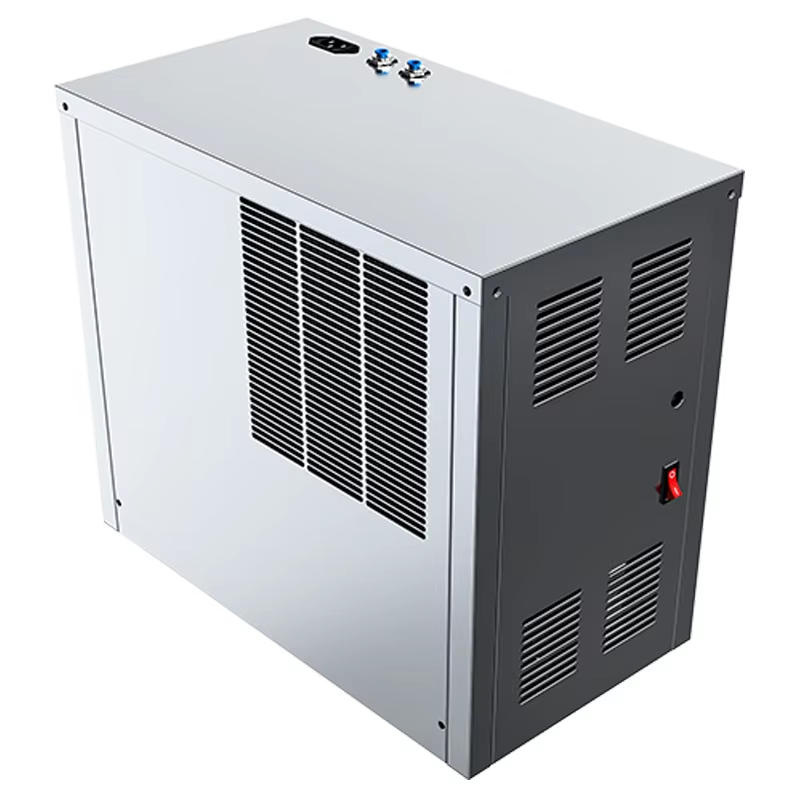
Strategic placement of water cooling equipment significantly influences energy efficiency through its impact on ambient heat loads, airflow patterns, and maintenance accessibility. Installation locations away from heat-generating equipment such as kitchen appliances, electronic systems, or direct sunlight reduce cooling loads and improve overall system efficiency. Proper ventilation around cooling equipment ensures adequate heat dissipation from condenser units while preventing recirculation of warm air that forces systems to work harder. Consideration of seasonal temperature variations helps identify locations that benefit from natural cooling during appropriate weather conditions.
Elevation and orientation factors affect cooling efficiency through their influence on natural convection patterns and heat dissipation characteristics. Wall-mounted and elevated installations often provide better airflow and reduced ambient heat exposure compared to floor-level placements near heat sources. Installation planning should also consider future maintenance requirements and accessibility for service technicians to ensure long-term performance optimization. Professional site surveys help identify optimal placement strategies that maximize efficiency while meeting operational and aesthetic requirements.
Proper insulation systems prevent unwanted heat transfer that reduces cooling efficiency and increases energy consumption throughout water delivery pathways. High-performance insulation materials minimize thermal bridging and maintain consistent temperatures from cooling units to dispensing points. Attention to insulation continuity eliminates thermal weak points that allow heat infiltration and force cooling systems to compensate with increased energy input. Regular inspection and maintenance of insulation systems ensures continued performance and prevents degradation that gradually reduces system efficiency.
Thermal management strategies extend beyond basic insulation to include reflective barriers, vapor barriers, and thermal breaks that address multiple heat transfer mechanisms. Advanced materials such as aerogel insulation provide superior thermal performance in space-constrained applications where traditional insulation thickness is impractical. Integration of thermal management systems with overall building energy strategies creates synergistic effects that optimize total energy consumption across all building systems.
Systematic maintenance protocols preserve energy efficiency through regular inspection and cleaning procedures that prevent performance degradation over time. Scheduled maintenance intervals based on usage volume and environmental conditions ensure optimal heat transfer efficiency and prevent mineral buildup that reduces cooling capacity. Professional maintenance programs include filter replacement, coil cleaning, refrigerant level verification, and control system calibration that maintain peak efficiency throughout equipment lifecycles. Documentation of maintenance activities enables trend analysis that identifies potential efficiency issues before they impact performance significantly.
Preventive maintenance strategies focus on critical components that directly influence energy efficiency including heat exchangers, compressors, and control systems. Regular cleaning of condenser coils removes dust and debris accumulation that impedes heat dissipation and forces systems to operate at higher energy levels. Calibration of temperature sensors and control systems ensures accurate operation that prevents overcooling or temperature cycling that wastes energy. Investment in professional maintenance services typically recovers costs through reduced energy consumption and extended equipment lifespan.
Continuous performance monitoring systems track energy consumption patterns and cooling efficiency metrics that identify optimization opportunities and potential maintenance requirements. Advanced monitoring platforms provide real-time alerts about performance deviations that enable prompt corrective action before efficiency losses become significant. Data logging capabilities create historical performance records that support trend analysis and predictive maintenance scheduling. Integration with building management systems allows coordination of water cooling efficiency with overall facility energy management strategies.
Performance optimization protocols include regular analysis of energy consumption data, temperature stability measurements, and cooling capacity assessments that quantify system efficiency over time. Benchmark comparisons against manufacturer specifications help identify when performance degradation requires attention or equipment upgrades. Advanced analytics platforms can identify subtle efficiency trends that manual monitoring might miss, enabling proactive optimization that maintains peak performance. Regular performance reviews also support energy auditing requirements and sustainability reporting initiatives.
Energy efficiency in water cooling systems depends primarily on compressor technology, heat exchanger design, insulation quality, and control system sophistication. Variable speed compressors consume significantly less energy than fixed-speed units by adjusting cooling capacity to match demand rather than cycling on and off frequently. Advanced heat exchangers with microchannel designs provide superior thermal transfer efficiency that reduces cooling energy requirements. Smart control systems optimize operation based on usage patterns and environmental conditions, while proper insulation prevents unwanted heat transfer that forces systems to work harder.
High-efficiency water cooling systems typically consume thirty to fifty percent less energy than conventional models through advanced technologies and optimized operation. Variable speed compressors alone can reduce energy consumption by up to forty percent compared to traditional fixed-speed units. Smart control systems contribute additional savings of twenty to thirty percent through demand-based operation and predictive cooling algorithms. The combination of multiple efficiency technologies can achieve total energy reductions exceeding sixty percent while maintaining superior temperature consistency and reliability.
Maintaining peak energy efficiency requires regular cleaning of heat exchanger coils, filter replacement, refrigerant level monitoring, and control system calibration based on manufacturer recommendations and usage conditions. Condenser coil cleaning every three to six months prevents dust accumulation that impedes heat dissipation and increases energy consumption. Filter replacement maintains proper airflow and water quality while preventing system strain that reduces efficiency. Annual professional servicing includes refrigerant testing, electrical system inspection, and performance verification that identifies optimization opportunities and prevents efficiency degradation.
Installation location significantly impacts energy efficiency through ambient temperature exposure, ventilation quality, and proximity to heat sources that influence cooling loads and system performance. Locations away from kitchen equipment, direct sunlight, and heat-generating electronics reduce ambient heat loads that force cooling systems to work harder. Adequate ventilation around equipment ensures proper heat dissipation from condenser units while preventing warm air recirculation. Strategic placement in naturally cooler areas of buildings can reduce cooling requirements by up to twenty percent compared to installations in warm environments with poor airflow.

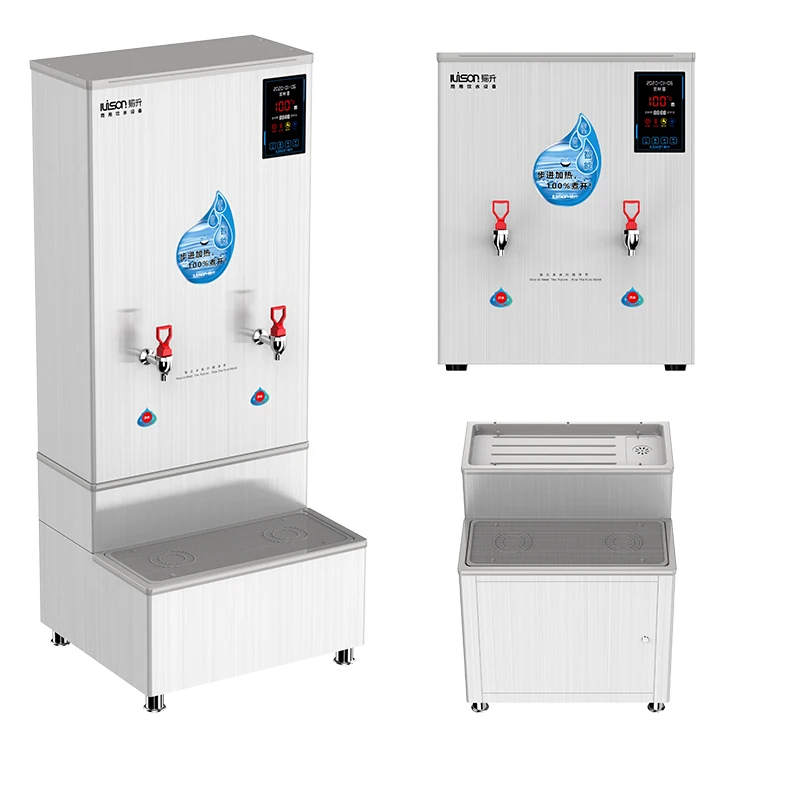
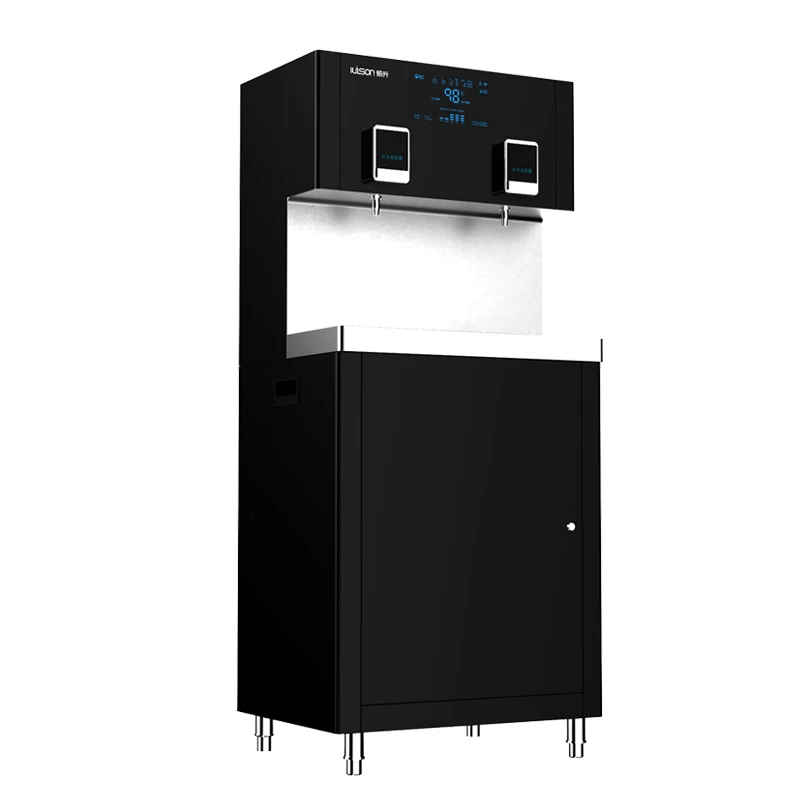
IUISON specializes in high-quality SUS commercial drinking water machines, including water coolers, boilers, and outdoor fountains. With 16 years of international trade experience, we provide reliable, customized solutions for businesses, governments, and organizations worldwide.
No. 13, Laocun Industrial Zone, Sanle Road, Lecong Town, Shunde District, Foshan City, Guangdong Province,China.
Copyright © 2026 GUANGDONG IUISON CO.,LTD All Rights Reserved Privacy Policy
 EN
EN
 AR
AR
 HR
HR
 CS
CS
 DA
DA
 NL
NL
 FI
FI
 FR
FR
 DE
DE
 EL
EL
 HI
HI
 IT
IT
 JA
JA
 KO
KO
 PL
PL
 PT
PT
 RO
RO
 RU
RU
 ES
ES
 SV
SV
 TL
TL
 IW
IW
 LT
LT
 SR
SR
 SK
SK
 UK
UK
 VI
VI
 TH
TH
 TR
TR
 FA
FA
 MS
MS
 IS
IS
 HY
HY
 AZ
AZ
 KA
KA
 BN
BN
 KM
KM
 LO
LO
 LA
LA
 MN
MN
 Hot News