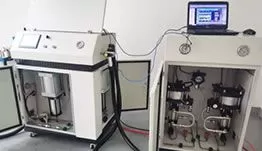
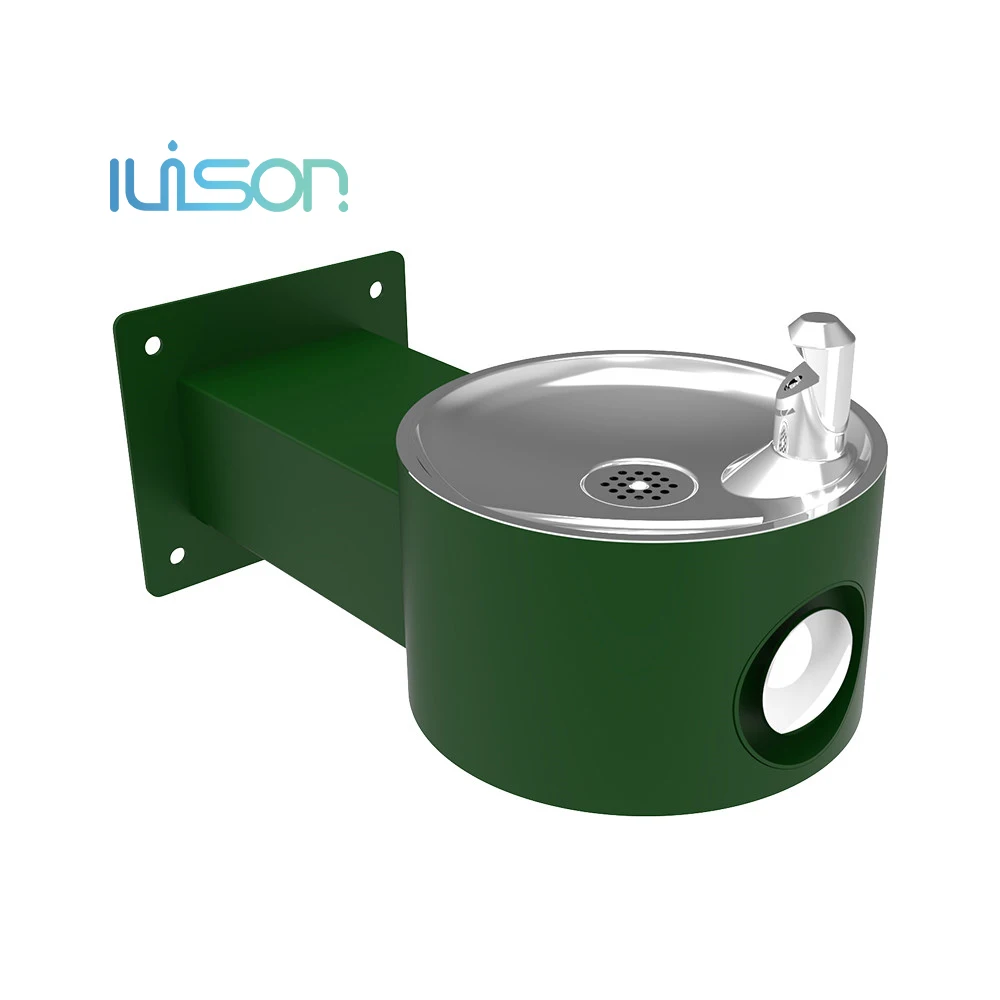
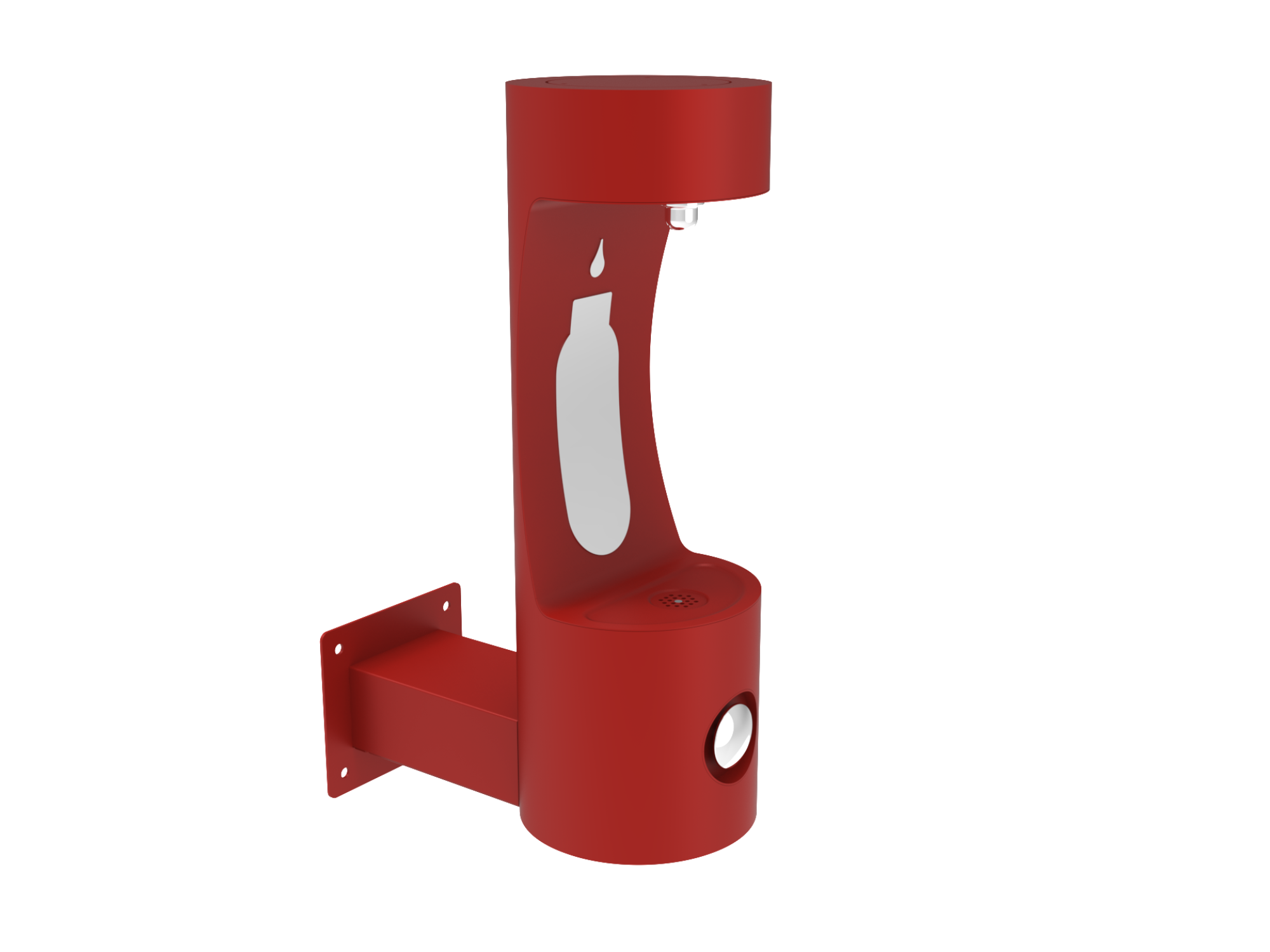
Wall mounted bottle fill stations work pretty well with most existing plumbing setups, so installation usually doesn't cause much trouble. These units can slip right into almost any system out there, from city water mains to privately maintained facilities. We've seen plenty of real world examples too colleges and hospitals across the country have successfully added these stations to older infrastructure without major headaches. Water pressure matters though nobody wants to wait forever for their bottle to fill. Most installations require at least 40 psi to function properly. Looking around lately, more companies and schools are upgrading their water lines specifically for these dispensers. Sustainability concerns definitely play a role here, but cost savings on plastic waste reduction also makes good business sense for facility managers looking to cut expenses while staying green.
Touchless tech in those wall mounted water stations represents a real step forward when it comes to keeping things clean. With sensors that detect movement, people can fill up their bottles without ever touching anything, something folks care about more than ever since the pandemic hit. Groups like the CDC actually recommend these no touch options for public areas because they cut down on germ spreading pretty effectively. Most places that installed these systems saw good uptake from customers who appreciated not having to grab handles or buttons all day long. Some models even feature surfaces treated with anti microbial coatings, so they stay cleaner longer between cleanings. These stations work great in spots where lots of different people come and go throughout the day, including fitness centers, educational institutions, and medical facilities where cleanliness matters most.
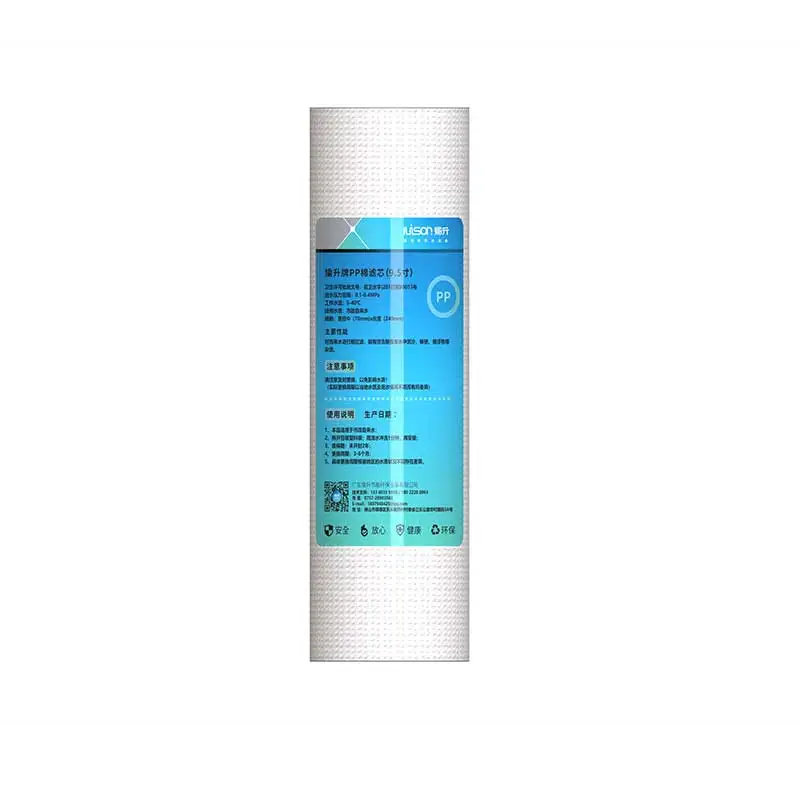
Most wall mounted bottle fillers use different kinds of filters to keep the drinking water clean. Common approaches include things like carbon filters that grab impurities, ultraviolet lights that kill bacteria, and reverse osmosis systems which push water through tiny membranes. Each method tackles different types of contaminants, making the water safer to drink overall. Tests have shown these systems really work, often cutting down on harmful substances by quite a bit. The machines also need to meet strict government standards before they can be installed anywhere public. How much maintenance is needed depends on usage levels, but generally speaking, keeping those filters clean and replacing them when necessary makes all the difference in how well the system works over time. Facility staff who understand basic maintenance routines will find it much easier to keep their water stations running smoothly and delivering good quality drinks day after day.
The problem with single use plastic bottles is their massive contribution to environmental pollution. We throw away billions of them every year, which shows just how bad things have gotten when it comes to plastic waste. Filling stations represent a real solution here because they encourage people to bring their own reusable bottles instead. This simple switch can cut down on plastic trash dramatically. Many countries around the world are pushing for less plastic consumption through various green initiatives. Take Iuison as an example company that started installing water refill stations across their locations. Their reports show actual reductions in plastic bottle usage over time, proving that such stations do make a difference in creating a more sustainable future for everyone involved.
Looking at bottle filling stations next to regular water fountains shows real money saving potential. These modern stations tend to need less fixing and maintenance because they're built with better tech, so running them doesn't cost as much in the long run. Schools and offices that switched over report big savings on their budgets. One hospital saved thousands after installing these stations since staff stopped buying so many plastic bottles. The numbers look good too when we check what happens after installation. Most places see their expenses drop pretty quickly, making these stations worth considering despite the upfront cost. Of course, it depends on how much water people actually use there.
When places get really busy, having good access to water becomes super important for keeping people healthy and preventing dehydration issues. Research on this topic shows that putting in those bottle filling stations actually helps cut down on sickness rates where lots of people pass through daily. People who work at facilities with these stations report better overall health among visitors too, which makes sense when thinking about how much easier it is to stay hydrated. More businesses now are starting up programs focused on making sure folks can grab water quickly wherever there's heavy traffic. After all, staying properly hydrated isn't just nice to have it's essential for maintaining general wellness across communities.
Incorporating industry-specific LSI keywords such as "drinking water fountain," "bottom load water dispenser," and "hot and cold water dispenser" seamlessly into discussions ensures the semantic relevance aligns with the overarching theme of efficient hydration solutions.
Mounting hydration stations on walls really makes good use of vertical space, which works great in tight spots where floor room is scarce. Traditional dispensers that load from the bottom eat up precious ground area, but wall mounted ones free that up, so spaces like office buildings or schools can actually function better. Some research done at a college campus found that after installing wall mounted water systems, they ended up getting about 15% more usable floor space back. Plus, these newer wall mounted units have a much cleaner look than old fashioned models. They blend right into most interiors without sticking out like sore thumbs, giving any space a more polished appearance overall.
What materials go into building bottle filling stations really matters when we're talking about lasting performance in crowded places. Most modern installations rely on heavy duty stainless steel construction because it just holds up better under constant usage. The difference between these stations and regular water fountains becomes pretty obvious after a while. Maintenance records from packed locations show these units break down way less often. Take airports for example one recent analysis found they needed about 20 percent fewer repairs over three years compared to older models. Anyone thinking about installing these should definitely check out the warranty terms too. Good support services can make all the difference when something does go wrong, especially since these stations tend to get used so much day after day.
The ability to adjust temperature settings stands out as one of the best features in today's hydration systems, since people have different tastes when it comes to their drinks. Most folks actually love getting their water nice and cold, which shows up repeatedly in customer comments about what makes them happy with these stations. According to recent surveys, three out of four people want the option to set their own temperature at public water fountains. When folks can get exactly what they want from a drinking station, they tend to use it more often, so we see better hydration rates across parks, campuses, and other public areas. Many users mention how much they enjoy that extra refreshment factor when there's chilled water waiting for them after a workout or long walk outside.
Putting water bottle fill stations in the right spots around buildings really makes a difference for how much people actually use them, plus it cuts down on what we spend to install them. If these stations sit close to where there's already distilled water running through pipes, then most of the work is already done. No need to tear apart walls or run new pipes everywhere, which saves money upfront. Schools have seen this work well in practice too. One college noticed something interesting after putting fill stations next to their old plumbing system. Students started using them way more because they were just handy to grab on the way between classes. The numbers backed this up too - one campus saw usage jump by about 30% once they moved stations into busy hallways and common areas. Sure, some places will still need to tweak their plumbing when installing these systems, but generally speaking, having better access to clean drinking water pays off in the long run both financially and practically.
Making sure public drinking fountains meet ADA standards and offer access to everyone isn't just good practice for inclusion it actually makes people happier with their experience overall. When designers install things like hands-free dispensers or height adjustments on water stations, they're able to serve a much wider range of folks, including those who have mobility challenges. Research shows that when spaces are designed with everyone in mind, satisfaction rates jump around 25%. That's why accessibility should be at the top of the list for anyone planning public installations. Look at places like major airports or big city parks where accessibility has been prioritized these spots regularly get great reviews from visitors. People notice when efforts have been made to ensure no one gets left out, which helps build a fairer environment for everybody using the space.
Keeping hot and cold water systems running smoothly really depends on regular maintenance work. When we do our checkups and service calls on time, we save ourselves from all sorts of problems down the road plus cut back on those expensive repair bills. Some studies have shown that systems which aren't properly maintained end up sitting idle about half as much longer than they should be, which just shows how important ongoing care actually is. Facility managers might want to look into things like extended warranties or professional service contracts these days since they help take some pressure off their teams during busy periods. Most plumbers will tell anyone who asks that sticking to a good maintenance routine makes all the difference. That means checking filters every now and then, doing the occasional descaling job, and running through system diagnostics regularly so everything keeps working right for years instead of breaking down unexpectedly.
Many major hotel brands across North America and Europe have started putting in place water refill stations throughout their properties to cut down on plastic waste. The results speak for themselves really. Some chains report cutting plastic bottle usage by over 70% after installing these stations. Guests notice too, with lots of reviews mentioning how much they appreciate not having to deal with all those plastic bottles anymore. For hotel management, this fits right into their broader green initiatives that most upscale properties now include in their business plans. When hotels ditch single-use plastic bottles, they save money on supplies while building up their reputation as environmentally conscious places to stay. Plus, travelers tend to remember and recommend hotels that go the extra mile for sustainability.
Schools looking to save money on expenses are increasingly installing bottle filling stations instead of relying so much on bottled water. When we look at the numbers, these stations tend to be way cheaper than buying all those plastic bottles over time. They don't just cut down on maintenance bills either. Teachers report that kids actually prefer using them, and parents love seeing less waste around campus. With fresh water right there in classrooms and hallways, students stay better hydrated throughout the day. Some schools even track attendance records after installation and notice fewer sick days taken. The bottom line? Money saved goes back into education programs while kids get healthier, which makes for a better learning atmosphere overall.
Parks across the country are making life better for visitors by setting up water bottle filling stations everywhere. These installations help people stay hydrated while cutting down on all those empty plastic bottles littering the ground. Some parks report cutting their trash volume in half since installing these stations. Visitors love having fresh, cold water right where they need it, especially during long hikes when thirst hits hard. Environmental groups have gotten involved too, working alongside park rangers to keep trails free of plastic waste. Take Yellowstone for instance – after putting in several stations last year, they saw a noticeable jump in repeat visitors who bring reusable bottles instead of buying single-use plastic. The combination of convenience and eco-friendliness seems to be winning over campers and hikers alike.

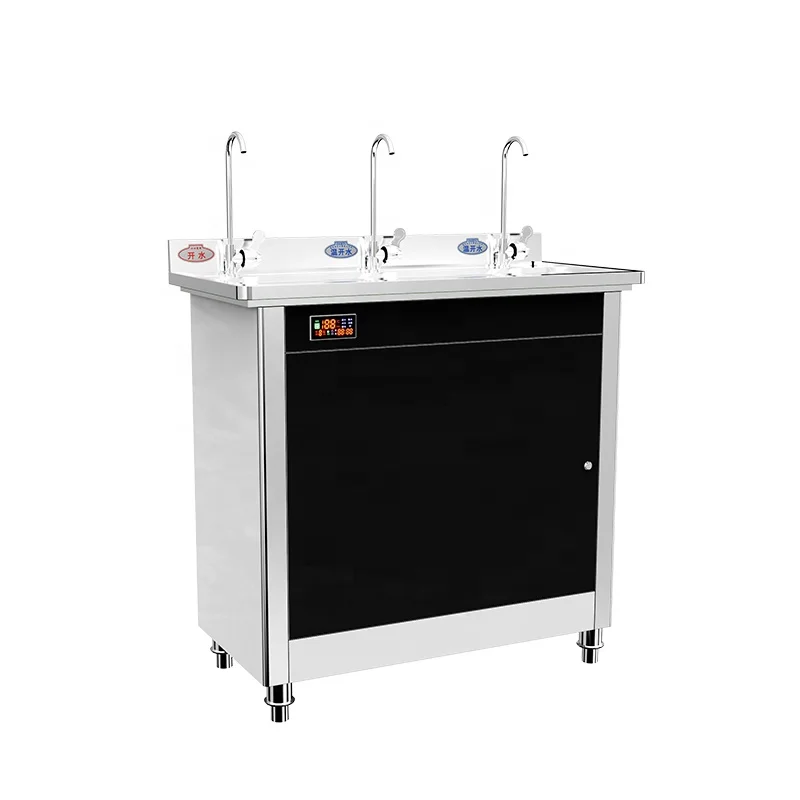
IUISON specializes in high-quality SUS commercial drinking water machines, including water coolers, boilers, and outdoor fountains. With 16 years of international trade experience, we provide reliable, customized solutions for businesses, governments, and organizations worldwide.
No. 13, Laocun Industrial Zone, Sanle Road, Lecong Town, Shunde District, Foshan City, Guangdong Province,China.
Copyright © 2026 GUANGDONG IUISON CO.,LTD All Rights Reserved Privacy Policy
 EN
EN
 AR
AR
 HR
HR
 CS
CS
 DA
DA
 NL
NL
 FI
FI
 FR
FR
 DE
DE
 EL
EL
 HI
HI
 IT
IT
 JA
JA
 KO
KO
 PL
PL
 PT
PT
 RO
RO
 RU
RU
 ES
ES
 SV
SV
 TL
TL
 IW
IW
 LT
LT
 SR
SR
 SK
SK
 UK
UK
 VI
VI
 TH
TH
 TR
TR
 FA
FA
 MS
MS
 IS
IS
 HY
HY
 AZ
AZ
 KA
KA
 BN
BN
 KM
KM
 LO
LO
 LA
LA
 MN
MN
 Hot News