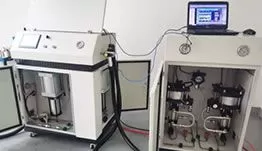
Having both hot and cold water available at work really helps meet different employee preferences, which tends to make people happier about their jobs. Some folks want cold water to stay refreshed during long days, while others need hot water for tea breaks or making quick soups. Workplace surveys actually show that when employees have control over what they drink, it makes them feel better about their jobs and even works up their productivity levels. Comfort matters a lot in creating a good work atmosphere, and this includes being able to hydrate properly throughout the day. Research points out that staying well hydrated improves mood and keeps workers performing better, so giving access to water at different temperatures isn't just nice to have it's something that genuinely benefits everyone in the office.
Getting easy access to water makes a big difference when it comes to building healthy routines at work. Health experts say drinking enough water matters a lot for staying healthy, and putting water dispensers around helps employees actually drink more throughout the day. Dispensers that offer both hot and cold water cut down on people reaching for soda or juice, which means more water gets consumed overall. When workers don't have to hunt for water, they stay hydrated better and tend to make healthier food choices too. Workplaces with good hydration options generally see better moods and higher productivity levels. That's why installing proper water dispensers isn't just about convenience anymore, it's become part of creating a genuinely healthy work environment these days.
More and more offices are switching to bottom load water dispensers because they help cut down on all that plastic waste. These units basically get rid of the need for regular bottled water, which makes them pretty good for the environment. Rather than using those one time plastic bottles everyone keeps buying, people can just fill up their own containers at work. The EPA says something like 9 percent of plastic gets recycled overall, and most of what does get thrown away ends up being bottle waste. We're seeing this green shift happening everywhere really. Companies want to look eco friendly now, so they're installing these dispensers not just for employees but also to show customers they care about sustainability issues too.
Making the move to point of use water dispensers instead of relying on bottled water deliveries saves money in the long run. Businesses typically cut costs when they stop spending on those recurring bottled water orders and the delivery fees that come with them. Industry data shows companies spend way less on operations once they install these dispensers because they're using filtered tap water instead of paying premium prices for bottled alternatives. The systems themselves tend to be pretty low maintenance too, which adds to the overall savings. Many companies who've switched report big differences in their monthly budgets after installation. Some even mention how freeing it feels not having to worry about running out of water bottles or scheduling deliveries anymore.
Hot and cold water dispensers nowadays come in all sorts of models that fit different office setups, letting staff pick what works best for them personally. Some folks want their morning coffee piping hot while others reach for icy water after lunch breaks. The way these units are placed matters quite a bit too. We've noticed at our own office that when dispensers sit near common work areas instead of being tucked away somewhere, people actually use them more often throughout the day. Plus there's this whole trend towards touchless tech now. Many newer models have sensors so no one has to touch surfaces directly anymore. Makes sense really, especially since germs spread so easily in shared spaces. Most offices I talk to mention this as a big plus point during health inspections.
Modern water dispensers now come equipped with sophisticated filters including reverse osmosis systems and UV light treatment to keep tap water clean and safe. The reverse osmosis process actually strips out stuff like lead, chlorine, and other nasty particles from the water supply. Meanwhile, those UV lights kill bacteria and viruses that might still be lurking after filtration. Major health groups like the EPA and WHO back these approaches as pretty much the gold standard for clean drinking water. We're seeing some interesting developments too - things like carbon block filters and ceramic membranes are starting to appear on the market. These newer options could really boost water quality in places like office buildings and restaurants, making sure everyone gets something that tastes better and is definitely safer to drink most of the time.
Bottom load water dispensers today focus heavily on saving power through smart design choices and newer tech that cuts down on electricity use. What makes them better than old fashioned ones? They have insulated tanks for both hot and cold water, so they don't need to keep heating the same water all day long. Some studies show businesses could cut their energy bills by around 30% when they upgrade from standard units to these efficient versions. For office managers looking at expenses, this means real money savings while still keeping employees happy with good quality drinks. Plus, going green isn't just buzzwords anymore either. Many organizations now track their carbon impact closely, and swapping out old dispensers helps lower those numbers significantly without much hassle involved.
Getting enough fluids really matters when it comes to how our brains work, especially things like staying focused and reacting quickly. Scientists have looked into this quite a bit, and most findings point to better brain function when we're properly hydrated. Take one particular study from the Journal of Nutrition for instance. They discovered that even being slightly dehydrated messes with our moods and makes thinking harder, which naturally cuts down on what gets done during the day. Offices that install those water dispensers where people can grab either hot or cold drinks tend to see improvements in how staff perform and feel overall. For bosses looking to get more out of their teams, keeping workers hydrated isn't just nice to have it's actually pretty important. When employees drink enough throughout the day, they generally stay sharper, more awake, and healthier too. And let's face it, all these factors together usually mean better numbers at the end of the month.
Getting workers to take regular hydration breaks helps keep them productive, but these breaks need to happen without messing up their normal work flow. Many companies are putting water dispensers around the office space, something like the Restpoint model with fridge compartment, so employees don't have to walk far when they want a drink. Research shows people who get frequent water breaks tend to perform better at their jobs and feel happier overall. The availability of both hot and cold water makes a difference too. Cold drinks help cool down during warm days while hot beverages offer comfort in winter months. This small convenience actually boosts concentration levels and cuts down on workplace stress. When businesses start making hydration part of daily routine, they create workplaces where staff members stay focused on tasks while also taking care of their health needs.
Switching to energy efficient hot and cold water dispensers helps businesses slash their carbon footprints quite a bit. The newer models come packed with smart tech features that cut down on power use compared to older versions sitting around offices everywhere. Some green reports point out that making this switch could knock energy bills down somewhere around 20-25%. That kind of savings hits right where it matters for most companies trying to meet their eco targets. We're seeing plenty of corporations jump on board with these updates lately. Take manufacturing plants for example they've noticed real money savings after installing these systems. Plus their employees appreciate having access to better quality drinking water while management feels good knowing they're doing something tangible for the planet.
For businesses aiming to meet their environmental targets, picking the right water dispensers really matters. These dispensers do more than just keep employees hydrated they actually show what kind of company values are at play. When companies go for dispensers that have minimal environmental impact, encourage reuse of bottles, and set up proper recycling systems, it all adds up to a better sustainability image. Putting these green practices into action cuts down on waste while opening doors to certifications like LEED or ENERGY STAR ratings that acknowledge genuine efforts toward being environmentally responsible. Getting these kinds of recognition boosts company reputation for sure, but there are real world perks too financial breaks from local governments and growing customer trust among people who care about planet friendly businesses.
Picking out the correct water dispenser starts with looking at office space and how much water staff actually drink throughout the day. A company should think about both the number of workers who'll be using it regularly and their drinking habits. Take for example, if there are around fifty folks working in one place versus just ten people, obviously the bigger group would need something with greater storage capability. Most experts recommend going with roughly five gallons worth of capacity per ten to twenty individuals as a starting point, though this can vary depending on actual consumption rates. Fortunately, plenty of online resources exist these days including specialized calculators designed specifically for businesses wanting to figure out what kind of equipment they really need without overbuying or ending up short on supply later down the road.
When shopping for water dispensers, three main factors stand out: capacity, how good the filtration is, and what kind of maintenance they need. The size of the office really matters here. A small team probably doesn't need something huge, but bigger offices definitely do. And let's face it, nobody wants to drink water that tastes bad or looks cloudy. That's why getting a solid filtration system makes all the difference. Now about maintenance stuff varies quite a bit between different models. Some units require changing filters every few months, while others just need occasional servicing checks. Operational costs matter too. Bottleless systems tend to run cheaper long term compared to those using refillable bottles. Want to make things easier? Grab a comparison chart or checklist from manufacturers websites. These tools break down all those important details so companies can pick the right dispenser without getting overwhelmed by options.
Looking after hot and cold water dispensers makes sure they work properly for years to come. A bit of regular cleaning goes a long way toward avoiding problems down the road while making those machines last longer than expected. Most people forget about sanitizing that drip tray at least once per week, but it really matters. Water filters need changing roughly every half year, no matter what brand we're talking about here. And don't forget about scaling inside parts either; manufacturers usually give specific guidelines on when this should happen. Putting together some sort of maintenance plan actually works wonders for remembering all these little things, so our dispensers keep running smoothly without any surprises along the way.
Hot and cold water dispensers tend to run into problems quite frequently, especially when it comes to keeping temperatures stable and maintaining good water pressure. When this happens, most people find that looking at the water lines first is usually a good idea since they get clogged up over time. Mineral deposits build up inside too, so running some vinegar through the system every now and then helps clear things out. Keeping these units well maintained makes all the difference really. It stops them from breaking down unexpectedly and means they last longer, which saves money in the long run. For offices and restaurants needing consistent access to clean drinking water, regular checkups on their dispensers just make sense.
Putting money into those fancy hot and cold water dispensers actually pays off over time when looking at what we typically spend on drinks. Most people just keep buying bottled water forever, but these dispensers work with regular tap water or even filtered versions that cost way less per glass. Let's put some numbers to it real quick – nobody wants to calculate this stuff all day, but trust me when I say the math adds up fast. The upfront price tag for one of these machines gets eaten away pretty quickly once we stop spending cash on plastic bottles every week. Plus there's all that trash piling up in landfills from empty bottles, something companies have to pay extra to handle properly. So yeah, while the dispenser looks pricey at first glance, it makes sense financially after a few months of operation.
Looking at real world examples, many companies have saved money over time when they switched to those dispensers for water instead of bottled options. The savings aren't just about lower immediate costs either. There are other financial perks too, like cutting down on plastic waste disposal fees and seeing workers stay hydrated longer which keeps them more productive throughout the day. When business owners take a close look at all these factors together, both the obvious cash savings and the hidden ones related to sustainability, they get a clearer picture of what makes sense for their bottom line and daily operations.

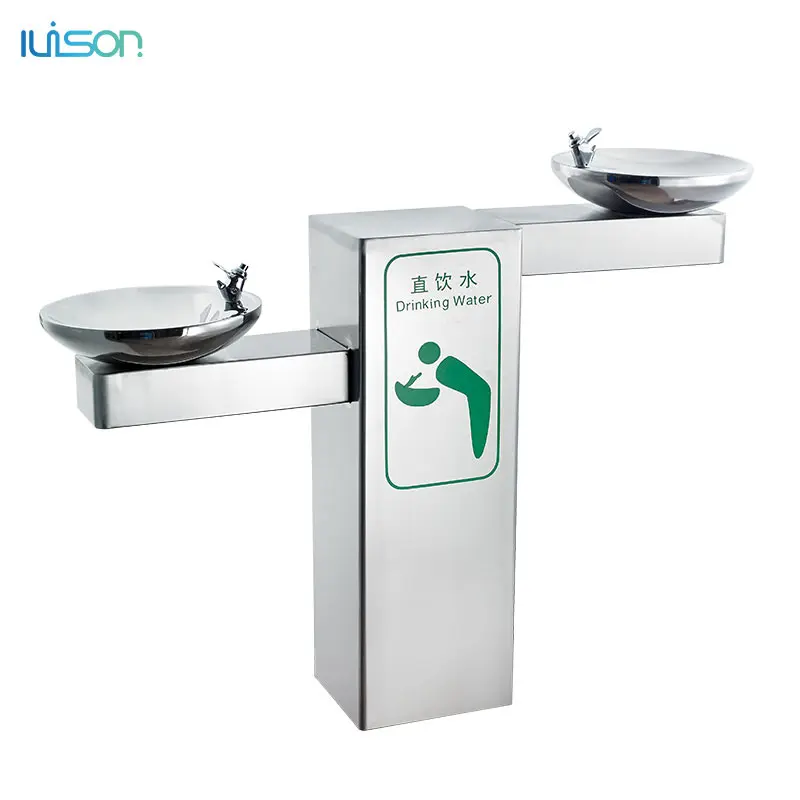
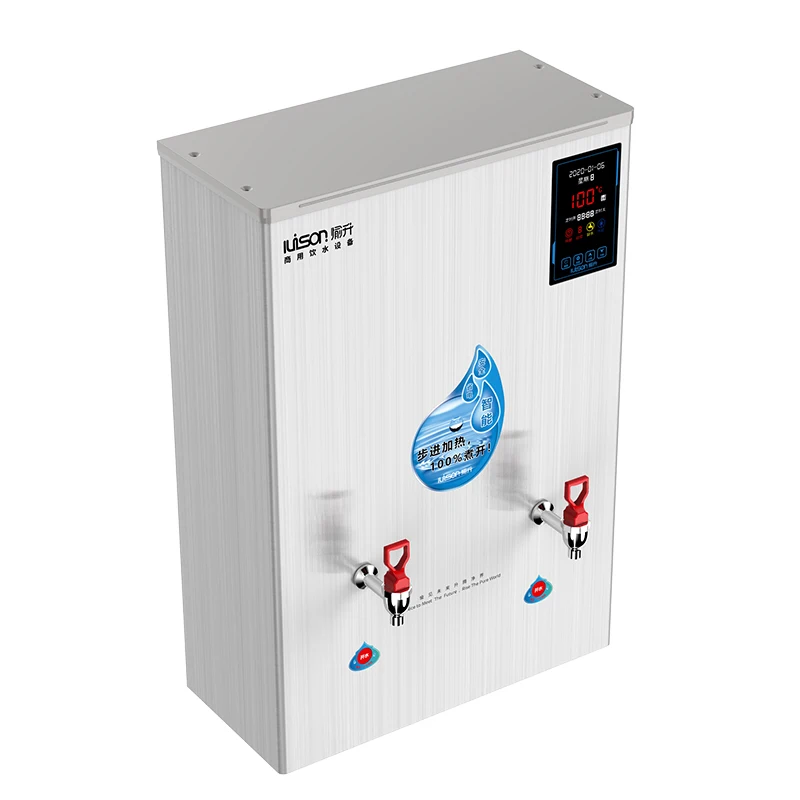
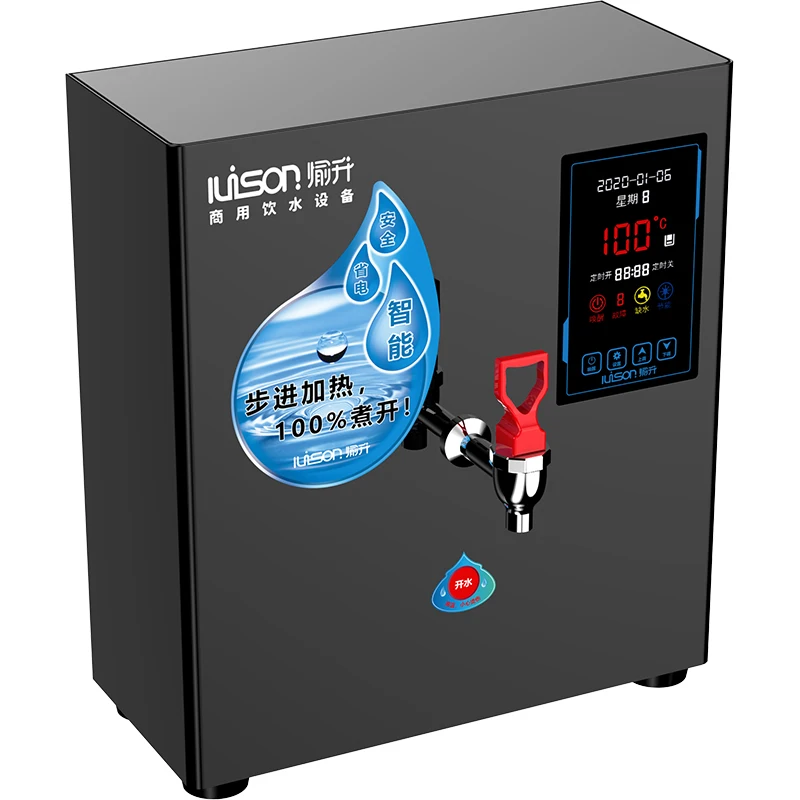
IUISON specializes in high-quality SUS commercial drinking water machines, including water coolers, boilers, and outdoor fountains. With 16 years of international trade experience, we provide reliable, customized solutions for businesses, governments, and organizations worldwide.
No. 13, Laocun Industrial Zone, Sanle Road, Lecong Town, Shunde District, Foshan City, Guangdong Province,China.
Copyright © 2026 GUANGDONG IUISON CO.,LTD All Rights Reserved Privacy Policy
 EN
EN
 AR
AR
 HR
HR
 CS
CS
 DA
DA
 NL
NL
 FI
FI
 FR
FR
 DE
DE
 EL
EL
 HI
HI
 IT
IT
 JA
JA
 KO
KO
 PL
PL
 PT
PT
 RO
RO
 RU
RU
 ES
ES
 SV
SV
 TL
TL
 IW
IW
 LT
LT
 SR
SR
 SK
SK
 UK
UK
 VI
VI
 TH
TH
 TR
TR
 FA
FA
 MS
MS
 IS
IS
 HY
HY
 AZ
AZ
 KA
KA
 BN
BN
 KM
KM
 LO
LO
 LA
LA
 MN
MN
 Hot News