High-Performance Public Drinking Water Fountains: Modern Hydration Solutions for Communities

All Categories

Get in touch

public drinking water fountain

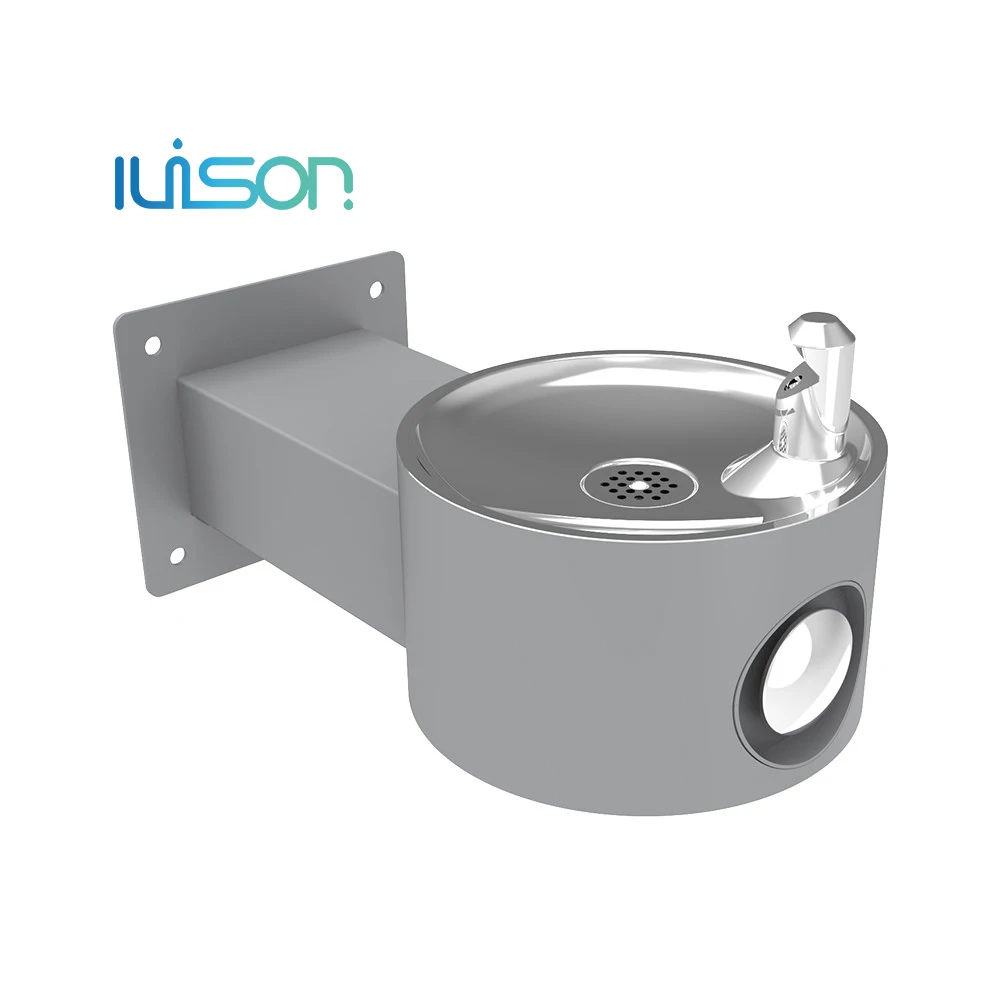
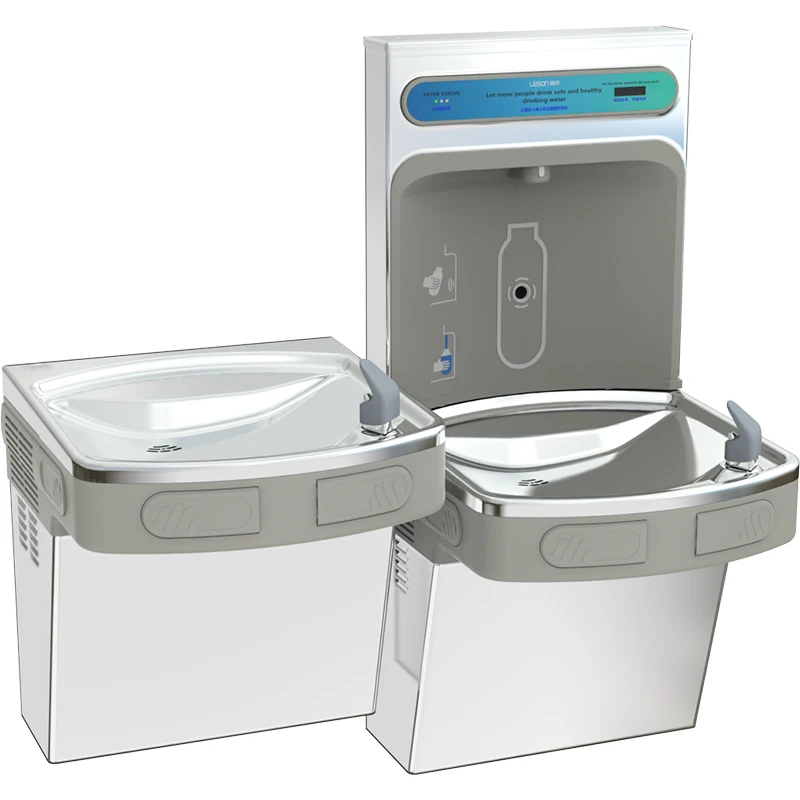
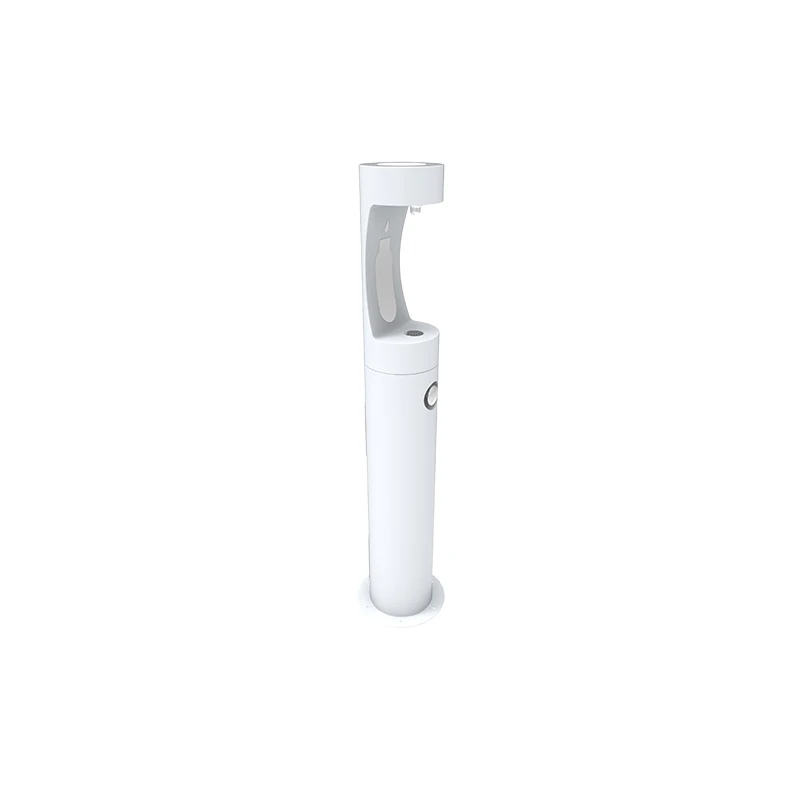
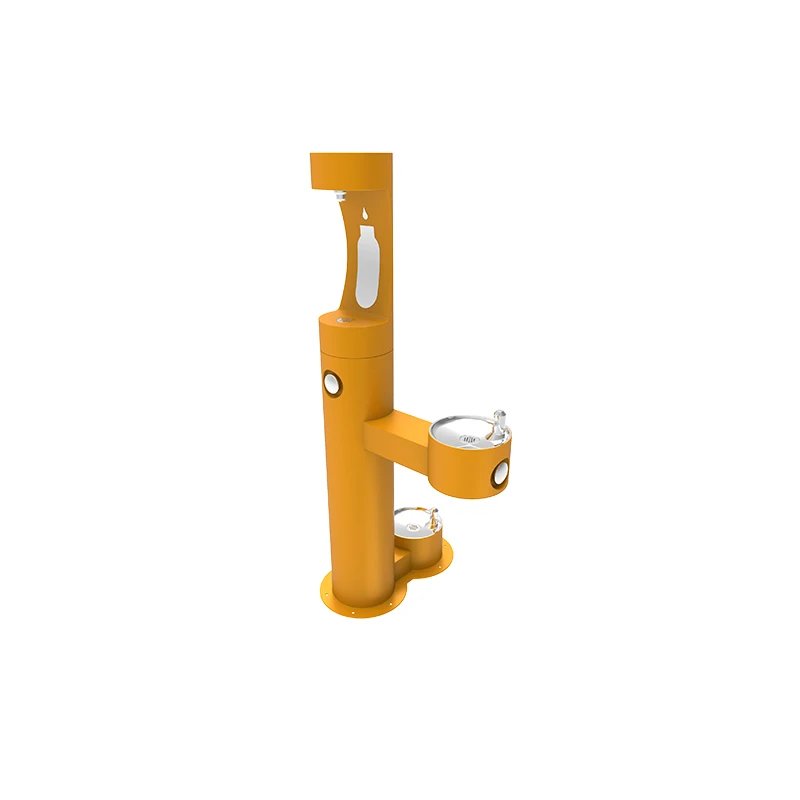
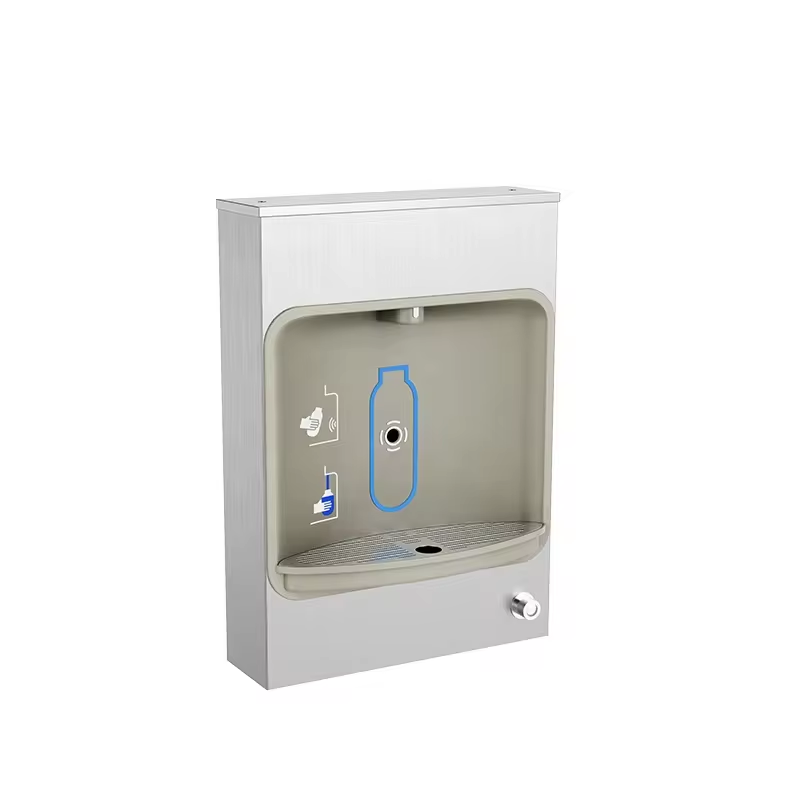
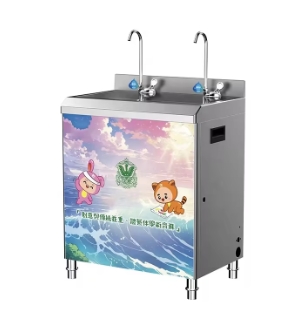
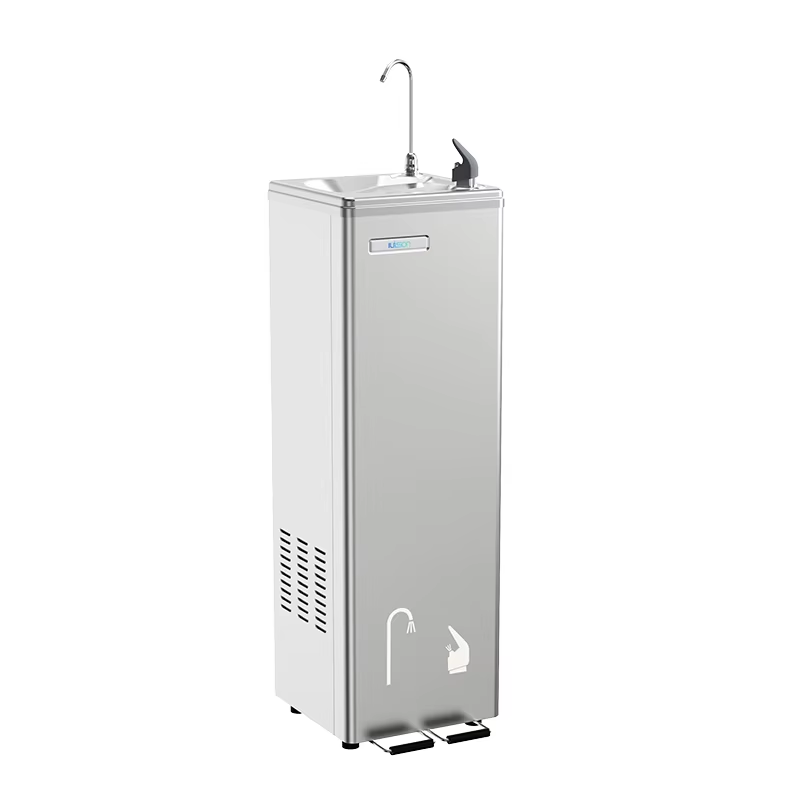
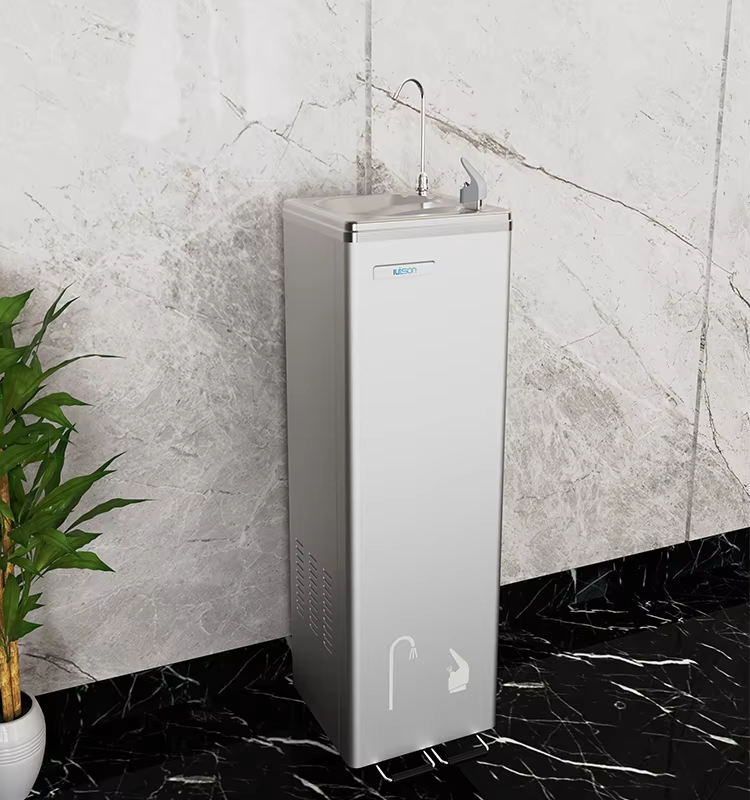
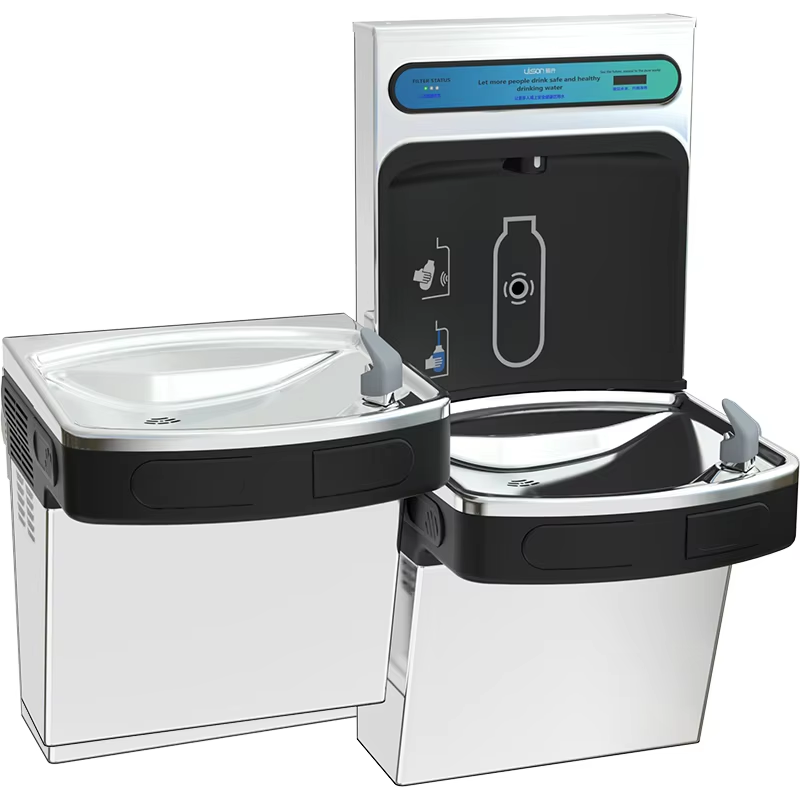
Public drinking water fountains represent an essential urban infrastructure element that provides safe, readily accessible hydration to communities. These fixtures combine modern technology with practical functionality, featuring filtered water systems that remove contaminants and improve taste. Most contemporary models incorporate sensor-activated dispensing mechanisms, eliminating the need for manual operation and enhancing hygiene. The fountains typically include multiple height options, making them accessible to children, adults, and individuals with disabilities. Many modern units are equipped with bottle-filling stations, complete with digital counters that track the number of plastic bottles saved. The internal cooling system maintains optimal drinking temperature, while UV sterilization technology ensures water safety. These fountains connect directly to municipal water supplies and undergo regular quality testing and maintenance. Built with vandal-resistant materials, they're designed to withstand heavy public use and various weather conditions. Advanced models may include features like water pressure regulation, automated shut-off systems for conservation, and real-time monitoring capabilities for maintenance alerts.

Popular Products

Public drinking water fountains offer numerous compelling benefits that make them an invaluable addition to any community space. First, they provide a sustainable solution to single-use plastic bottle waste by encouraging reusable container use. This environmental impact is significant, potentially preventing thousands of plastic bottles from entering landfills annually. The economic advantages are equally noteworthy, as these fountains deliver free access to clean drinking water, reducing community members' dependence on expensive bottled alternatives. From a public health perspective, modern fountains incorporate advanced filtration systems that ensure water quality often exceeds that of bottled water. The accessibility factor is crucial, with ADA-compliant designs ensuring all community members can utilize these resources. Maintenance costs are relatively low compared to alternative hydration solutions, and the long-term durability of modern units ensures a solid return on investment. The fountains also promote public health by encouraging proper hydration, particularly in high-traffic areas like parks, schools, and community centers. During peak summer months, they serve as crucial cooling stations, helping prevent heat-related illnesses. The integration of smart technology in newer models allows for efficient management and monitoring, reducing operational overhead and ensuring consistent performance.

Tips And Tricks

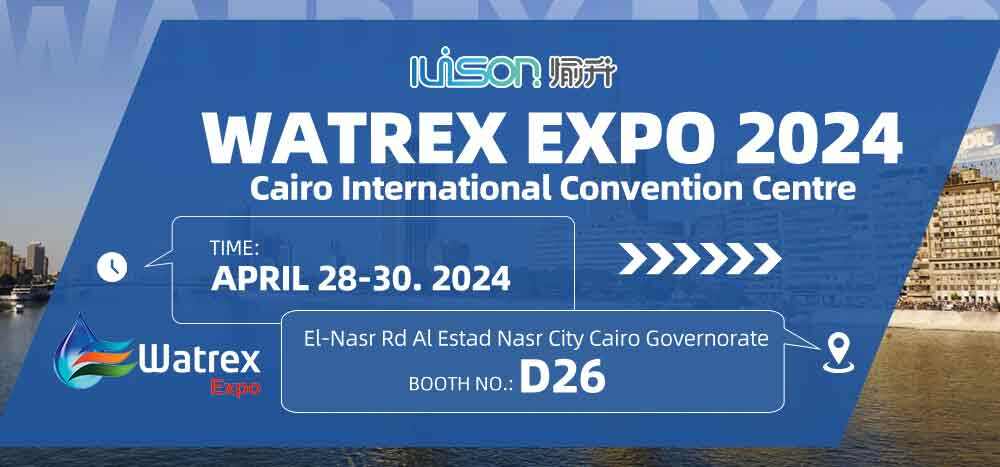
Egypt Exhibition

04

Nov

Egypt Exhibition

Discover the top water dispenser brands at the 2024 Egypt Exhibition. Find innovative solutions for your hydration needs. Don't miss out on this opportunity to learn and network with industry leaders.
View More
South Africa Exhibition

04

Nov

South Africa Exhibition

Discover the latest water dispenser technology at the South Africa Exhibition. Explore top water dispenser brands and innovative solutions for your home or office.
View More
Bottle Filling Stations in the Office to Boost Hydration

22

May

Bottle Filling Stations in the Office to Boost Hydration

In the bustling offices of today, where productivity and employee well-being are paramount, a bottle filling station has become an essential amenity.
View More
Exploring the Innovations of IUISON Water Dispenser

19

Jun

Exploring the Innovations of IUISON Water Dispenser

With advanced filtration technology, energy-efficient design, and intuitive controls, IUISON water dispensers are a convenient and reliable choice.
View More

Get a Free Quote

Our representative will contact you soon.
Email
Name
Company Name
Message
0/1000

public drinking water fountain

Advanced Filtration Technology

Advanced Filtration Technology

Modern public drinking water fountains incorporate state-of-the-art filtration systems that ensure exceptional water quality. The multi-stage filtration process typically includes activated carbon filters that remove chlorine, lead, and other contaminants while improving taste and odor. These systems often feature NSF-certified components that meet or exceed federal drinking water standards. The filtration technology automatically monitors water quality and provides real-time feedback on filter status, ensuring optimal performance. Regular maintenance alerts help maintain consistent water quality, while the self-diagnostic capabilities prevent dispensing if water quality falls below acceptable standards.
Energy-Efficient Cooling System

Energy-Efficient Cooling System

The integrated cooling system in public drinking water fountains represents a significant technological advancement in public hydration solutions. These systems utilize energy-efficient compressors and environmentally friendly refrigerants to maintain optimal drinking temperature without excessive power consumption. The smart temperature control automatically adjusts cooling based on ambient conditions and usage patterns, maximizing energy efficiency. The system includes frost protection mechanisms for cold weather operation and automated shutdown features during periods of low use, further reducing energy consumption while maintaining ready availability.
Smart Monitoring and Management

Smart Monitoring and Management

Contemporary public drinking water fountains feature advanced monitoring systems that revolutionize maintenance and operations. These smart systems track usage patterns, water quality metrics, and system performance in real-time. Maintenance staff receive automated alerts for filter changes, unusual usage patterns, or potential malfunctions, enabling proactive maintenance. The monitoring system includes water consumption tracking, helping facilities managers optimize placement and usage while identifying potential leaks or inefficiencies. Integration with building management systems allows for centralized control and monitoring, improving overall facility efficiency.

Related Search