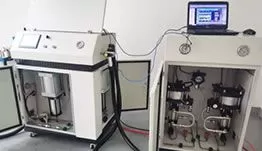
Effective hydration management in large-scale facilities requires comprehensive planning and reliable infrastructure. Organizations such as hospitals, schools, corporate offices, and manufacturing plants face unique challenges when ensuring adequate water access for hundreds or thousands of daily users. A well-designed water cooler system serves as the cornerstone of successful hydration management, providing consistent, safe, and accessible drinking water while maintaining operational efficiency and cost-effectiveness.
Large-scale hydration management extends beyond simply providing drinking water. It encompasses strategic placement of hydration stations, monitoring consumption patterns, ensuring water quality standards, and maintaining equipment reliability across extensive facilities. The implementation of professional-grade water cooler systems addresses these multifaceted requirements while supporting organizational health initiatives and regulatory compliance.
Modern facilities increasingly recognize that adequate hydration infrastructure directly impacts productivity, health outcomes, and overall operational success. Research consistently demonstrates that proper hydration enhances cognitive function, reduces fatigue, and minimizes health-related absences. Consequently, organizations invest in robust water cooler networks to support their personnel and visitors effectively.
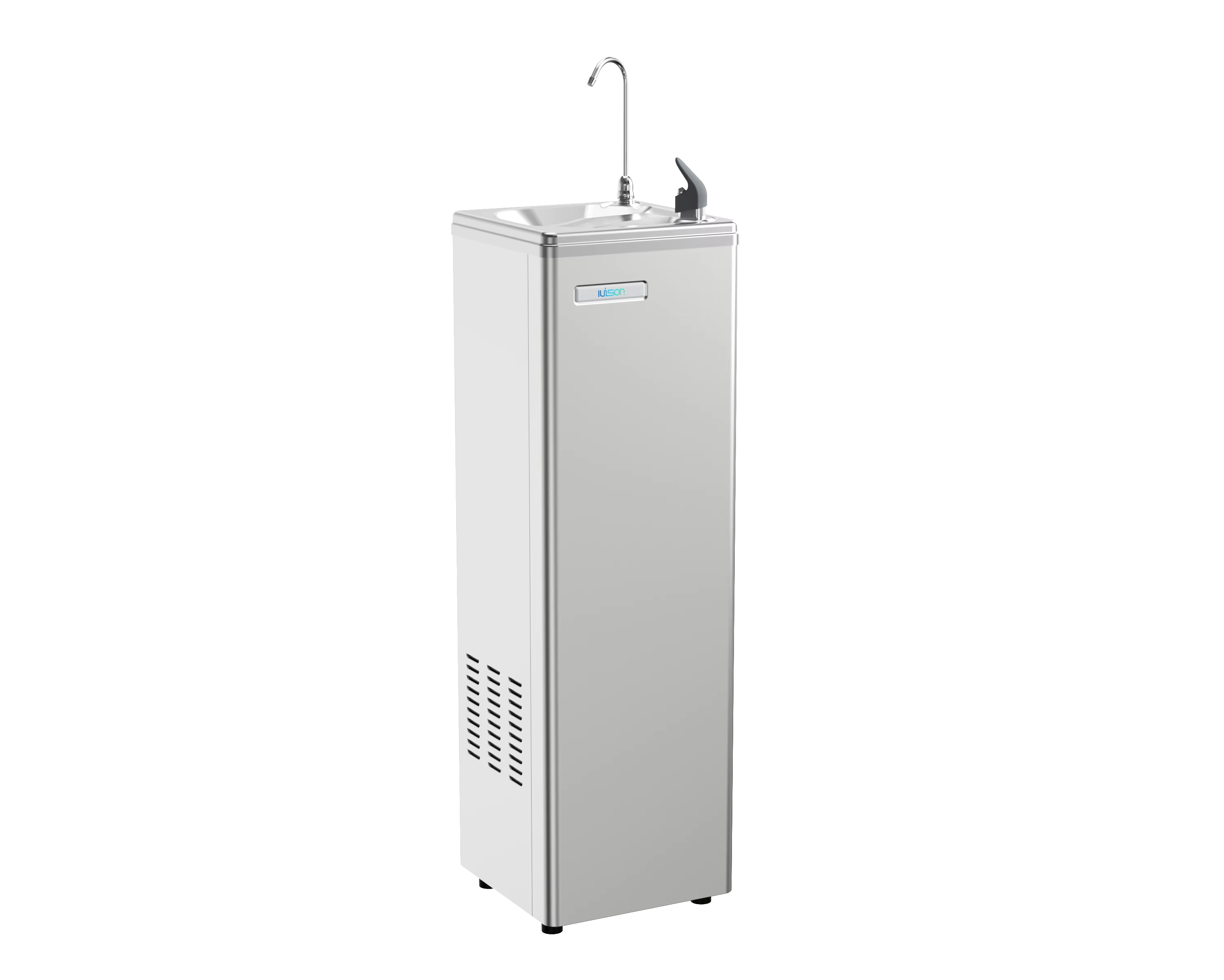
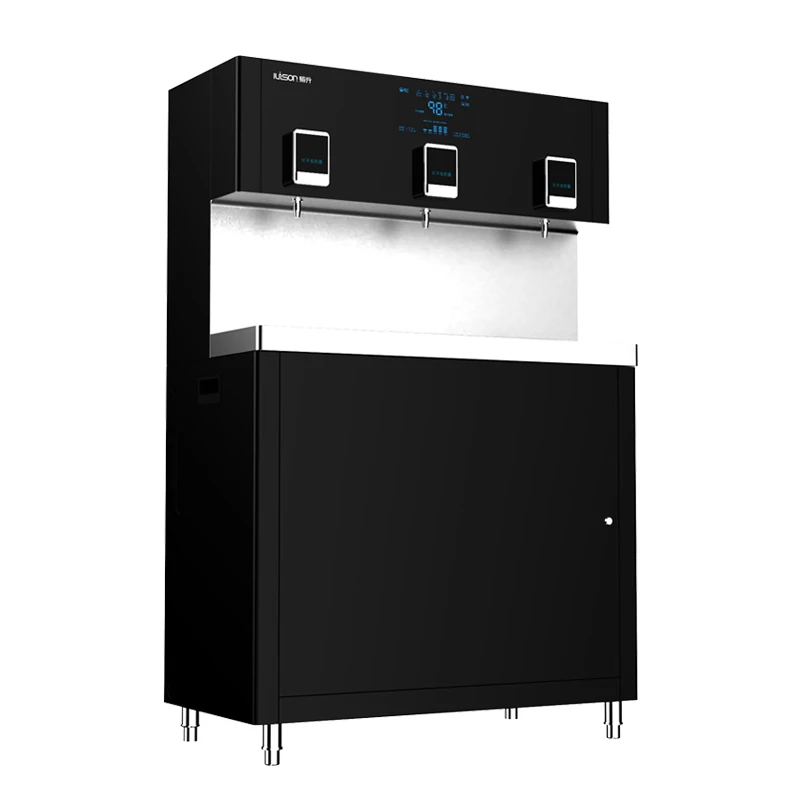
Successful large-scale hydration management begins with thorough capacity planning that accounts for peak usage periods and varying demand patterns. A commercial water cooler must accommodate simultaneous users while maintaining consistent temperature and pressure throughout high-traffic periods. Professional installations typically feature multiple dispensing points to reduce wait times and prevent bottlenecks during busy intervals.
Load distribution analysis considers factors such as building occupancy, shift patterns, and seasonal variations in water consumption. Facilities often experience surge demand during meal breaks, shift changes, and warm weather periods. Strategic water cooler placement and capacity sizing ensure adequate supply during these peak periods while maintaining energy efficiency during lower-demand intervals.
Advanced water cooler systems incorporate smart monitoring capabilities that track usage patterns and predict maintenance requirements. This data-driven approach enables facility managers to optimize distribution networks and prevent service disruptions that could impact large user populations.
Effective water cooler placement requires comprehensive facility analysis to identify optimal locations that maximize accessibility while minimizing infrastructure costs. High-traffic areas such as lobbies, cafeterias, and corridor intersections typically serve as primary hydration points, while secondary locations address specific departmental needs and compliance requirements.
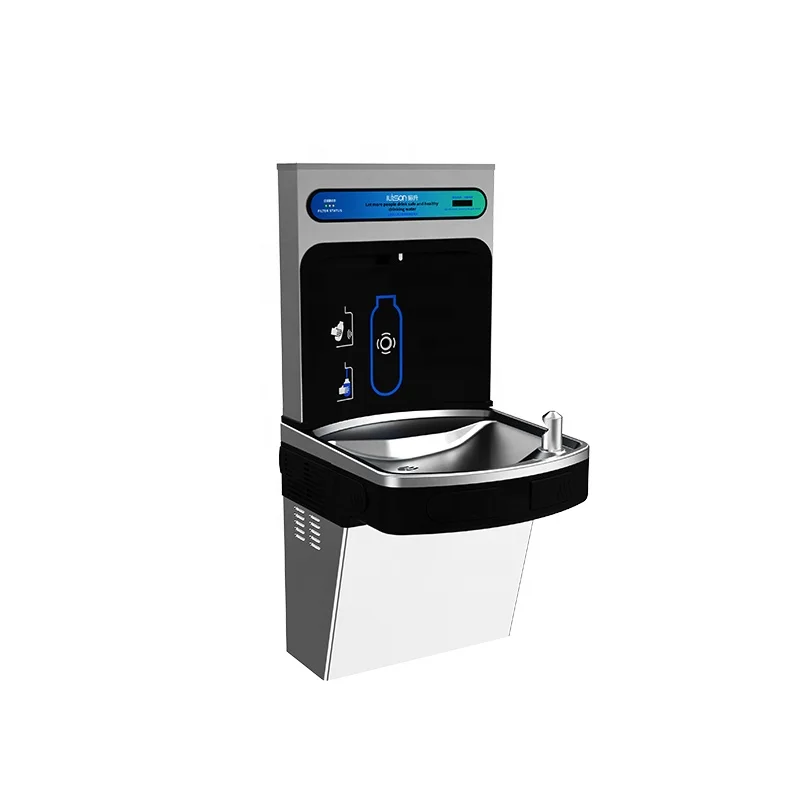
Accessibility standards mandate that water cooler installations accommodate users with varying physical capabilities and mobility requirements. Commercial-grade units often feature multiple dispensing heights and hands-free operation options to ensure universal accessibility throughout large facilities.
Strategic placement also considers proximity to electrical and plumbing infrastructure to minimize installation costs while ensuring reliable operation. Centralized equipment rooms can support multiple water cooler units through dedicated distribution networks, reducing individual unit complexity while maintaining system reliability.
Large-scale hydration management demands sophisticated filtration systems that consistently deliver high-quality water across extensive distribution networks. Commercial water cooler systems typically incorporate multi-stage filtration processes including sediment removal, activated carbon filtration, and reverse osmosis purification to address diverse contaminants and improve taste characteristics.
Advanced filtration technologies remove chlorine, heavy metals, bacteria, and chemical contaminants that may be present in municipal water supplies. These comprehensive systems ensure that water quality remains consistent regardless of source water variations or seasonal changes that might affect taste or safety characteristics.
Professional installations often include real-time water quality monitoring systems that continuously assess filtration performance and alert maintenance personnel when filter replacement or system service becomes necessary. This proactive approach prevents quality degradation and maintains user confidence in the hydration infrastructure.
Systematic maintenance protocols ensure that water cooler systems continue delivering safe, high-quality water throughout their operational lifecycle. Large-scale installations require scheduled filter replacements, sanitization procedures, and performance monitoring to maintain optimal functionality and regulatory compliance.
Professional maintenance programs typically include quarterly filter replacements, annual deep cleaning procedures, and ongoing water quality testing to verify system performance. These comprehensive protocols prevent bacterial growth, maintain taste quality, and extend equipment lifespan while minimizing service disruptions.
Digital monitoring systems provide real-time visibility into system performance, enabling predictive maintenance scheduling and rapid response to potential issues. This technology-driven approach minimizes downtime while ensuring consistent water quality across large facility networks.
Large-scale water cooler implementations require comprehensive cost analysis that extends beyond initial equipment purchase to include installation, maintenance, energy consumption, and replacement costs over the system lifecycle. Professional-grade units often demonstrate superior long-term value through enhanced reliability and lower maintenance requirements despite higher upfront investments.
Energy efficiency considerations become particularly important in large-scale installations where multiple water cooler units operate continuously. Modern systems incorporate advanced insulation, variable-speed compressors, and intelligent temperature control to minimize energy consumption while maintaining performance standards.
Operational cost analysis should also consider labor savings from reduced maintenance requirements, improved reliability, and simplified service procedures that characterize professional-grade water cooler systems. These factors often offset higher initial costs through reduced ongoing operational expenses.
Successful hydration management systems accommodate facility growth and changing requirements through scalable infrastructure design. Modular water cooler installations enable capacity expansion without major system modifications, protecting long-term investment value while maintaining operational flexibility.
Future expansion considerations include electrical capacity, plumbing infrastructure, and space allocation for additional water cooler units. Strategic planning during initial installation phases significantly reduces expansion costs while ensuring system compatibility and performance consistency.
Technology integration capabilities allow modern water cooler systems to incorporate emerging features such as touchless operation, mobile app connectivity, and advanced monitoring capabilities as these technologies mature and become standard features.
Large-scale hydration management must comply with numerous health and safety regulations including FDA standards for water quality, ADA accessibility requirements, and local health department guidelines. Professional water cooler systems incorporate design features and monitoring capabilities that facilitate compliance while minimizing administrative burden.
Installation requirements often specify minimum clearances, electrical safety standards, and water quality monitoring protocols that must be maintained throughout the system lifecycle. Professional installations ensure initial compliance while incorporating features that simplify ongoing regulatory adherence.
Documentation requirements for large facilities typically include water quality testing records, maintenance logs, and equipment certification documents. Modern water cooler systems often include integrated reporting capabilities that streamline compliance documentation and reduce administrative workload.
Effective hygiene protocols prevent contamination and ensure safe water delivery across large user populations. Commercial water cooler systems incorporate antimicrobial surfaces, hands-free operation options, and self-sanitization features that minimize contamination risks while reducing manual cleaning requirements.
Regular sanitization schedules become critical in high-usage environments where bacterial growth risks increase due to frequent contact and environmental exposure. Professional-grade systems often feature automated sanitization cycles and antimicrobial materials that maintain hygiene standards between manual cleaning procedures.
User education programs complement technical hygiene features by promoting proper usage practices and reporting procedures for potential contamination concerns. These comprehensive approaches ensure that water cooler systems continue delivering safe hydration throughout their operational lifecycle.
Modern water cooler systems increasingly incorporate Internet of Things connectivity that enables remote monitoring, predictive maintenance, and usage analytics across large facility networks. These smart features provide facility managers with real-time visibility into system performance while enabling proactive maintenance scheduling and rapid issue resolution.
Remote monitoring capabilities track parameters such as water temperature, filter life, energy consumption, and usage patterns to optimize system performance and prevent service disruptions. This data-driven approach reduces maintenance costs while improving system reliability and user satisfaction.
Integration with facility management systems enables centralized control and monitoring of water cooler networks alongside other building systems. This comprehensive approach streamlines operations while providing valuable insights into facility utilization patterns and infrastructure performance.
Advanced water cooler systems feature intuitive user interfaces that accommodate diverse user populations while providing consistent operation across different facility areas. Touchscreen displays, voice activation, and mobile app connectivity enhance user experience while supporting accessibility requirements.
Customizable dispensing options allow users to select water temperature, volume, and other preferences while maintaining efficient operation during peak usage periods. These features improve user satisfaction while reducing waste and supporting sustainability initiatives.
Integration with facility access control systems enables usage tracking, maintenance scheduling, and security monitoring while protecting user privacy and maintaining system integrity across large installations.
Large-scale water cooler installations significantly impact facility energy consumption and environmental footprint through continuous operation requirements. Energy-efficient systems incorporate advanced insulation, variable-speed compressors, and intelligent controls that minimize power consumption while maintaining performance standards throughout diverse operating conditions.
Water conservation features such as leak detection systems, automatic shutoff valves, and efficient dispensing mechanisms reduce waste while supporting organizational sustainability goals. These technologies become particularly important in large installations where minor inefficiencies can compound into significant resource waste.
Renewable energy integration capabilities allow water cooler systems to operate on solar or other clean energy sources, further reducing environmental impact while demonstrating organizational commitment to sustainability initiatives.
Comprehensive hydration management systems eliminate single-use plastic bottles while providing convenient access to high-quality drinking water across large facilities. This approach significantly reduces waste generation while supporting corporate sustainability commitments and environmental responsibility initiatives.
Reusable bottle programs complement water cooler installations by encouraging sustainable hydration practices while reducing ongoing operational costs associated with bottled water procurement and disposal. These integrated approaches maximize environmental benefits while improving cost-effectiveness.
Equipment lifecycle management includes recycling protocols for water cooler components and filtration systems to minimize waste generation while supporting circular economy principles. Professional service providers often incorporate these sustainability features into comprehensive maintenance programs.
For a facility with 500 employees, water cooler capacity planning should account for peak usage periods and varying consumption patterns. Professional installations typically require systems capable of dispensing 20-30 gallons per hour during peak periods, with multiple dispensing points to prevent bottlenecks. The total network should include 8-12 water cooler units strategically placed throughout the facility to ensure adequate coverage and accessibility for all users.
Commercial water cooler filters in high-usage environments typically require replacement every 3-6 months, depending on water quality, usage volume, and filtration system design. Professional installations often include automated monitoring systems that track filter performance and alert maintenance personnel when replacement becomes necessary. Regular replacement schedules should account for peak usage periods and seasonal variations that may accelerate filter degradation.
Healthcare facility water cooler installations must comply with FDA water quality standards, CDC infection control guidelines, and ADA accessibility requirements. Key compliance elements include antimicrobial surface treatments, hands-free operation capabilities, regular water quality testing, documented sanitization procedures, and appropriate clearances for wheelchair access. Professional installations typically incorporate features that facilitate ongoing compliance while minimizing administrative burden.
Energy efficiency optimization in large water cooler networks involves selecting ENERGY STAR certified equipment, implementing intelligent temperature controls, utilizing advanced insulation technologies, and scheduling maintenance to maintain peak efficiency. Smart monitoring systems enable optimization of cooling cycles based on usage patterns while variable-speed compressors adjust operation to match demand. Strategic placement near existing HVAC systems can also reduce energy consumption through improved thermal management.

IUISON specializes in high-quality SUS commercial drinking water machines, including water coolers, boilers, and outdoor fountains. With 16 years of international trade experience, we provide reliable, customized solutions for businesses, governments, and organizations worldwide.
No. 13, Laocun Industrial Zone, Sanle Road, Lecong Town, Shunde District, Foshan City, Guangdong Province,China.
Copyright © 2026 GUANGDONG IUISON CO.,LTD All Rights Reserved Privacy Policy
 EN
EN
 AR
AR
 HR
HR
 CS
CS
 DA
DA
 NL
NL
 FI
FI
 FR
FR
 DE
DE
 EL
EL
 HI
HI
 IT
IT
 JA
JA
 KO
KO
 PL
PL
 PT
PT
 RO
RO
 RU
RU
 ES
ES
 SV
SV
 TL
TL
 IW
IW
 LT
LT
 SR
SR
 SK
SK
 UK
UK
 VI
VI
 TH
TH
 TR
TR
 FA
FA
 MS
MS
 IS
IS
 HY
HY
 AZ
AZ
 KA
KA
 BN
BN
 KM
KM
 LO
LO
 LA
LA
 MN
MN
 Hot News