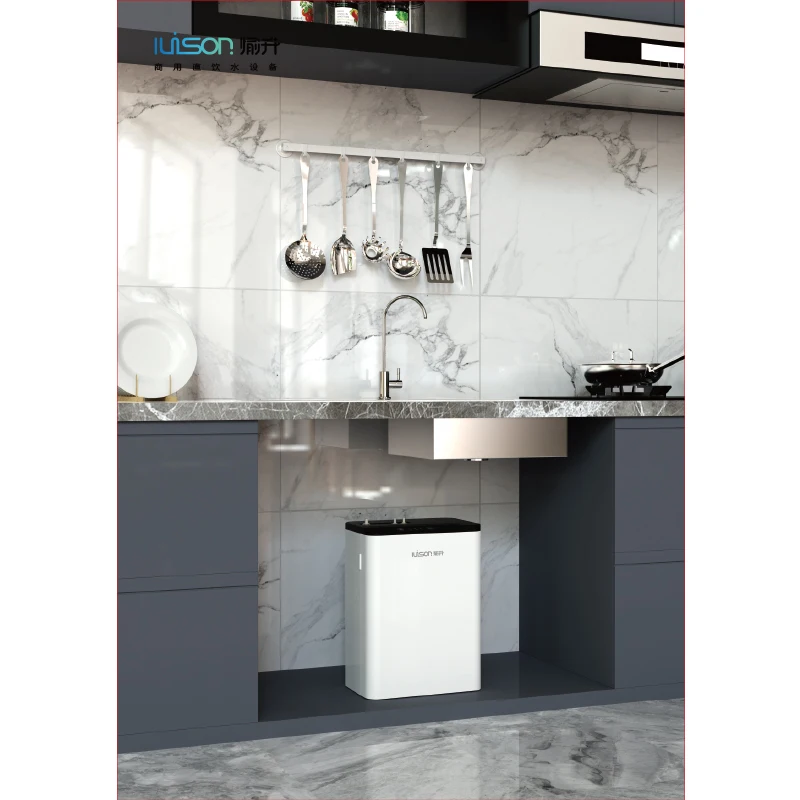
Modern kitchen design has evolved to prioritize both functionality and aesthetic appeal, making space optimization crucial for homeowners and designers alike. An under sink water cooler represents a perfect marriage of these principles, offering convenient access to clean, temperature-controlled water without compromising valuable counter space. This innovative appliance seamlessly integrates into contemporary kitchen layouts while providing the hydration solutions that busy households demand. The strategic placement beneath the sink maximizes efficiency while maintaining the sleek, uncluttered appearance that defines modern kitchen aesthetics.
Contemporary kitchens face constant pressure to accommodate multiple appliances while maintaining clean lines and functionality. An under sink water cooler addresses this challenge by utilizing previously underused cabinet space beneath the kitchen sink. This strategic positioning eliminates the need for countertop water dispensers or bulky filtration systems that can clutter work surfaces. Kitchen designers increasingly recommend this approach as it preserves valuable counter space for food preparation, cooking activities, and decorative elements that enhance the overall aesthetic appeal.
The hidden installation of an under sink water cooler creates a streamlined appearance that aligns with minimalist design principles popular in modern homes. Homeowners can enjoy the benefits of filtered, temperature-controlled water without visual distractions that might disrupt carefully planned kitchen layouts. This concealed approach also prevents the accumulation of dust and grease that often affects exposed appliances, reducing maintenance requirements and preserving the system's longevity.
Modern kitchen layouts benefit from the seamless integration capabilities of an under sink water cooler with existing plumbing infrastructure. Professional installation typically connects directly to the cold water supply line, eliminating the need for additional plumbing modifications or separate water sources. This integration approach minimizes disruption to established kitchen layouts while providing immediate access to purified water through a dedicated faucet or existing sink fixtures.
The compact design of contemporary under sink water cooler systems accommodates various cabinet configurations without requiring significant modifications to existing cabinetry. Advanced models feature flexible dimensions that adapt to different cabinet widths and depths, ensuring compatibility with both standard and custom kitchen designs. This adaptability makes the under sink water cooler an attractive option for kitchen renovations where space constraints and design continuity are primary concerns.
The modern lifestyle demands convenience without compromising quality, making temperature-controlled water access essential in contemporary kitchens. An under sink water cooler delivers both chilled and room temperature water on demand, eliminating the need for refrigerator space dedicated to bottled water or ice-filled pitchers. This immediate availability supports healthy hydration habits while reducing the time and effort required for beverage preparation throughout busy days.
Advanced temperature control features in modern under sink water cooler systems maintain consistent cooling performance even during peak usage periods. Thermostat controls allow users to customize water temperature preferences, accommodating different family members' needs and seasonal variations. The reliable temperature consistency proves particularly valuable for households that frequently entertain guests or maintain active lifestyles requiring regular hydration support.
Contemporary health consciousness has elevated water quality concerns, making filtration capabilities a critical consideration in modern kitchen planning. An under sink water cooler incorporates multi-stage filtration systems that remove chlorine, sediments, and other contaminants commonly found in municipal water supplies. This comprehensive purification process delivers clean, great-tasting water that meets or exceeds bottled water quality standards while reducing ongoing costs and environmental impact.
The filtration technology integrated into modern under sink water cooler systems addresses specific regional water quality challenges through customizable filter configurations. Carbon filtration, reverse osmosis, and UV sterilization options allow homeowners to tailor their water treatment approach based on local water conditions and personal preferences. Regular filter replacement schedules maintain optimal performance while providing long-term cost savings compared to purchasing bottled water alternatives.
Modern kitchen layouts embrace diverse cabinet configurations, from traditional face-frame construction to contemporary frameless European designs. An under sink water cooler accommodates these varied architectural approaches through flexible mounting systems and adjustable dimensions. The compact footprint allows installation in standard sink base cabinets while leaving sufficient space for garbage disposals, shut-off valves, and cleaning supply storage.
The modular design approach of contemporary under sink water cooler systems supports both single and double sink configurations common in modern kitchens. Installation flexibility extends to homes with unusual plumbing arrangements or custom cabinetry, ensuring that space optimization benefits remain accessible regardless of existing kitchen layout constraints. This adaptability proves particularly valuable in urban environments where kitchen space is at a premium and every square inch must serve multiple purposes.
Visual continuity plays a crucial role in modern kitchen design, requiring appliances and fixtures to complement established aesthetic themes. An under sink water cooler integrates seamlessly with existing kitchen hardware through coordinated finishes and design elements that match popular faucet styles and cabinet hardware. Stainless steel, brushed nickel, and matte black finish options ensure compatibility with contemporary design trends while maintaining durability and ease of maintenance.
The dispensing faucet associated with an under sink water cooler can be selected to complement existing sink fixtures, creating a cohesive appearance that enhances overall kitchen design integrity. Some systems offer the option to integrate with existing faucets through diverter valves, eliminating the need for additional holes in countertops or sinks. This integration approach preserves clean lines while providing the functional benefits of filtered, temperature-controlled water access.
The installation of an under sink water cooler in modern kitchens requires careful consideration of electrical and plumbing infrastructure to ensure optimal performance and code compliance. Most systems require a dedicated electrical circuit to power cooling compressors and filtration pumps, necessitating access to GFCI-protected outlets within the sink cabinet area. Professional installation ensures proper electrical connections while maintaining safety standards and warranty coverage for the cooling system components.
Water supply connections for an under sink water cooler typically interface with existing cold water lines through compression fittings or quick-connect systems designed for easy installation and maintenance. Proper installation includes appropriate shut-off valves and pressure regulation to protect system components from damage due to water hammer or excessive supply pressure. These considerations become particularly important in modern kitchens where water pressure may vary due to complex plumbing layouts or multi-story installations.
Modern kitchen designs must balance aesthetic appeal with practical maintenance requirements, making serviceability a key consideration for under sink water cooler installations. Adequate clearance around system components ensures easy access for filter replacements, cleaning procedures, and potential service calls without requiring extensive cabinet modification or appliance removal. This accessibility proves essential for maintaining optimal performance and extending system lifespan in busy household environments.
The compact design of contemporary under sink water cooler systems incorporates user-friendly maintenance features that minimize service disruption to kitchen operations. Tool-free filter replacement mechanisms and front-accessible service panels allow homeowners to perform routine maintenance without professional assistance. Clear labeling and intuitive component layouts reduce the learning curve associated with system care, encouraging proper maintenance practices that preserve water quality and cooling performance over time.
Energy efficiency considerations have become paramount in modern kitchen appliance selection, making the cooling technology employed in under sink water cooler systems a critical evaluation factor. Contemporary units utilize advanced compressor technology and improved insulation materials to minimize energy consumption while maintaining consistent cooling performance. Variable speed compressors adjust cooling output based on demand, reducing unnecessary energy usage during periods of low water consumption.
The integration of smart temperature controls in modern under sink water cooler systems optimizes energy usage through predictive cooling algorithms and user pattern recognition. These intelligent systems learn household water consumption habits and adjust cooling cycles accordingly, maintaining desired water temperatures while minimizing electrical consumption. Energy Star certified models provide quantifiable efficiency metrics that support sustainable kitchen design goals while reducing long-term operating costs.
Effective insulation technology in an under sink water cooler prevents energy loss and maintains water temperature consistency even in challenging installation environments. High-density foam insulation and vacuum-sealed cooling chambers minimize heat transfer from surrounding cabinet spaces, reducing compressor workload and extending system lifespan. This thermal efficiency proves particularly important in modern kitchens where ambient temperatures may fluctuate due to cooking activities and climate control systems.
Advanced thermal retention features in contemporary under sink water cooler designs include insulated water lines and thermal barriers that prevent warm-up during standby periods. These engineering improvements maintain cooled water temperature for extended periods without continuous compressor operation, contributing to overall energy efficiency while ensuring immediate cold water availability when needed. The combination of effective insulation and efficient cooling technology makes modern under sink water cooler systems environmentally responsible choices for contemporary kitchen applications.
The financial evaluation of an under sink water cooler installation involves comparing initial equipment and installation costs against long-term savings from reduced bottled water purchases and improved water quality. Professional installation typically ranges from moderate to substantial depending on existing kitchen infrastructure and system complexity, but these upfront costs are offset by elimination of ongoing bottled water expenses and reduced refrigerator energy consumption from storing cold beverages.
Long-term value considerations for an under sink water cooler extend beyond direct cost savings to include improved property value and enhanced kitchen functionality. Modern homebuyers increasingly value integrated appliances and water quality systems, making under sink installation a worthwhile investment for homes in competitive real estate markets. The durability and reliability of quality under sink water cooler systems provide years of service with minimal maintenance requirements, further enhancing the overall value proposition.
Ongoing operating costs for an under sink water cooler include periodic filter replacements, electrical consumption, and occasional professional service calls for system maintenance. Filter replacement schedules typically range from every six months to annually depending on water quality conditions and usage volume, with replacement costs varying based on filtration technology complexity. Energy consumption costs remain minimal due to efficient cooling technology and insulated storage tanks that reduce compressor cycling frequency.
Preventive maintenance programs for under sink water cooler systems help minimize unexpected repair costs while ensuring optimal performance and water quality consistency. Regular cleaning procedures, filter replacement tracking, and annual system inspections prevent minor issues from developing into costly repairs. The reliability of modern under sink water cooler components reduces service call frequency compared to older systems, contributing to lower total cost of ownership over the system's operational lifespan.
An under sink water cooler typically requires a minimum cabinet width of 24 inches and depth of 18 inches to accommodate the cooling unit and provide adequate clearance for maintenance access. Standard installations need approximately 15 inches of vertical clearance beneath the sink to house the main cooling components, though compact models may require less space. Additional considerations include electrical outlet access and sufficient room for water line connections to existing plumbing infrastructure.
Installation of an under sink water cooler reduces available cabinet storage space by approximately 30-50% depending on the unit size and configuration. However, the remaining space can still accommodate cleaning supplies, small appliances, or other kitchen necessities through strategic organization. Many homeowners find that the convenience and space savings on countertops offset the reduced cabinet storage, particularly when the system replaces bulky water dispensers or multiple bottled water cases.
Regular maintenance for an under sink water cooler includes filter replacement every 6-12 months depending on water quality and usage, periodic cleaning of the cooling coils, and annual inspection of electrical connections and water lines. Most systems feature indicator lights or alarms that notify users when filter replacement is due, simplifying maintenance scheduling. Professional service calls may be needed every 2-3 years for comprehensive system cleaning and component inspection to ensure optimal performance.
Many under sink water cooler systems can integrate with existing kitchen faucets through diverter valves or multi-function faucet replacements that provide both regular tap water and filtered cooled water from a single fixture. Alternatively, dedicated dispensing faucets can be installed through existing sink holes or countertop penetrations to provide direct access to cooled filtered water. The integration approach depends on faucet compatibility and homeowner preferences for maintaining existing kitchen hardware aesthetics.

IUISON specializes in high-quality SUS commercial drinking water machines, including water coolers, boilers, and outdoor fountains. With 16 years of international trade experience, we provide reliable, customized solutions for businesses, governments, and organizations worldwide.
No. 13, Laocun Industrial Zone, Sanle Road, Lecong Town, Shunde District, Foshan City, Guangdong Province,China.
Copyright © 2026 GUANGDONG IUISON CO.,LTD All Rights Reserved Privacy Policy
 EN
EN
 AR
AR
 HR
HR
 CS
CS
 DA
DA
 NL
NL
 FI
FI
 FR
FR
 DE
DE
 EL
EL
 HI
HI
 IT
IT
 JA
JA
 KO
KO
 PL
PL
 PT
PT
 RO
RO
 RU
RU
 ES
ES
 SV
SV
 TL
TL
 IW
IW
 LT
LT
 SR
SR
 SK
SK
 UK
UK
 VI
VI
 TH
TH
 TR
TR
 FA
FA
 MS
MS
 IS
IS
 HY
HY
 AZ
AZ
 KA
KA
 BN
BN
 KM
KM
 LO
LO
 LA
LA
 MN
MN
 Hot News