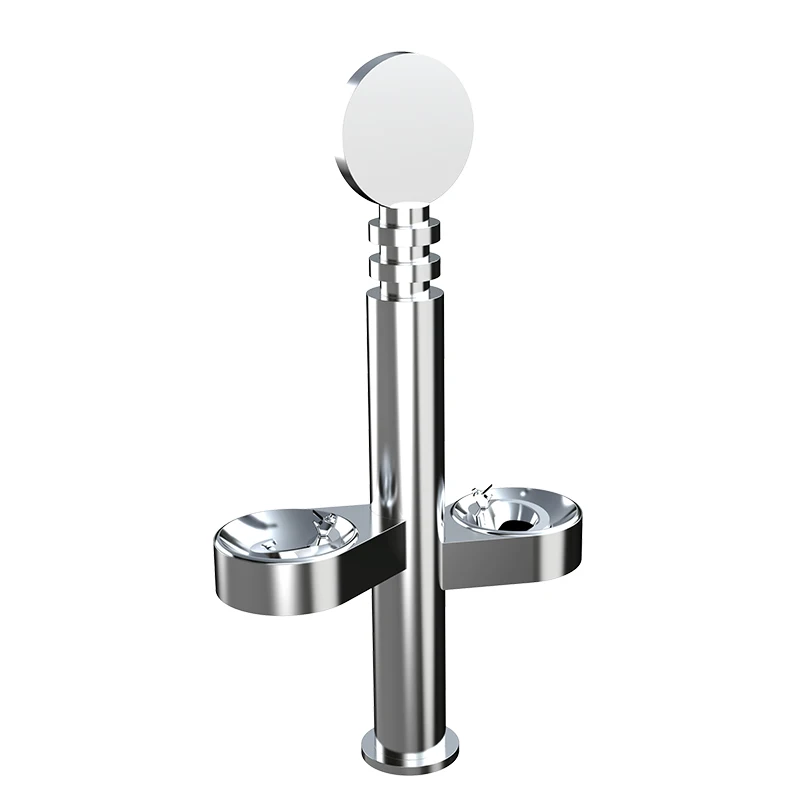
Selecting the right stainless steel water cooler for public spaces requires careful consideration of multiple factors to ensure durability, functionality, and user satisfaction. These robust drinking water solutions serve hundreds of people daily in various settings, from busy office buildings to educational institutions and healthcare facilities. Understanding the key aspects that make a commercial water dispenser effective is crucial for facility managers and business owners who aim to provide clean, refreshing water while maintaining hygiene standards.
When evaluating a stainless steel water cooler, the grade of stainless steel used in construction plays a vital role in its longevity. Premium models typically feature Type 304 stainless steel, known for its excellent corrosion resistance and durability. The exterior should have a brushed or polished finish that not only looks professional but also resists fingerprints and maintains its appearance even with heavy use.
The thickness of the stainless steel panels directly impacts the unit's structural integrity and resistance to dents. Commercial-grade water coolers should incorporate reinforced corners and edges to withstand impacts from foot traffic and cleaning equipment in busy public areas. Additionally, the welding quality and seamless construction help prevent bacterial growth and simplify maintenance procedures.
A well-designed stainless steel water cooler should accommodate users of various heights and abilities. The dispenser height should comply with ADA requirements, typically ranging between 38 to 43 inches from the floor to the water outlet. The activation buttons or levers must be easily accessible and operable with minimal force, ensuring comfortable use for all individuals.
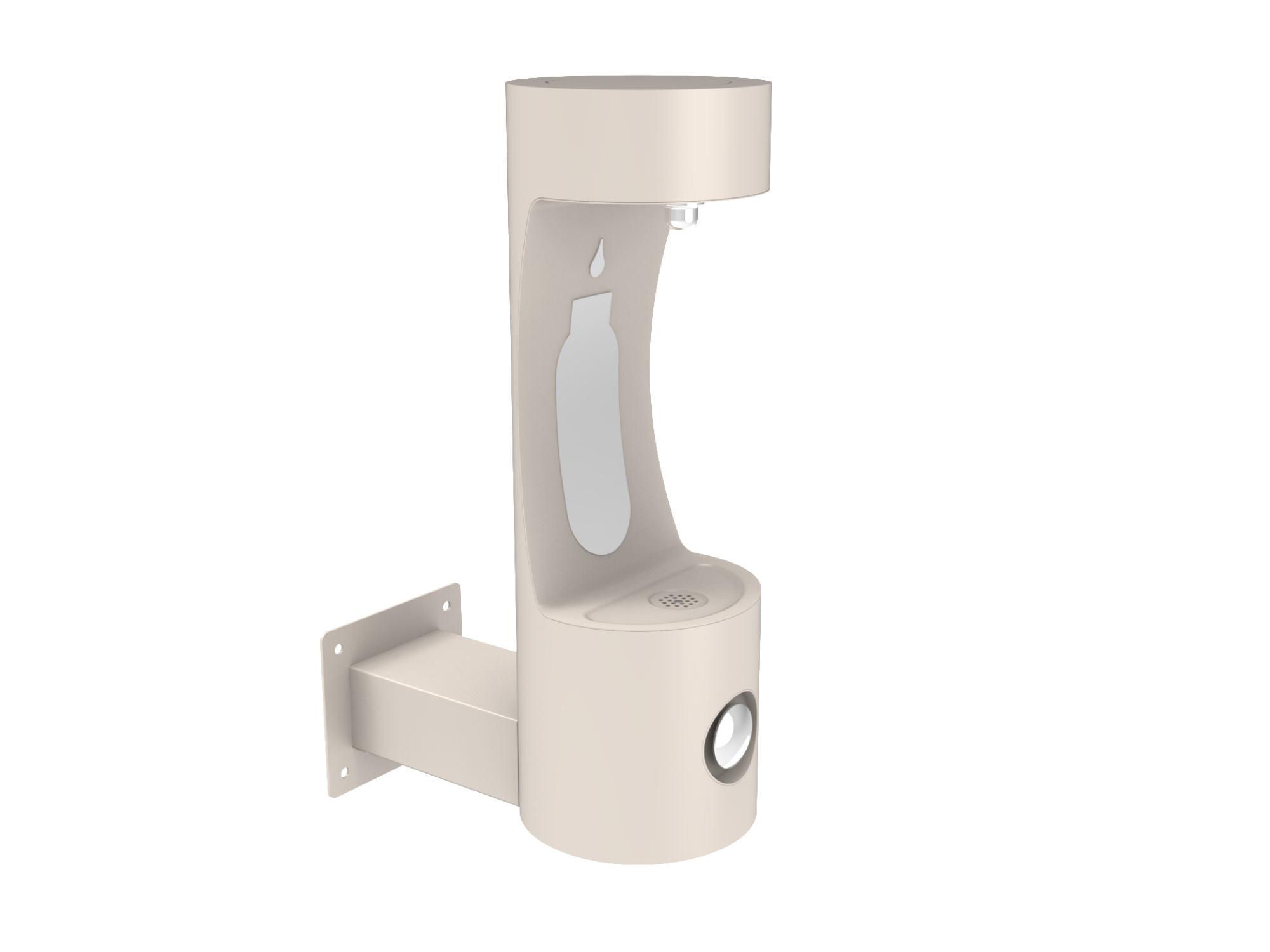
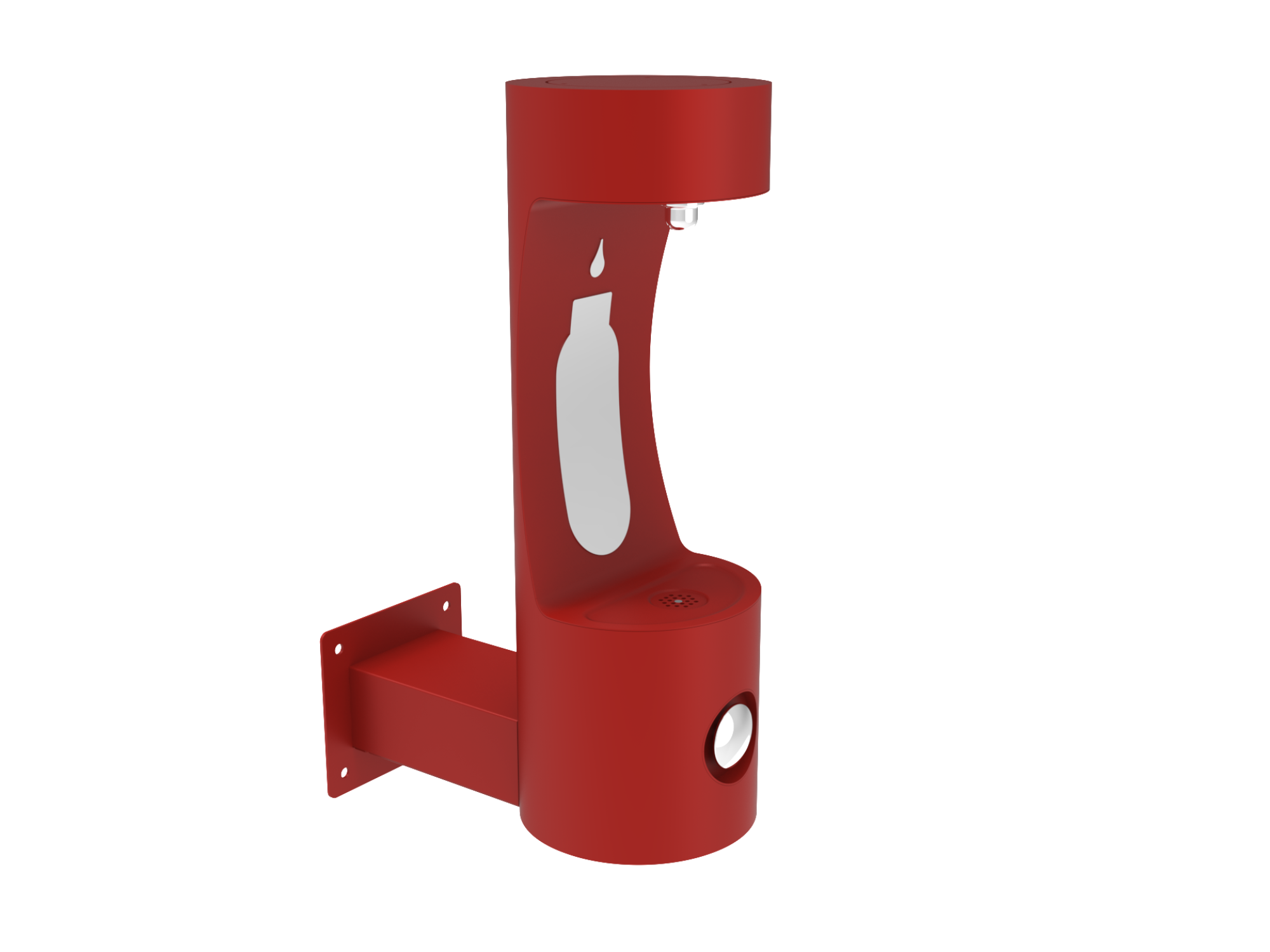
Consider models with recessed alcoves that provide adequate space for various container sizes, from standard water bottles to large sports containers. The drain design should effectively capture and channel overflow water, preventing slip hazards in public areas. Some advanced models feature built-in bottle filling stations with automatic sensors, enhancing user convenience and reducing contact points.
The cooling capacity of a stainless steel water cooler is crucial for maintaining consistent water temperature during peak usage periods. Commercial units typically employ either a direct chill or storage tank system. Direct chill systems cool water on demand, offering better energy efficiency and reducing the risk of bacterial growth. Storage tank systems can handle higher volumes but require more frequent maintenance to ensure water quality.
Look for models with advanced compressor technology that provides rapid cooling recovery times. Energy-efficient units may feature smart controls that adjust cooling intensity based on usage patterns, helping to reduce operational costs while maintaining optimal performance. The refrigeration system should use environmentally friendly refrigerants and include safety features to prevent overheating.
Modern stainless steel water cooler models offer precise temperature control systems to maintain ideal drinking water temperatures. The best units provide consistent cooling between 40°F to 50°F (4°C to 10°C), with some models offering adjustable settings to meet specific requirements. Digital temperature displays and monitoring systems help facility managers ensure proper operation and track performance metrics.
Advanced models may include automated temperature safety controls that prevent dispensing if the water temperature rises above safe levels. This feature is particularly important in healthcare facilities and schools where maintaining proper water temperature is critical for user safety and compliance with health regulations.
A high-quality stainless steel water cooler should incorporate an effective filtration system to ensure water safety and taste. Multi-stage filtration systems typically include sediment filters, activated carbon filters, and optional UV sterilization. These components work together to remove contaminants, improve taste, and eliminate harmful microorganisms.
Consider models with filter life indicators and easy filter replacement access to simplify maintenance procedures. Some advanced units feature smart monitoring systems that track filter performance and automatically notify maintenance staff when replacement is needed. The filtration system should be certified to meet relevant drinking water standards and provide consistent water quality throughout its service life.
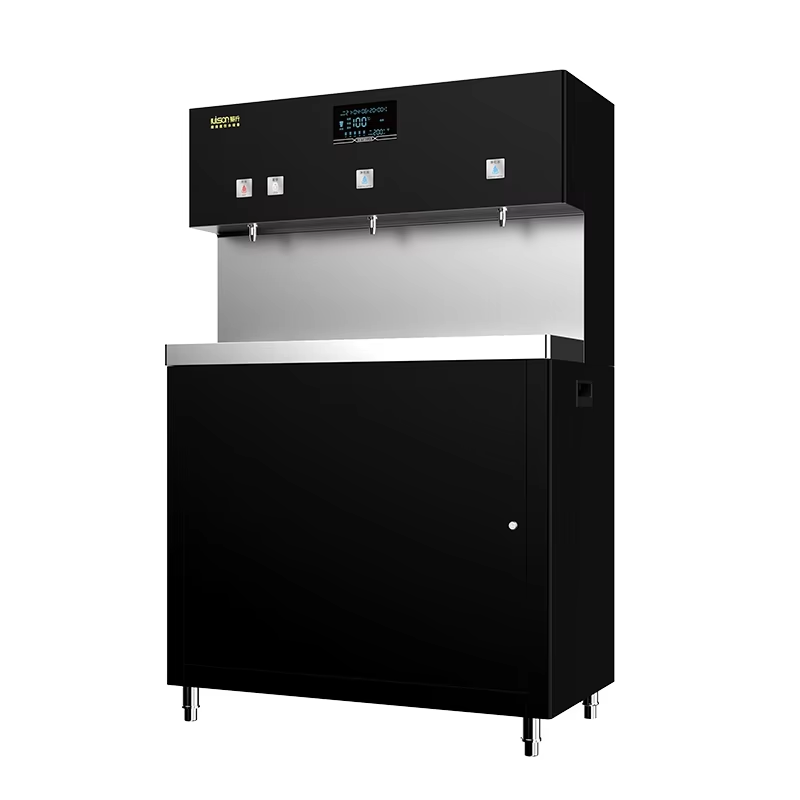
Public water dispensers must incorporate robust hygiene features to prevent bacterial growth and cross-contamination. Look for stainless steel water cooler models with antimicrobial surface treatments on high-touch areas such as buttons and spouts. Some manufacturers offer units with built-in sanitization systems that periodically clean internal water lines and contact surfaces.
Advanced hygiene features may include touchless operation through motion sensors or foot pedals, reducing contact points and improving user safety. The drain system should include antimicrobial components and be designed for easy cleaning to prevent biofilm formation and maintain optimal hygiene conditions.
Selecting a stainless steel water cooler with straightforward maintenance requirements helps ensure consistent performance and longevity. Look for models with easily accessible components for routine cleaning and service. The exterior should be designed to maintain its appearance with simple cleaning procedures, while internal components should be arranged for efficient maintenance access.
Consider units with self-diagnostic systems that can alert maintenance staff to potential issues before they become serious problems. Preventive maintenance schedules should be clearly outlined in the product documentation, including filter replacement intervals, sanitization procedures, and recommended professional service checks.
A comprehensive warranty package and reliable service support are essential considerations when choosing a commercial water cooler. Look for manufacturers offering extended warranty coverage on critical components such as the compressor and cooling system. The warranty should include provisions for rapid response service to minimize downtime in busy public areas.
Evaluate the availability of local service technicians and spare parts to ensure prompt maintenance support when needed. Some manufacturers offer service contracts that include regular maintenance visits and priority response for emergency repairs, providing peace of mind for facility managers.
The ideal cooling capacity depends on the expected user volume and peak usage periods. For most public areas, a stainless steel water cooler should be able to serve at least 40-50 people per hour while maintaining consistent water temperature. Consider models with at least 4-5 gallons per hour cooling capacity for high-traffic areas.
Filter replacement frequency typically ranges from 3 to 6 months, depending on usage volume and local water quality. However, units with electronic monitoring systems can provide more accurate replacement timing based on actual water consumption and filter performance metrics.
Look for units certified by recognized organizations such as NSF International, UL, and Energy Star. These certifications ensure the water cooler meets safety, performance, and energy efficiency standards. Additionally, verify that the unit complies with local health department regulations and ADA accessibility requirements.

IUISON specializes in high-quality SUS commercial drinking water machines, including water coolers, boilers, and outdoor fountains. With 16 years of international trade experience, we provide reliable, customized solutions for businesses, governments, and organizations worldwide.
No. 13, Laocun Industrial Zone, Sanle Road, Lecong Town, Shunde District, Foshan City, Guangdong Province,China.
Copyright © 2026 GUANGDONG IUISON CO.,LTD All Rights Reserved Privacy Policy
 EN
EN
 AR
AR
 HR
HR
 CS
CS
 DA
DA
 NL
NL
 FI
FI
 FR
FR
 DE
DE
 EL
EL
 HI
HI
 IT
IT
 JA
JA
 KO
KO
 PL
PL
 PT
PT
 RO
RO
 RU
RU
 ES
ES
 SV
SV
 TL
TL
 IW
IW
 LT
LT
 SR
SR
 SK
SK
 UK
UK
 VI
VI
 TH
TH
 TR
TR
 FA
FA
 MS
MS
 IS
IS
 HY
HY
 AZ
AZ
 KA
KA
 BN
BN
 KM
KM
 LO
LO
 LA
LA
 MN
MN

 Hot News