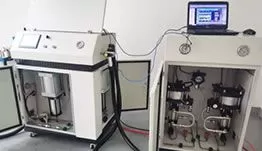
For facility managers confronting dynamic workspace changes or procurement directors balancing scalability with budgets, monolithic water systems often create costly bottlenecks. Modular Water Dispenser configurations could fundamentally transform how enterprises deliver hydration – adapting fluidly to shifting needs without capital waste.
Old fashioned water dispensers often need complete replacement whenever office spaces get rearranged. Modular systems fix this problem with parts that can be moved around easily, think rail mounted options or dispensers that stack on top of each other. When departments move locations or companies create bigger work areas for collaboration, maintenance staff just pop off old modules and attach new ones in no time at all, so nobody sits there waiting for hours without water access. A tech company in Europe actually cut down their setup time during renovations by about three quarters after switching to these flexible systems.
Generic solutions struggle with sector-specific hydration challenges:
The pay as you grow model changes how companies think about their water systems, turning big upfront costs into manageable monthly expenses instead. Businesses can begin with a basic system for around 50 staff members and simply add extra components when their team grows larger. This step by step method lets companies wait until they actually need more capacity before spending money on it. One real world example saw a company save over 100 thousand dollars over three years compared to what they would have spent replacing their entire system multiple times as their workforce expanded rapidly.
Predictive maintenance becomes feasible through embedded IoT sensors monitoring filter life or cooling performance. These could feed data into facilities management platforms like IBM Maximo via API integrations, enabling automated service alerts. Reports indicate potential maintenance cost reductions exceeding 40% by preempting failures during off-peak hours.
Modular architectures inherently support circular economy principles:
Modular design is becoming essential for modern water solutions. Traditional static dispensers just don't cut it anymore when compared to iuison's modular approach. These systems offer real flexibility - they can be rearranged quickly, scaled up as demand grows without wasting resources, and smart features can be added exactly where they're needed. For finance teams watching those budget numbers closely or green initiatives monitoring their ESG scores, modular water infrastructure represents something different than what we've seen before. Instead of seeing hydration as another line item expense, organizations now have the chance to turn it into something dynamic that actually responds to changing conditions on site.

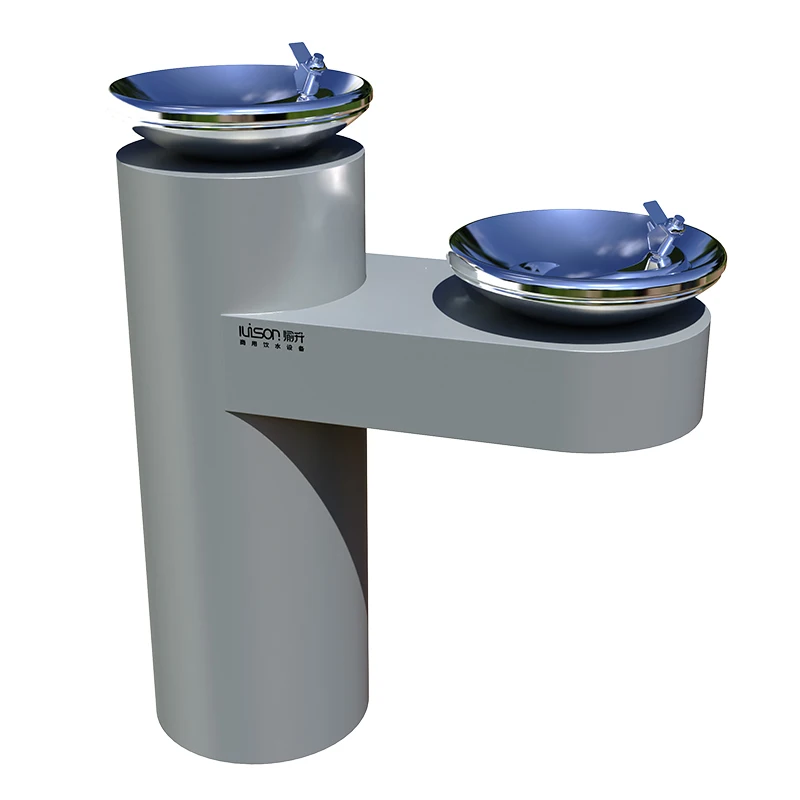
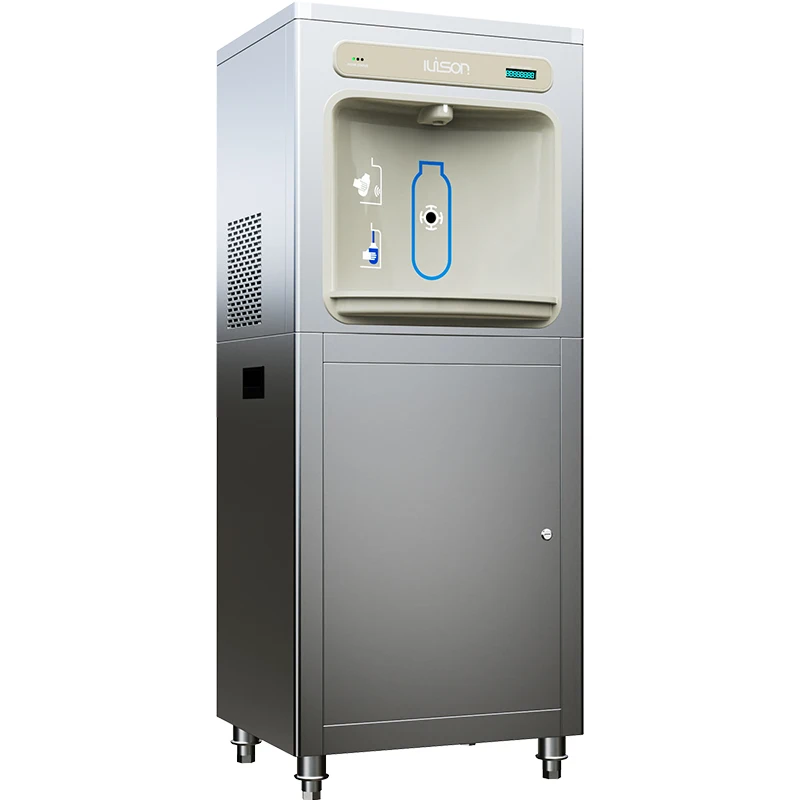
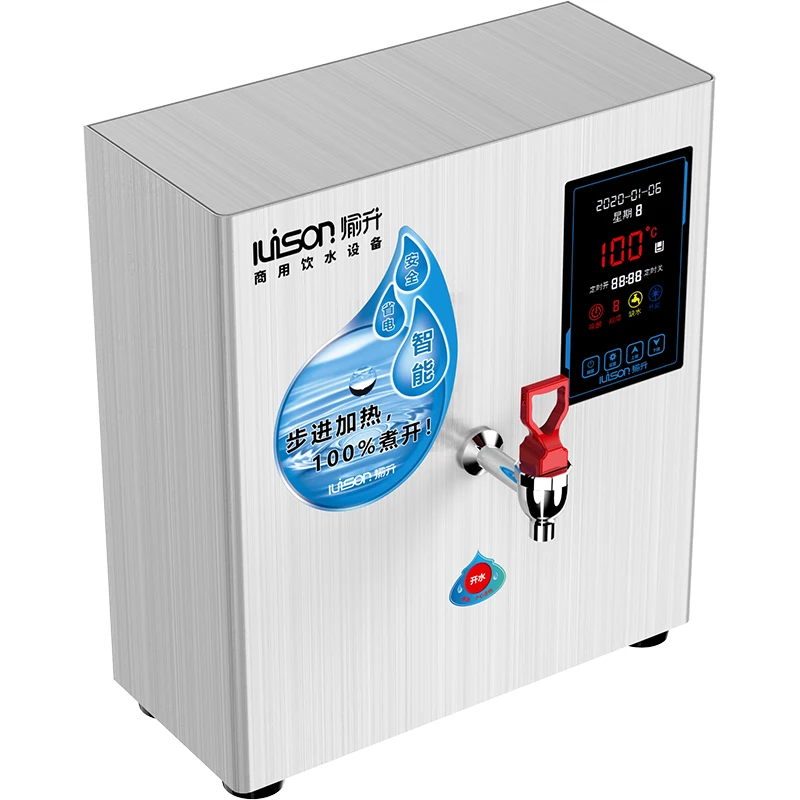
IUISON specializes in high-quality SUS commercial drinking water machines, including water coolers, boilers, and outdoor fountains. With 16 years of international trade experience, we provide reliable, customized solutions for businesses, governments, and organizations worldwide.
No. 13, Laocun Industrial Zone, Sanle Road, Lecong Town, Shunde District, Foshan City, Guangdong Province,China.
Copyright © 2026 GUANGDONG IUISON CO.,LTD All Rights Reserved Privacy Policy
 EN
EN
 AR
AR
 HR
HR
 CS
CS
 DA
DA
 NL
NL
 FI
FI
 FR
FR
 DE
DE
 EL
EL
 HI
HI
 IT
IT
 JA
JA
 KO
KO
 PL
PL
 PT
PT
 RO
RO
 RU
RU
 ES
ES
 SV
SV
 TL
TL
 IW
IW
 LT
LT
 SR
SR
 SK
SK
 UK
UK
 VI
VI
 TH
TH
 TR
TR
 FA
FA
 MS
MS
 IS
IS
 HY
HY
 AZ
AZ
 KA
KA
 BN
BN
 KM
KM
 LO
LO
 LA
LA
 MN
MN
 Hot News