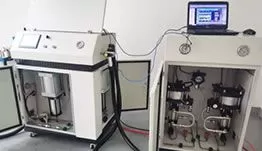
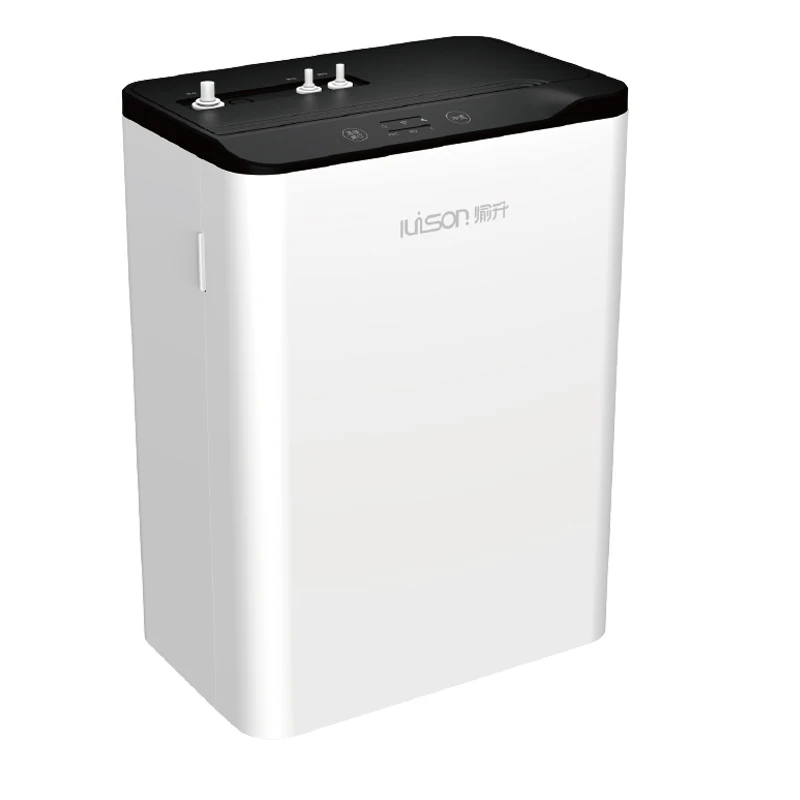
Compact chillers make great sense when trying to save space underneath sinks without losing out on performance. They fit right in with those sleek, minimalist kitchens because they take up hardly any room at all yet still manage decent cooling power. Getting the pipes and wires in just the right spots really helps everything blend together nicely, so homeowners get both function and looks from their setup. The newer models come with these modular connectors too, which means installing them isn't such a headache anymore. Plus, if something breaks down later on, swapping parts becomes much easier than it used to be. These small chillers just work so well with what people want nowadays in their kitchen spaces.
Under-sink water cooling systems, like an under-sink water chiller or under-sink water dispenser, play a crucial role in this space-saving design.
Stacking filtration parts vertically makes sense when trying to get the most out of that cramped area under the sink. The setup actually does double duty saving precious cabinet space while making water flow better through the system thanks to gravity doing its thing. Most people don't realize how much difference this can make for keeping things cool properly. To keep everything stable, many installers use special brackets or go with systems designed specifically for stacking. These setups stay put during regular use and make maintenance a lot easier since there's no need to tear everything apart just to check one filter. For anyone dealing with limited storage space beneath their kitchen sink, going vertical with filtration equipment turns what would otherwise be wasted space into something functional and accessible.
LSI keywords such as filtration components and water flow are relevant when configuring under-sink water chillers to improve efficiency and usability.
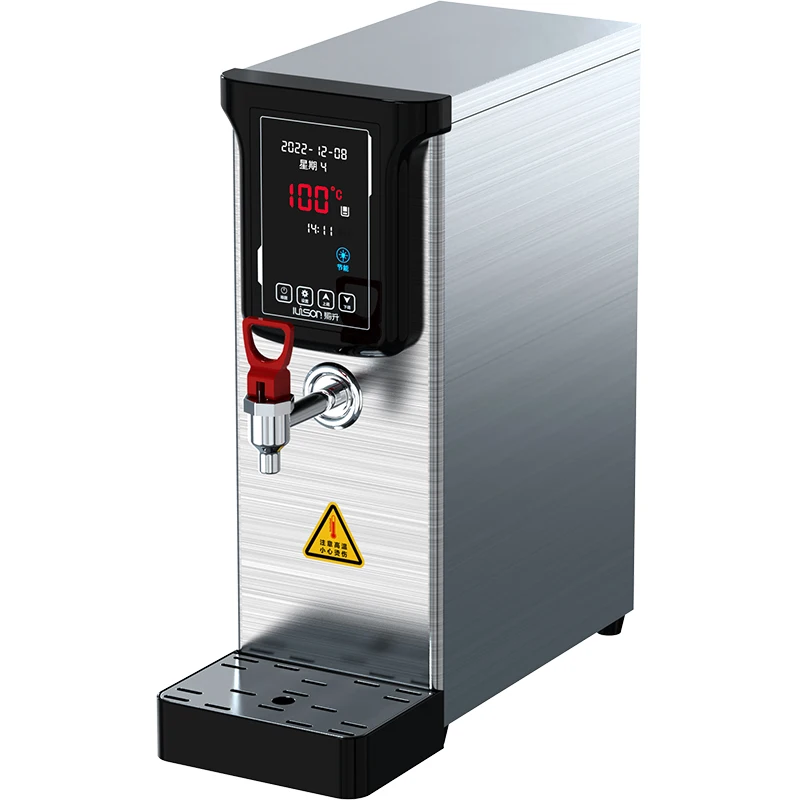
Kitchen faucets that do double duty have become pretty common these days. They give homeowners access to drinking water right at the sink while also adding extra features like those handy hot water dispensers installed underneath. No need for all those separate taps anymore, which frees up precious counter space in small kitchens. Many models now come with touch activated controls or motion sensors so hands stay clean when filling pots or washing veggies. The look is generally quite modern too, making them fit well with most contemporary kitchen designs without cluttering the area with unnecessary hardware. For anyone trying to make their kitchen work better without taking up more room, these combined units really pack a punch with everything they offer in one compact package.
Faucet technology and the inclusion of versatile features add significant value to under-sink water cooling systems, ensuring they fit seamlessly into contemporary kitchen designs.
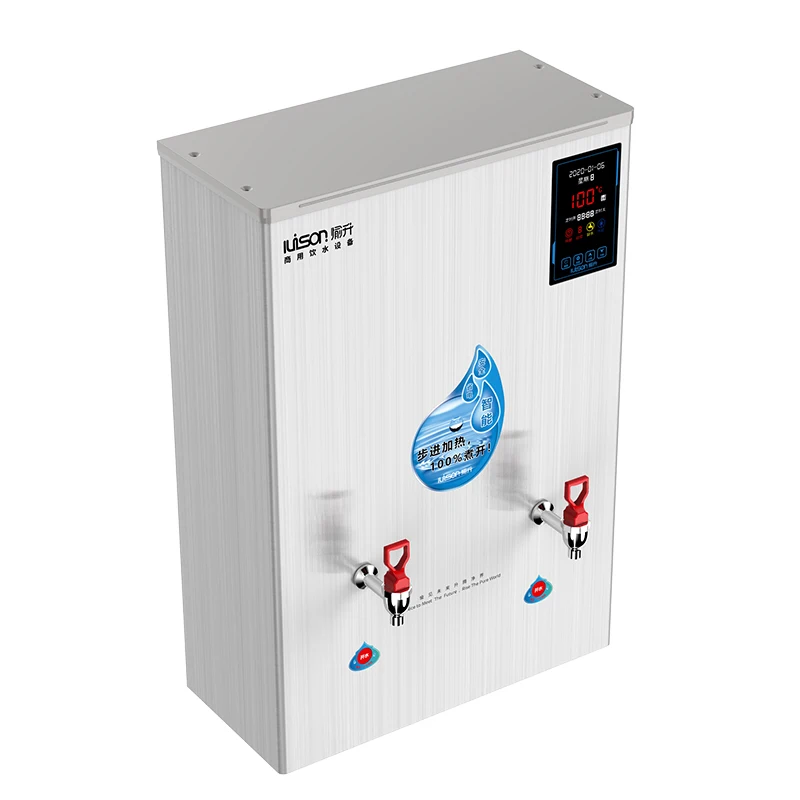
Today's cooling systems combine thermoelectric and compressor based tech, each bringing something special to the table. The thermoelectric ones stand out because they take up so little room and don't need much upkeep since there aren't many parts moving around inside. That's why people love installing these under sinks, particularly when setting up those handy hot water dispensers that save counter space. Compressor systems tell a different story though. They definitely need more room but pack a bigger punch, chilling things down quicker than their smaller cousins. This matters a lot in places where temperatures need to drop fast. Looking at energy consumption, thermoelectric models generally sip rather than guzzle power, making them great for smaller jobs around the house. As homes get smarter about how they use resources, these kinds of efficient solutions become increasingly attractive options for everyday folks wanting to cut costs without sacrificing performance.
Hybrid water systems changed the game for modern kitchens, giving people access to both hot and cold water at the same time. What makes them stand out is their built-in filters that keep tap water safe to drink while making it taste better too. Homeowners love how these units pack so much functionality into one compact setup without taking up too much counter space. Plus, they help save money on water bills since there's less wasted running back down the drain, which fits right in with today's green living trends. We see this tech really shine under sinks where space matters most but having multiple functions still needs to work seamlessly together for daily kitchen tasks.
Designed specifically for those tight spots beneath sinks where every inch counts, low profile tanks solve the problem without sacrificing what they need to do. They're slim enough to fit without getting in the way, which means plumbers and homeowners can actually organize other stuff down there too. The way these tanks are built gives good access when someone needs to check or fix them later on, so they tend to last longer and work better over time. For anyone dealing with small kitchens or remodeling older homes, these compact storage solutions make a real difference in making the most out of cramped spaces without cutting corners on essential features.
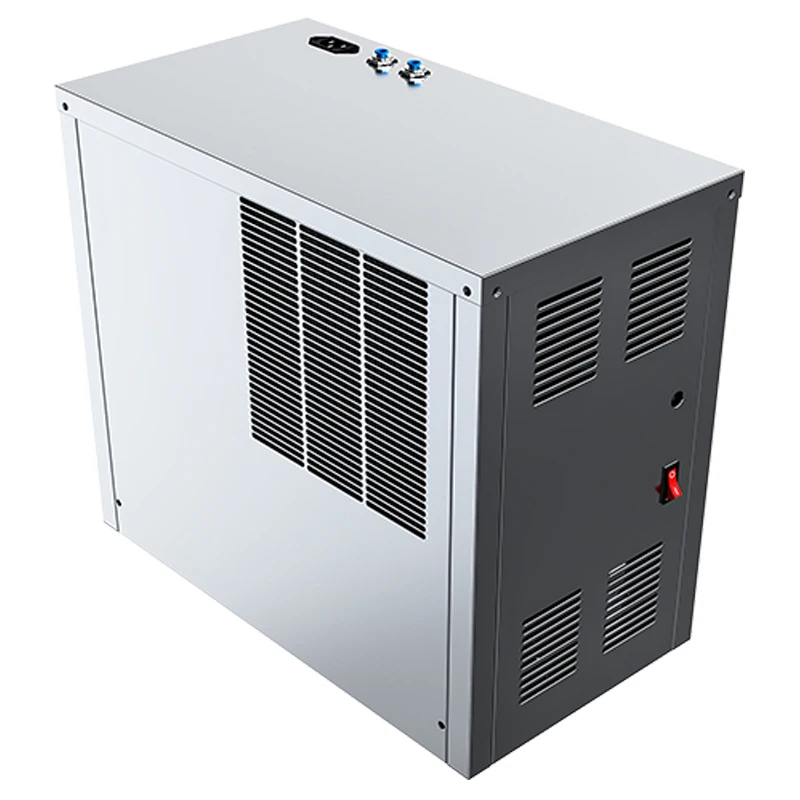
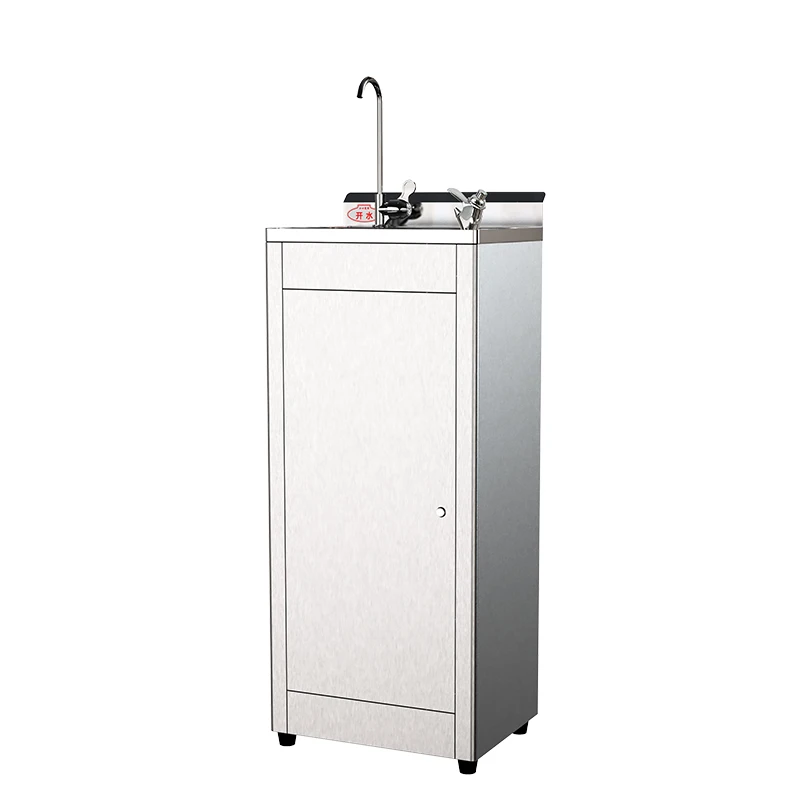
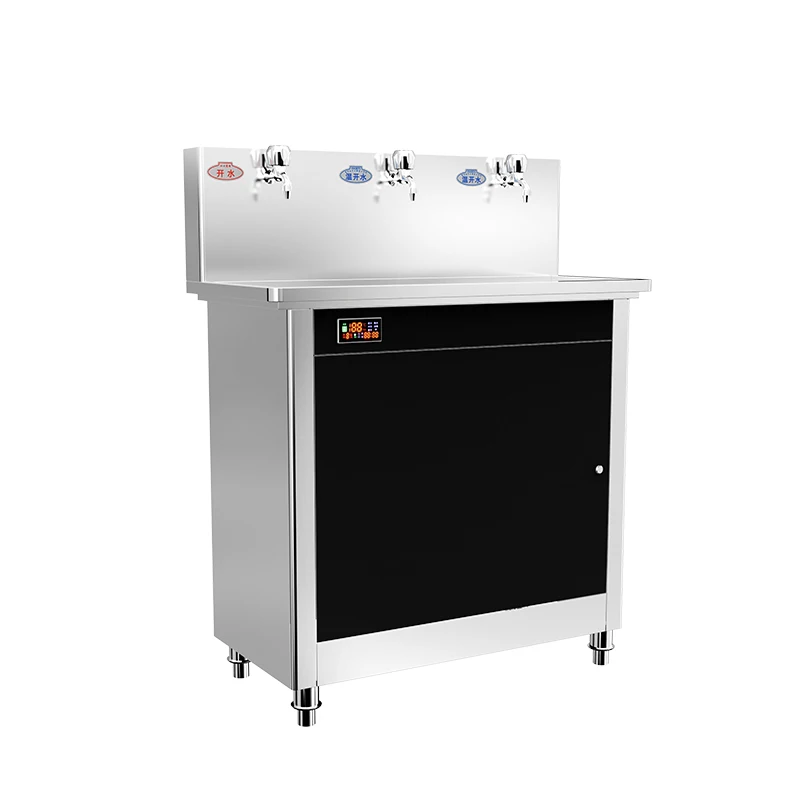
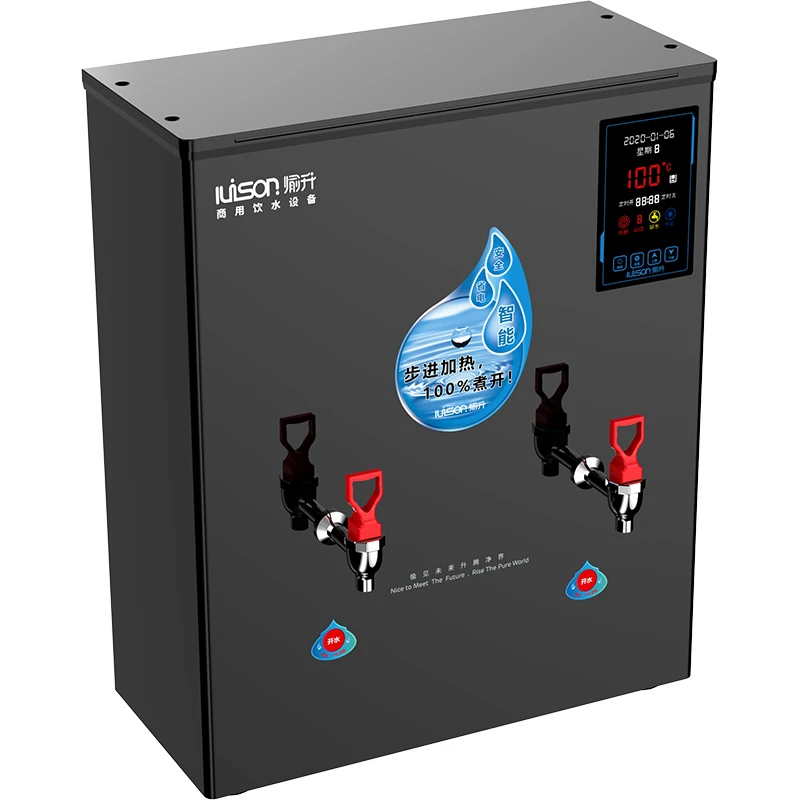
Stainless steel under sink water coolers really stand out when looking for something that lasts forever and won't rust away. Most people find these units last years without much trouble at all, which makes them great additions to kitchens and offices alike. Manufacturers offer several different sizes too, so whether someone lives alone or runs a busy restaurant, there's probably a model that fits their space just right. Before buying though, shoppers should definitely check the energy efficiency rating since this can save money over time while still getting cold drinks whenever needed. The best part about energy saving models? They work wonders in places where lots of people need ice water throughout the day, keeping things flowing smoothly without guzzling electricity like older machines tend to do.
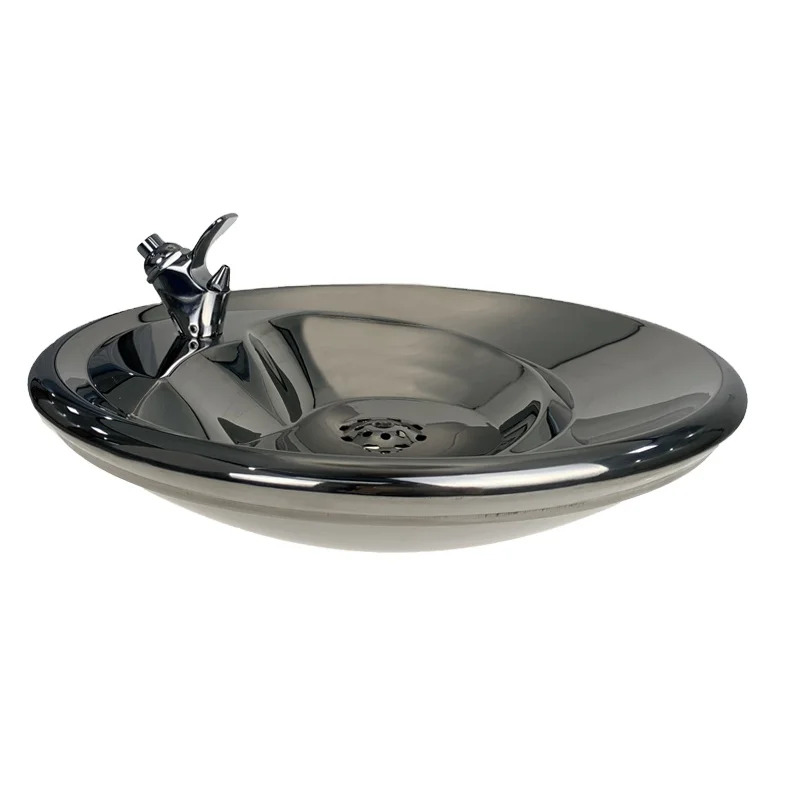
SUS304 stainless steel stands out because of its toughness and ability to withstand all sorts of weather without corroding, which makes it great for outdoor sinks. These sinks can handle whatever Mother Nature throws at them from scorching sun to freezing rain, yet still look good and work properly after years of use. Most models have tall spouts and comfortable handles that make filling big pots and buckets much easier than traditional designs. Many also feature smart drain systems that keep standing water at bay, so people don't end up slipping on wet surfaces around the sink area. We see these kinds of sinks installed everywhere now schools, hospitals even local parks where durability matters most. The fact that they last so long in tough environments speaks volumes about both their quality and practical value.
These top under-sink water cooling solutions highlight the importance of material quality and design features in ensuring longevity, efficiency, and user satisfaction in both residential and public settings.
Waterways made from SUS304 stainless steel offer several advantages, particularly when it comes to fighting off rust and corrosion problems. The alloy maintains drinking water's purity and quality throughout the system. It also keeps temperatures stable, something that really matters for under sink cooling systems. Think about those hot water dispensers or chillers we see in many kitchens these days. Regular materials often need extra insulation layers to work properly. But SUS304 cuts down on this requirement, which means less wasted space behind counters and lower installation costs overall. From a maintenance standpoint, choosing this material makes sense too. Components last longer because they aren't constantly battling degradation from moisture or chemical reactions, so replacement intervals stretch out considerably over time.
Anti corrosion coatings have become essential for prolonging the life of water system parts, especially where moisture levels are high or usage is constant. The newer generation of these protective layers does double duty protecting metal surfaces on under sink installations against rust while stopping bad stuff from getting into the water supply. When companies spend money on coating solutions that actually work, they save big bucks down the road because repairs happen less often and maintenance costs drop significantly. With all the changes happening in modern plumbing infrastructure, good quality anti corrosion treatments remain one of the best ways to keep water systems running smoothly over time without breaking the bank.
Under sink systems are getting a major upgrade thanks to modular component interfaces. These new designs let people swap out parts or upgrade components without hassle, which saves space and cuts down on those frustrating compatibility problems between different brands and models. Installation becomes much simpler too, making these systems something regular homeowners can actually work with themselves instead of needing professional help every time they want to tweak their setup. What makes this really stand out is how adaptable everything is. A kitchen might start with basic filtration but later add UV purification or water softening as technology improves, all while working smoothly with what's already there.
Before installing an under-sink cooling system, conducting a thorough cabinet space requirements analysis is essential. Analyzing your cabinet space is crucial to ensuring that both the cooling unit and its ancillary components fit properly without compromising functionality. Hereâs how you can optimize this process:
By following these guidelines, youâll set a solid foundation for a successful under-sink system installation, enhancing both convenience and efficiency.
Reducing noise pollution during convection cooling is crucial for maintaining a calm and pleasant environment. Insulated materials can drastically reduce operational noise and create a quieter atmosphere. Here's how to achieve effective noise reduction:
Implementing these strategies will not only enhance the acoustic environment of residential spaces but also improve overall user satisfaction.
The accessibility of filter replacements plays a significant role in the user experience and in maintaining the frequency of system maintenance. Therefore, integrated designs that offer easy access to filters are invaluable. Consider the following elements for optimal filter replacement accessibility:
By emphasizing these aspects, homeowners will find it easier to maintain their systems, ensuring both prolonged system life and superior water quality.

IUISON specializes in high-quality SUS commercial drinking water machines, including water coolers, boilers, and outdoor fountains. With 16 years of international trade experience, we provide reliable, customized solutions for businesses, governments, and organizations worldwide.
No. 13, Laocun Industrial Zone, Sanle Road, Lecong Town, Shunde District, Foshan City, Guangdong Province,China.
Copyright © 2026 GUANGDONG IUISON CO.,LTD All Rights Reserved Privacy Policy
 EN
EN
 AR
AR
 HR
HR
 CS
CS
 DA
DA
 NL
NL
 FI
FI
 FR
FR
 DE
DE
 EL
EL
 HI
HI
 IT
IT
 JA
JA
 KO
KO
 PL
PL
 PT
PT
 RO
RO
 RU
RU
 ES
ES
 SV
SV
 TL
TL
 IW
IW
 LT
LT
 SR
SR
 SK
SK
 UK
UK
 VI
VI
 TH
TH
 TR
TR
 FA
FA
 MS
MS
 IS
IS
 HY
HY
 AZ
AZ
 KA
KA
 BN
BN
 KM
KM
 LO
LO
 LA
LA
 MN
MN
 Hot News