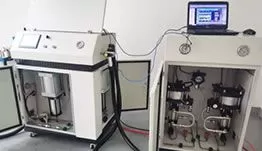
Commercial water dispenser systems are essential investments for businesses, schools, hospitals, and other institutions that need reliable access to clean drinking water. These sophisticated systems require regular maintenance to ensure optimal performance, extend their operational lifespan, and maintain water quality standards. Understanding the comprehensive maintenance requirements for your commercial water dispenser is crucial for facility managers and business owners who want to maximize their investment while ensuring the health and safety of users. Proper maintenance not only prevents costly repairs but also guarantees consistent water quality and system reliability throughout the year.
The external cleaning of your commercial water dispenser should be performed daily to maintain hygiene standards and professional appearance. Use food-grade sanitizers to wipe down all touchable surfaces, including dispensing handles, drip trays, and control panels. This routine prevents the buildup of bacteria and ensures that users have confidence in the cleanliness of the system. Pay special attention to high-touch areas where fingerprints and contamination are most likely to occur.
Weekly deep cleaning involves disassembling removable components such as drip trays, water guards, and dispensing nozzles. These parts should be thoroughly cleaned with appropriate sanitizing solutions and allowed to air dry completely before reassembly. Regular cleaning of these components prevents mineral buildup and bacterial growth that could compromise water quality and system performance over time.
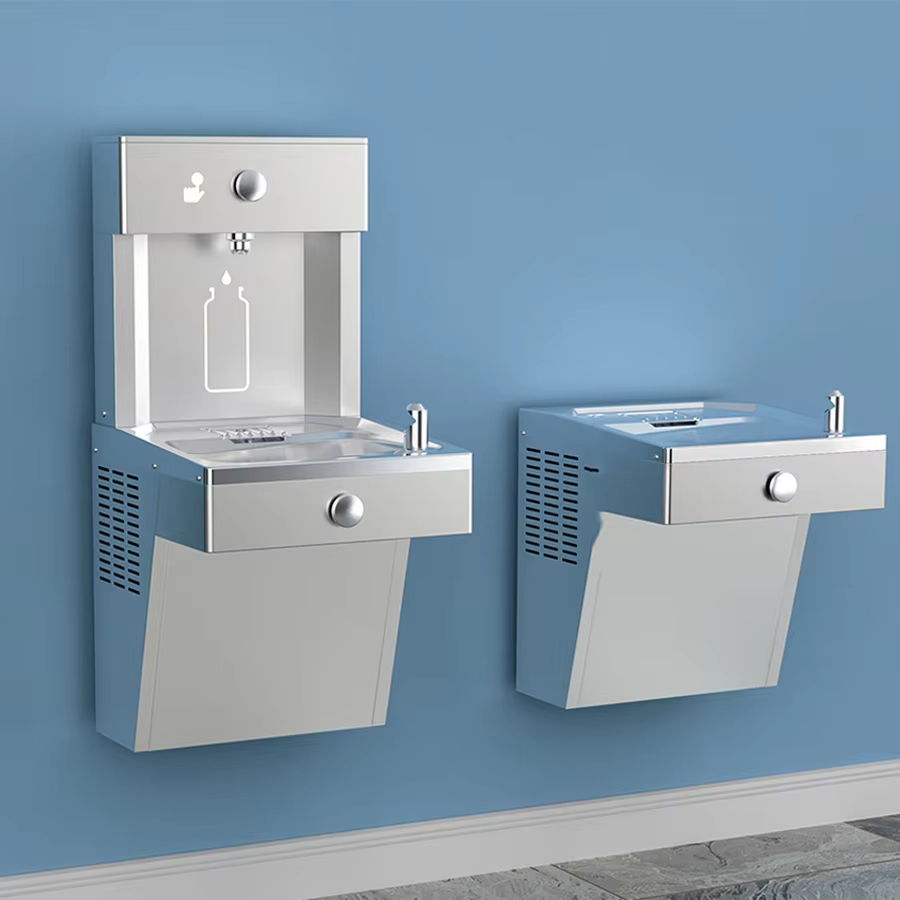
Implementing a weekly water quality testing protocol is essential for any commercial water dispenser installation. Test parameters should include chlorine levels, pH balance, total dissolved solids, and bacterial contamination indicators. Document all test results in a maintenance log to track water quality trends and identify potential issues before they become serious problems. This proactive approach ensures compliance with health regulations and maintains user confidence in the water quality.
Temperature monitoring is equally important for systems that provide both hot and cold water options. Verify that cold water maintains temperatures below 50°F and hot water reaches appropriate serving temperatures. Temperature fluctuations can indicate mechanical issues that require immediate attention from qualified technicians.
Modern commercial water dispenser systems typically incorporate multiple filtration stages, each serving specific purification purposes. Sediment filters remove large particles and debris, while carbon filters eliminate chlorine, odors, and chemical contaminants. Reverse osmosis membranes provide the highest level of purification by removing dissolved minerals and microscopic contaminants. Understanding the function and lifespan of each filter type is crucial for developing an effective maintenance schedule.
Pre-filters generally require replacement every 3-6 months depending on water quality and usage volume. Carbon filters typically last 6-12 months, while reverse osmosis membranes can function effectively for 2-3 years with proper maintenance. However, these timeframes can vary significantly based on local water conditions, daily usage patterns, and the specific commercial water dispenser model installed in your facility.
Establishing a systematic filter replacement schedule prevents system downtime and ensures consistent water quality. Create a calendar-based tracking system that accounts for manufacturer recommendations, water quality conditions, and actual usage patterns. Many facilities benefit from slightly shorter replacement intervals to maintain optimal performance and avoid the risk of sudden filter failure during peak usage periods.
When replacing filters, always follow manufacturer specifications and use genuine replacement parts designed for your specific commercial water dispenser model. Improper filter installation or the use of incompatible filters can compromise system performance and potentially void warranty coverage. Document all filter changes with dates, filter types, and any observations about water quality or system performance.
The pump and motor systems in commercial water dispenser units require regular inspection and maintenance to ensure reliable operation. Monthly visual inspections should check for unusual noises, vibrations, or leaks that could indicate mechanical wear or component failure. Pay attention to pump pressure readings and flow rates, as declining performance often signals the need for maintenance or component replacement.
Annual professional servicing of pump and motor components typically includes lubrication of moving parts, inspection of electrical connections, and testing of safety controls. This preventive maintenance approach significantly extends component lifespan and reduces the likelihood of unexpected system failures that could disrupt water service for extended periods.
Regular inspection of valves, fittings, and connection points is essential for preventing water leaks and maintaining system pressure. Monthly checks should identify loose connections, worn seals, or corroded components that require attention. Early detection of these issues prevents minor problems from developing into major repairs that could require extended system downtime.
Solenoid valves that control water flow require particular attention, as mineral buildup can cause them to stick or fail completely. Quarterly cleaning and testing of these components ensures reliable operation and prevents water waste from valves that fail to close properly. Professional technicians should perform valve adjustments and repairs to maintain system integrity and performance standards.
Comprehensive sanitization of commercial water dispenser systems should occur monthly to eliminate bacterial growth and maintain health code compliance. This process involves circulating food-grade sanitizing solutions through the entire water system, including storage tanks, distribution lines, and dispensing mechanisms. The sanitization process typically requires several hours to complete and should be performed during periods of low facility usage.
Professional sanitization services ensure that all system components receive appropriate treatment and that sanitizing agents are completely flushed from the system before returning to service. This thorough approach guarantees that users receive clean, safe water while maintaining compliance with local health department regulations and industry standards for commercial water systems.
Maintaining detailed records of all sanitization activities is crucial for regulatory compliance and quality assurance. Documentation should include sanitization dates, products used, contact times, and water quality test results following the procedure. Many jurisdictions require regular inspection of commercial water dispenser maintenance records, making comprehensive documentation essential for continued operation.
Implementing a digital maintenance tracking system helps ensure that no required procedures are missed and provides easy access to historical data for regulatory inspections. This systematic approach demonstrates your commitment to water quality and user safety while streamlining the management of maintenance activities across multiple commercial water dispenser installations.
Recognizing early warning signs of potential problems allows facility managers to address issues before they result in system failures or water quality problems. Changes in water taste, odor, or appearance often indicate filter saturation or contamination that requires immediate attention. Unusual noises from pump or motor components may signal mechanical wear that could lead to component failure if not addressed promptly.
Monitoring water flow rates and dispensing performance helps identify developing blockages or pressure issues within the commercial water dispenser system. Declining performance typically occurs gradually, making regular observation and documentation essential for early problem detection and resolution.
Developing clear emergency response procedures ensures that system failures are addressed quickly and safely. Staff should be trained to immediately shut down the commercial water dispenser and contact qualified service technicians if water quality issues or major mechanical failures occur. Having backup water sources available during maintenance or emergency repairs minimizes disruption to facility operations.
Establishing relationships with qualified service providers before emergencies occur ensures rapid response times and professional repair services. Many facilities benefit from maintenance contracts that provide priority service and guaranteed response times for critical system failures.
Commercial water dispenser systems require special attention during winter months to prevent freeze damage and maintain reliable operation. Systems installed in areas subject to freezing temperatures need adequate insulation and heating to protect water lines and components. Regular inspection of heating elements and temperature controls ensures that freeze protection systems function properly throughout the winter season.
Facilities that experience seasonal closures should implement proper winterization procedures to prevent damage during extended periods of non-use. This typically involves draining water lines, adding antifreeze solutions where appropriate, and securing electrical systems against moisture and temperature extremes.
Preparing commercial water dispenser systems for increased summer usage involves checking cooling capacity, verifying adequate refrigerant levels, and ensuring that filtration systems can handle higher water demands. Summer maintenance should include thorough cleaning of cooling coils and verification that ventilation systems provide adequate airflow around mechanical components.
Increasing filter replacement frequency during peak usage periods helps maintain water quality when demand is highest. Many facilities benefit from installing additional filtration capacity or backup systems to ensure uninterrupted service during periods of maximum usage.
Annual professional inspections by certified technicians provide comprehensive evaluation of commercial water dispenser performance and identify potential issues that may not be apparent during routine maintenance activities. These inspections typically include detailed testing of all mechanical and electrical components, water quality analysis, and recommendations for system improvements or upgrades.
Professional service providers bring specialized tools and expertise that enable them to perform detailed diagnostics and calibrations that ensure optimal system performance. Regular professional maintenance also helps maintain warranty coverage and provides documentation of proper system care for regulatory compliance purposes.
Maintaining comprehensive service records is essential for warranty compliance and helps demonstrate proper system care to manufacturers and service providers. Detailed documentation should include all maintenance activities, filter changes, repairs, and professional service visits. This information proves invaluable when warranty claims arise or when troubleshooting complex system issues.
Many commercial water dispenser manufacturers offer extended warranty programs for customers who maintain detailed service records and follow recommended maintenance schedules. These programs can significantly reduce long-term ownership costs and provide additional protection against major component failures.
Filter replacement frequency depends on water quality, usage volume, and filter type. Sediment pre-filters typically require replacement every 3-6 months, carbon filters last 6-12 months, and reverse osmosis membranes can function effectively for 2-3 years. However, monitoring water quality and flow rates helps determine optimal replacement timing for your specific installation and usage patterns.
Common warning signs include changes in water taste, odor, or appearance, reduced water flow rates, unusual noises from mechanical components, temperature fluctuations in hot or cold water, and visible mineral buildup or discoloration around dispensing points. Any of these symptoms indicate the need for immediate inspection and potential maintenance to prevent more serious problems.
Basic maintenance tasks such as external cleaning, drip tray cleaning, and water quality testing can be performed by trained facility staff. However, filter replacements, mechanical repairs, sanitization procedures, and electrical work should be performed by qualified technicians to ensure safety, maintain warranty coverage, and comply with local regulations governing commercial water systems.
Professional maintenance costs vary based on system complexity, local service rates, and maintenance frequency. Basic annual service typically ranges from $200-500, while comprehensive maintenance contracts including all filters, sanitization, and emergency service may cost $800-1500 annually. Investing in proper maintenance significantly reduces long-term repair costs and extends system lifespan.

IUISON specializes in high-quality SUS commercial drinking water machines, including water coolers, boilers, and outdoor fountains. With 16 years of international trade experience, we provide reliable, customized solutions for businesses, governments, and organizations worldwide.
No. 13, Laocun Industrial Zone, Sanle Road, Lecong Town, Shunde District, Foshan City, Guangdong Province,China.
Copyright © 2026 GUANGDONG IUISON CO.,LTD All Rights Reserved Privacy Policy
 EN
EN
 AR
AR
 HR
HR
 CS
CS
 DA
DA
 NL
NL
 FI
FI
 FR
FR
 DE
DE
 EL
EL
 HI
HI
 IT
IT
 JA
JA
 KO
KO
 PL
PL
 PT
PT
 RO
RO
 RU
RU
 ES
ES
 SV
SV
 TL
TL
 IW
IW
 LT
LT
 SR
SR
 SK
SK
 UK
UK
 VI
VI
 TH
TH
 TR
TR
 FA
FA
 MS
MS
 IS
IS
 HY
HY
 AZ
AZ
 KA
KA
 BN
BN
 KM
KM
 LO
LO
 LA
LA
 MN
MN
 Hot News