Installing drinking fountains in public spaces requires careful attention to multiple regulatory frameworks that govern accessibility, safety, and health standards. The drinking fountain installation process involves navigating federal, state, and local regulations that ensure these essential amenities serve all community members effectively while maintaining the highest safety standards.
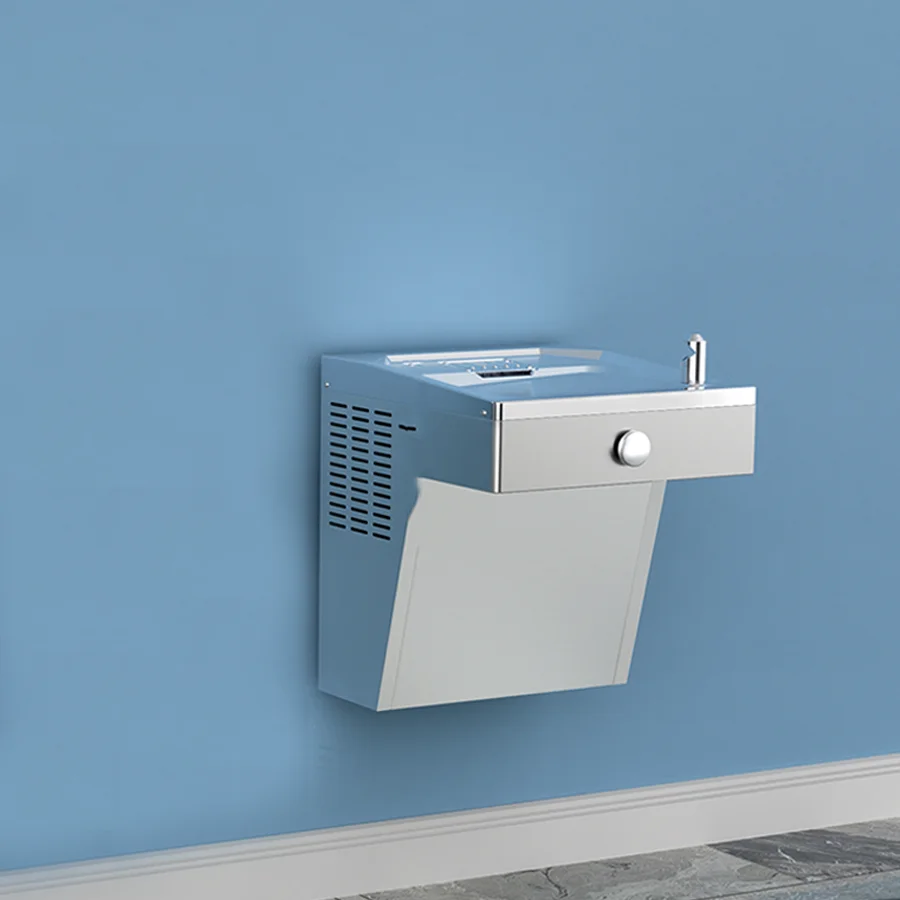
The Americans with Disabilities Act establishes comprehensive guidelines for drinking fountain installation in public facilities. These regulations mandate that facilities with multiple drinking fountains must provide at least one unit accessible to wheelchair users and another at standard height for standing users. The ADA requires specific mounting heights, spout locations, and clear floor space dimensions around each unit.
Wheelchair-accessible units must have their spout positioned no higher than 36 inches from the floor, with knee clearance of at least 27 inches high and 8 inches deep. The drinking fountain installation must also include adequate approach space measuring at least 30 inches by 48 inches to accommodate wheelchair maneuvering. These specifications ensure that individuals with mobility disabilities can access drinking water independently and safely.
Section 504 of the Rehabilitation Act complements ADA requirements by addressing accessibility in federally funded programs and facilities. This legislation impacts drinking fountain installation in schools, hospitals, transit facilities, and other publicly funded spaces. The standards require that accessibility modifications be made whenever facilities undergo renovations or alterations, ensuring that existing non-compliant installations are upgraded to meet current accessibility requirements.
Compliance with Section 504 extends beyond physical accessibility to include program accessibility, meaning that public entities must ensure equal access to drinking water regardless of disability status. This requirement influences drinking fountain installation decisions regarding placement, quantity, and accessibility features throughout public facilities.
The Safe Drinking Water Act establishes fundamental standards for drinking fountain installation regarding water quality and safety. Public water systems must comply with EPA regulations covering maximum contaminant levels, monitoring requirements, and treatment techniques. These standards directly impact drinking fountain installation by requiring appropriate filtration systems, regular testing protocols, and backflow prevention devices.
Drinking fountain installation projects must incorporate lead-free components and materials that comply with NSF International standards for drinking water system components. The regulations require that all plumbing materials, fixtures, and fittings used in drinking fountain installation contain no more than a weighted average of 0.25 percent lead content, ensuring water safety for all users.
Local health departments typically maintain specific requirements for drinking fountain installation in public spaces, particularly regarding sanitation, maintenance, and water quality testing. These regulations often mandate regular cleaning schedules, sanitization procedures, and documentation requirements for public drinking water facilities. Health departments may require permits or inspections before and after drinking fountain installation to verify compliance with local health codes.
Many jurisdictions require that drinking fountain installation include features such as antimicrobial surfaces, hands-free operation, or bottle-filling capabilities to reduce disease transmission. Local health authorities may also specify minimum distances between drinking fountains and restroom facilities, waste disposal areas, or other potential contamination sources.
The International Building Code provides comprehensive guidelines for drinking fountain installation within the broader context of building design and construction. These codes specify minimum requirements for the number of drinking fountains based on building occupancy, usage patterns, and floor area calculations. The IBC also establishes standards for drinking fountain installation locations, ensuring adequate access while maintaining pedestrian flow and emergency egress requirements.
Building codes address structural considerations for drinking fountain installation, including adequate support for wall-mounted units, proper drainage systems, and integration with building mechanical systems. The codes require that drinking fountain installation be coordinated with other building systems to ensure proper functionality and compliance with overall building safety requirements.
Uniform Plumbing Code regulations govern the technical aspects of drinking fountain installation, including water supply connections, drainage requirements, and backflow prevention systems. These codes specify minimum pipe sizes, connection methods, and pressure requirements to ensure reliable water delivery and proper system operation. Drinking fountain installation must comply with specific valve types, shut-off mechanisms, and maintenance access requirements outlined in plumbing codes.
The UPC also establishes standards for drinking fountain installation in extreme weather conditions, requiring frost-proof designs in cold climates and UV-resistant materials in outdoor applications. These provisions ensure that drinking fountain installation projects result in durable, weather-resistant systems that provide reliable service throughout their intended lifespan.
Modern drinking fountain installation must consider energy efficiency regulations that govern water cooling systems, LED lighting, and electronic controls. The Department of Energy establishes minimum efficiency standards for refrigerated drinking fountains, requiring specific energy consumption limits based on cooling capacity and usage patterns. These regulations influence drinking fountain installation decisions regarding unit selection, installation orientation, and integration with building energy management systems.
Energy codes may require that drinking fountain installation include programmable controls, occupancy sensors, or timer mechanisms to reduce energy consumption during low-usage periods. Some jurisdictions mandate that refrigerated units used in drinking fountain installation meet ENERGY STAR certification requirements, ensuring optimal energy performance while maintaining user comfort and satisfaction.
Water conservation regulations increasingly impact drinking fountain installation projects, particularly in drought-prone regions or areas with limited water resources. These regulations may specify maximum flow rates, require low-flow aerators, or mandate water recycling systems for certain types of installations. Drinking fountain installation in some jurisdictions must include water-saving features such as sensor-activated controls or pressure-regulating valves to minimize waste.
Green building standards such as LEED certification requirements influence drinking fountain installation by encouraging water-efficient designs, sustainable materials, and reduced environmental impact. These voluntary but increasingly common standards affect drinking fountain installation through requirements for water metering, leak detection systems, and sustainable manufacturing practices.
OSHA regulations require employers to provide potable water access for employees, directly impacting drinking fountain installation in workplace environments. These standards mandate that drinking water be readily accessible to all employees and maintained at appropriate temperatures and quality levels. Drinking fountain installation in industrial settings must consider additional safety factors such as explosion-proof designs, chemical resistance, and integration with emergency eyewash systems.
Workplace drinking fountain installation must also address specific industry hazards, such as contamination risks in manufacturing facilities or extreme temperature conditions in outdoor work environments. OSHA guidelines influence drinking fountain installation placement, requiring adequate separation from hazardous materials and processes while ensuring convenient access for all workers.
Schools and educational institutions face unique requirements for drinking fountain installation that address child safety, accessibility across age groups, and high-volume usage patterns. State education departments often establish specific standards for drinking fountain installation in schools, including height requirements for different grade levels, antimicrobial features, and enhanced durability specifications to withstand heavy use.
Educational facility drinking fountain installation must consider pediatric-specific factors such as appropriate flow pressures for young children, vandal-resistant designs, and easy maintenance access for frequent cleaning and sanitization. Many states require that drinking fountain installation in schools include bottle-filling capabilities and filtration systems to encourage proper hydration while reducing single-use plastic consumption.
Regulatory compliance for drinking fountain installation extends beyond initial installation to include ongoing inspection and testing requirements. Many jurisdictions require annual inspections of public drinking fountains to verify continued compliance with safety, accessibility, and health standards. These inspections assess water quality, mechanical function, accessibility features, and overall system integrity.
Drinking fountain installation projects must include provisions for regular maintenance access, documentation systems, and compliance monitoring procedures. Facility managers must maintain records of water quality testing, cleaning schedules, and any modifications or repairs that might affect regulatory compliance. Some regulations require professional certification for individuals performing drinking fountain installation maintenance and repairs.
Comprehensive documentation requirements accompany drinking fountain installation in public spaces, including installation permits, inspection reports, water quality test results, and maintenance logs. These records demonstrate ongoing compliance with applicable regulations and provide essential information for future upgrades or modifications. Proper documentation of drinking fountain installation helps facility owners respond to regulatory inquiries and maintain insurance coverage.
Record-keeping requirements for drinking fountain installation often specify retention periods, reporting formats, and accessibility of documentation to regulatory authorities. Digital documentation systems increasingly support compliance management by automating record-keeping, scheduling maintenance activities, and generating compliance reports for drinking fountain installation projects.
Most jurisdictions require building permits, plumbing permits, and sometimes electrical permits for drinking fountain installation projects. Additionally, facilities serving food or operating under specific licenses may need health department approvals. The permit requirements vary by location, installation complexity, and facility type, so consulting with local building departments early in the planning process ensures compliance with all applicable permitting requirements.
ADA regulations require that when drinking fountains are provided, at least 50% must be wheelchair accessible, and at least one must serve standing users. For facilities with only one drinking fountain, it must accommodate both wheelchair users and standing individuals through dual-height designs or hi-lo configurations. Placement must ensure adequate clear floor space and appropriate approach angles for wheelchair accessibility.
Public drinking fountains typically require initial water quality testing for lead, bacteria, and other contaminants specified by local health departments. Ongoing testing frequencies vary by jurisdiction but commonly include annual lead testing, periodic bacterial sampling, and immediate testing after any plumbing work or contamination incidents. Some facilities require monthly or quarterly testing depending on usage levels and risk factors.
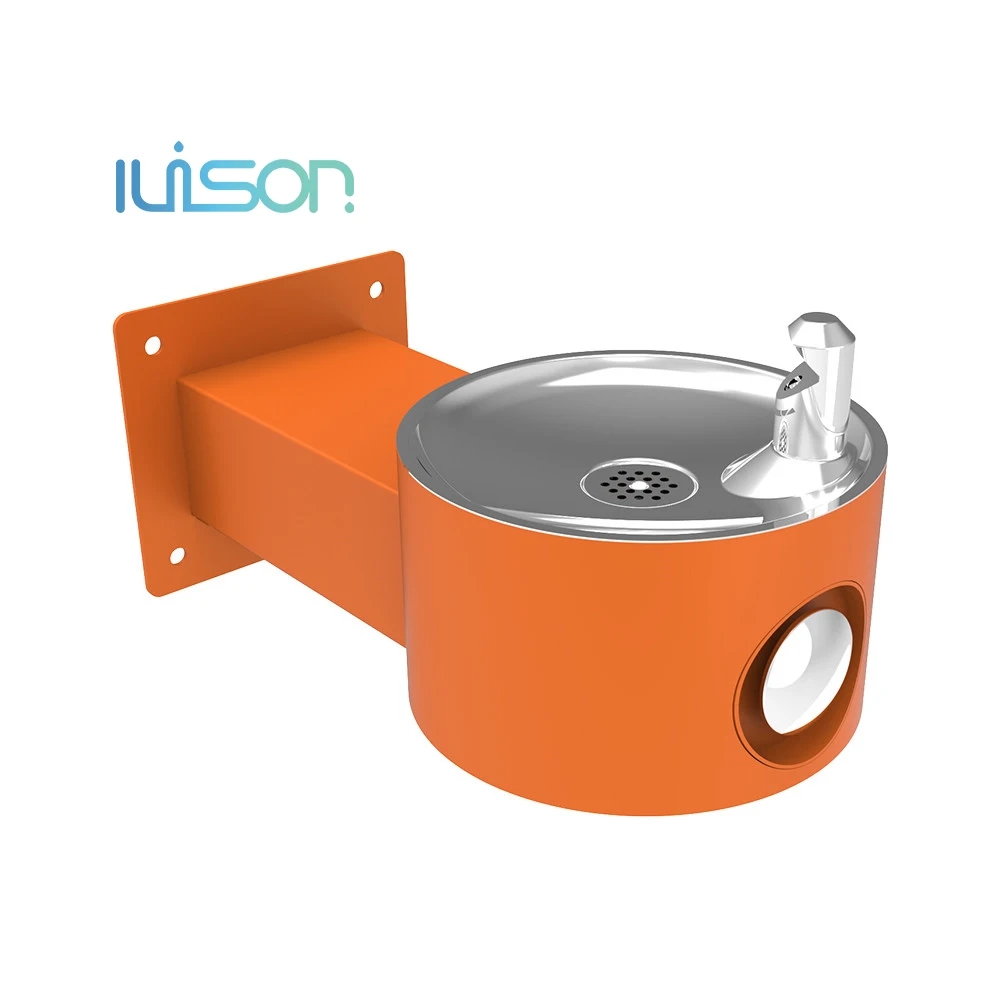
Outdoor drinking fountain installation faces additional requirements including freeze protection in cold climates, UV-resistant materials, enhanced drainage systems, and sometimes security features. Outdoor units must meet higher durability standards and may require special permits for utilities connections, landscaping modifications, or compliance with local zoning regulations regarding public amenities and pedestrian access.

IUISON specializes in high-quality SUS commercial drinking water machines, including water coolers, boilers, and outdoor fountains. With 16 years of international trade experience, we provide reliable, customized solutions for businesses, governments, and organizations worldwide.
No. 13, Laocun Industrial Zone, Sanle Road, Lecong Town, Shunde District, Foshan City, Guangdong Province,China.
Copyright © 2026 GUANGDONG IUISON CO.,LTD All Rights Reserved Privacy Policy
 EN
EN
 AR
AR
 HR
HR
 CS
CS
 DA
DA
 NL
NL
 FI
FI
 FR
FR
 DE
DE
 EL
EL
 HI
HI
 IT
IT
 JA
JA
 KO
KO
 PL
PL
 PT
PT
 RO
RO
 RU
RU
 ES
ES
 SV
SV
 TL
TL
 IW
IW
 LT
LT
 SR
SR
 SK
SK
 UK
UK
 VI
VI
 TH
TH
 TR
TR
 FA
FA
 MS
MS
 IS
IS
 HY
HY
 AZ
AZ
 KA
KA
 BN
BN
 KM
KM
 LO
LO
 LA
LA
 MN
MN
 Hot News