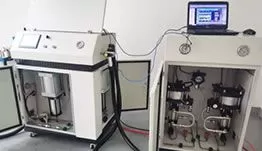
The evolution of public drinking water access has taken a significant leap forward with bottle filling stations becoming increasingly prevalent in communal areas. These innovative hydration solutions are revolutionizing how people stay refreshed while promoting sustainability and public health. As cities and organizations prioritize environmental consciousness and user convenience, bottle filling stations have emerged as a superior alternative to traditional water fountains.
These sophisticated water dispensing systems combine advanced filtration technology with user-friendly design, making them an ideal choice for various public settings. From educational institutions and corporate offices to airports and recreational facilities, bottle filling stations are reshaping our approach to public hydration infrastructure.
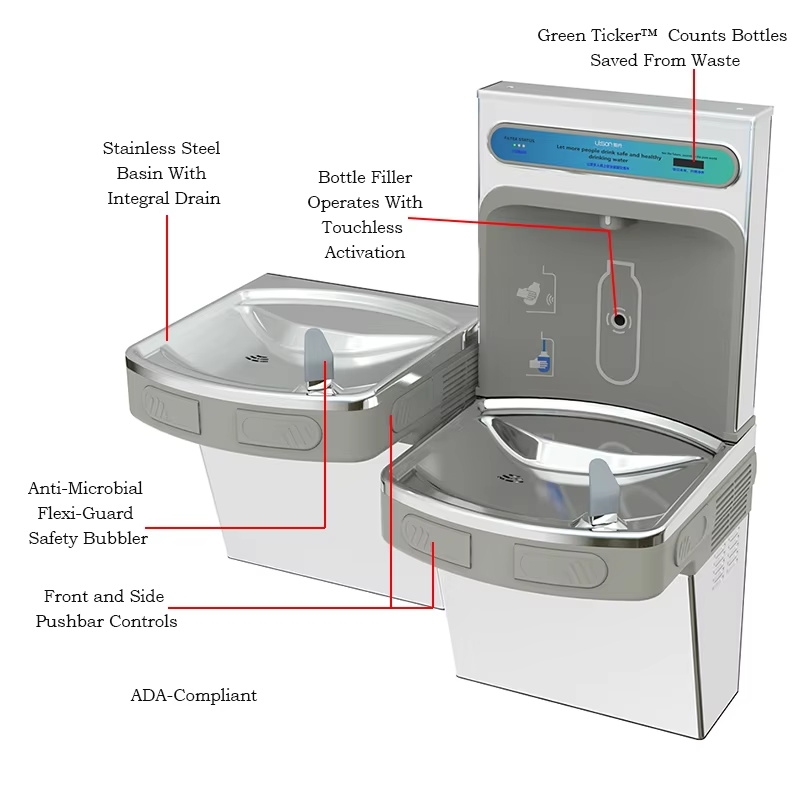
One of the most compelling advantages of bottle filling stations is their significant contribution to reducing plastic waste. Each station typically features a digital counter displaying the number of plastic bottles saved from landfills, creating a tangible representation of environmental impact. Public spaces equipped with these stations report dramatic decreases in plastic bottle waste, with some locations documenting thousands of bottles saved monthly.
The environmental benefits extend beyond waste reduction. The manufacturing and transportation of single-use plastic bottles contribute substantially to carbon emissions. By encouraging reusable bottle usage, bottle filling stations help decrease the carbon footprint associated with beverage consumption in public spaces.
Modern bottle filling stations are designed with water efficiency in mind. Their precise dispensing mechanisms minimize spillage and waste, ensuring that every drop serves its intended purpose. Many units incorporate smart technology that monitors water usage patterns and helps facility managers optimize resource allocation.
These stations often feature advanced filtration systems that extend the life of internal components while maintaining optimal water quality. This efficiency translates to reduced maintenance requirements and lower operational costs compared to traditional drinking fountains.
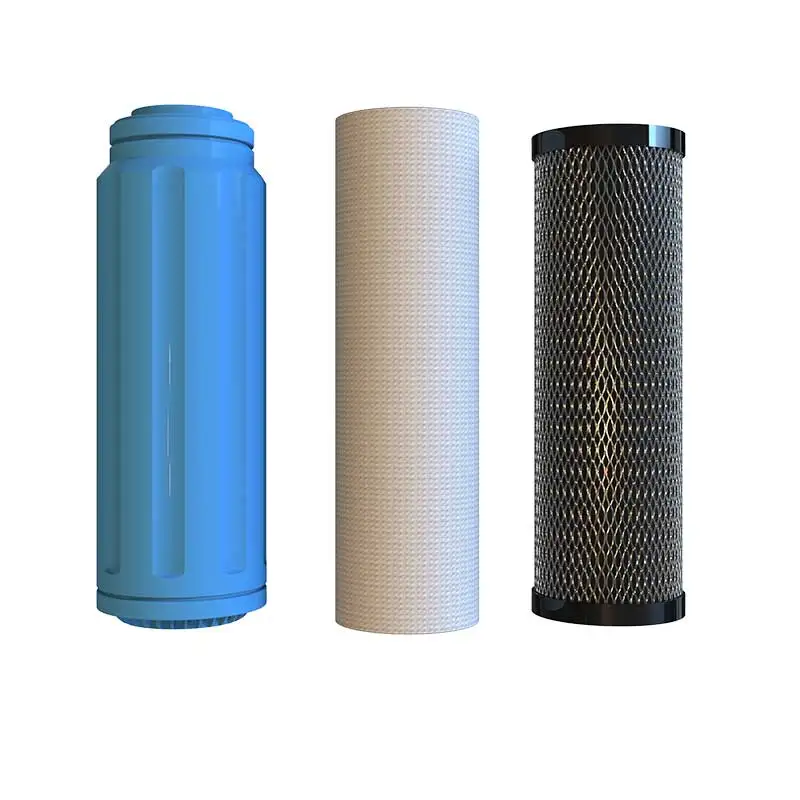
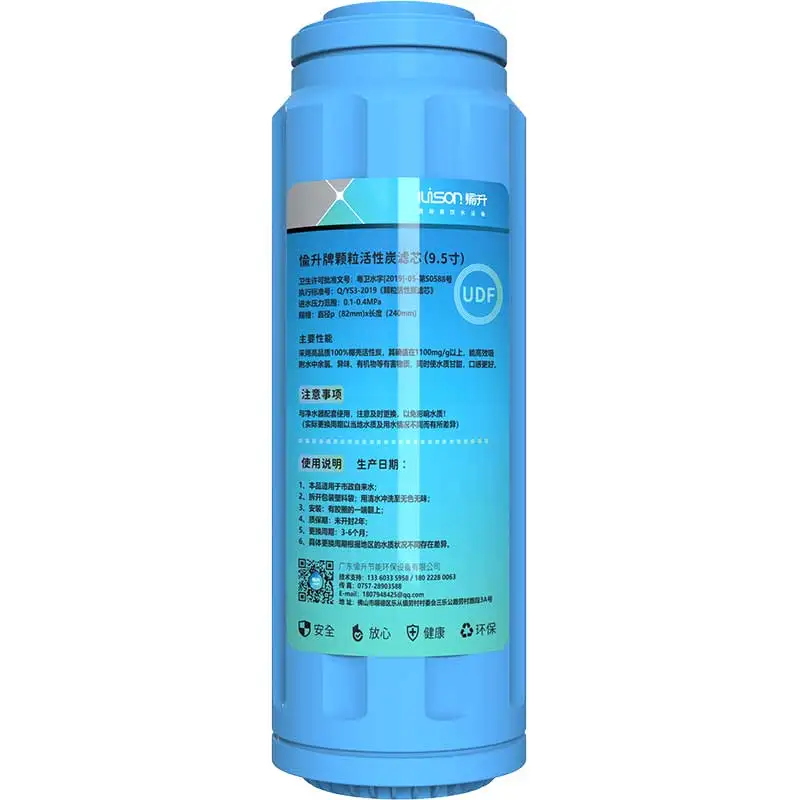
Bottle filling stations incorporate sophisticated filtration systems that remove contaminants, improve taste, and ensure water quality exceeds public health standards. Most units feature multi-stage filtration processes, including activated carbon filters that reduce chlorine taste and odor, while removing lead, particulates, and other potential contaminants.
The filtration systems are regularly monitored and maintained, with many models featuring electronic indicators that alert maintenance staff when filter replacement is needed. This proactive approach to water quality management helps ensure consistent safety and taste standards.
In response to heightened hygiene awareness, bottle filling stations feature hands-free operation through sensor activation or simple push-button mechanisms. The dispensing areas are designed with antimicrobial surfaces and protected spouts that prevent direct contact between bottles and dispensing points.
These sanitary design elements make bottle filling stations particularly valuable in high-traffic areas where maintaining hygiene is paramount. The touchless operation not only reduces the spread of germs but also provides users with peace of mind regarding their health safety.
While the initial investment in bottle filling stations may be higher than traditional water fountains, the long-term financial benefits are substantial. These units require minimal maintenance, have durable components, and operate with high energy efficiency. Organizations typically recover their investment through reduced bottled water purchases and lower maintenance costs.
The economic impact extends to users as well. Regular access to bottle filling stations eliminates the need to purchase expensive bottled water, providing significant cost savings for individuals who frequent public spaces.
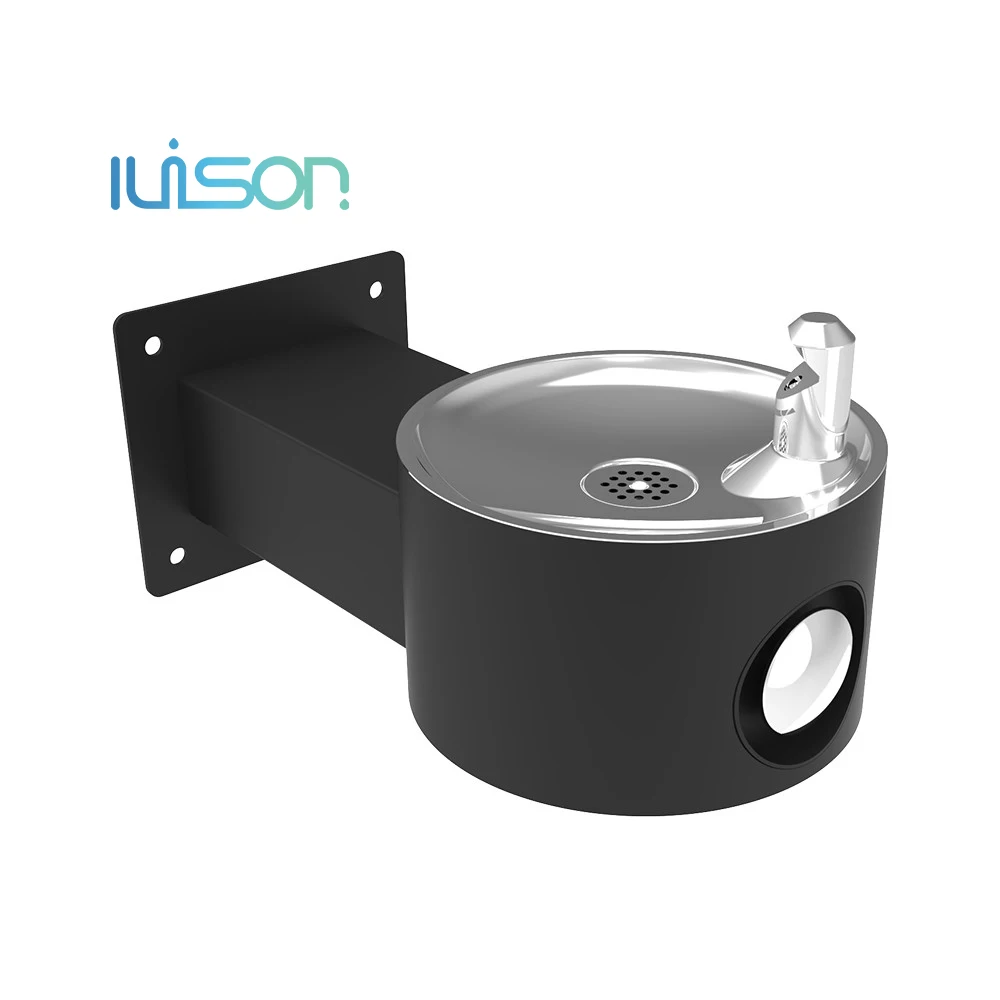
Modern bottle filling stations are built with durability in mind, featuring robust construction and weather-resistant materials for outdoor installations. Their modular design allows for easy maintenance and component replacement when necessary. Many units include self-diagnostic systems that monitor performance and alert facility managers to potential issues before they become problematic.
The streamlined maintenance requirements translate to reduced operational costs and minimal downtime. Most stations can operate for extended periods with only routine filter changes and occasional cleaning, making them ideal for busy public areas.
Bottle filling stations are designed with user convenience in mind, featuring clear instructions and simple operation that accommodates people of all abilities. The height and positioning of dispensing points typically comply with ADA requirements, ensuring accessibility for wheelchair users and children.
Many units incorporate visual displays showing water temperature and filter status, while some advanced models offer mobile app integration for locating nearest stations and monitoring usage statistics. This user-centric design approach enhances the overall experience and encourages regular use.
The presence of bottle filling stations in public spaces creates opportunities for environmental education and community engagement. Digital displays showing bottles saved and environmental impact metrics help raise awareness about sustainability. Some installations include informational signage about water conservation and the importance of staying hydrated.
These educational elements transform bottle filling stations from mere water dispensers into tools for promoting environmental consciousness and public health awareness. Many communities report increased engagement with sustainability initiatives following the installation of these stations.
Bottle filling stations utilize advanced filtration systems that typically include NSF-certified filters to remove contaminants, improve taste, and ensure water safety. Regular maintenance and filter replacement schedules are monitored electronically to maintain consistent water quality standards.
These stations feature touchless operation, antimicrobial surfaces, and protected dispensing areas that minimize contact points. The vertical water stream and recessed nozzle design prevent cross-contamination between users and reduce the risk of bacterial growth.
Maintenance requirements are typically minimal, consisting primarily of regular filter changes (usually every 3,000 gallons or annually) and routine cleaning. Many units feature self-diagnostic systems that alert facility managers when maintenance is needed, making upkeep straightforward and predictable.

IUISON specializes in high-quality SUS commercial drinking water machines, including water coolers, boilers, and outdoor fountains. With 16 years of international trade experience, we provide reliable, customized solutions for businesses, governments, and organizations worldwide.
No. 13, Laocun Industrial Zone, Sanle Road, Lecong Town, Shunde District, Foshan City, Guangdong Province,China.
Copyright © 2026 GUANGDONG IUISON CO.,LTD All Rights Reserved Privacy Policy
 EN
EN
 AR
AR
 HR
HR
 CS
CS
 DA
DA
 NL
NL
 FI
FI
 FR
FR
 DE
DE
 EL
EL
 HI
HI
 IT
IT
 JA
JA
 KO
KO
 PL
PL
 PT
PT
 RO
RO
 RU
RU
 ES
ES
 SV
SV
 TL
TL
 IW
IW
 LT
LT
 SR
SR
 SK
SK
 UK
UK
 VI
VI
 TH
TH
 TR
TR
 FA
FA
 MS
MS
 IS
IS
 HY
HY
 AZ
AZ
 KA
KA
 BN
BN
 KM
KM
 LO
LO
 LA
LA
 MN
MN
 Hot News