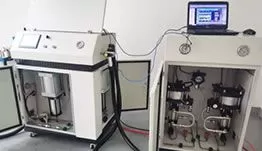
Wall mounted drinking fountains have revolutionized the way we think about public hydration. These innovative fixtures have become an integral part of modern architectural design, offering a perfect blend of functionality and space efficiency. As organizations and facilities prioritize accessible hydration solutions, wall mounted drinking fountains continue to gain prominence in schools, offices, gyms, and public buildings worldwide.
These sophisticated installations represent a significant advancement from traditional floor-standing models, providing numerous benefits that align with contemporary needs for hygiene, accessibility, and sustainable hydration options. The strategic implementation of wall mounted drinking fountains demonstrates a commitment to public health while optimizing valuable floor space.
Wall mounted drinking fountains excel in their ability to preserve valuable floor space. By utilizing vertical wall areas, these fixtures eliminate the footprint typically required by floor-standing models. This space-saving design is particularly valuable in high-traffic areas, corridors, and compact spaces where every square foot matters.
The streamlined profile of wall mounted drinking fountains allows for better traffic flow and creates a more open, uncluttered environment. This design advantage makes them especially suitable for schools, healthcare facilities, and office buildings where space optimization is crucial for operational efficiency.
Modern wall mounted drinking fountains are designed with aesthetics in mind, seamlessly integrating into various architectural styles. Their sleek profiles and contemporary finishes complement modern interior designs while maintaining their functional purpose. Many models are available in different materials and finishes, allowing designers to match them with existing décor schemes.
The clean lines and minimalist design of wall mounted drinking fountains contribute to a more sophisticated appearance compared to traditional floor models. This aesthetic advantage makes them particularly appealing for upscale environments such as corporate offices, museums, and luxury retail spaces.
The elevated design of wall mounted drinking fountains simplifies maintenance and cleaning procedures. Their installation height allows cleaning staff to easily access the area underneath, making floor cleaning more efficient and thorough. The absence of a base or pedestal eliminates hard-to-reach areas where dirt and debris might accumulate.
Regular maintenance of wall mounted drinking fountains is also more straightforward, as all components are typically at an accessible height for service technicians. This accessibility reduces maintenance time and costs while ensuring proper upkeep of the equipment.
Modern wall mounted drinking fountains often incorporate advanced hygiene features that promote cleaner drinking water access. Many models include antimicrobial surfaces, touchless sensors, and protected spouts that minimize contact points and reduce the risk of cross-contamination.
The design of these fixtures often includes built-in filters and water treatment systems that ensure superior water quality. Some advanced models even feature real-time monitoring systems that track filter status and maintenance needs, ensuring optimal performance and water safety.
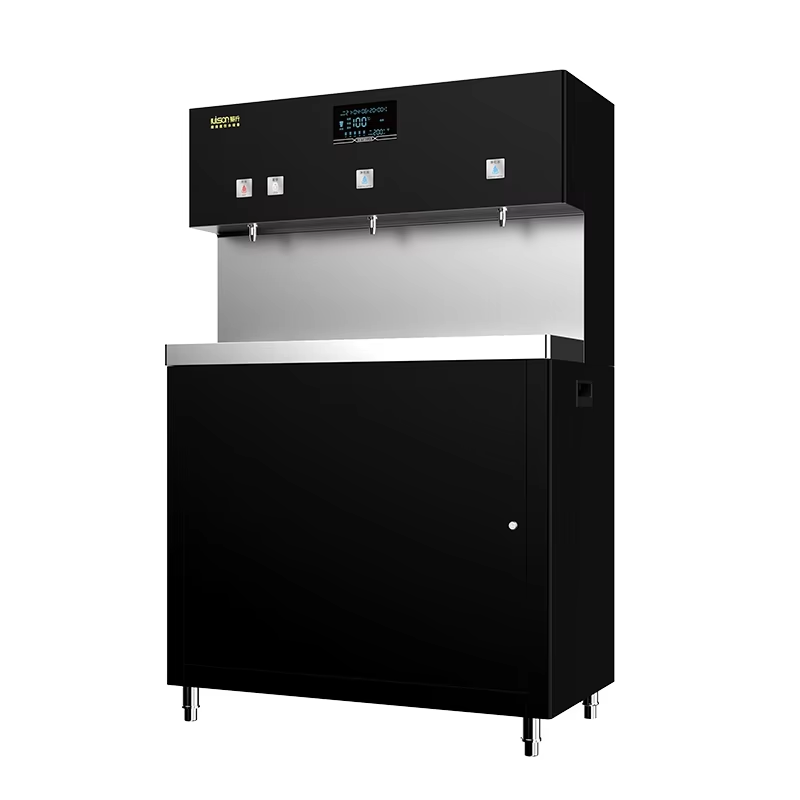
Wall mounted drinking fountains typically require less complex installation procedures compared to their floor-mounted counterparts. The mounting system usually consists of robust wall brackets and straightforward plumbing connections, reducing installation time and complexity.
These units can often be installed at various heights to accommodate different user groups, including children and individuals with disabilities. The flexibility in installation height makes them ideal for facilities that need to comply with ADA requirements while serving diverse populations.
The initial investment in wall mounted drinking fountains often translates to long-term cost savings. Their durable construction and efficient design typically result in lower maintenance requirements and extended service life. The space-saving aspect can also contribute to reduced facility costs by maximizing usable floor area.
Energy-efficient models with features like automatic shut-off systems help reduce water and electricity consumption, leading to lower utility costs over time. The durability of wall-mounted units often results in fewer replacement needs, providing better value for the investment.
Modern wall mounted drinking fountains often include water-saving technologies that help reduce waste and promote sustainable usage. Features such as timed dispensing, flow regulators, and leak detection systems ensure efficient water consumption while maintaining optimal performance.
Many models now incorporate bottle filling stations, encouraging the use of reusable water containers and reducing single-use plastic waste. This dual functionality makes them particularly valuable in environments committed to environmental sustainability.
Contemporary wall mounted drinking fountains are increasingly designed to meet or exceed environmental certification requirements. Many models contribute to LEED certification points through their water efficiency and sustainable materials. The integration of eco-friendly materials and energy-efficient components aligns with green building initiatives.
These units often feature recyclable components and energy-saving modes that reduce their environmental footprint. Their contribution to sustainable building practices makes them an attractive choice for environmentally conscious facilities.
Wall mounted drinking fountains typically offer comparable or superior durability to floor models when properly installed. Their robust mounting systems and high-quality materials ensure long-term stability and reliability. The elevation above floor level also protects them from many common sources of wear and damage.
Regular maintenance should include daily cleaning of external surfaces, weekly sanitization of drinking spouts, and quarterly filter replacements where applicable. Professional inspection of plumbing connections and mechanical components is recommended annually to ensure optimal performance and longevity.
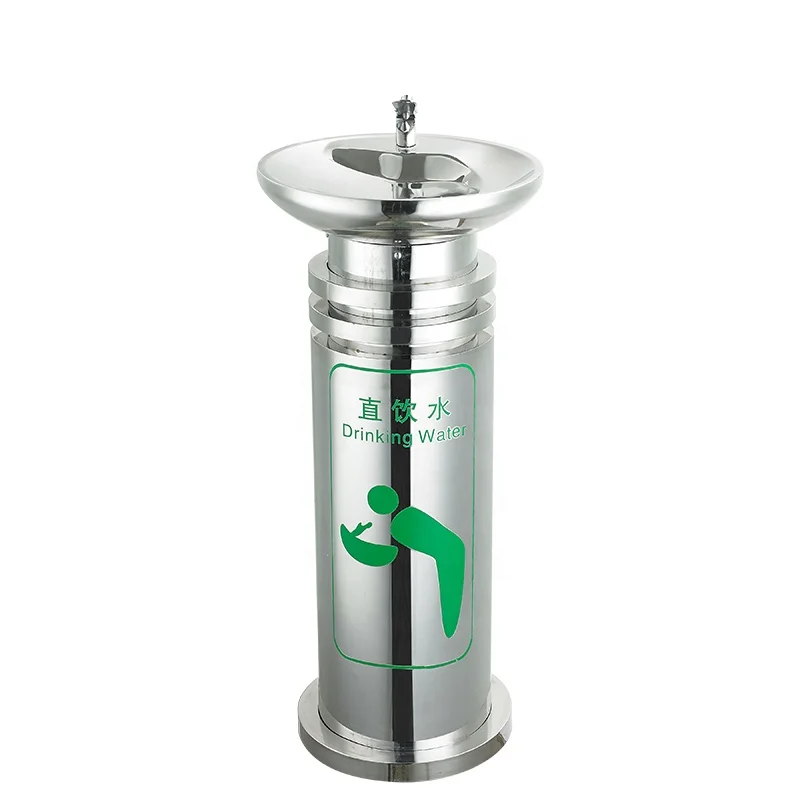
While some models are specifically designed for outdoor use, it's essential to select units rated for exterior installation. These models feature weather-resistant materials, freeze protection mechanisms, and robust sealing to withstand environmental challenges. Proper installation under covered areas is recommended for maximum durability.

IUISON specializes in high-quality SUS commercial drinking water machines, including water coolers, boilers, and outdoor fountains. With 16 years of international trade experience, we provide reliable, customized solutions for businesses, governments, and organizations worldwide.
No. 13, Laocun Industrial Zone, Sanle Road, Lecong Town, Shunde District, Foshan City, Guangdong Province,China.
Copyright © 2026 GUANGDONG IUISON CO.,LTD All Rights Reserved Privacy Policy
 EN
EN
 AR
AR
 HR
HR
 CS
CS
 DA
DA
 NL
NL
 FI
FI
 FR
FR
 DE
DE
 EL
EL
 HI
HI
 IT
IT
 JA
JA
 KO
KO
 PL
PL
 PT
PT
 RO
RO
 RU
RU
 ES
ES
 SV
SV
 TL
TL
 IW
IW
 LT
LT
 SR
SR
 SK
SK
 UK
UK
 VI
VI
 TH
TH
 TR
TR
 FA
FA
 MS
MS
 IS
IS
 HY
HY
 AZ
AZ
 KA
KA
 BN
BN
 KM
KM
 LO
LO
 LA
LA
 MN
MN
 Hot News