Installing an under sink water cooler in your home or office provides convenient access to clean, chilled drinking water directly from your kitchen tap. These compact systems deliver exceptional performance while maintaining a sleek, space-saving design that keeps your countertops clear. However, like any water filtration and cooling system, proper maintenance is essential to ensure optimal performance and extend the lifespan of your equipment. Regular upkeep not only guarantees clean, fresh-tasting water but also prevents costly repairs and maintains the system's energy efficiency. Understanding the maintenance requirements will help you maximize your investment and enjoy consistently high-quality water output for years to come.
The filtration system forms the heart of any quality under sink water cooler, typically incorporating multiple stages of purification to remove contaminants, chlorine, and sediments from your water supply. Most systems feature pre-filters that capture larger particles and debris, followed by activated carbon filters that eliminate chlorine, odors, and taste-affecting compounds. Advanced models may include reverse osmosis membranes or UV sterilization components that provide additional purification layers. These filtration elements require regular replacement according to manufacturer specifications, typically every six to twelve months depending on water usage and local water quality conditions. Monitoring filter life indicators and maintaining a replacement schedule ensures your system continues delivering clean, safe drinking water.
Understanding each component's function helps you identify potential maintenance needs before they become problems. The pre-filter protects downstream components from damage caused by sediment buildup, while carbon filters maintain taste and odor quality. When these elements become saturated or clogged, water flow decreases and filtration efficiency drops significantly. Regular inspection of filter housings for cracks, leaks, or discoloration provides early warning signs that maintenance is needed. Keeping spare filters on hand ensures you can perform timely replacements without interrupting your water supply.
The cooling system within your under sink water cooler relies on refrigeration technology similar to that found in standard refrigerators, utilizing compressors, condensers, and evaporators to chill filtered water to optimal drinking temperatures. These components work together to maintain consistent cold water availability while managing energy consumption efficiently. The dispensing mechanism includes internal reservoirs, pumps, and delivery lines that transport chilled water from the cooling chamber to your tap or dispenser. Regular maintenance of these mechanical components ensures reliable operation and prevents system failures that could leave you without cold water access.
Temperature sensors and thermostats regulate the cooling cycle to maintain optimal water temperature while preventing overcooling that wastes energy. These electronic components require periodic inspection to ensure proper calibration and function. The internal reservoir should be sanitized regularly to prevent bacterial growth and maintain water quality standards. Understanding how these systems operate helps you recognize unusual sounds, temperature variations, or performance changes that may indicate maintenance needs.
Establishing and following a systematic filter replacement schedule represents the most critical aspect of maintaining your under sink water cooler for optimal performance. Different filter types have varying lifespans based on water quality, usage volume, and filtration technology employed. Sediment pre-filters typically require replacement every three to six months, while activated carbon filters may last six to twelve months under normal usage conditions. Reverse osmosis membranes can function effectively for two to three years with proper pre-filtration, but this depends heavily on feed water quality and system usage patterns.
Creating a maintenance calendar with specific replacement dates helps ensure timely filter changes before performance degradation occurs. Many modern systems include filter life indicators or smart monitoring features that track usage and alert users when replacements are needed. However, relying solely on these indicators may not account for variations in water quality or usage patterns. Visual inspection of used filters during replacement provides valuable insights into your local water conditions and may indicate the need for more frequent changes in areas with high sediment or chlorine levels.
Proper sanitization of your under sink water cooler prevents bacterial growth and maintains water quality standards throughout the system. Monthly cleaning procedures should include sanitizing the reservoir, delivery lines, and dispensing components using food-grade sanitizing solutions or manufacturer-approved cleaning agents. Begin by shutting off the water supply and disconnecting power to the unit before draining the system completely. Remove accessible components such as drip trays, covers, and filter housings for thorough cleaning with warm, soapy water followed by sanitizing solution application.
The internal reservoir requires special attention during sanitization procedures, as stagnant water can promote bacterial growth if not properly maintained. Use a sanitizing solution specifically designed for water systems, following manufacturer instructions for concentration and contact time. After sanitization, thoroughly flush the system with clean water to remove any residual cleaning agents before returning the unit to service. Document cleaning activities to maintain a service record and ensure consistent maintenance intervals.
Reduced water flow or pressure from your under sink water cooler often indicates filter clogging, line restrictions, or system component failures that require immediate attention. Start troubleshooting by checking filter condition, as saturated or clogged filters represent the most common cause of flow restrictions. Remove and inspect each filter element, looking for discoloration, debris accumulation, or physical damage that could impede water passage. If filters appear clean and properly seated, examine water lines for kinks, compressions, or blockages that might restrict flow.
System pressure issues may also result from problems with the incoming water supply, pump malfunctions, or reservoir level sensors that prevent proper operation. Check that all connections are secure and that no leaks are present in the system plumbing. Air trapped in the lines can also cause pressure irregularities and should be purged by running the system until consistent water flow returns. If pressure problems persist after basic troubleshooting, consult manufacturer documentation or contact professional service technicians for advanced diagnostics.
When your under sink water cooler fails to maintain proper cooling temperatures, several factors could be contributing to the problem, including refrigeration system issues, thermostat malfunctions, or inadequate ventilation around the unit. Begin diagnosis by checking that the unit has adequate clearance for air circulation, as restricted airflow can cause overheating and reduced cooling efficiency. Ensure that vents and air intakes are clean and unobstructed, removing any dust or debris that might impede heat dissipation.
Temperature control problems may also stem from thermostat calibration issues or sensor malfunctions that prevent proper cooling cycle regulation. Check that temperature settings are configured correctly according to manufacturer specifications and that the unit is receiving stable electrical power. If the compressor runs continuously without achieving proper cooling, refrigerant levels may be low or the cooling system may require professional service. Unusual noises from the cooling system, such as grinding, clicking, or excessive vibration, often indicate mechanical problems that need immediate professional attention.
Maintaining detailed records of your under sink water cooler's performance, maintenance activities, and filter replacements creates valuable data for optimizing system operation and predicting future service needs. Track water quality parameters such as taste, odor, and clarity to identify trends that might indicate filter degradation or system problems. Record filter replacement dates, service activities, and any performance issues to establish patterns that can guide maintenance scheduling and help identify recurring problems.
Regular performance monitoring also includes checking energy consumption patterns, as increases in power usage may indicate cooling system inefficiencies or component wear. Monitor water production rates and dispensing temperatures to ensure consistent system performance over time. This documentation proves invaluable when seeking warranty service or professional maintenance, providing technicians with comprehensive system history that aids in accurate diagnosis and repair.
Different seasons present unique challenges for under sink water cooler maintenance, requiring adjusted care routines to maintain optimal performance year-round. Winter months may bring concerns about freezing in unheated areas, while summer heat can stress cooling systems and increase energy consumption. During cold weather, ensure that the installation location maintains adequate temperatures to prevent freezing damage to water lines and components.
Summer maintenance focuses on cooling system efficiency and increased filtration demands as higher water consumption stresses system components. Check that ventilation remains adequate as ambient temperatures rise, and consider more frequent filter replacements if usage increases significantly during hot weather. Holiday periods and vacation schedules may require special procedures such as system shutdown, drainage, and sanitization protocols to prevent water stagnation during extended periods of non-use.
Filter replacement frequency depends on your water quality, usage volume, and filter type, but most pre-filters require replacement every 3-6 months, while carbon filters typically last 6-12 months. Reverse osmosis membranes can function for 2-3 years with proper maintenance. Monitor your system's performance indicators and replace filters when flow rate decreases or water taste changes, regardless of time intervals.
First, check that the unit is receiving power and that temperature settings are correct. Ensure adequate ventilation around the cooling system and clean any dust from vents or air intakes. If the problem persists, the issue may involve refrigerant levels, compressor problems, or thermostat malfunctions requiring professional service attention.
Yes, most routine maintenance tasks such as filter replacement, basic cleaning, and sanitization can be safely performed by homeowners following manufacturer instructions. However, electrical repairs, refrigeration system service, and complex diagnostics should always be handled by qualified technicians to ensure safety and maintain warranty coverage.
Contact professional service when you notice persistent problems such as unusual noises from the cooling system, consistent temperature control issues, electrical problems, or water leaks that cannot be resolved through basic troubleshooting. Additionally, any situation involving refrigerant handling or electrical component replacement requires professional expertise.
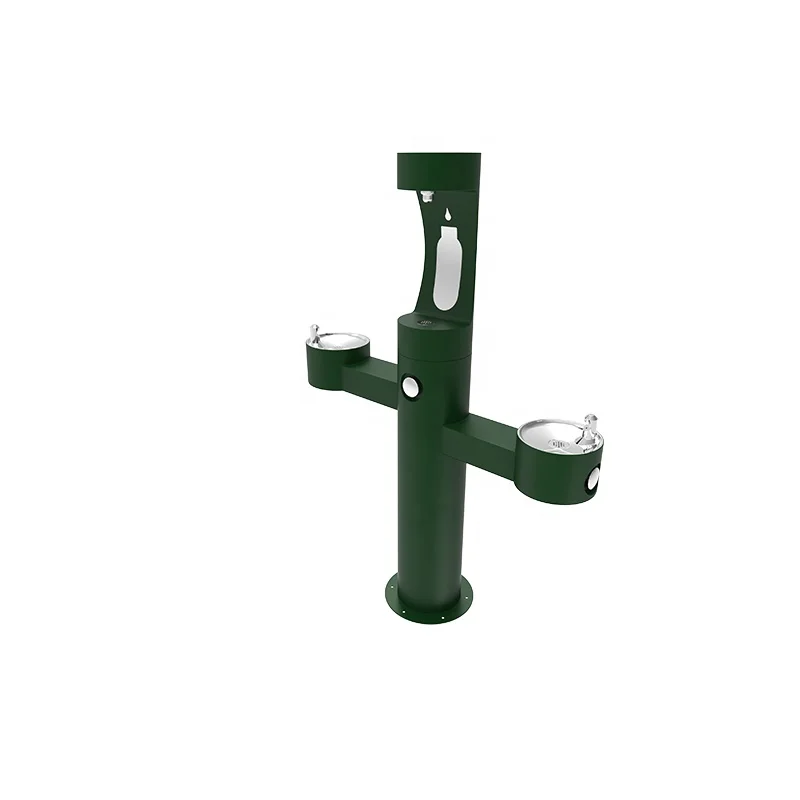
IUISON specializes in high-quality SUS commercial drinking water machines, including water coolers, boilers, and outdoor fountains. With 16 years of international trade experience, we provide reliable, customized solutions for businesses, governments, and organizations worldwide.
No. 13, Laocun Industrial Zone, Sanle Road, Lecong Town, Shunde District, Foshan City, Guangdong Province,China.
Copyright © 2026 GUANGDONG IUISON CO.,LTD All Rights Reserved Privacy Policy
 EN
EN
 AR
AR
 HR
HR
 CS
CS
 DA
DA
 NL
NL
 FI
FI
 FR
FR
 DE
DE
 EL
EL
 HI
HI
 IT
IT
 JA
JA
 KO
KO
 PL
PL
 PT
PT
 RO
RO
 RU
RU
 ES
ES
 SV
SV
 TL
TL
 IW
IW
 LT
LT
 SR
SR
 SK
SK
 UK
UK
 VI
VI
 TH
TH
 TR
TR
 FA
FA
 MS
MS
 IS
IS
 HY
HY
 AZ
AZ
 KA
KA
 BN
BN
 KM
KM
 LO
LO
 LA
LA
 MN
MN
 Hot News