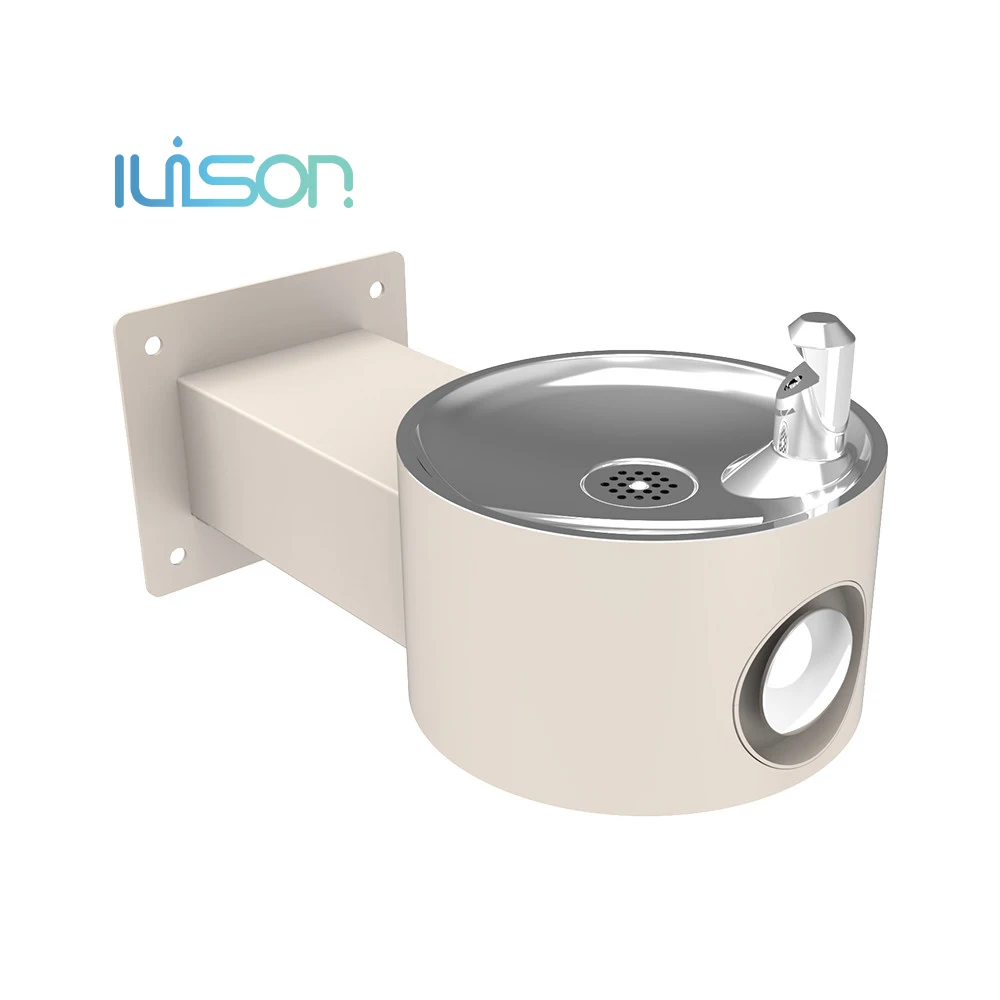
Modern facilities face increasing pressure to maximize space efficiency while providing essential amenities. A wall mounted drinking fountain represents the perfect solution for schools, offices, parks, and commercial buildings seeking to offer hydration access without sacrificing valuable floor space. These innovative fixtures mount directly to walls, eliminating the need for bulky standalone units that can obstruct walkways and reduce available square footage.
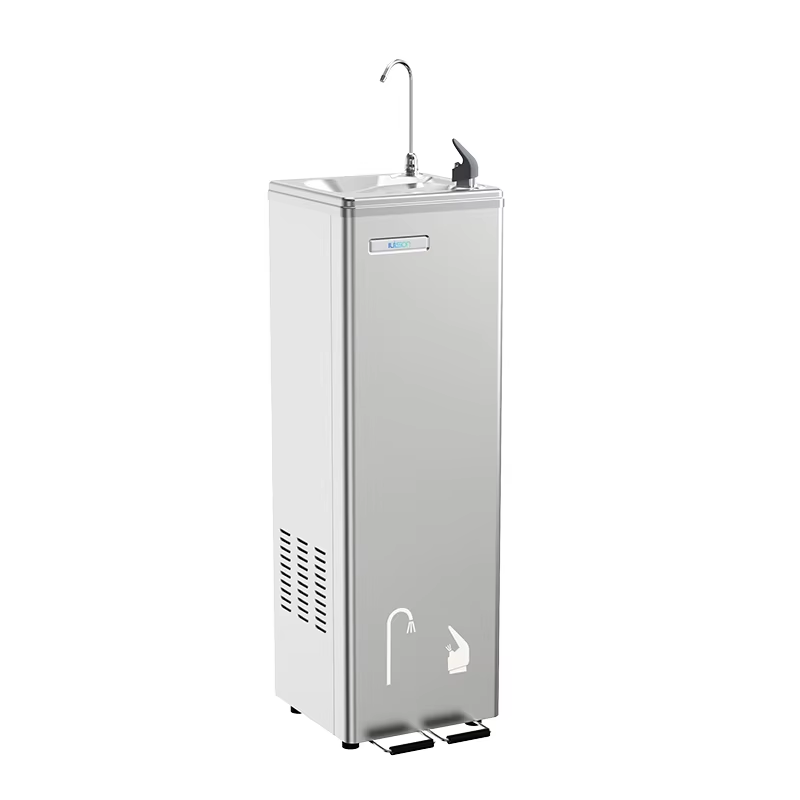
The growing demand for space-saving hydration solutions has led to remarkable innovations in fountain design and functionality. Property managers and facility planners consistently report that wall-mounted options provide superior space utilization compared to traditional floor-standing models. These units typically project only 12-18 inches from the wall surface, leaving corridors and common areas unobstructed for pedestrian traffic and other activities.
Space efficiency extends beyond mere physical dimensions to encompass maintenance access, cleaning procedures, and aesthetic integration with existing architecture. The most effective designs consider both horizontal projection and vertical clearance requirements, ensuring compliance with accessibility standards while maintaining minimal spatial impact. Strategic placement of these fixtures can transform underutilized wall space into functional hydration stations without compromising building flow or design integrity.
Professional installation of wall mounted drinking fountain systems requires careful consideration of height specifications to meet ADA compliance requirements. Standard mounting heights range from 36 to 38 inches for wheelchair accessibility, with dual-height models accommodating both standing and seated users. This vertical efficiency allows facilities to serve diverse user populations while maintaining consistent wall line aesthetics throughout the building.
The mounting system itself contributes significantly to space savings through secure wall attachment that eliminates the need for floor anchoring or protective barriers. High-quality wall brackets distribute weight evenly across multiple wall studs, ensuring structural integrity without requiring additional floor space for stability. This approach proves particularly valuable in narrow hallways, compact office environments, and high-traffic areas where every square foot matters.
Installation planning must account for plumbing access and electrical connections while maintaining the space-saving benefits. Modern designs incorporate concealed plumbing runs within wall cavities, eliminating visible pipes or conduits that could compromise the clean, streamlined appearance. Professional installers can position these units to maximize wall space utilization while ensuring easy access for future maintenance and service requirements.
The projection depth of wall mounted fountain units directly impacts their space-saving effectiveness and integration with pedestrian traffic patterns. Compact designs typically extend 12-15 inches from the wall surface, while standard models may project 16-20 inches depending on basin size and activation mechanism configuration. This relatively shallow projection maintains clear passage widths in corridors and common areas.
Traffic flow analysis reveals that properly positioned wall-mounted units actually improve space utilization by creating natural stopping points that don't interfere with primary circulation routes. Users can access the fountain while remaining close to the wall, allowing others to pass freely in the main traffic lane. This positioning strategy proves especially effective in schools, where hallway congestion during class changes requires careful space management.
Advanced design features like recessed activation buttons and curved basin profiles further minimize projection while maintaining full functionality. Some manufacturers offer semi-recessed models that partially embed into the wall cavity, reducing projection to as little as 8-10 inches. These ultra-compact options represent the pinnacle of space-saving design for facilities with severe space constraints.
The basin design of a wall mounted drinking fountain directly influences both space requirements and user experience. Compact oval basins offer optimal water containment while minimizing horizontal projection, making them ideal for narrow corridors and tight spaces. The depth and width ratios of these basins are carefully engineered to prevent splash-back while maintaining the smallest possible footprint.
Multi-level basin configurations provide additional space efficiency by accommodating users of different heights within a single wall-mounted unit. These designs feature separate drinking levels for adults and children, eliminating the need for multiple separate fountains. The vertical stacking approach maximizes functionality per square foot of wall space, making it particularly valuable in schools and public facilities serving diverse populations.
Basin materials and finish selections also contribute to space perception and maintenance efficiency. Stainless steel surfaces with brushed finishes reflect light and create visual depth, making installations appear less intrusive. The durability of these materials reduces replacement frequency, maintaining the space-saving investment over extended periods while minimizing maintenance disruption in occupied areas.
Push-button activation systems represent the most space-efficient option for wall mounted drinking fountains, requiring minimal projection and providing reliable operation. These mechanisms typically add only 1-2 inches to the overall unit depth while offering precise water flow control. The button placement can be optimized for both standing and wheelchair users without compromising the compact profile.
Sensor-activated models eliminate physical contact requirements while maintaining space efficiency through streamlined design integration. The sensors mount flush with the unit surface, adding no additional projection while providing touchless operation that appeals to health-conscious users. Battery-powered sensor options reduce electrical installation requirements, simplifying wall mounting and reducing overall installation footprint.
Dual activation systems combining push-button and sensor options offer maximum flexibility while maintaining compact dimensions. These hybrid designs accommodate user preferences and accessibility requirements within a single space-efficient package. The redundant activation methods ensure consistent operation even if one system requires maintenance, maximizing uptime and user satisfaction.
Stainless steel construction offers superior durability and space efficiency for wall mounted drinking fountain applications. The material's strength-to-weight ratio allows for thinner wall sections and more compact designs without sacrificing structural integrity. This material efficiency translates directly into reduced projection depth and overall unit dimensions, maximizing space savings while ensuring long-term reliability.
The corrosion resistance of stainless steel eliminates the need for protective coatings or frequent refinishing, reducing maintenance space requirements and service interruptions. Facilities can maintain consistent operation without requiring additional storage space for replacement parts or refinishing materials. This maintenance efficiency contributes to the overall space-saving value proposition over the fountain's operational lifetime.
Stainless steel's hygienic properties support easy cleaning and sanitization without requiring harsh chemicals or extensive cleaning equipment storage. The smooth, non-porous surface resists bacterial growth and staining, maintaining appearance and functionality with minimal intervention. This low-maintenance characteristic proves especially valuable in high-traffic installations where space for maintenance activities is limited.
Outdoor wall mounted drinking fountain installations require enhanced weather resistance while maintaining space efficiency for parks, playgrounds, and recreational facilities. Specialized coatings and sealed mechanisms protect internal components from moisture and temperature fluctuations without increasing unit dimensions. These weatherization features ensure consistent operation across seasonal variations while preserving the space-saving design advantages.
Freeze protection systems integrate into compact wall-mounted designs through heated supply lines and insulated internal components. These features prevent winter damage without requiring bulky external protection or increased projection depth. The self-contained freeze protection maintains full functionality year-round while preserving the minimal space footprint essential for outdoor installations.
UV-resistant materials and finishes prevent degradation from prolonged sun exposure while maintaining color stability and surface integrity. These protective features extend service life without requiring replacement part storage or frequent maintenance interventions. The long-term durability supports the space-saving investment by minimizing replacement frequency and associated installation disruption.
Proper wall structure assessment ensures successful installation of wall mounted drinking fountain systems without compromising space-saving benefits. Load-bearing calculations must account for unit weight, water supply pressure, and dynamic loading from user interaction. Adequate wall reinforcement provides the necessary support while maintaining minimal visual impact and space intrusion.
Stud spacing and wall construction materials directly influence mounting options and projection requirements. Standard 16-inch stud spacing accommodates most fountain mounting brackets, while masonry walls may require specialized anchoring systems. Professional installers can optimize mounting approaches to minimize wall modification and preserve existing space allocation.
Concealed reinforcement techniques allow installations in drywall partitions without visible structural modifications. Steel backing plates and distributed load mounting systems provide necessary support while maintaining clean wall lines and minimal space impact. These approaches prove particularly valuable in office environments where aesthetic integration is essential.
Efficient plumbing integration maximizes the space-saving advantages of wall mounted drinking fountain installations through concealed supply and drain connections. In-wall plumbing runs eliminate visible pipes and reduce maintenance space requirements while providing reliable water supply and waste removal. Proper planning ensures adequate access for service without compromising space efficiency.
Water pressure regulation and filtration systems can integrate within wall cavities or adjacent utility spaces, maintaining the clean appearance and minimal projection of the fountain unit itself. Compact filtration systems reduce maintenance frequency while preserving space allocation for other facility needs. The integration approach ensures consistent water quality without sacrificing space efficiency.
Drainage requirements for wall mounted installations typically utilize gravity flow to existing waste lines, eliminating the need for pump systems or additional floor space allocation. Proper slope design ensures effective drainage while maintaining minimal projection depth. The simplified drainage approach reduces installation complexity and space requirements compared to floor-mounted alternatives.
Wall mounted drinking fountain maintenance procedures are designed to minimize service time and space disruption while ensuring optimal performance. Accessible filter compartments and service panels allow technicians to complete routine maintenance without removing the entire unit or requiring extensive workspace. This approach preserves the space-saving benefits while maintaining reliable operation.
Scheduled cleaning and sanitization procedures require minimal equipment and workspace compared to floor-standing models. The elevated mounting position provides easy access to all surfaces without requiring technicians to work in confined floor-level spaces. This efficiency reduces service time and minimizes disruption to facility operations during maintenance activities.
Component replacement procedures utilize modular designs that allow individual part replacement without complete unit removal. Quick-connect fittings and accessible mounting hardware enable rapid service completion while maintaining the space-efficient installation. This modular approach reduces inventory requirements and service disruption compared to integrated floor-standing systems.
Long-term service planning for wall mounted drinking fountain systems focuses on preventive maintenance strategies that preserve space efficiency and operational reliability. Predictive maintenance schedules reduce emergency service requirements while maintaining consistent performance. The space-saving design facilitates regular inspections without disrupting facility operations or requiring temporary space allocation for service activities.
Component lifecycle management ensures replacement part availability while minimizing storage space requirements. Standardized components across multiple installations reduce inventory complexity and storage space needs. The modular design approach supports efficient parts management while preserving the space-saving advantages throughout the system's operational lifetime.
Service documentation and maintenance records integrate with facility management systems to optimize scheduling and resource allocation. Digital maintenance platforms reduce paperwork storage requirements while providing comprehensive service history tracking. This approach supports the space-saving value proposition by minimizing administrative space needs and improving maintenance efficiency.
Installation costs for wall mounted drinking fountain systems typically prove more economical than floor-standing alternatives when space value is considered in the analysis. The eliminated need for floor space allocation, protective barriers, and accessibility clearances reduces overall project costs while maximizing usable facility space. This cost-effectiveness becomes particularly significant in high-value real estate markets where space carries premium pricing.
Labor costs for wall mounting installations often compare favorably to floor-standing systems due to simplified anchoring requirements and reduced site preparation needs. Professional installers can complete wall-mounted installations with minimal disruption to existing space usage and facility operations. The streamlined installation process reduces project timelines and associated costs while delivering immediate space-saving benefits.
Long-term operational costs favor wall mounted systems through reduced cleaning requirements, lower maintenance complexity, and improved accessibility for service personnel. The space-saving design eliminates many maintenance challenges associated with floor-level installations while providing superior access to components and systems. These operational advantages contribute to total cost of ownership benefits over the system's service lifetime.
Space value calculations for wall mounted drinking fountain installations demonstrate significant return on investment through preserved floor space allocation for revenue-generating or mission-critical activities. Educational facilities can maintain additional student capacity, while commercial buildings preserve valuable rentable square footage. The quantifiable space savings translate directly into measurable financial benefits.
Facility efficiency improvements from wall mounted installations extend beyond direct space savings to include enhanced traffic flow, improved accessibility compliance, and reduced maintenance disruption. These operational benefits compound the initial space-saving advantages while supporting improved facility utilization and user satisfaction. The comprehensive value proposition justifies the investment through multiple benefit categories.
Market value enhancement from modern, space-efficient fountain installations contributes to property valuation and tenant satisfaction in commercial applications. The contemporary appearance and efficient operation of wall mounted systems support facility modernization goals while delivering practical space management benefits. This dual value creation supports investment recovery through both operational savings and asset value appreciation.
Most wall mounted drinking fountains project between 12-20 inches from the wall surface, with compact models available that extend only 8-12 inches. The exact projection depends on basin size, activation mechanism, and design features. Ultra-compact designs with recessed mounting can achieve projections as shallow as 6-8 inches for extremely space-constrained applications.
ADA compliance requires a clear floor space of at least 30 inches by 48 inches in front of the fountain, with the longer dimension parallel to the wall. Additional clearance of 18 inches on at least one side is recommended for wheelchair maneuvering. The wall mounting eliminates the need for floor space behind the unit, maximizing overall space efficiency compared to freestanding models.
Yes, dual-height wall mounted fountains feature separate drinking levels positioned at approximately 38 inches for adults and 30 inches for children. These designs maximize space efficiency by serving multiple user groups within a single wall-mounted unit. Some models include adjustable height mechanisms or angled spouts to accommodate varying user heights within the same compact footprint.
Wall mounted drinking fountains can be installed on most wall types including drywall over studs, masonry block, concrete, and steel stud construction. Each wall type requires specific mounting hardware and techniques, with masonry walls offering the highest load capacity. Professional assessment ensures proper mounting selection for long-term reliability while maintaining space-saving benefits across different construction types.

IUISON specializes in high-quality SUS commercial drinking water machines, including water coolers, boilers, and outdoor fountains. With 16 years of international trade experience, we provide reliable, customized solutions for businesses, governments, and organizations worldwide.
No. 13, Laocun Industrial Zone, Sanle Road, Lecong Town, Shunde District, Foshan City, Guangdong Province,China.
Copyright © 2026 GUANGDONG IUISON CO.,LTD All Rights Reserved Privacy Policy
 EN
EN
 AR
AR
 HR
HR
 CS
CS
 DA
DA
 NL
NL
 FI
FI
 FR
FR
 DE
DE
 EL
EL
 HI
HI
 IT
IT
 JA
JA
 KO
KO
 PL
PL
 PT
PT
 RO
RO
 RU
RU
 ES
ES
 SV
SV
 TL
TL
 IW
IW
 LT
LT
 SR
SR
 SK
SK
 UK
UK
 VI
VI
 TH
TH
 TR
TR
 FA
FA
 MS
MS
 IS
IS
 HY
HY
 AZ
AZ
 KA
KA
 BN
BN
 KM
KM
 LO
LO
 LA
LA
 MN
MN
 Hot News