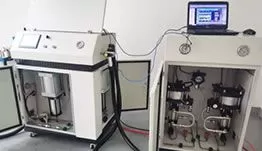
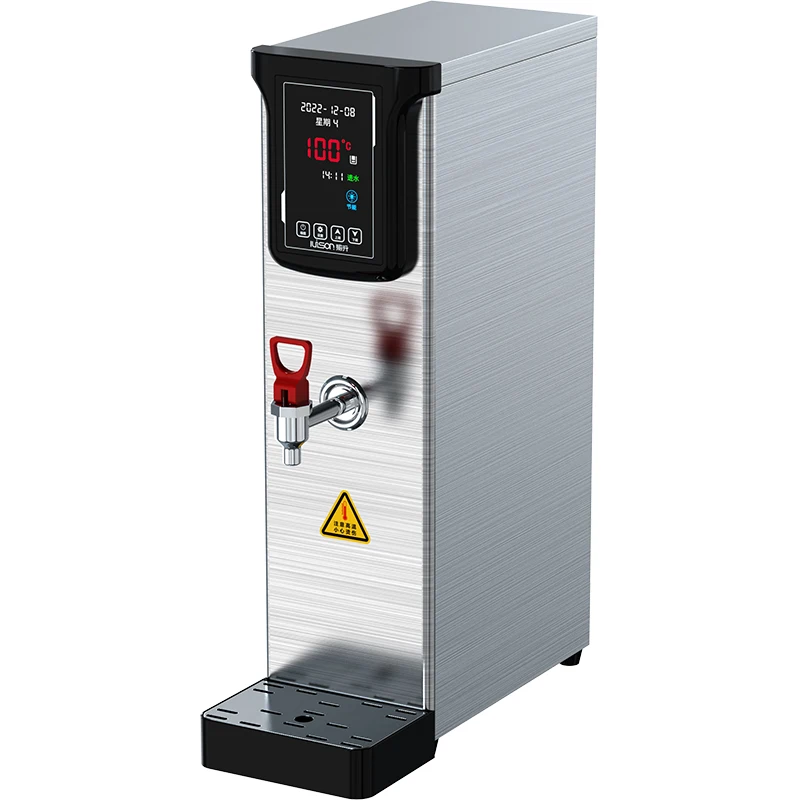
Nos atuais ambientes comerciais e industriais, selecionar a solução adequada para distribuição de água é fundamental para manter a eficiência operacional e garantir a rentabilidade a longo prazo. Um distribuidor de água em aço inoxidável representa o padrão-ouro para empresas e instituições que buscam soluções confiáveis de hidratação capazes de suportar condições exigentes. Ao contrário das alternativas plásticas, que se deterioram com o tempo, os distribuidores em aço inoxidável oferecem durabilidade, higiene e desempenho incomparáveis, tornando-os a escolha preferida em diversos setores.
O investimento em um distribuidor de água de aço inoxidável de alta qualidade gera retornos por meio da redução dos custos de manutenção, da melhoria dos padrões de saneamento e da extensão da vida útil. Essas unidades são projetadas para suportar uso contínuo, mantendo ao mesmo tempo a qualidade ideal da água e o controle preciso da temperatura. Desde instalações industriais até instituições educacionais, a robustez da construção em aço inoxidável garante operação confiável mesmo em ambientes desafiadores, onde outros materiais poderiam falhar.
A vantagem fundamental de um distribuidor de água em aço inoxidável reside em sua excepcional resistência à corrosão e à degradação ambiental. O aço inoxidável contém cromo, que forma uma camada protetora de óxido na superfície, impedindo a formação de ferrugem e mantendo a integridade estrutural por décadas de uso. Essa barreira protetora natural significa que, mesmo em ambientes úmidos ou quimicamente agressivos, o distribuidor conserva sua aparência e funcionalidade sem comprometer a qualidade da água.
Diferentemente das alternativas em aço galvanizado ou alumínio, o aço inoxidável não apresenta pitting nem descascamento, garantindo que nenhuma partícula metálica contamine o suprimento de água. A estabilidade do material frente a flutuações de temperatura torna-o ideal para aplicações de distribuição tanto de água quente quanto fria. Essa durabilidade se traduz em menores custos de substituição e menor impacto ambiental, graças a ciclos de vida prolongados do produto.
Os distribuidores modernos de água em aço inoxidável são fabricados com aço inoxidável grau alimentício 304 ou 316, que atende aos rigorosos requisitos de segurança para contato com água potável. Essas classes contêm composições específicas de ligas que eliminam o risco de lixiviação de metais pesados, garantindo a pureza da água durante toda a vida útil do distribuidor. A superfície não porosa impede o crescimento bacteriano e facilita a limpeza e a desinfecção completas.
A natureza inerte do aço inoxidável significa que ele não altera o sabor, o odor nem a cor da água, preservando as características naturais esperadas pelos usuários. Isso é particularmente importante em ambientes institucionais, onde a qualidade da água impacta diretamente a saúde e a satisfação dos usuários. Os procedimentos regulares de manutenção são simplificados, pois as superfícies de aço inoxidável suportam agentes de limpeza agressivos sem sofrer degradação. 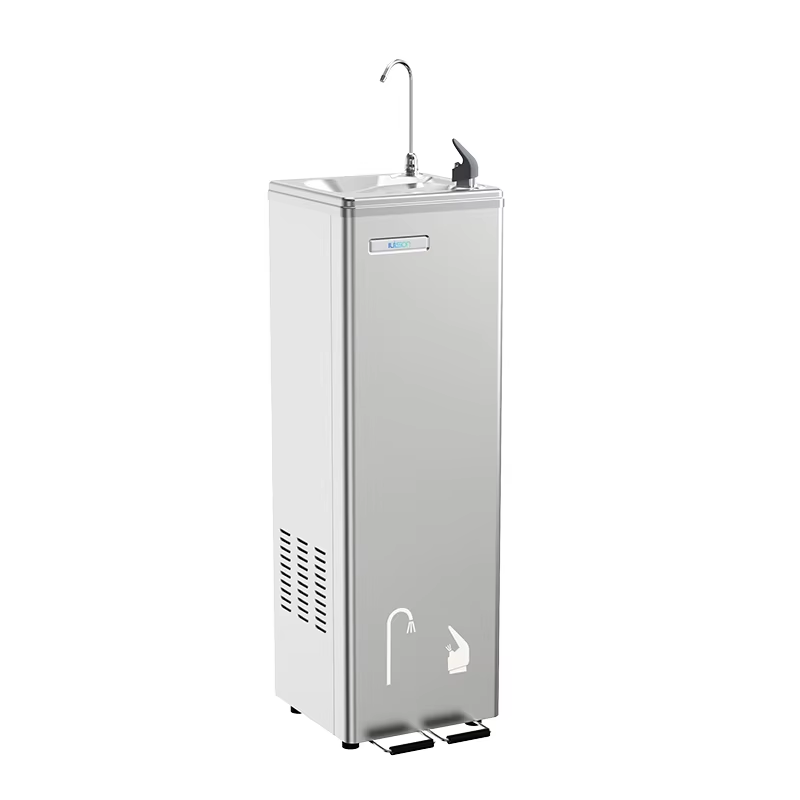
Ao avaliar o custo total de propriedade, uma dispensador de Água de Aço Inoxidável demonstra um valor econômico superior por meio de requisitos de manutenção drasticamente reduzidos. A resistência do material ao desgaste e aos danos ambientais resulta em menos chamadas de serviço, peças de reposição e custos com mão de obra ao longo da vida útil do equipamento. Essa confiabilidade é especialmente valiosa em locais remotos ou em aplicações críticas, onde a indisponibilidade acarreta custos operacionais significativos.
A construção robusta dos distribuidores em aço inoxidável significa que os componentes duram mais e operam com maior eficiência. Os mecanismos internos, protegidos por carcaças de aço inoxidável, sofrem menos contaminação e corrosão, o que leva a um desempenho aprimorado e a intervalos de manutenção estendidos. Isso se traduz em custos operacionais previsíveis e em um planejamento orçamentário melhorado para os gestores de instalações.
As propriedades térmicas do aço inoxidável contribuem para uma maior eficiência energética em sistemas de distribuição de água. A capacidade do material de manter temperaturas estáveis reduz a carga sobre os elementos de aquecimento e refrigeração, resultando em menor consumo de energia e maior vida útil dos equipamentos. Essa eficiência torna-se particularmente evidente em aplicações de alto volume, onde os custos com energia podem representar uma parcela significativa das despesas operacionais.
As tolerâncias de fabricação precisas alcançáveis com o aço inoxidável garantem a integridade ideal das vedações e características ideais de fluxo. Esses fatores contribuem para um desempenho consistente e reduzem o desperdício de energia causado por ineficiências do sistema. Ao longo do tempo, essas economias se acumulam, proporcionando vantagens de custo substanciais em comparação com alternativas menos duráveis.
A superfície lisa e não porosa de um distribuidor de água em aço inoxidável resiste naturalmente à colonização bacteriana e à formação de biofilmes. Essa propriedade antimicrobiana é inerente ao material e não diminui com o tempo, oferecendo proteção contínua contra contaminação. Estudos demonstraram que bactérias patogênicas não conseguem sobreviver por tanto tempo em superfícies de aço inoxidável quanto em plástico ou outros materiais comumente utilizados em equipamentos de distribuição de água.
A capacidade de manter condições estéreis é crucial em instalações de saúde, operações de serviços alimentares e instituições educacionais, onde a segurança da água é primordial. Os protocolos regulares de desinfecção são mais eficazes em superfícies de aço inoxidável, pois os agentes de limpeza conseguem eliminar contaminantes sem serem absorvidos pelo material ou criarem locais microscópicos para esconderijo de patógenos.
Os distribuidores de água em aço inoxidável suportam procedimentos agressivos de limpeza e sanitização sem degradação do material ou danos na superfície. Essa compatibilidade com desinfetantes de alta potência industrial garante que os mais elevados padrões de higiene possam ser mantidos durante toda a vida útil do distribuidor. A inércia química impede reações que poderiam comprometer a qualidade da água ou gerar problemas de manutenção.
Os gestores de instalações podem implementar protocolos abrangentes de limpeza utilizando desinfetantes à base de cloro, compostos de amônio quaternário ou outros desinfetantes aprovados, sem preocupações quanto à compatibilidade com o material. Essa flexibilidade é essencial para o cumprimento das regulamentações sanitárias e para a manutenção da certificação em setores regulamentados.
Os benefícios ambientais de escolher um distribuidor de água em aço inoxidável estendem-se além de sua vida útil operacional, graças à excelente reciclabilidade. O aço inoxidável é 100% reciclável sem perda de propriedades, o que significa que, mesmo após décadas de uso, o material pode ser reaproveitado na fabricação de novos produtos. Essa abordagem de economia circular reduz a pegada ambiental associada à infraestrutura de distribuição de água.
A longa vida útil dos distribuidores em aço inoxidável implica menos substituições e menor geração de resíduos, comparado a alternativas em plástico ou compósitos. Essa durabilidade está alinhada com os objetivos de sustentabilidade e pode contribuir para a obtenção de pontos de certificação LEED em iniciativas de construção sustentável. A redução da necessidade de peças de reposição e materiais de manutenção minimiza ainda mais o impacto ambiental.
Modernos dispensadores de água em aço inoxidável frequentemente incorporam tecnologias avançadas de controle de fluxo e sensores que reduzem o desperdício de água. A fabricação precisa possível com componentes em aço inoxidável permite tolerâncias rigorosas e um funcionamento confiável dos recursos de economia de água. Esses sistemas podem incluir válvulas de fechamento automático, redutores de fluxo e capacidades de detecção de vazamentos que preservam os recursos hídricos.
A durabilidade da construção em aço inoxidável garante que os recursos de conservação continuem funcionando de forma eficaz durante toda a vida útil do dispensador. Essa confiabilidade evita a degradação gradual de vedações e controles que pode levar ao desperdício em sistemas inferiores. A conservação da água torna-se, assim, um benefício de longo prazo, e não uma característica temporária.
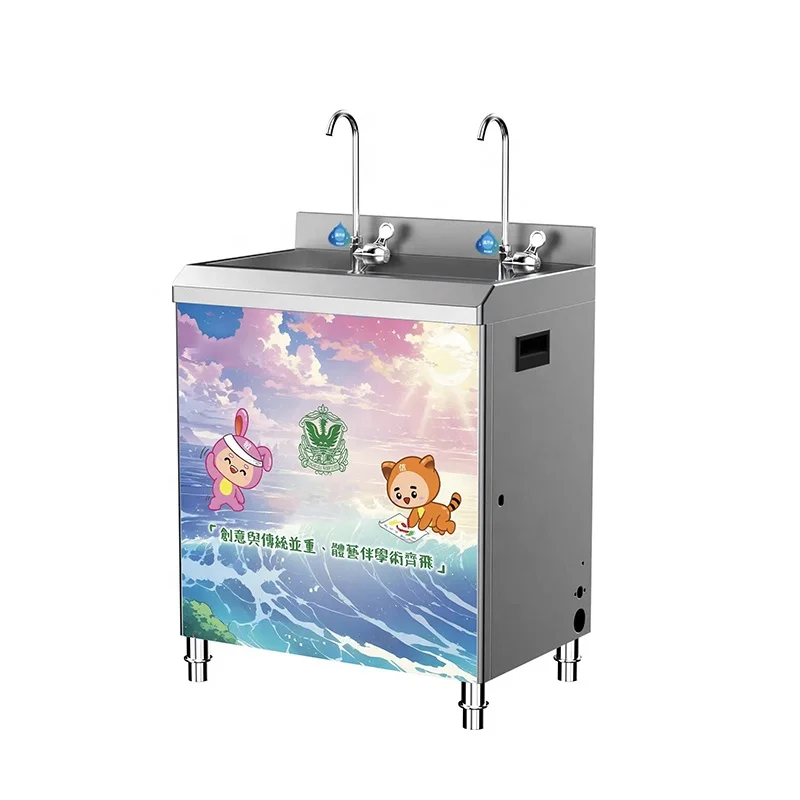
O apelo estético e a flexibilidade de design das torneiras de água em aço inoxidável tornam-nas adequadas para uma ampla gama de estilos arquitetônicos e ambientes. A aparência neutra do material complementa tanto esquemas de design modernos quanto tradicionais, ao mesmo tempo que confere um aspecto profissional e limpo, melhorando a imagem da instalação. A capacidade do aço inoxidável de receber diversos acabamentos permite a personalização para atender a requisitos específicos de design.
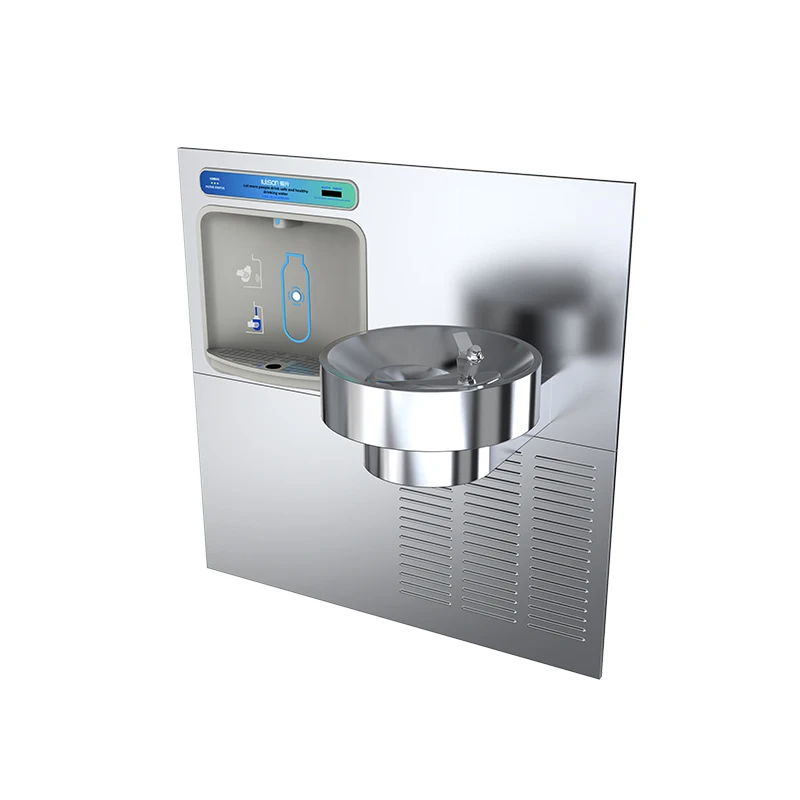
A resistência estrutural do aço inoxidável possibilita abordagens inovadoras de design, incluindo unidades de parede, instalações integradas e configurações personalizadas que não seriam viáveis com materiais menos resistentes. Essa flexibilidade permite que arquitetos e designers especifiquem soluções de distribuição de água que se integrem verdadeiramente ao planejamento global da instalação, em vez de parecerem adições posteriores.
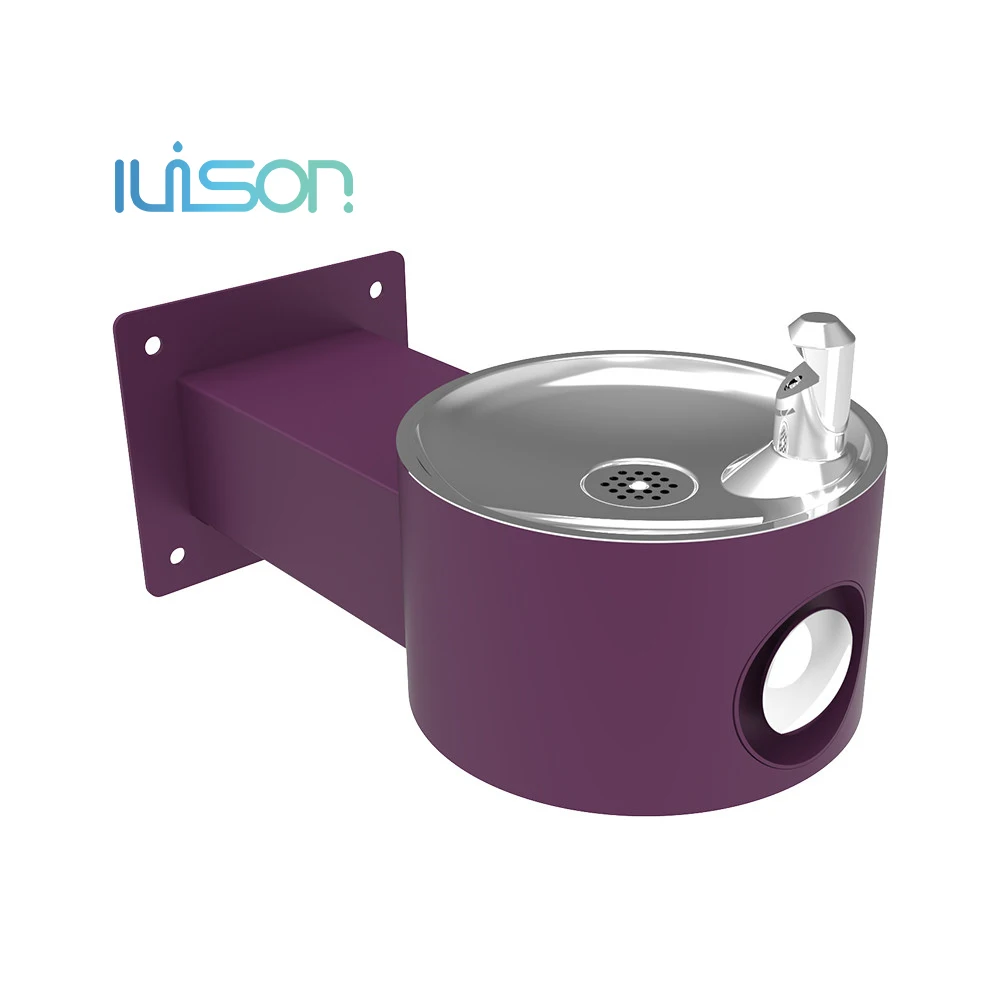
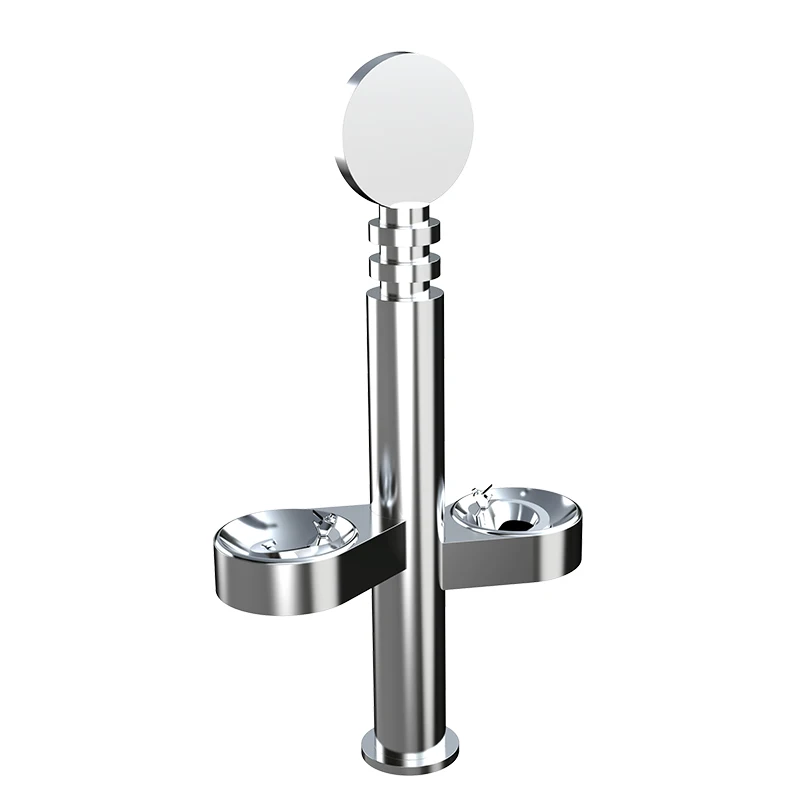
Para instalações ao ar livre e ambientes industriais severos, um bebedouro em aço inoxidável oferece durabilidade e resistência climática incomparáveis. A capacidade desse material de suportar extremos de temperatura, exposição à radiação UV e precipitação torna-o ideal para aplicações nas quais outros materiais se deteriorariam rapidamente. Essa característica amplia as opções de instalação e garante um serviço confiável em condições desafiadoras.
Instalações industriais, canteiros de obras e áreas recreativas ao ar livre beneficiam-se da construção robusta, que mantém sua funcionalidade mesmo com exposição à poeira, produtos químicos e impactos mecânicos. Os baixos requisitos de manutenção tornam-se ainda mais valiosos nessas aplicações exigentes, onde o acesso para manutenção pode ser limitado ou oneroso.
Um distribuidor de água em aço inoxidável devidamente mantido normalmente oferece 15 a 25 anos de serviço confiável, significativamente mais do que alternativas em plástico ou compósito. A vida útil exata depende dos padrões de uso, da qualidade da manutenção e das condições ambientais, mas as propriedades resistentes à corrosão do aço inoxidável garantem que a estrutura permaneça íntegra durante esse período prolongado. Muitas instalações institucionais relatam operação bem-sucedida por mais de duas décadas, com apenas manutenção rotineira e substituição ocasional de componentes.
Os requisitos de manutenção para dispensadores de água em aço inoxidável são mínimos em comparação com outros materiais. A limpeza regular com desinfetantes adequados, a inspeção periódica das vedações e dos filtros, bem como a manutenção profissional anual normalmente são suficientes para garantir o desempenho ideal. A superfície não porosa resiste ao acúmulo de resíduos e à contaminação, tornando a limpeza simples. A maioria dos problemas de manutenção envolve componentes substituíveis, como filtros ou elementos aquecedores, e não problemas estruturais no invólucro de aço inoxidável.
Embora os distribuidores de água em aço inoxidável tenham normalmente custos iniciais mais elevados do que as alternativas em plástico, o custo total de propriedade é frequentemente menor devido à maior vida útil e aos requisitos reduzidos de manutenção. O investimento inicial é compensado pela menor frequência de substituição, pelos custos de reparação mais baixos e pela maior eficiência energética. Para aplicações comerciais e institucionais, os benefícios económicos a longo prazo justificam normalmente a despesa inicial mais elevada já nos primeiros anos de operação.
Sim, os distribuidores de água em aço inoxidável são excelentemente adequados tanto para aplicações com água quente quanto fria, devido à estabilidade térmica do material e à sua resistência a ciclos de temperatura. O metal não se torna frágil em condições frias nem perde resistência em temperaturas elevadas típicas de sistemas de aquecimento de água. Essa versatilidade permite instalações com duas temperaturas e alterações sazonais na operação, sem comprometer a segurança ou o desempenho. As propriedades de condutividade térmica contribuem ainda para a eficiência energética na manutenção da temperatura.

A IUISON especializa-se em máquinas comerciais de água potável de alta qualidade em aço inoxidável, incluindo bebedouros, boilers e fontes externas. Com 16 anos de experiência em comércio internacional, oferecemos soluções confiáveis e personalizadas para empresas, governos e organizações em todo o mundo.
No. 13, Laocun Industrial Zone, Sanle Road, Lecong Town, Shunde District, Foshan City, Guangdong Province,China.
Copyright © 2026 GUANGDONG IUISON CO.,LTD All Rights Reserved POLÍTICA DE PRIVACIDADE
 EN
EN
 AR
AR
 HR
HR
 CS
CS
 DA
DA
 NL
NL
 FI
FI FR
FR
 DE
DE EL
EL
 HI
HI
 IT
IT JA
JA
 KO
KO
 PL
PL PT
PT RO
RO
 RU
RU
 ES
ES
 SV
SV
 TL
TL
 IW
IW
 LT
LT
 SR
SR
 SK
SK
 UK
UK VI
VI
 TH
TH
 TR
TR
 FA
FA
 MS
MS
 IS
IS
 HY
HY
 AZ
AZ
 KA
KA
 BN
BN
 KM
KM
 LO
LO
 LA
LA
 MN
MN
 Notícias Quentes