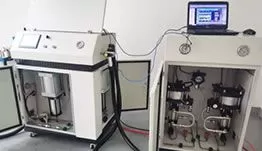
Selecting the right commercial water dispenser for your workplace requires careful consideration of cooling performance, capacity, and reliability. Modern businesses depend on efficient hydration solutions that deliver consistently cold water throughout demanding workdays. Understanding the key factors that influence cooling performance helps facility managers make informed decisions that enhance employee satisfaction while maintaining operational efficiency.
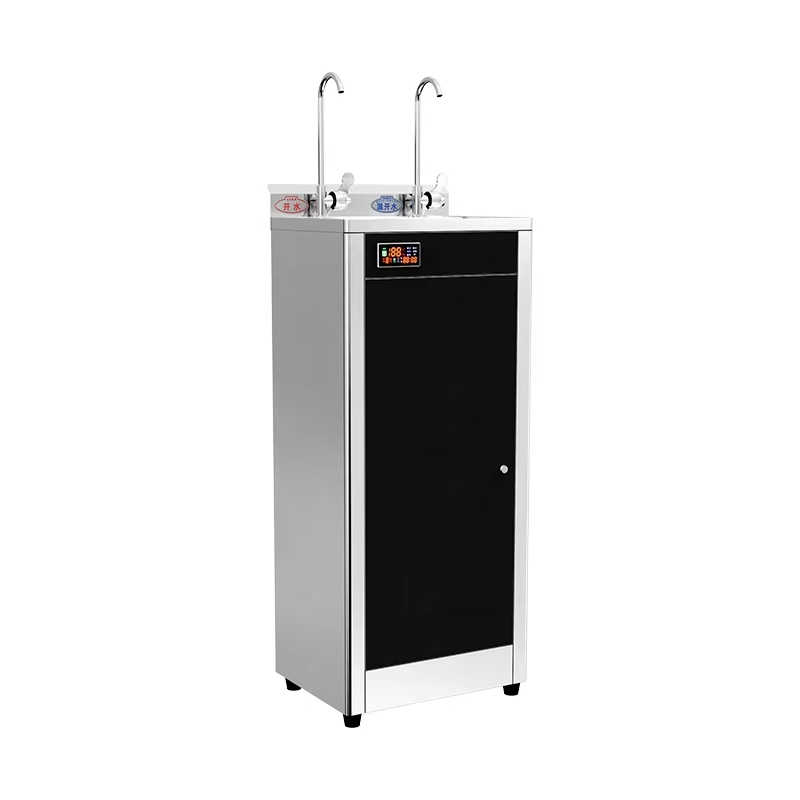
The cooling system forms the heart of any high-performance water dispensing solution. Advanced compressor technology combined with properly sized cooling chambers determines how quickly units can recover after heavy usage periods. Professional environments require dispensers that maintain optimal water temperatures even during peak demand times when multiple employees access refreshment simultaneously.
Energy efficiency considerations play an increasingly important role in equipment selection processes. Modern cooling systems incorporate intelligent temperature controls that reduce power consumption while maintaining consistent performance standards. These innovations help businesses balance operational costs with environmental responsibility while ensuring reliable cold water availability throughout extended operating hours.
High-efficiency compressors utilize advanced refrigeration technology to maintain consistent cooling performance across varying ambient temperatures. Professional-grade units incorporate variable-speed compressors that adjust cooling output based on actual demand patterns. This intelligent approach reduces energy consumption during low-usage periods while ensuring rapid recovery capabilities when demand increases suddenly.
Premium compressor systems feature enhanced durability components designed for continuous commercial operation. Sealed refrigeration circuits prevent contamination while maintaining optimal cooling efficiency over extended service life. These robust systems typically include built-in protection mechanisms that prevent overheating and ensure reliable operation in demanding commercial environments.
Properly sized cooling reservoirs ensure adequate cold water storage for peak usage periods. Commercial applications require sufficient reservoir capacity to handle simultaneous access from multiple users without significant temperature fluctuations. Stainless steel reservoir construction provides superior temperature retention while maintaining hygienic water storage conditions throughout extended operational periods.
Innovative reservoir designs incorporate strategic insulation placement that minimizes heat transfer from ambient air. Advanced thermal management systems utilize specialized materials that enhance cooling efficiency while reducing overall energy consumption. These design improvements enable faster recovery times and more consistent water temperatures during heavy usage periods.
Optimal placement significantly impacts cooling system performance and energy efficiency. Units positioned away from direct sunlight and heat sources maintain better temperature control with reduced energy consumption. Adequate ventilation around cooling components prevents overheating while enabling efficient heat dissipation during normal operation cycles.
Professional installation guidelines recommend maintaining specific clearances around ventilation areas to ensure proper airflow. Ambient temperature control in installation areas helps cooling systems operate within designed parameters. These environmental factors directly influence both cooling performance and long-term equipment reliability in commercial applications.
Regular maintenance schedules ensure cooling systems maintain optimal performance throughout their service life. Filter replacement intervals directly impact both water quality and cooling efficiency. Neglected maintenance can result in reduced cooling capacity and increased energy consumption as systems work harder to achieve target temperatures.
Professional service programs include comprehensive cleaning procedures that remove mineral deposits and bacterial growth. These maintenance activities preserve cooling system efficiency while ensuring hygienic water delivery. Scheduled maintenance also identifies potential issues before they impact cooling performance or require costly emergency repairs.
Modern units incorporate digital temperature controls that enable precise adjustment of cooling parameters. Programmable settings allow facility managers to optimize cooling performance based on specific usage patterns and energy efficiency goals. These intelligent systems automatically adjust cooling cycles to maintain consistent water temperatures while minimizing power consumption during off-peak hours.
Advanced monitoring capabilities provide real-time feedback on cooling system performance and energy usage. Digital displays show current water temperatures and system status information that helps operators identify potential issues early. Remote monitoring options enable proactive maintenance scheduling based on actual operating conditions rather than arbitrary time intervals.
Energy Star certified models demonstrate superior efficiency compared to standard commercial units. These certified dispensers utilize advanced insulation materials and optimized cooling circuits that reduce overall power consumption. Investment in energy-efficient models typically results in significant operational cost savings over the equipment's service life.
Innovative cooling technologies include thermal recovery systems that capture waste heat for secondary applications. Some advanced models incorporate smart sensors that detect usage patterns and adjust cooling schedules accordingly. These technological improvements help businesses achieve sustainability goals while maintaining excellent cooling performance for daily operations.
Reliable access to properly cooled water supports employee health and productivity throughout demanding work schedules. Consistent cooling performance ensures refreshing water availability during peak demand periods when staff hydration needs increase. This reliability reduces workplace disruptions and maintains positive employee satisfaction with facility amenities.
Superior cooling systems deliver water at optimal temperatures that encourage regular hydration habits. Research demonstrates that proper hydration improves cognitive function and workplace performance. Commercial water dispenser units with excellent cooling performance contribute directly to these health and productivity benefits.
Efficient cooling systems reduce operational expenses through lower energy consumption and reduced maintenance requirements. Premium units with superior cooling technology typically demonstrate longer service life and fewer repair needs. These reliability benefits translate into reduced total cost of ownership over the equipment's operational lifespan.
Predictable cooling performance enables better budget planning for facility management teams. Reliable systems eliminate unexpected repair costs and emergency service calls that can disrupt normal business operations. Investment in quality cooling technology provides long-term value through consistent performance and reduced operational complexity.
Quality commercial dispensers typically recover to optimal cooling temperatures within 15-30 minutes after heavy usage periods. Recovery time depends on reservoir capacity, compressor efficiency, and ambient temperature conditions. Units designed for high-demand environments incorporate larger cooling systems that minimize recovery periods during peak usage times.
Most commercial water dispensers maintain cold water temperatures between 38-42°F for optimal refreshment and safety. This temperature range provides excellent cooling satisfaction while preventing potential freezing issues in the system. Adjustable temperature controls allow facility managers to fine-tune settings based on specific user preferences and operational requirements.
Higher ambient temperatures require cooling systems to work harder to maintain target water temperatures, potentially increasing energy consumption by 10-25%. Professional-grade units incorporate enhanced insulation and more powerful cooling components to maintain consistent performance across varying environmental conditions. Proper installation in climate-controlled areas helps optimize cooling efficiency regardless of seasonal temperature variations.
Regular filter replacement and condenser coil cleaning represent the most critical maintenance activities for sustaining optimal cooling performance. Dirty filters restrict water flow and force cooling systems to work harder, while contaminated coils reduce heat dissipation efficiency. Professional maintenance programs typically schedule these activities every 3-6 months depending on usage levels and environmental conditions.

IUISON specializes in high-quality SUS commercial drinking water machines, including water coolers, boilers, and outdoor fountains. With 16 years of international trade experience, we provide reliable, customized solutions for businesses, governments, and organizations worldwide.
No. 13, Laocun Industrial Zone, Sanle Road, Lecong Town, Shunde District, Foshan City, Guangdong Province,China.
Copyright © 2026 GUANGDONG IUISON CO.,LTD All Rights Reserved Privacy Policy
 EN
EN
 AR
AR
 HR
HR
 CS
CS
 DA
DA
 NL
NL
 FI
FI
 FR
FR
 DE
DE
 EL
EL
 HI
HI
 IT
IT
 JA
JA
 KO
KO
 PL
PL
 PT
PT
 RO
RO
 RU
RU
 ES
ES
 SV
SV
 TL
TL
 IW
IW
 LT
LT
 SR
SR
 SK
SK
 UK
UK
 VI
VI
 TH
TH
 TR
TR
 FA
FA
 MS
MS
 IS
IS
 HY
HY
 AZ
AZ
 KA
KA
 BN
BN
 KM
KM
 LO
LO
 LA
LA
 MN
MN
 Hot News