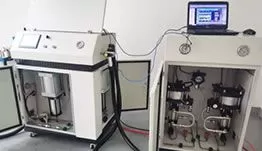
Energy efficiency has become a critical consideration for businesses and institutions seeking to reduce operational costs while maintaining reliable access to both hot and cold water. Modern commercial facilities, from hospitals to schools, are increasingly focused on finding solutions that deliver consistent performance without excessive energy consumption. The selection of an appropriate hot cold water dispenser represents a significant investment decision that impacts both immediate functionality and long-term sustainability goals. Understanding the key factors that contribute to energy efficiency in water dispensing systems helps facility managers make informed choices that benefit their operations and bottom line.
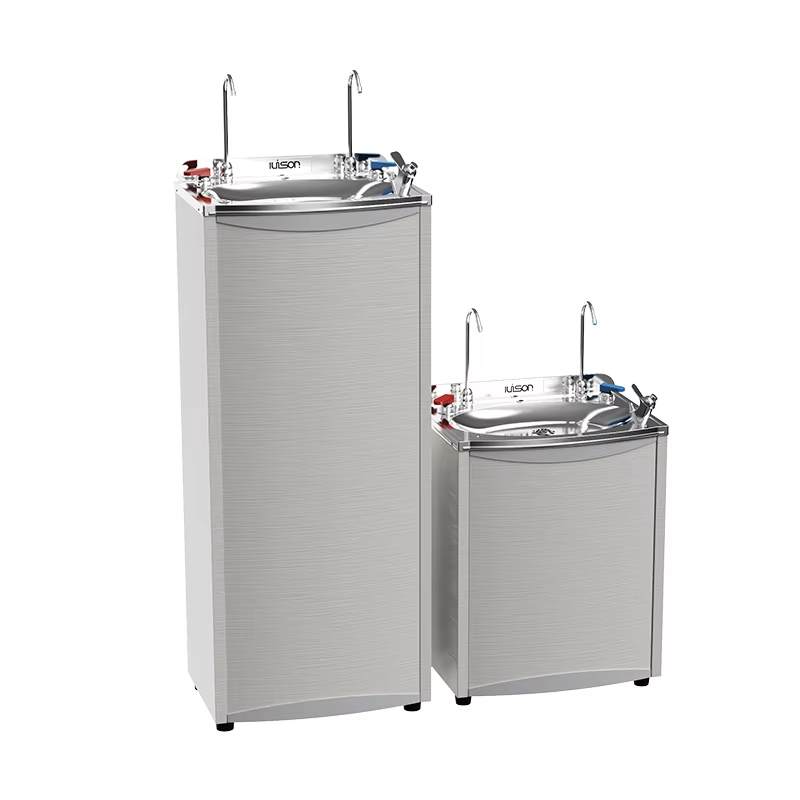
Energy efficiency in commercial water dispensers depends on several measurable factors that directly impact operational costs. The most significant indicator is the standby power consumption, which represents the energy required to maintain water temperatures when the unit is not actively dispensing. Advanced models typically consume between 150-300 watts during standby periods, compared to older systems that may require 400-600 watts for the same function. Recovery time also plays a crucial role, as faster heating and cooling capabilities reduce the overall energy demand during peak usage periods.
Temperature maintenance accuracy represents another critical performance metric that affects energy consumption. Systems with precise temperature controls prevent unnecessary heating or cooling cycles that waste energy. Modern hot cold water dispenser units incorporate intelligent sensors that monitor water temperature continuously and adjust heating elements accordingly. This sophisticated approach minimizes energy fluctuations while ensuring consistent water temperature delivery throughout daily operations.
Superior insulation materials significantly enhance energy efficiency by reducing heat transfer and maintaining optimal water temperatures with minimal energy input. Premium commercial water dispensers utilize multi-layer insulation systems that include vacuum-sealed chambers and reflective barriers. These advanced insulation technologies can reduce energy consumption by up to 30% compared to basic insulated models, making them particularly valuable for high-volume applications.
Heat recovery systems represent an innovative approach to energy conservation that captures waste heat from cooling processes and redirects it to assist with water heating functions. This technology creates a synergistic relationship between hot and cold water production, reducing the overall energy required for both functions. Facilities implementing heat recovery systems often report energy savings of 15-25% compared to traditional separate heating and cooling systems.
Contemporary hot cold water dispenser models incorporate intelligent control systems that optimize energy usage based on facility patterns and demand forecasting. These smart systems learn from usage data to anticipate peak demand periods and adjust energy output accordingly. Programmable timers allow facilities to reduce energy consumption during off-hours while ensuring rapid availability when operations resume. This adaptive approach can result in energy savings of 20-40% compared to constant-operation systems.
Variable speed compressors and modulating heating elements provide additional energy optimization by adjusting output levels to match actual demand rather than operating at fixed capacities. This technology prevents the energy waste associated with oversized systems that cycle on and off frequently. The precision control offered by these components ensures that energy consumption remains proportional to actual water dispensing needs throughout varying usage patterns.
Strategic placement of multiple dispensing taps allows for zone-based control that optimizes energy distribution across large facilities. Systems with six or more dispensing points can serve extensive areas while maintaining localized temperature control for each zone. This design approach prevents the energy losses associated with long distribution lines and reduces the overall system capacity required to serve distributed locations effectively.
Independent temperature controls for different dispensing zones enable facilities to customize energy usage based on specific area requirements. High-traffic locations can maintain optimal temperatures continuously, while lower-use areas can operate in energy-saving modes until demand increases. This flexibility allows facility managers to balance user satisfaction with energy conservation goals across diverse operational environments.
Modern commercial water dispensers increasingly incorporate reverse osmosis filtration systems that provide superior water quality while maintaining energy efficiency standards. The integration of RO systems requires careful consideration of power requirements, as membrane filtration processes demand consistent pressure maintenance. Energy-efficient hot cold water dispenser models optimize pump operation to minimize power consumption while ensuring adequate filtration performance.
Advanced RO integration includes pressure regulation systems that prevent unnecessary pump cycling and reduce energy waste. These systems monitor membrane performance and adjust operating parameters to maintain optimal filtration rates without excessive power draw. The result is consistent water quality delivery with minimized energy impact, making these units ideal for healthcare facilities and educational institutions with strict water quality requirements.
Regular filter maintenance directly affects energy efficiency by ensuring optimal water flow rates and reducing system strain. Clogged or deteriorated filters force pumps and heating elements to work harder, increasing energy consumption significantly. Preventive maintenance schedules that include timely filter replacement can maintain peak energy efficiency throughout the system's operational life.
Filter monitoring systems provide real-time feedback on filter condition and replacement needs, preventing the gradual energy efficiency degradation that occurs with overused filtration components. These monitoring capabilities alert facility staff to maintenance requirements before energy consumption begins to increase, ensuring consistent performance and cost control over extended periods.
Proper electrical installation significantly impacts the long-term energy efficiency of commercial water dispensers. Systems requiring dedicated electrical circuits with appropriate voltage and amperage ratings operate more efficiently than units connected to inadequate power supplies. Professional installation ensures optimal power delivery while incorporating surge protection and power conditioning equipment that maintains stable operation.
Power factor correction capabilities in modern hot cold water dispenser systems improve overall electrical efficiency by optimizing the relationship between voltage and current consumption. This technology reduces reactive power demand and can lower electricity costs in facilities with demand-based billing structures. The cumulative effect of proper electrical installation and power management can result in measurable energy savings over the system's operational lifetime.
Strategic placement of water dispensers within facility environments significantly influences energy efficiency through ambient temperature considerations and ventilation requirements. Units installed in temperature-controlled areas require less energy to maintain water temperatures compared to systems exposed to extreme environmental conditions. Adequate clearance around cooling vents ensures proper heat dissipation and prevents energy-wasting thermal cycling.
Accessibility planning during installation affects both user satisfaction and energy efficiency by ensuring optimal usage patterns that maximize the return on energy investment. Well-positioned units serve maximum user populations without requiring multiple systems, reducing overall facility energy consumption while maintaining service quality standards.
Energy-efficient hot cold water dispenser models typically require higher initial investment costs compared to basic units, but generate substantial long-term savings through reduced operational expenses. Premium systems with advanced efficiency features can reduce energy costs by 30-50% annually, often recovering the additional investment within 18-24 months of operation. This rapid payback period makes energy efficiency a financially attractive option for most commercial applications.
Total cost of ownership calculations must include maintenance savings associated with energy-efficient systems, as these units typically experience less wear and longer component lifespans. Reduced energy consumption translates to lower heat generation and less stress on internal components, resulting in decreased maintenance requirements and extended operational life. These factors contribute additional value beyond direct energy cost savings.
Many utility companies and government agencies offer rebates and incentives for businesses that invest in energy-efficient commercial equipment, including water dispensing systems. These programs can significantly reduce the effective purchase price of premium models while supporting corporate sustainability goals. Facility managers should research available incentive programs during the selection process to maximize the financial benefits of efficiency investments.
Environmental certification programs provide additional value through improved corporate sustainability ratings and potential tax advantages. Energy-efficient systems contribute to LEED certification points and other green building standards that enhance property values and tenant satisfaction. The combination of direct cost savings and environmental benefits creates compelling justification for investing in high-efficiency water dispensing solutions.
Commercial hot cold water dispenser systems typically consume between 150-600 watts during standby operation, with energy-efficient models generally operating in the 150-300 watt range. Active dispensing periods may increase consumption temporarily, but modern systems optimize energy usage through intelligent controls and efficient heating elements. Annual energy costs typically range from $200-800 depending on usage patterns and local electricity rates.
Integrated reverse osmosis systems add approximately 50-150 watts to the baseline energy consumption of water dispensers, but modern designs optimize this additional load through efficient pump controls and pressure management systems. The energy impact is typically offset by eliminating separate filtration equipment and reducing the need for bottled water delivery services. Overall facility energy consumption often decreases when replacing multiple water sources with a single integrated system.
Regular filter replacement, coil cleaning, and temperature sensor calibration represent the most critical maintenance practices for preserving energy efficiency. Monthly visual inspections and quarterly professional service visits help identify efficiency-degrading issues before they significantly impact energy consumption. Maintaining proper ventilation clearances and keeping external surfaces clean also contribute to optimal energy performance throughout the system's operational life.
Most commercial facilities recover the additional investment in energy-efficient hot cold water dispenser models within 18-36 months through reduced energy costs and maintenance expenses. High-usage facilities such as hospitals and schools often achieve payback periods closer to 12-18 months due to greater energy savings potential. The exact payback period depends on local energy costs, usage patterns, and available utility rebates or incentives.

IUISON specializes in high-quality SUS commercial drinking water machines, including water coolers, boilers, and outdoor fountains. With 16 years of international trade experience, we provide reliable, customized solutions for businesses, governments, and organizations worldwide.
No. 13, Laocun Industrial Zone, Sanle Road, Lecong Town, Shunde District, Foshan City, Guangdong Province,China.
Copyright © 2026 GUANGDONG IUISON CO.,LTD All Rights Reserved Privacy Policy
 EN
EN
 AR
AR
 HR
HR
 CS
CS
 DA
DA
 NL
NL
 FI
FI
 FR
FR
 DE
DE
 EL
EL
 HI
HI
 IT
IT
 JA
JA
 KO
KO
 PL
PL
 PT
PT
 RO
RO
 RU
RU
 ES
ES
 SV
SV
 TL
TL
 IW
IW
 LT
LT
 SR
SR
 SK
SK
 UK
UK
 VI
VI
 TH
TH
 TR
TR
 FA
FA
 MS
MS
 IS
IS
 HY
HY
 AZ
AZ
 KA
KA
 BN
BN
 KM
KM
 LO
LO
 LA
LA
 MN
MN
 Hot News