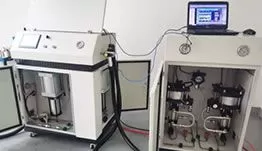
The Strategic Value of Modern Hydration Solutions: Customizable Bottle Filling Stations for Progressive Workplaces
Turning Compliance Into Something Better Than Just Checking Boxes Offices all over are starting to see that those ADA compliant water stations aren't just there for legal reasons anymore. When companies put some real thought into how they're set up, these stations can actually give businesses a leg up on their competition. For places that need to rearrange workspaces frequently, there are now modular designs available so they can move hydration spots around without tearing walls apart or doing expensive remodeling jobs. The numbers back this up too. At a tech company campus recently, installing those fancy dual flow stations with built-in traffic sensors cut refill times by about 30 percent during busy periods. That kind of improvement adds up fast when hundreds of employees are grabbing water throughout the day.
Precision Customization for Evolving Needs Modular Architecture Bottle filling stations with swappable components allow effortless scaling. When collaborative zones expand, adding filler necks or adjusting heights could take minutes, not days. Such flexibility proves invaluable in hybrid workplaces where desk density fluctuates.
Water Intelligence Facilities prioritizing ESG goals might integrate flow sensors generating usage analytics. This data could reveal optimization opportunities—for example, retrofitting historic buildings with self-filtering units reduced one property’s annual water waste by 1.2 million gallons.
Sector-Specific Applications Healthcare Hygiene Medical facilities require zero-touch activation and antimicrobial surfaces. Stainless steel fillers with nano-coating technology could minimize pathogen transmission risks, addressing infection control mandates.
Heritage Integration Renovation-restricted buildings gain ADA compliance through bottle filling stations needing minimal plumbing. Battery-operated units with closed-loop filtration exemplify how preservation and accessibility coexist.
Future-Proofing Considerations
Implementation Pathway
Why Customization Matters Standard bottle filling stations might meet baseline needs, but tailored configurations unlock hidden value. Facilities could transform hydration points into:
A recent workplace survey revealed that 68% of employees equate hydration access with employer consideration—a metric progressive workplaces monitor closely.
Explore iuison’s modular design configurator to visualize ADA-compliant solutions for your unique space.

IUISON specializes in high-quality SUS commercial drinking water machines, including water coolers, boilers, and outdoor fountains. With 16 years of international trade experience, we provide reliable, customized solutions for businesses, governments, and organizations worldwide.
No. 13, Laocun Industrial Zone, Sanle Road, Lecong Town, Shunde District, Foshan City, Guangdong Province,China.
Copyright © 2026 GUANGDONG IUISON CO.,LTD All Rights Reserved Privacy Policy
 EN
EN
 AR
AR
 HR
HR
 CS
CS
 DA
DA
 NL
NL
 FI
FI
 FR
FR
 DE
DE
 EL
EL
 HI
HI
 IT
IT
 JA
JA
 KO
KO
 PL
PL
 PT
PT
 RO
RO
 RU
RU
 ES
ES
 SV
SV
 TL
TL
 IW
IW
 LT
LT
 SR
SR
 SK
SK
 UK
UK
 VI
VI
 TH
TH
 TR
TR
 FA
FA
 MS
MS
 IS
IS
 HY
HY
 AZ
AZ
 KA
KA
 BN
BN
 KM
KM
 LO
LO
 LA
LA
 MN
MN
 Hot News