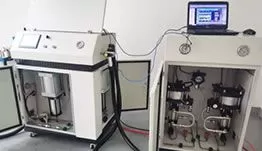
Workplace wellness programs have evolved significantly in recent years, with employers recognizing that employee health directly impacts productivity, satisfaction, and retention rates. One often-overlooked component of comprehensive wellness initiatives is proper hydration infrastructure through strategically placed water dispenser systems. Organizations implementing effective hydration solutions discover that access to clean, temperature-controlled water becomes a cornerstone of their broader health and wellness strategy, contributing to improved employee performance and reduced healthcare costs.
Modern businesses understand that creating a health-conscious work environment requires more than basic amenities. A properly integrated water dispenser network serves multiple functions within wellness programs, from encouraging regular hydration habits to reducing single-use plastic consumption. Companies that prioritize employee wellbeing through accessible hydration solutions often report measurable improvements in workplace satisfaction surveys and decreased absenteeism rates.
The integration process involves careful planning to ensure optimal placement, maintenance protocols, and employee engagement strategies. Forward-thinking organizations recognize that hydration infrastructure represents a fundamental investment in human capital, supporting cognitive function, energy levels, and overall workplace morale throughout the business day.
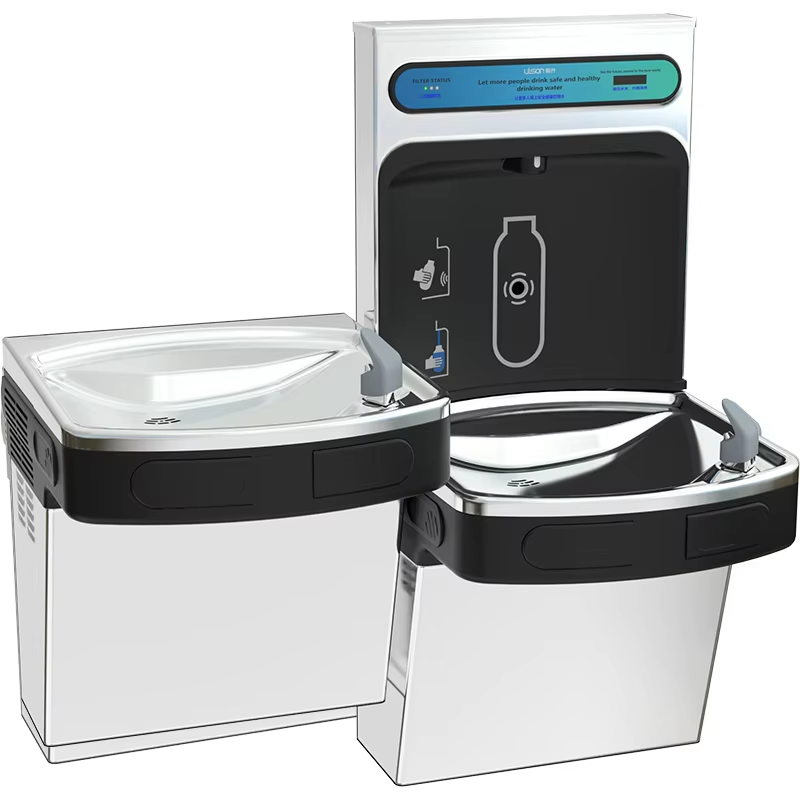
Successful water dispenser integration begins with comprehensive facility analysis to identify high-traffic areas where employees naturally congregate during their workday. Break rooms, cafeterias, and common areas near conference facilities represent ideal locations for primary hydration stations. Secondary placements near elevator banks, reception areas, and corridor intersections ensure convenient access throughout the workspace without creating bottlenecks or disrupting workflow patterns.
Consideration of employee movement patterns helps determine the optimal number of units required to serve different departments effectively. Large organizations often benefit from multiple water dispenser installations across various floors or building sections, ensuring that hydration access remains convenient regardless of workspace location. This distributed approach prevents overcrowding at individual stations while encouraging consistent hydration habits throughout the organization.
Environmental factors such as proximity to electrical outlets, plumbing connections, and climate control systems influence final placement decisions. Professional installation teams evaluate these infrastructure requirements during initial assessments, ensuring that each water dispenser location meets both functional and aesthetic standards that align with existing workplace design elements.
Accurate capacity planning requires analysis of employee headcount, typical consumption patterns, and peak usage periods throughout the business day. Organizations must consider factors such as shift schedules, meeting patterns, and seasonal variations in hydration needs when selecting appropriate water dispenser models and determining maintenance schedules.
Historical data from similar workplace environments provides valuable insights into expected daily consumption rates per employee. Most wellness-focused companies discover that convenient access to quality water significantly increases individual consumption compared to traditional water cooler setups, necessitating higher-capacity systems or more frequent servicing intervals.
Future growth projections should inform initial capacity decisions to avoid costly infrastructure upgrades as organizations expand. Scalable water dispenser solutions allow companies to add additional units or upgrade existing systems without disrupting established wellness program momentum or employee habits.
Research consistently demonstrates the direct correlation between proper hydration and cognitive function, making water dispenser accessibility a critical component of productivity-focused wellness programs. Dehydration, even at mild levels, negatively affects concentration, memory retention, and decision-making capabilities, directly impacting workplace performance and error rates.
Organizations implementing comprehensive hydration initiatives through strategically placed water dispenser systems report measurable improvements in employee alertness and task completion rates. The convenience of temperature-controlled water encourages regular consumption patterns that support sustained cognitive performance throughout demanding workdays.
Mental clarity and focus improvements become particularly evident during afternoon periods when energy levels typically decline. Accessible hydration stations help employees maintain optimal fluid balance, reducing fatigue-related performance drops and supporting consistent productivity levels across all business hours.
Proper hydration plays a fundamental role in maintaining physical energy levels, supporting cardiovascular health, and regulating body temperature during demanding work periods. Water dispenser integration into wellness programs provides employees with consistent access to clean, filtered water that supports these essential physiological functions without requiring personal water bottle management or expensive bottled water purchases.
Temperature-controlled water options accommodate individual preferences while encouraging increased consumption among employees who might otherwise avoid room-temperature alternatives. Cold water access becomes particularly valuable during warmer months or in facilities with limited climate control, supporting employee comfort and preventing heat-related performance issues.
Regular hydration habits supported by convenient water dispenser access contribute to improved immune system function, reduced headache frequency, and better overall physical wellbeing. These health benefits translate directly into reduced sick leave utilization and improved workplace attendance patterns, supporting organizational productivity goals.
Successful water dispenser integration requires active employee engagement strategies that transform hydration from an afterthought into a conscious wellness practice. Organizations achieve best results when they combine convenient infrastructure with educational initiatives that highlight the connection between proper hydration and workplace performance.
Visual reminders, such as strategically placed signage near water dispenser locations, reinforce hydration messaging and encourage regular usage patterns. Some companies implement friendly challenges or tracking systems that gamify hydration goals, creating positive peer influence and accountability that supports sustained behavior change.
Leadership participation in hydration initiatives demonstrates organizational commitment to employee wellness while modeling positive behaviors throughout the workplace. When managers and executives visibly prioritize hydration breaks and utilize water dispenser facilities, employees feel encouraged to adopt similar habits without concerns about productivity perceptions.
Water dispenser areas naturally become informal gathering spaces where employees interact across departmental boundaries, fostering improved communication and relationship building within organizations. These casual interactions often lead to enhanced collaboration, idea sharing, and stronger workplace culture development that extends beyond the immediate wellness program objectives.
The shared commitment to workplace wellness through hydration infrastructure creates common ground among diverse employee groups, supporting inclusive culture development and demonstrating organizational values in action. Employees appreciate tangible investments in their health and wellbeing, leading to improved job satisfaction and loyalty over time.
Sustainability messaging around reduced plastic bottle consumption resonates strongly with environmentally conscious employees, aligning hydration initiatives with broader corporate social responsibility goals. This connection helps reinforce positive associations with water dispenser usage while supporting organizational sustainability commitments.
Successful water dispenser integration typically follows a phased implementation strategy that allows organizations to refine processes, gather feedback, and optimize placement decisions before full deployment. Initial pilot installations in high-visibility areas help demonstrate commitment while providing valuable usage data for expansion planning.
Employee feedback collection during early phases ensures that water dispenser locations meet actual usage patterns rather than theoretical projections. Organizations often discover unexpected preferences for specific features, such as sparkling water options or specialized filtration systems, that can be incorporated into subsequent installations.
Gradual rollout approaches also allow for budget distribution across multiple fiscal periods, making water dispenser integration more manageable from a financial planning perspective while maintaining program momentum and employee engagement throughout the implementation process.
Consistent water quality and system reliability require comprehensive maintenance protocols that ensure optimal performance and user safety. Professional service agreements typically include regular filter replacements, system sanitization, and preventive maintenance that maintains water dispenser functionality while supporting employee confidence in the wellness program infrastructure.
Quality monitoring procedures should include regular water testing to verify filtration effectiveness and safety standards compliance. Transparent reporting of maintenance activities and quality metrics demonstrates organizational commitment to employee health while building trust in the hydration infrastructure provided.
Emergency response procedures for equipment malfunctions ensure minimal disruption to employee hydration access while maintaining wellness program continuity. Backup solutions and rapid repair protocols prevent gaps in service that could undermine positive usage habits developed through consistent water dispenser availability.
Water dispenser integration represents a strategic investment that generates measurable returns through reduced healthcare costs, improved productivity, and decreased absenteeism rates. Organizations typically recover initial equipment and installation costs within the first year through these combined benefit streams, with ongoing savings continuing throughout the system lifecycle.
Elimination of bottled water purchases and associated delivery costs provides immediate operational savings that offset monthly service and maintenance expenses. Many companies discover that water dispenser systems cost significantly less than previous bottled water programs while providing superior quality and convenience for employees.
Energy efficiency features in modern water dispenser models minimize operational costs while supporting corporate sustainability goals. Advanced filtration systems reduce waste and environmental impact compared to single-use alternatives, aligning cost savings with organizational responsibility commitments.
Quantifiable productivity improvements provide compelling evidence of water dispenser integration success within broader wellness programs. Organizations typically track metrics such as task completion rates, error frequency, and employee energy levels to document performance improvements associated with improved hydration access.
Health-related cost reductions become apparent through decreased sick leave utilization, reduced healthcare claims for dehydration-related conditions, and improved overall employee wellbeing indicators. These benefits compound over time as proper hydration habits become established throughout the workforce.
Employee satisfaction surveys consistently show improved ratings for workplace amenities and organizational care when water dispenser systems are properly integrated into comprehensive wellness programs. Higher satisfaction scores correlate with improved retention rates and reduced recruitment costs over the long term.
Advanced water dispenser systems incorporate digital monitoring capabilities that provide valuable data on usage patterns, system performance, and maintenance needs. These insights enable organizations to optimize placement decisions, predict service requirements, and demonstrate wellness program impact through quantifiable metrics.
Mobile applications and digital dashboards allow facility managers to track water dispenser performance remotely, receiving alerts for filter replacements, system malfunctions, or unusual usage patterns that require attention. This proactive monitoring approach ensures consistent service quality while minimizing disruptions to employee hydration access.
Usage analytics help organizations understand peak consumption periods, popular temperature preferences, and individual location performance to inform future expansion decisions and optimize existing water dispenser configurations for maximum employee benefit.
Smart water dispenser systems can integrate with existing workplace wellness platforms, fitness tracking applications, and employee health portals to create comprehensive wellness ecosystems. This connectivity enables personalized hydration recommendations, progress tracking, and incentive program integration that reinforces positive health behaviors.
Wearable device compatibility allows employees to track hydration intake alongside other wellness metrics, creating holistic health monitoring that supports individual wellness goals while contributing to organizational wellness program success measures.
Integration capabilities with building management systems enable automated reporting, energy optimization, and predictive maintenance scheduling that reduces operational complexity while maintaining optimal water dispenser performance throughout the facility.
Industry standards suggest one water dispenser unit for every 25-30 employees, though optimal ratios depend on facility layout, employee distribution, and usage patterns. Organizations with multiple floors or separated work areas may require additional units to ensure convenient access. Larger facilities often benefit from a combination of high-capacity central stations and smaller satellite units to accommodate diverse workspace configurations and employee movement patterns throughout the day.
Professional water dispenser systems typically require quarterly filter replacements, monthly sanitization procedures, and annual comprehensive system inspections to maintain optimal performance and water quality. Most service providers offer comprehensive maintenance contracts that include scheduled servicing, emergency repairs, and quality monitoring. Regular maintenance ensures consistent water quality, prevents system malfunctions, and maintains employee confidence in the wellness program infrastructure provided by the organization.
Yes, water dispenser systems typically generate significant cost savings compared to bottled water purchases, vending machine dependencies, and individual beverage allowances. Organizations commonly report 40-60% reduction in beverage-related expenses within the first year of implementation. Additional savings result from reduced delivery costs, storage requirements, and waste management associated with single-use containers. These financial benefits compound over time while supporting environmental sustainability goals and employee wellness objectives.
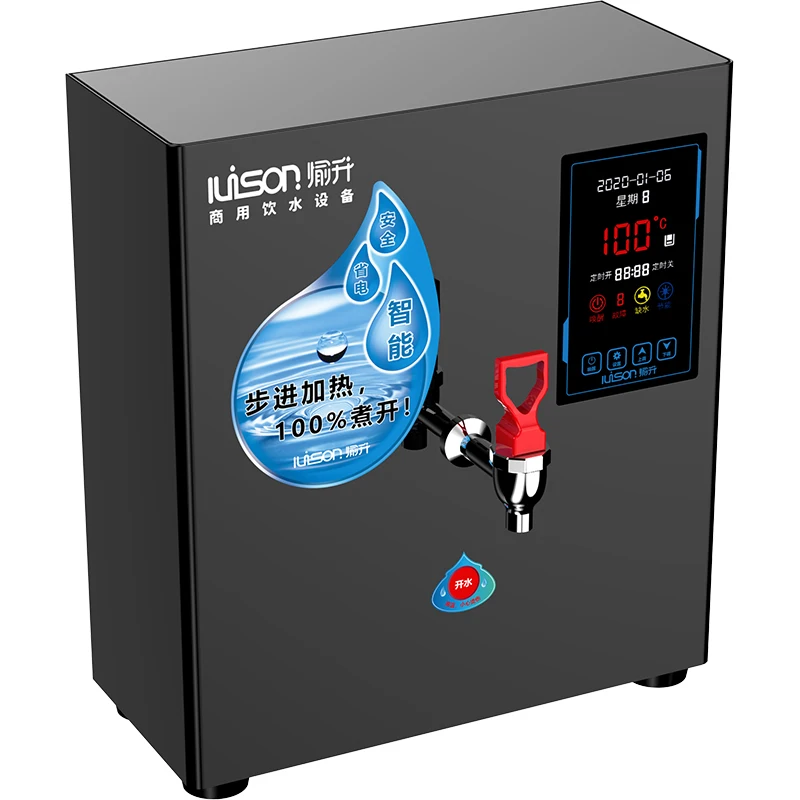
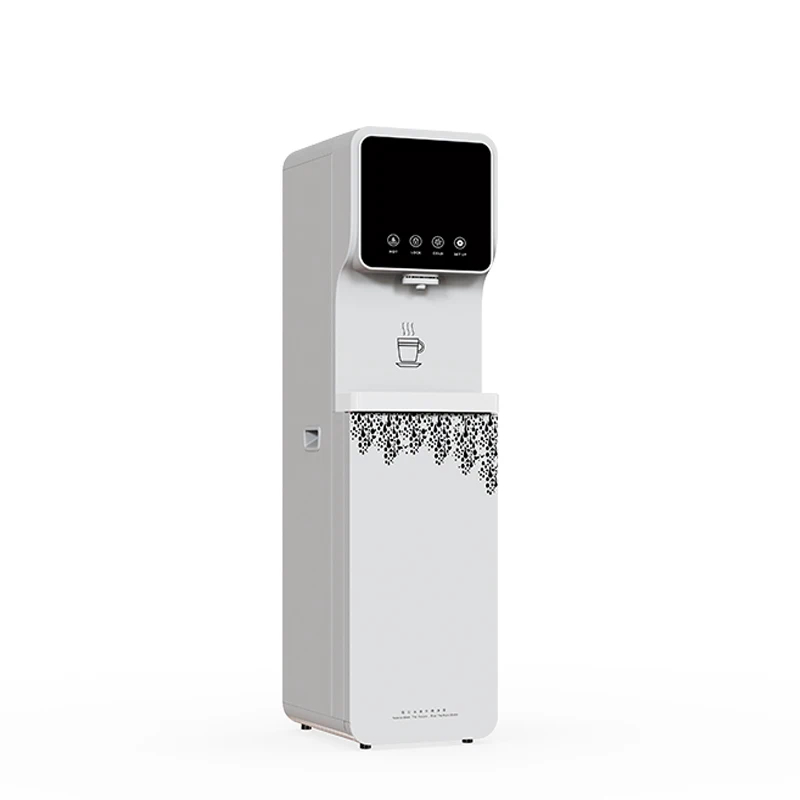
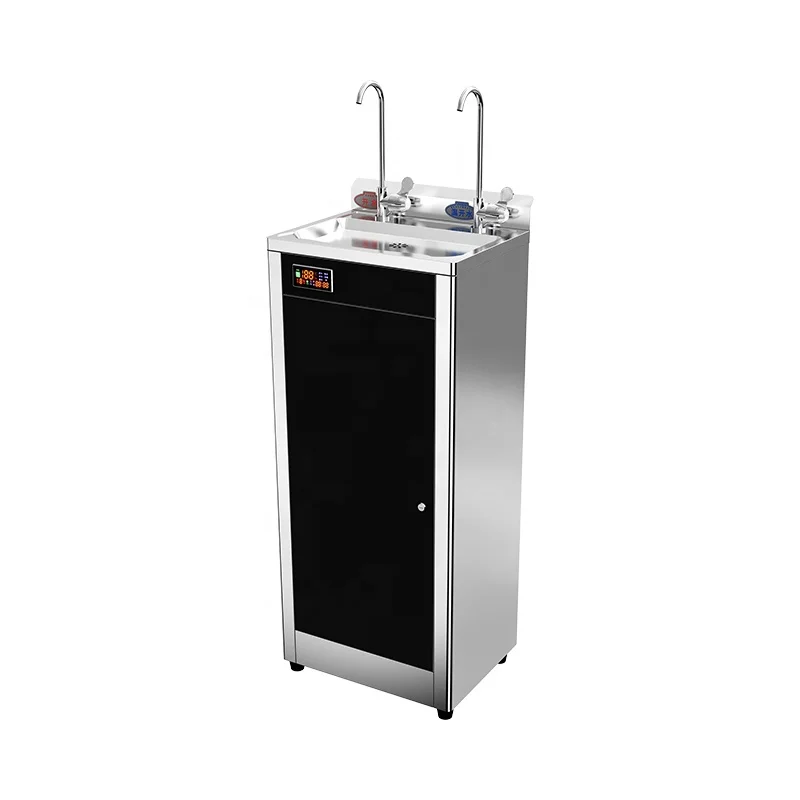
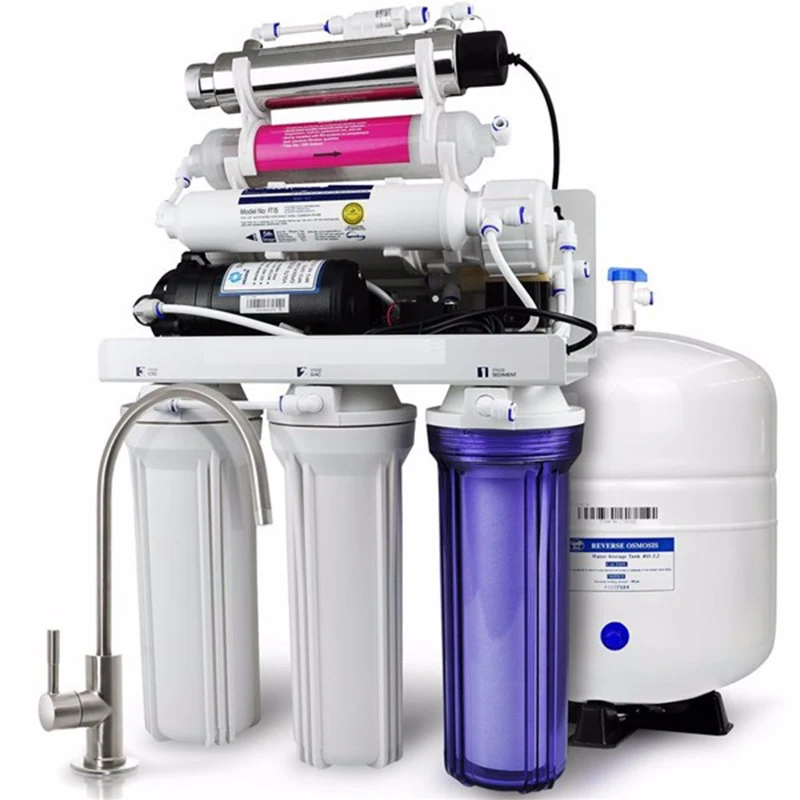
Essential features include multi-stage filtration systems, temperature control options, hands-free operation capabilities, and digital monitoring for maintenance optimization. High-capacity systems with energy-efficient operation support both employee needs and organizational sustainability goals. Advanced features such as usage tracking, mobile app integration, and customizable temperature settings enhance user experience while providing valuable data for wellness program evaluation and optimization efforts.

IUISON specializes in high-quality SUS commercial drinking water machines, including water coolers, boilers, and outdoor fountains. With 16 years of international trade experience, we provide reliable, customized solutions for businesses, governments, and organizations worldwide.
No. 13, Laocun Industrial Zone, Sanle Road, Lecong Town, Shunde District, Foshan City, Guangdong Province,China.
Copyright © 2026 GUANGDONG IUISON CO.,LTD All Rights Reserved Privacy Policy
 EN
EN
 AR
AR
 HR
HR
 CS
CS
 DA
DA
 NL
NL
 FI
FI
 FR
FR
 DE
DE
 EL
EL
 HI
HI
 IT
IT
 JA
JA
 KO
KO
 PL
PL
 PT
PT
 RO
RO
 RU
RU
 ES
ES
 SV
SV
 TL
TL
 IW
IW
 LT
LT
 SR
SR
 SK
SK
 UK
UK
 VI
VI
 TH
TH
 TR
TR
 FA
FA
 MS
MS
 IS
IS
 HY
HY
 AZ
AZ
 KA
KA
 BN
BN
 KM
KM
 LO
LO
 LA
LA
 MN
MN
 Hot News