Public spaces worldwide increasingly rely on durable water dispensing solutions that can withstand harsh environmental conditions and potential vandalism. An outdoor drinking fountain represents a critical infrastructure investment that must deliver reliable service while maintaining structural integrity across diverse weather patterns and security challenges. These specialized water systems require advanced engineering approaches that balance accessibility, durability, and cost-effectiveness for municipal and commercial installations.
Modern municipalities face mounting pressure to provide sustainable hydration solutions that minimize maintenance costs while maximizing operational lifespan. Each outdoor drinking fountain installation must account for regional climate variations, foot traffic patterns, and potential security threats that could compromise functionality or safety. Understanding these critical design considerations enables facility managers to make informed procurement decisions that protect long-term investment returns.
Premium outdoor drinking fountain systems utilize 304-grade stainless steel construction specifically engineered to resist corrosion from moisture, salt spray, and temperature fluctuations. This medical-grade material provides superior resistance to rust formation while maintaining structural integrity under extreme thermal cycling conditions. The chromium-nickel alloy composition creates a passive protective layer that regenerates naturally when surface scratches occur, ensuring long-term aesthetic preservation.
Advanced powder coating technologies further enhance weather protection by creating barrier layers that prevent moisture infiltration and UV degradation. These specialized finishes undergo rigorous testing protocols including salt spray exposure, thermal shock assessment, and accelerated weathering simulations. Quality manufacturers subject their outdoor drinking fountain products to standardized environmental testing that simulates decades of exposure within compressed timeframes.
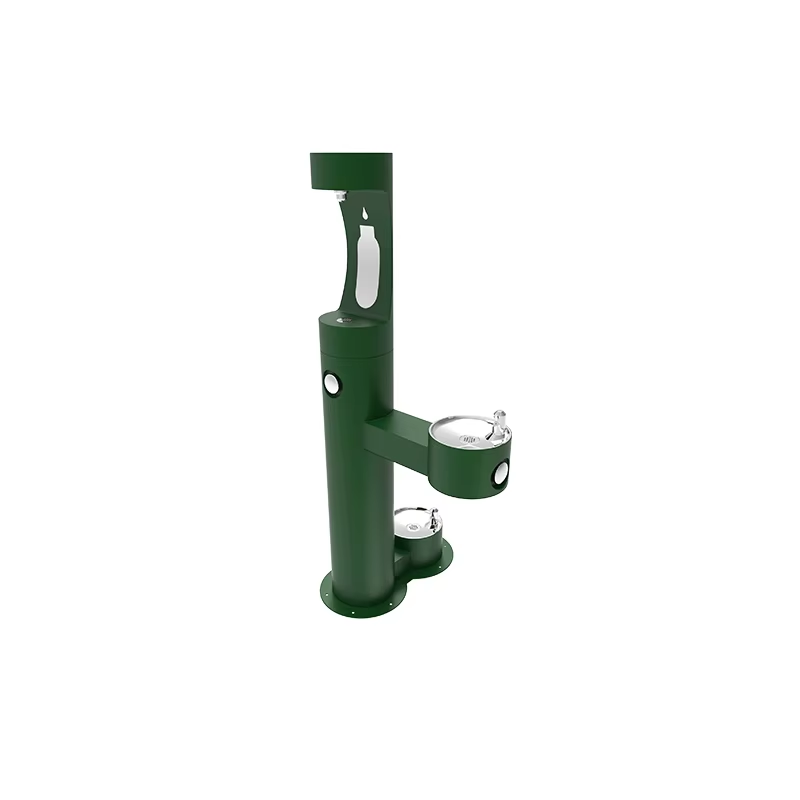
Temperature variations create significant mechanical stress within water delivery systems, requiring sophisticated thermal compensation mechanisms. Professional-grade outdoor drinking fountain designs incorporate flexible joint assemblies and expansion chambers that accommodate metal expansion without compromising seal integrity. These engineering solutions prevent catastrophic failures during extreme temperature swings common in continental climate zones.
Internal plumbing configurations utilize thermally stable materials that maintain dimensional accuracy across operating temperature ranges. Brass and bronze components resist thermal stress cracking while providing reliable water flow regulation under varying pressure conditions. Strategic component positioning isolates sensitive mechanisms from direct thermal exposure while maintaining accessible service points for routine maintenance procedures.
Effective moisture management prevents internal component degradation through comprehensive waterproofing strategies and strategic drainage design. Each outdoor drinking fountain system incorporates sealed electrical enclosures with gasket systems rated for prolonged submersion exposure. Control panels and sensor assemblies receive additional protection through redundant sealing mechanisms that prevent moisture infiltration during severe weather events.
Drainage systems channel accumulated precipitation away from critical components while preventing standing water formation around foundation areas. Integrated slope configurations direct runoff toward designated collection points that prevent erosion and foundation undermining. These drainage features work in conjunction with permeable base materials that facilitate groundwater absorption while maintaining structural stability.
Security-conscious outdoor drinking fountain installations incorporate specialized fastening systems that resist unauthorized access attempts while facilitating legitimate maintenance activities. Vandal-resistant screws and lock mechanisms require proprietary tools that limit accessibility to authorized service personnel. These security features prevent component theft and unauthorized modifications that could compromise water quality or system functionality.
Reinforced mounting systems distribute impact forces across structural foundations, preventing displacement during attempted vandalism events. Heavy-gauge steel anchoring systems extend deep into concrete foundations, creating mechanical bonds that resist extraction forces. Surface-mounted components utilize security brackets and anti-rotation features that maintain alignment under physical stress conditions.
Modern outdoor drinking fountain designs emphasize impact absorption through strategic material selection and geometric optimization. Rounded corner profiles eliminate sharp edges that could concentrate stress forces while reducing injury potential during accidental contact. Thick-wall construction provides inherent impact resistance that withstands deliberate damage attempts without compromising internal mechanisms.
Advanced composite materials supplement traditional metal construction by providing enhanced impact energy absorption characteristics. These engineered plastics maintain structural integrity under repeated impact loading while offering superior chemical resistance properties. Strategic placement of composite elements protects vulnerable areas while maintaining overall system aesthetics and functionality.
Critical system components receive protection through strategic concealment within reinforced enclosures that prevent unauthorized access and manipulation. Water quality sensors, pressure regulators, and filtration elements remain hidden from public view while maintaining accessibility for qualified technicians. These protected zones utilize multiple security layers including physical barriers and electronic monitoring systems.
Electronic control systems benefit from electromagnetic shielding that prevents interference from external sources while protecting sensitive circuits from physical damage. Sealed conduit systems route electrical connections through protected pathways that resist cutting and tampering attempts. Redundant backup systems ensure continued operation even when primary control circuits experience damage or interference.
Successful outdoor drinking fountain installations incorporate design features that facilitate routine maintenance procedures while minimizing service disruption. Accessible panel configurations allow technicians to perform inspections, filter replacements, and component adjustments without specialized equipment or extensive disassembly procedures. These user-friendly design elements reduce maintenance costs while ensuring consistent water quality standards.
Modular component architectures enable selective replacement of worn elements without affecting entire system functionality. Standardized connection interfaces facilitate inventory management while reducing service call duration and complexity. These maintenance-friendly features contribute significantly to total cost of ownership calculations over extended operational periods.
Advanced outdoor drinking fountain systems integrate remote monitoring capabilities that provide real-time operational status information and predictive maintenance alerts. Wireless communication modules transmit performance data to centralized management systems, enabling proactive service scheduling and inventory optimization. These monitoring systems detect performance degradation before complete component failures occur, minimizing service interruptions.
Automated diagnostic routines assess water quality parameters, flow rates, and mechanical performance indicators on predetermined schedules. Alert systems notify facility managers when operational parameters exceed acceptable ranges or when routine maintenance schedules approach due dates. These intelligent monitoring capabilities optimize resource allocation while maintaining consistent service availability.
Engineering practices focus on maximizing individual component operational life through material selection, stress distribution, and environmental protection strategies. Critical wear points receive enhanced protection through specialized coatings, lubrication systems, and stress-relief mechanisms that extend replacement intervals. These longevity-focused design approaches reduce lifecycle costs while improving system reliability.
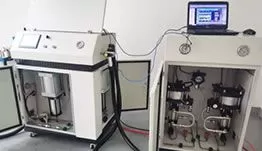
Quality assurance protocols establish rigorous testing standards that validate component performance under accelerated aging conditions. Manufacturers subject outdoor drinking fountain elements to standardized durability assessments that simulate years of operational exposure within compressed testing periods. These validation procedures ensure consistent performance characteristics across production batches while identifying potential failure modes before market introduction.
Proper outdoor drinking fountain installation begins with comprehensive site analysis that evaluates drainage patterns, soil composition, and environmental exposure factors. Professional site preparation includes foundation design that accounts for freeze-thaw cycles, soil expansion characteristics, and seismic activity potential. These preliminary assessments prevent premature failure conditions while optimizing long-term stability.
Utility connection planning ensures adequate water pressure, electrical supply capacity, and waste drainage integration that meets local code requirements. Strategic positioning considerations balance accessibility requirements with protection from prevailing weather patterns and potential vandalism exposure. These installation parameters significantly influence operational performance and maintenance accessibility throughout system lifespan.
Regional climate variations demand customized outdoor drinking fountain configurations that address specific environmental challenges. Cold climate installations require freeze protection systems including heated water lines, insulated enclosures, and automatic drainage capabilities during shutdown periods. These winterization features prevent costly damage while maintaining water quality standards during seasonal operation cycles.
Hot climate applications benefit from thermal insulation systems that prevent water temperature elevation while reducing energy consumption for cooling systems. UV-resistant materials and enhanced ventilation designs combat accelerated aging effects common in high-temperature environments. These climate-specific modifications ensure consistent performance across diverse geographical installations.
Sustainable outdoor drinking fountain designs emphasize resource conservation through water recycling systems, energy-efficient operation modes, and recyclable material selection. Advanced filtration technologies reduce plastic bottle consumption while providing superior water quality compared to traditional bottled alternatives. These environmental benefits support corporate sustainability initiatives while reducing operational costs.
Energy management systems optimize power consumption through intelligent scheduling, demand-responsive operation, and renewable energy integration capabilities. Solar panel compatibility and battery backup systems enable off-grid installations while reducing ongoing operational expenses. These sustainable features align with modern environmental stewardship requirements while delivering reliable hydration services.
Professional outdoor drinking fountain systems typically require monthly visual inspections, quarterly filter replacements, and annual comprehensive service evaluations. Daily operational checks should verify water flow rates, temperature consistency, and drainage functionality. Preventive maintenance schedules vary based on usage intensity, environmental conditions, and local water quality characteristics, but consistent attention prevents major repair costs and ensures reliable operation.
Modern outdoor drinking fountain designs incorporate multiple contamination prevention strategies including antimicrobial surface treatments, UV sterilization systems, and advanced filtration technologies. Sealed water delivery pathways prevent external contamination while automated flushing cycles maintain water freshness during low-usage periods. Regular water quality testing and proper maintenance procedures ensure compliance with health department standards and user safety requirements.
Cold-weather outdoor drinking fountain installations utilize freeze protection systems including heated water lines, insulated enclosures, and automatic drainage capabilities during extreme temperature conditions. These winterization features allow continued operation down to specified temperature thresholds while preventing damage to internal components. Seasonal shutdown procedures protect systems during extended freezing periods while facilitating rapid spring startup processes.
Anti-vandalism outdoor drinking fountain designs incorporate tamper-resistant hardware, impact-resistant construction materials, and concealed component protection systems. Security features include vandal-proof fasteners, reinforced mounting systems, and hidden access panels that prevent unauthorized modifications. Remote monitoring capabilities provide immediate notification of tampering attempts while maintaining legitimate user accessibility and maintenance serviceability requirements.
ntain withstand weather and vandalism risks?

IUISON specializes in high-quality SUS commercial drinking water machines, including water coolers, boilers, and outdoor fountains. With 16 years of international trade experience, we provide reliable, customized solutions for businesses, governments, and organizations worldwide.
No. 13, Laocun Industrial Zone, Sanle Road, Lecong Town, Shunde District, Foshan City, Guangdong Province,China.
Copyright © 2026 GUANGDONG IUISON CO.,LTD All Rights Reserved Privacy Policy
 EN
EN
 AR
AR
 HR
HR
 CS
CS
 DA
DA
 NL
NL
 FI
FI
 FR
FR
 DE
DE
 EL
EL
 HI
HI
 IT
IT
 JA
JA
 KO
KO
 PL
PL
 PT
PT
 RO
RO
 RU
RU
 ES
ES
 SV
SV
 TL
TL
 IW
IW
 LT
LT
 SR
SR
 SK
SK
 UK
UK
 VI
VI
 TH
TH
 TR
TR
 FA
FA
 MS
MS
 IS
IS
 HY
HY
 AZ
AZ
 KA
KA
 BN
BN
 KM
KM
 LO
LO
 LA
LA
 MN
MN
 Hot News