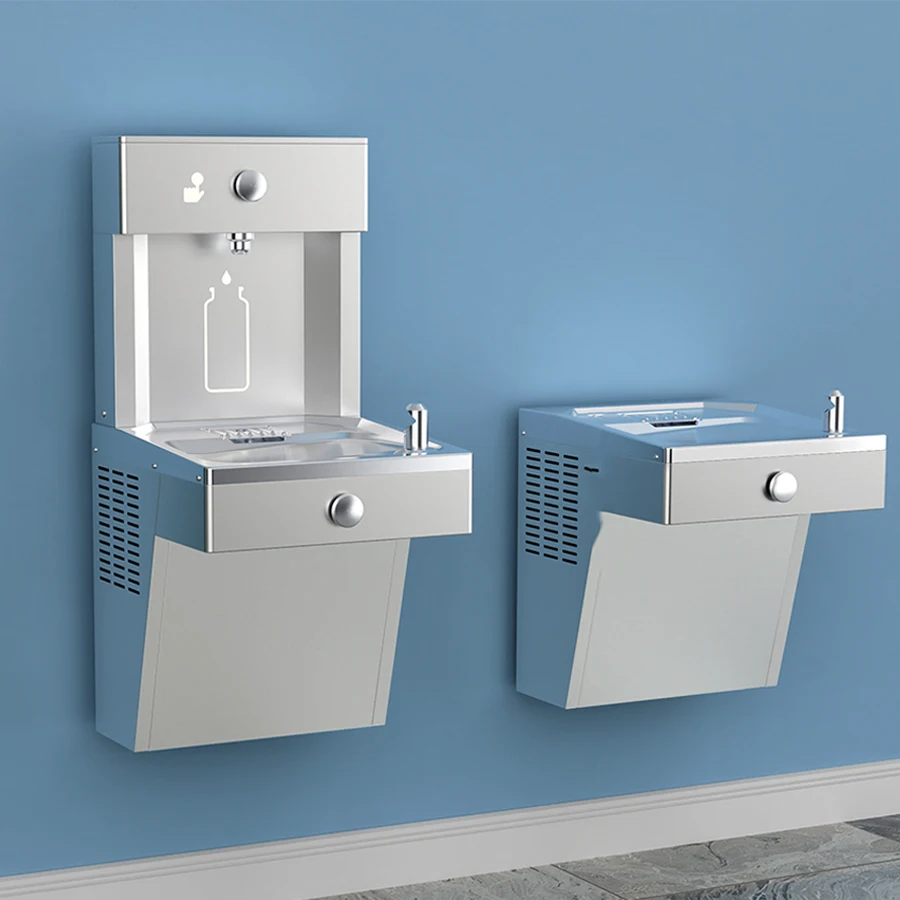
The landscape of water accessibility in schools and offices has transformed dramatically over recent years, with bottle filling stations emerging as the gold standard for sustainable hydration. These innovative units represent a significant upgrade from traditional water fountains, offering enhanced hygiene, improved efficiency, and environmental benefits that align perfectly with modern institutional needs.
As organizations increasingly prioritize sustainability and wellness initiatives, bottle filling stations have become essential infrastructure components. They not only promote hydration but also demonstrate a tangible commitment to reducing single-use plastic waste while providing clean, filtered water to students, staff, and employees.
Advanced filtration capabilities stand at the forefront of modern bottle filling stations. The most effective units incorporate multi-stage filtration systems that remove contaminants, improve taste, and eliminate odors. Look for stations equipped with NSF-certified filters that can handle lead, chlorine, and particulate removal while maintaining optimal water flow rates.
Consider systems that offer real-time filter status indicators and automated maintenance alerts. These features ensure consistent water quality and simplify maintenance scheduling, critical for high-traffic environments like schools and corporate facilities.
The success of bottle filling stations depends heavily on their ability to serve large populations efficiently. High-capacity units should deliver filtered water quickly, typically filling a 20-ounce bottle in under 10 seconds. This speed becomes particularly important during peak usage times, such as between classes or during lunch breaks.
When evaluating flow rates, consider the daily population served and peak usage patterns. A busy high school or large office building may require multiple stations with higher flow rates, while smaller facilities might function well with standard-capacity units.
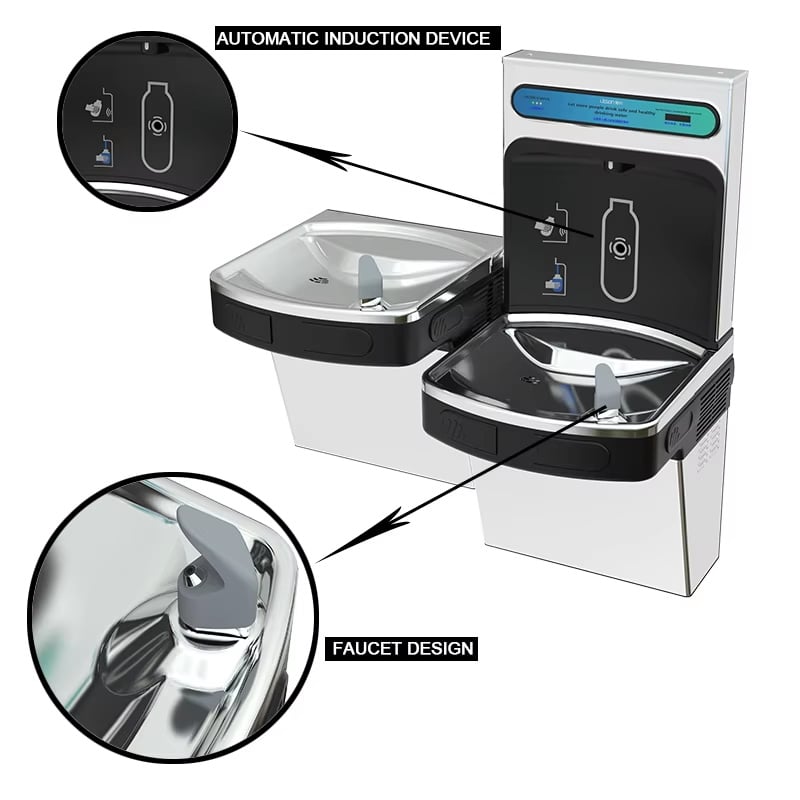
Proper placement of bottle filling stations requires careful consideration of space constraints and accessibility requirements. The ideal location should accommodate both the physical unit and sufficient clearance for comfortable access. ADA compliance is essential, ensuring the station is accessible to all users, including those with disabilities.
Consider mounting heights, approach paths, and operational clearance when planning installation locations. High-traffic areas like hallway intersections, cafeterias, and break rooms typically offer optimal placement opportunities while maintaining efficient traffic flow.
Regular maintenance ensures the longevity and optimal performance of bottle filling stations. Select units with easily accessible filter compartments and straightforward maintenance procedures. Automated filter life indicators and simple filter replacement mechanisms can significantly reduce maintenance overhead.
Consider the total cost of ownership, including filter replacement schedules, energy consumption, and potential service requirements. Units with antimicrobial surfaces and touchless operation typically require less frequent cleaning and sanitization.
Modern bottle filling stations often incorporate smart technology features that enhance their functionality and user experience. Look for units with digital displays showing metrics such as bottles saved from landfills, filter status, and temperature readings. These features not only provide valuable usage data but also engage users in sustainability efforts.
Some advanced models offer connectivity options for remote monitoring and maintenance scheduling, enabling facility managers to track usage patterns and address maintenance needs proactively.
Energy-efficient bottle filling stations contribute to both environmental goals and operational cost savings. Units with sleep mode capabilities and LED indicators consume less power during off-peak hours while maintaining water quality. Consider stations that offer temperature control options to optimize energy usage while providing comfortable drinking water.
Look for models that incorporate sustainable materials and energy-efficient cooling systems. These features align with green building certifications and demonstrate commitment to environmental stewardship.
In the post-pandemic era, touchless operation has become a non-negotiable feature for bottle filling stations. Sensor-activated dispensing eliminates contact points and reduces the risk of cross-contamination. Advanced models may incorporate proximity sensors that activate automatically when bottles are placed in the filling area.
Consider units with laminar flow design that prevents splash-back and maintains a clean filling experience. These features contribute to both user satisfaction and improved hygiene standards.
Maintaining clean water delivery systems requires robust sanitization features. Look for bottle filling stations with built-in UV purification systems or silver-ion antimicrobial protection. These technologies provide an additional layer of protection against bacterial growth and contamination.
Regular sanitization protocols should be easy to implement and maintain. Consider units with smooth, non-porous surfaces that resist bacterial growth and simplify cleaning procedures.
Filter replacement frequency typically depends on usage levels and water quality conditions. Most manufacturers recommend replacing filters every 3,000 gallons or approximately every six months, whichever comes first. However, units with filter status indicators will provide specific guidance based on actual usage patterns.
Initial costs include the unit price, installation expenses, and any necessary plumbing modifications. Long-term considerations should factor in filter replacements, energy consumption, and maintenance requirements. While premium units may have higher upfront costs, their durability and efficiency often result in lower total ownership costs over time.
Organizations can optimize their investment by implementing educational programs about sustainable hydration, tracking and celebrating plastic waste reduction metrics, and ensuring regular maintenance schedules. Engaging users through digital displays and sustainability metrics helps build awareness and encourages consistent usage of the stations.

IUISON specializes in high-quality SUS commercial drinking water machines, including water coolers, boilers, and outdoor fountains. With 16 years of international trade experience, we provide reliable, customized solutions for businesses, governments, and organizations worldwide.
No. 13, Laocun Industrial Zone, Sanle Road, Lecong Town, Shunde District, Foshan City, Guangdong Province,China.
Copyright © 2026 GUANGDONG IUISON CO.,LTD All Rights Reserved Privacy Policy
 EN
EN
 AR
AR
 HR
HR
 CS
CS
 DA
DA
 NL
NL
 FI
FI
 FR
FR
 DE
DE
 EL
EL
 HI
HI
 IT
IT
 JA
JA
 KO
KO
 PL
PL
 PT
PT
 RO
RO
 RU
RU
 ES
ES
 SV
SV
 TL
TL
 IW
IW
 LT
LT
 SR
SR
 SK
SK
 UK
UK
 VI
VI
 TH
TH
 TR
TR
 FA
FA
 MS
MS
 IS
IS
 HY
HY
 AZ
AZ
 KA
KA
 BN
BN
 KM
KM
 LO
LO
 LA
LA
 MN
MN

 Hot News