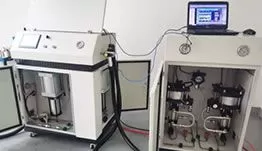
Selecting the right commercial water dispenser for your office environment is a crucial decision that impacts employee well-being and workplace efficiency. Modern offices are increasingly recognizing the importance of providing clean, readily available drinking water to their staff. A well-chosen commercial water dispenser not only promotes hydration but also contributes to sustainability efforts and creates a more productive workplace atmosphere.
The market offers various types of commercial water dispensers, each with unique features and benefits designed to meet specific office requirements. From bottom-loading units to point-of-use filtration systems, understanding the available options is essential for making an informed decision that aligns with your organization's needs and budget.
Modern commercial water dispenser units come equipped with advanced temperature control mechanisms. These systems typically offer hot, cold, and room temperature water options, catering to diverse employee preferences. Hot water features are particularly valuable for offices with tea and coffee drinkers, while cold water remains refreshing throughout the day.
The best dispensers maintain consistent temperatures regardless of usage frequency. Look for units with efficient cooling systems that can handle peak usage times, such as lunch hours or morning rushes, without compromising performance.
Water quality is paramount in any office setting. Premium commercial water dispensers incorporate multi-stage filtration systems that remove contaminants, chlorine, and unpleasant tastes. Carbon filters, UV purification, and reverse osmosis systems are common features that ensure clean, safe drinking water.
Consider dispensers with filter change indicators and easy maintenance access. These features help maintain consistent water quality and simplify regular maintenance procedures for facility managers.
Commercial water dispensers come in two primary configurations: bottle-fed and point-of-use systems. Bottle-fed units require regular delivery and storage of water bottles, while point-of-use systems connect directly to the building's water supply. Each option has distinct advantages depending on office size and infrastructure.
Point-of-use systems eliminate the need for bottle storage and handling, making them ideal for larger offices with adequate plumbing infrastructure. Bottle-fed units offer flexibility in placement but require space for bottle storage and a reliable delivery service.
The physical footprint of a commercial water dispenser must align with available office space. Consider both the unit's dimensions and necessary clearance for maintenance access. Floor-standing models typically require more space but offer higher capacity, while countertop units save floor space but may have limited dispensing volume.
Strategic placement near high-traffic areas ensures easy access while minimizing disruption to workflow. Consider proximity to power outlets, water lines (for point-of-use systems), and adequate ventilation for optimal performance.
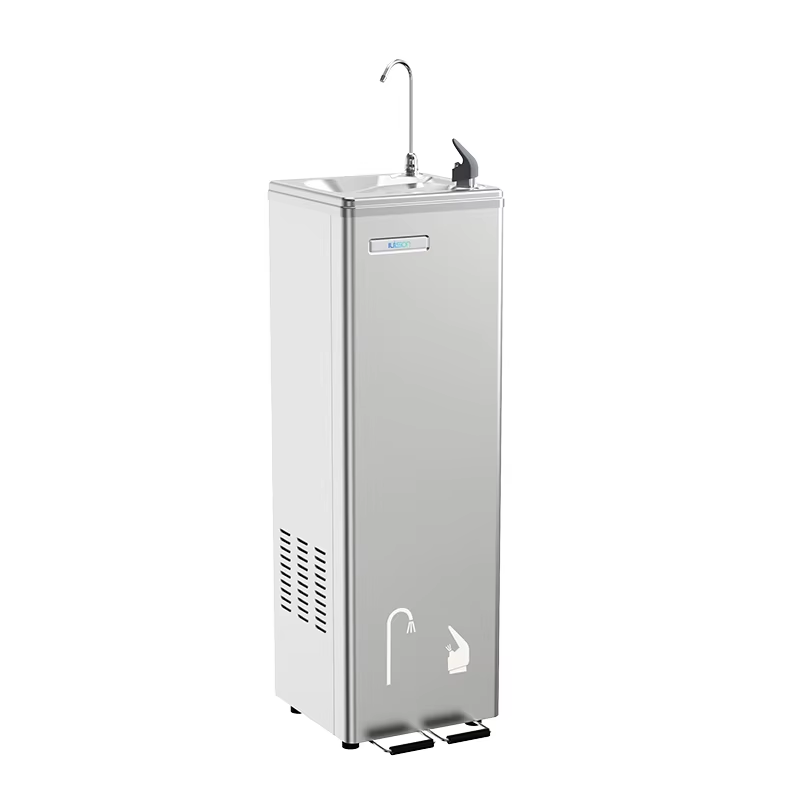
Regular maintenance ensures longevity and optimal performance of commercial water dispensers. Look for units with easily cleanable surfaces and removable components. Self-cleaning features, such as UV sanitization systems, can help reduce maintenance requirements while ensuring consistent water quality.
Establish clear cleaning schedules and protocols for staff or maintenance personnel. This includes regular sanitization of dispensing areas, drip trays, and external surfaces to maintain hygiene standards.
Understanding the service requirements of different dispenser models is crucial for long-term planning. Some units require professional servicing for filter changes and internal cleaning, while others can be maintained by office staff. Consider the availability and cost of local service providers when selecting a dispenser.
Evaluate warranty terms and service agreements offered by manufacturers. Comprehensive coverage can provide peace of mind and protect against unexpected maintenance costs.
Modern commercial water dispensers incorporate energy-saving features such as sleep modes and programmable dispensing times. These features can significantly reduce power consumption during off-hours while ensuring water is ready when needed during peak times.
Look for Energy Star certified units that meet strict efficiency guidelines. Some models offer energy usage monitoring, allowing offices to track and optimize their power consumption.
Sustainable water dispensers contribute to reducing plastic waste and environmental impact. Point-of-use systems eliminate the need for plastic bottles entirely, while bottle-fed units can utilize reusable containers. Consider dispensers with eco-friendly refrigerants and energy-efficient cooling systems.
Some manufacturers offer recycling programs for filters and other components, further reducing environmental impact. These initiatives can align with corporate sustainability goals and demonstrate environmental responsibility.
A well-maintained commercial water dispenser typically lasts 5-8 years. However, this can vary significantly based on usage patterns, water quality, and maintenance regularity. Regular servicing and proper care can extend the unit's life beyond this average.
Filter replacement frequency depends on usage volume and water quality. Generally, filters should be changed every 6-12 months. Many modern units include filter life indicators that monitor usage and alert when replacement is needed.
Yes, commercial water dispensers can significantly reduce an office's environmental impact by eliminating single-use plastic bottles. Point-of-use systems are particularly effective, potentially preventing thousands of plastic bottles from entering landfills annually while reducing transportation-related emissions from water delivery services.

IUISON specializes in high-quality SUS commercial drinking water machines, including water coolers, boilers, and outdoor fountains. With 16 years of international trade experience, we provide reliable, customized solutions for businesses, governments, and organizations worldwide.
No. 13, Laocun Industrial Zone, Sanle Road, Lecong Town, Shunde District, Foshan City, Guangdong Province,China.
Copyright © 2026 GUANGDONG IUISON CO.,LTD All Rights Reserved Privacy Policy
 EN
EN
 AR
AR
 HR
HR
 CS
CS
 DA
DA
 NL
NL
 FI
FI
 FR
FR
 DE
DE
 EL
EL
 HI
HI
 IT
IT
 JA
JA
 KO
KO
 PL
PL
 PT
PT
 RO
RO
 RU
RU
 ES
ES
 SV
SV
 TL
TL
 IW
IW
 LT
LT
 SR
SR
 SK
SK
 UK
UK
 VI
VI
 TH
TH
 TR
TR
 FA
FA
 MS
MS
 IS
IS
 HY
HY
 AZ
AZ
 KA
KA
 BN
BN
 KM
KM
 LO
LO
 LA
LA
 MN
MN
 Hot News