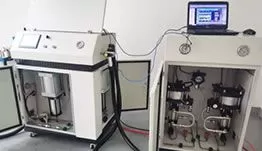
The backbone of any successful commercial kitchen lies in its ability to maintain consistent, reliable hot water supply. Whether you're running a bustling restaurant, managing a hotel kitchen, or operating a catering service, selecting the right commercial water boiler can make or break your daily operations. This comprehensive guide will walk you through everything you need to know about choosing the perfect commercial water boiler for your professional kitchen setup.
Modern commercial kitchens demand efficiency, reliability, and performance from their equipment. A commercial water boiler isn't just another appliance - it's a crucial investment that impacts food preparation, sanitization, and beverage service. Making an informed decision requires understanding various factors, from capacity requirements to energy efficiency ratings.
When selecting a commercial water boiler, capacity should be your first consideration. The size of your operation directly influences the boiler capacity you'll need. A small café might function well with a 10-gallon commercial water boiler, while a large restaurant kitchen could require 50 gallons or more. Consider your peak hours and calculate the maximum hot water demand during these periods.
Output rate, measured in gallons per hour (GPH), is equally important. Your boiler should be able to maintain consistent hot water supply during peak demand. For instance, if your kitchen needs 100 gallons during the busiest hour, ensure your commercial water boiler can match or exceed this output rate.
Energy efficiency directly impacts your operational costs. Modern commercial water boilers come with energy efficiency ratings that indicate their performance. Look for models with high energy factor (EF) ratings, as they convert more energy into usable hot water. While energy-efficient models might have higher upfront costs, they typically result in substantial long-term savings.
Consider fuel type options as well. Gas-fired boilers often have lower operating costs compared to electric models, but this depends on local utility rates. Calculate the annual operating costs based on your usage patterns and local utility prices to make an informed decision.
Precise temperature control is crucial in commercial kitchen operations. Modern commercial water boilers offer digital temperature controls that maintain water at exact temperatures. This feature is particularly important for specialized applications like tea service or sous-vide cooking. Look for models with multiple temperature presets and quick temperature adjustment capabilities.
Recovery time - how quickly the boiler can heat a new tank of water - significantly affects kitchen efficiency. A good commercial water boiler should offer rapid recovery while maintaining energy efficiency. Consider models with advanced heating elements or high-efficiency burners that provide faster recovery times.
Commercial water boilers must withstand constant use in demanding kitchen environments. Stainless steel tanks offer superior corrosion resistance and longevity. Check the thickness of the tank walls and insulation quality, as these factors affect both durability and energy efficiency.
Look for models with robust heating elements or burners designed for commercial use. Quality components reduce maintenance needs and extend the boiler's lifespan. Consider warranties and service agreements as indicators of build quality and manufacturer confidence.
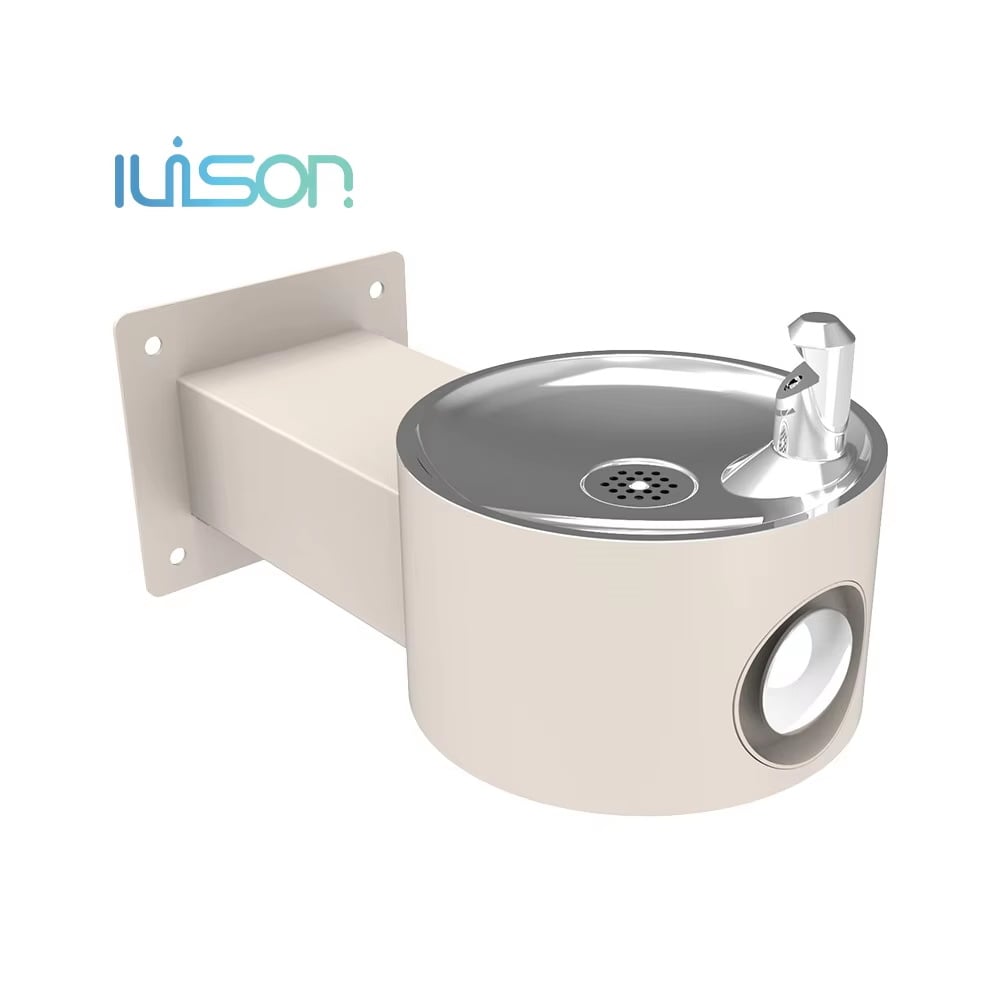
Before purchasing a commercial water boiler, assess your available space and ventilation capabilities. Gas-fired units require proper ventilation systems, while electric models offer more flexible installation options. Consider clearance requirements for maintenance access and ensure your chosen location meets local building codes.
Factor in plumbing requirements and accessibility. The boiler should be positioned to allow easy connection to water supply and drainage systems. Consider future kitchen layout changes and ensure the installation location provides long-term flexibility.
Regular maintenance ensures optimal performance and longevity of your commercial water boiler. Choose models with easily accessible components for routine maintenance tasks. Consider the availability of local service technicians familiar with your chosen brand and model.
Look for boilers with self-diagnostic systems that can alert staff to potential issues before they become serious problems. This feature can reduce downtime and prevent costly emergency repairs. Establish a regular maintenance schedule based on manufacturer recommendations and usage patterns.
Safety should never be compromised when selecting a commercial water boiler. Look for models with multiple safety features, including automatic shutoff mechanisms, pressure relief valves, and temperature limit controls. These features protect both equipment and staff from potential hazards.
Modern commercial water boilers often include advanced safety systems like low-water cutoff and flame failure protection. These features prevent damage to heating elements and ensure safe operation even during unexpected situations. Consider models with emergency shutdown capabilities and clear warning systems.
Ensure your chosen commercial water boiler meets all relevant safety standards and regulations. Look for certification from recognized bodies like UL, CSA, or ETL. These certifications indicate compliance with safety and performance standards.
Consider local health department requirements and industry-specific regulations. Some jurisdictions have specific requirements for water temperature and safety features in commercial kitchen equipment. Verify that your chosen model complies with all applicable codes and standards.
Professional maintenance should be performed at least annually, with more frequent inspections based on usage volume. Daily cleaning and weekly basic maintenance checks by staff are also recommended to ensure optimal performance and longevity.
Calculate your peak hourly hot water usage and add 20% for future growth. Consider factors like number of services, operating hours, and specific applications. A professional assessment can help determine the optimal size for your needs.
Watch for increasing energy bills, frequent repairs, inconsistent water temperature, strange noises, or visible corrosion. If your boiler is over 15 years old and showing these signs, replacement might be more cost-effective than continued repairs.

IUISON specializes in high-quality SUS commercial drinking water machines, including water coolers, boilers, and outdoor fountains. With 16 years of international trade experience, we provide reliable, customized solutions for businesses, governments, and organizations worldwide.
No. 13, Laocun Industrial Zone, Sanle Road, Lecong Town, Shunde District, Foshan City, Guangdong Province,China.
Copyright © 2026 GUANGDONG IUISON CO.,LTD All Rights Reserved Privacy Policy
 EN
EN
 AR
AR
 HR
HR
 CS
CS
 DA
DA
 NL
NL
 FI
FI
 FR
FR
 DE
DE
 EL
EL
 HI
HI
 IT
IT
 JA
JA
 KO
KO
 PL
PL
 PT
PT
 RO
RO
 RU
RU
 ES
ES
 SV
SV
 TL
TL
 IW
IW
 LT
LT
 SR
SR
 SK
SK
 UK
UK
 VI
VI
 TH
TH
 TR
TR
 FA
FA
 MS
MS
 IS
IS
 HY
HY
 AZ
AZ
 KA
KA
 BN
BN
 KM
KM
 LO
LO
 LA
LA
 MN
MN
 Hot News