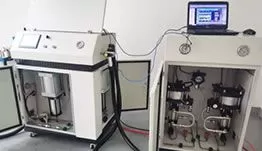
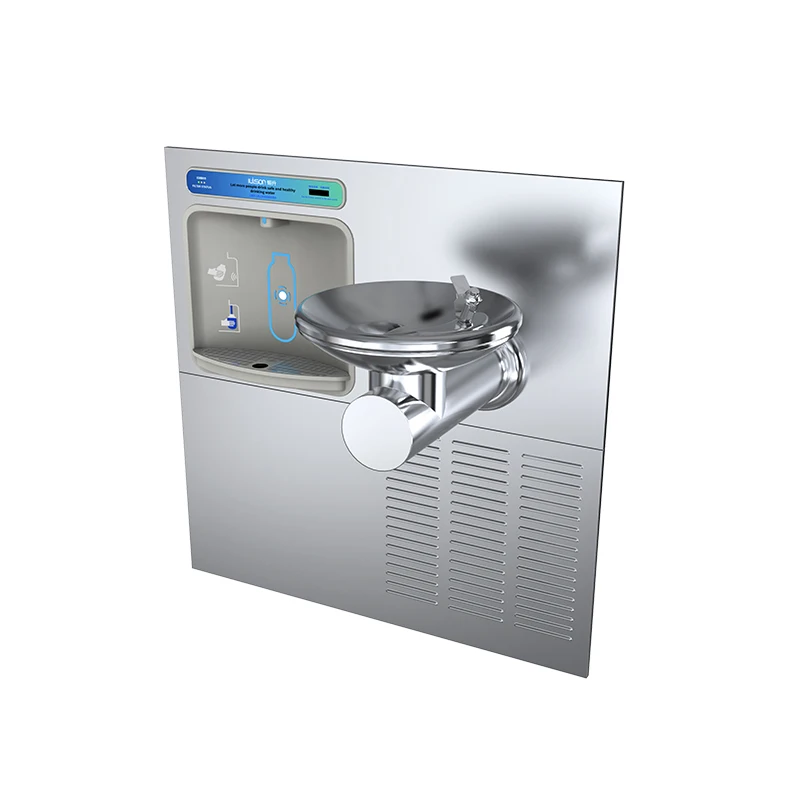
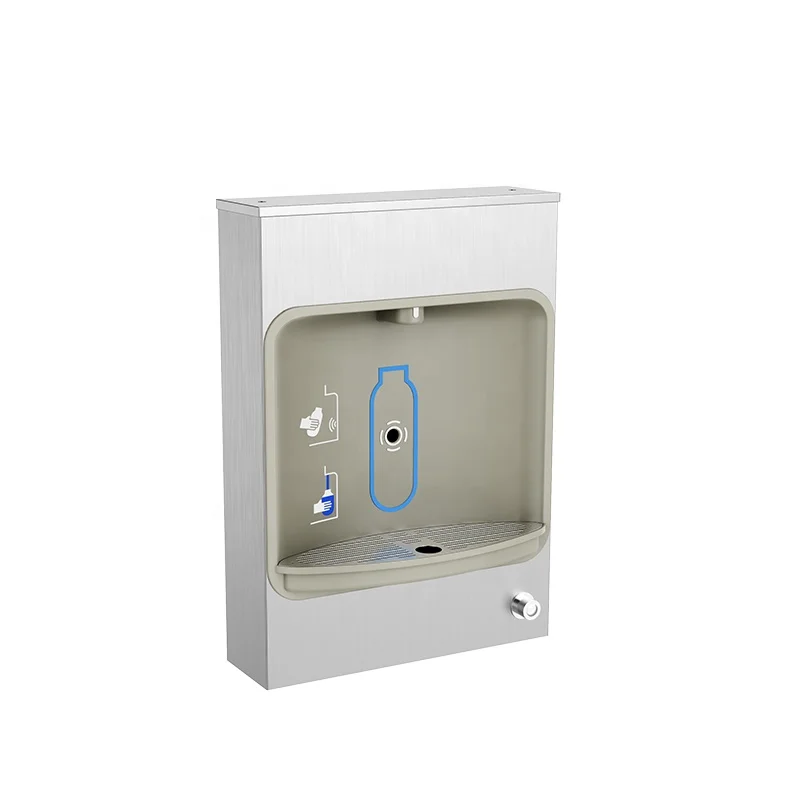
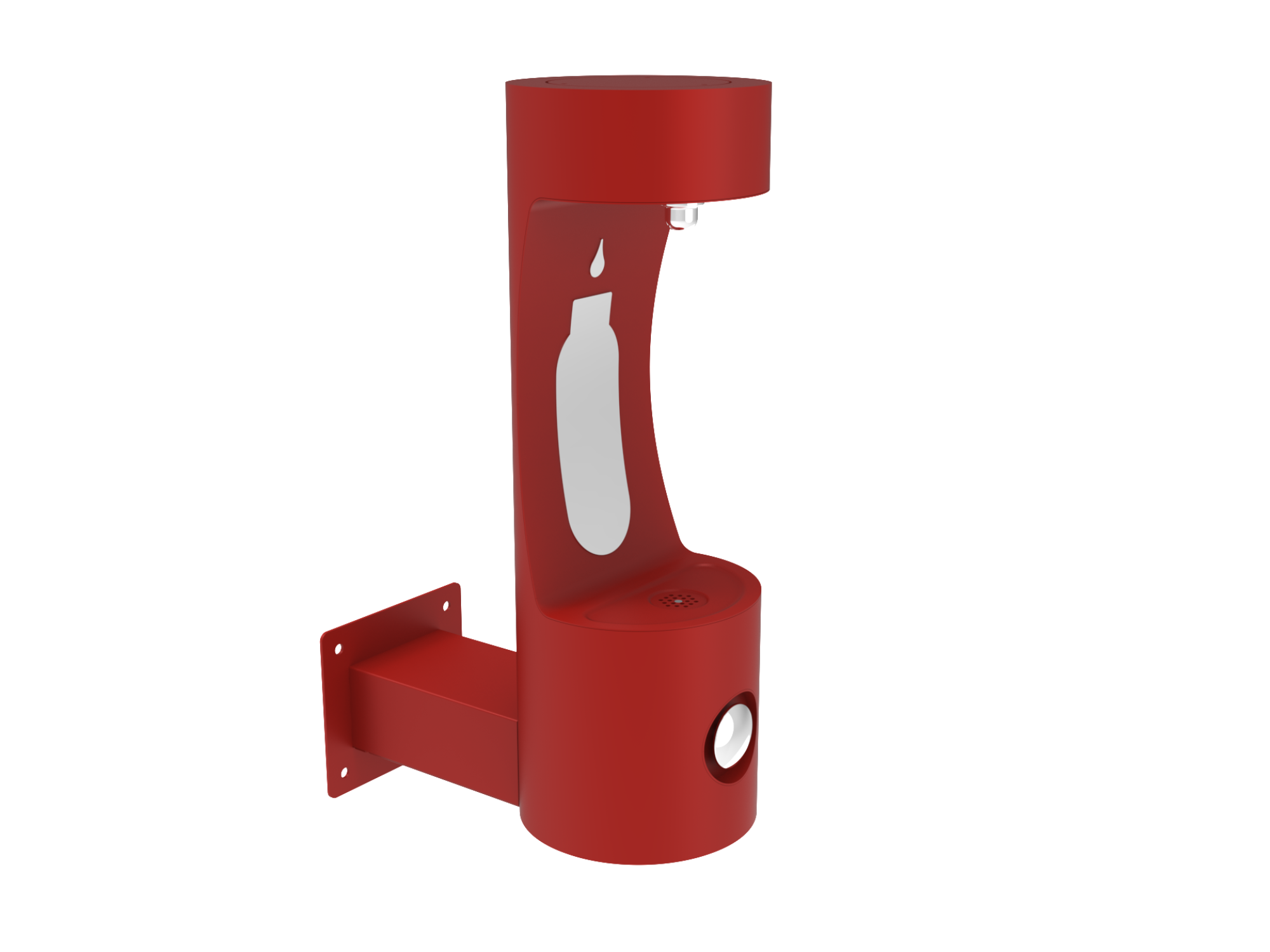
Mounted on walls, bottle filling stations work really well in cities where every square inch counts. These green hydration spots give folks easy access to clean water without taking up all the room needed for those big old water fountains we used to see everywhere. And let's face it, they cut down on those single use plastic bottles pretty effectively too. Cities across the country have noticed this when they started putting these fill stations in places people actually go to, like local parks and community buildings. Most modern designs come with hands free sensors so no one has to touch anything, plus lots of different options for how they look and function depending on what works best for each location. Plus, since they hang on walls instead of sitting on floors, they fit into tight spots where traditional fountains just wouldn't go, making sure everyone stays hydrated even when there isn't much breathing room left.
Water dispensers mounted on tiered racks offer a smart solution for making the most of vertical space in tight spots like schools and office buildings. These setups create multiple drinking stations without taking up precious floor room. The whole idea works pretty well actually since it lets more people access water at once without crowding around a single spot. Schools that installed these systems noticed students were drinking more water throughout the day simply because they had easier access. Plus, the racks handle all sorts of bottles from standard size to those big gallon jugs, so everyone finds something that fits. That flexibility really matters in places where different age groups or staff members need their own preferred containers. Overall, tiered dispensers help maintain good hydration practices while fitting into almost any environment's unique requirements.
Over door storage solutions make great use of that wasted space above our heads, which is why they work so well for cup dispensers. These designs basically stack things like stairs, saving room and making it easier to grab what we need without crowding the counter area. People love how fast they can reach for cups when needed, plus counters stay much cleaner looking. There are plenty of design options out there too ranging from simple metal racks to fancy wooden ones that look good in kitchens or offices alike. Most manufacturers focus on how these units look because nobody wants something ugly hanging over their head, right? Still, even with all the style considerations, practicality remains key factor especially in busy restaurants where staff needs instant access during peak hours.
Benches with built-in water coolers make great use of limited space in busy spots such as coffee shops, city parks, and stadiums. When businesses combine seating with drinking water access, people tend to stay longer and have what they need right there. A recent look at park usage showed something interesting too: when parks added these combined stations, folks drank about 25% more water than before. That means healthier communities overall. Plus, this kind of setup actually fits with current design ideas that want things to look good but still work well. The furniture isn't just functional it actually makes the whole area nicer to look at while serving its purpose.
Space-saving countertop filters are becoming increasingly popular among homeowners looking to cut back on bottled water waste. What makes these units so handy is their ability to transform regular countertops into full-fledged water filtration centers when needed. Environmentally speaking, there's some pretty impressive stats out there. One recent survey found that families who made the switch to filtered tap water managed to slash their plastic bottle consumption by around 35% each year. Kitchen designers have caught onto this trend too, creating sleek models that fit right in with contemporary decor without looking like medical equipment. Beyond just freeing up cabinet space, these filtration systems actually help support greener lifestyles, which explains why they're showing up more frequently in today's eco-conscious households.
The slim profile appliance garage has become a smart solution for hiding those water dispensers around the house without ruining the look of the room while still encouraging people to drink more water throughout the day. What makes these units so popular? Well, they come in all sorts of sizes and styles that work great whether someone needs something for their home kitchen or wants to install it at an office break room. The whole industry seems obsessed lately with making appliances take up less space, which means homeowners get to maximize every square inch available in their kitchens. When dispensers go inside cabinets instead of sitting out on countertops, kitchens just look cleaner and more put together something most modern homeowners really care about when designing their living spaces. Plus, besides looking better, this setup actually works pretty well for keeping everyone hydrated without cluttering up valuable counter real estate.
The area beneath stairs often goes to waste when it could actually serve as a great spot for a hydration station. This works especially well in cramped quarters where every inch counts, whether it's a tiny apartment or an urban business location. People tend to forget about these spaces until they start looking for ways to maximize what's already there. Built in storage solutions like shelves or cabinets can hold everything from basic water coolers to advanced filtration systems. Take a small office situation for example many workers end up buying drinks throughout the day simply because there isn't anywhere decent to get water. An under stair installation solves this problem neatly without taking up precious floor real estate. When designers incorporate attractive features like modern looking filters and ergonomic taps, the whole setup becomes something people actually want to use rather than just tolerate. The visual appeal matters too since nobody wants to stare at an ugly appliance all day long. These stations end up being both functional and aesthetically pleasing additions to any space.
Adding water features to spiral staircases creates something really special for building owners looking to merge beauty with practicality. These little hydration spots turn dead space into places people actually want to use, making buildings feel more interactive overall. Think about it this way: instead of just climbing stairs, users get refreshed along the way without having to hunt for water elsewhere. Take a garden area with winding steps as an example. Putting a drinking fountain halfway up not only gives thirsty folks what they need but also adds a nice focal point to the landscape. We've seen these integrated systems work wonders in both residential properties and commercial buildings alike. They make better use of vertical space while keeping things visually appealing, which is why architects are starting to pay attention to this trend more seriously than ever before.
Stair treads made specifically for holding disposable cups offer a smart way to keep things organized and prevent accidents at the same time. People can grab a cup quickly without having to search through clutter on the steps, which works great in homes as well as restaurants or office buildings. Safety matters too though. Slippery surfaces remain a concern, so good designs include rubberized coatings and sturdy brackets that hold everything firmly in place. What makes these systems stand out is how they work with almost any staircase size. A small apartment entryway gets the same benefit as a large hotel lobby with wide steps. The real advantage comes when someone needs to serve drinks during events or meetings but still wants to maintain proper foot traffic flow without creating hazards.
Retractable hydration bars represent a clever solution for events where crowd sizes fluctuate throughout the day. The system's modular nature means operators can simply add or remove sections depending on how many people show up at any given time. This flexibility works wonders at busy places such as music festivals, trade shows, and sports stadiums where thousands might pass through an area within hours. Real world testing has shown that when deployed properly, these bars cut down waiting lines dramatically because staff can serve drinks faster without bottlenecks forming. Plus there's something interesting happening socially too. People tend to gather around these stations naturally, chatting while grabbing their water or sports drinks. Event organizers often notice increased foot traffic near retractable bars compared to traditional setups, which creates a more vibrant atmosphere overall.
Fold down splash guard partitions provide a real world fix when setting up temporary drink stations at crowded events while keeping things clean and hygienic. The design focuses on making installation and cleaning straightforward tasks, so staff can put them up quickly during setup and take them down just as fast afterward. Event spaces that host different types of gatherings all the time find these particularly useful because they don't require complex assembly. Plus there's another benefit worth mentioning here: splash guards double as great marketing tools. Organizers love adding company logos or special messages right onto the panels, turning functional equipment into subtle advertising displays that attendees notice without realizing it.
Compressible barriers for managing hydration lines really make a difference when it comes to keeping things organized and making customers happy. The best part? These barriers can fold up small, so they take up minimal space when not in use and are easy to move around between events. Studies show that people tend to buy more drinks when they don't have to wait forever in disorganized lines. Manufacturers have been working on better designs lately, creating products that are light enough to handle but still tough enough to last through busy days at festivals or sports events. Some models now use recycled plastic components which makes them both eco-friendly and able to handle thousands of people passing by without breaking down.
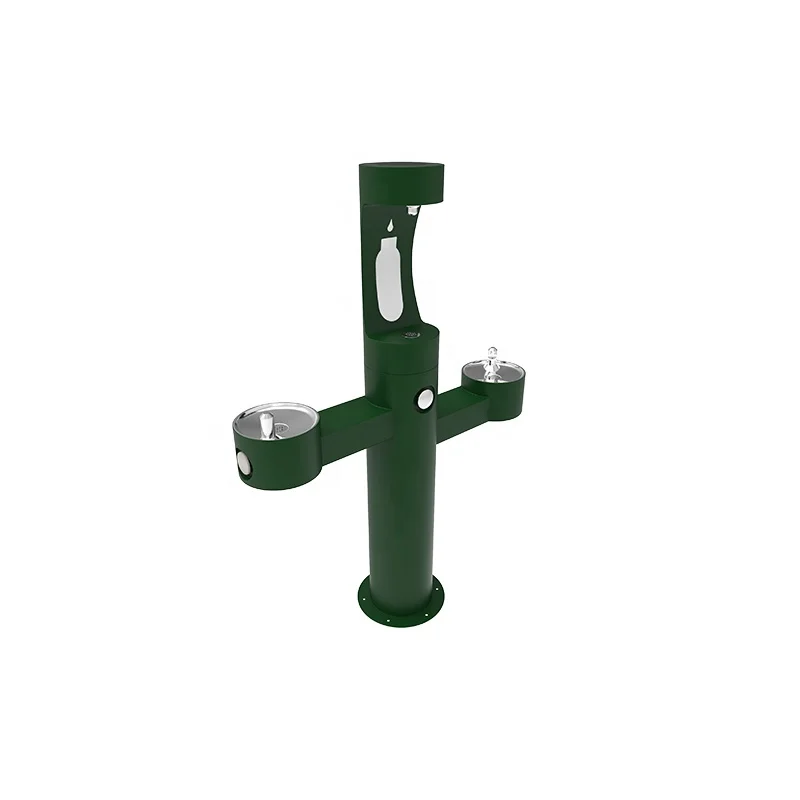
Putting triple dispensers in corners makes sense when trying to get more people hydrated without making crowds worse in tight spots. Corners tend to go unused most of the time anyway, so sticking these units there actually opens up better access points without getting in the way of regular foot traffic patterns. We've noticed this works really well at places like college campuses and big office buildings where folks need drinks fast but don't want to wait around. Take State University for instance their sports complex installed these corner units last semester and saw a noticeable drop in line lengths during morning classes. The push button feature definitely helps too it speeds things up considerably and keeps queues from forming, something that matters a lot around lunchtime or after gym sessions when everyone wants a drink at once.
Overhead cup dispensers hanging from the ceiling really free up valuable counter space without making it hard for people to grab cups when they need them. The fact that these dispensers save so much room means businesses can arrange their spaces better, plus they look pretty good too with those modern designs that fit right into most environments. Installing these kinds of dispensers requires thinking about how they'll look alongside other fixtures and making sure nobody gets hurt by them sticking out or anything. We've seen great results at big events where organizers need everything running smoothly. At music festivals and sports arenas especially, these overhead systems make a huge difference in how quickly staff can serve drinks and what the whole area looks like during setup times.
Narrow gauge bottle return channels work really well for managing waste in crowded urban areas. They give people a specific spot to drop off their empty bottles and cans, which makes recycling much easier than just throwing things away. Cities that install these systems see noticeable improvements in recycling rates, meaning less trash ends up in landfills. When these return points are conveniently located throughout neighborhoods, residents tend to actually use them instead of littering or putting recyclables in regular garbage bins. Take music festivals or sports events for example these temporary installations make it simple for thousands of people to recycle on site. Event organizers report cleaner grounds and happier attendees who feel good about doing their part for the environment without much effort at all.

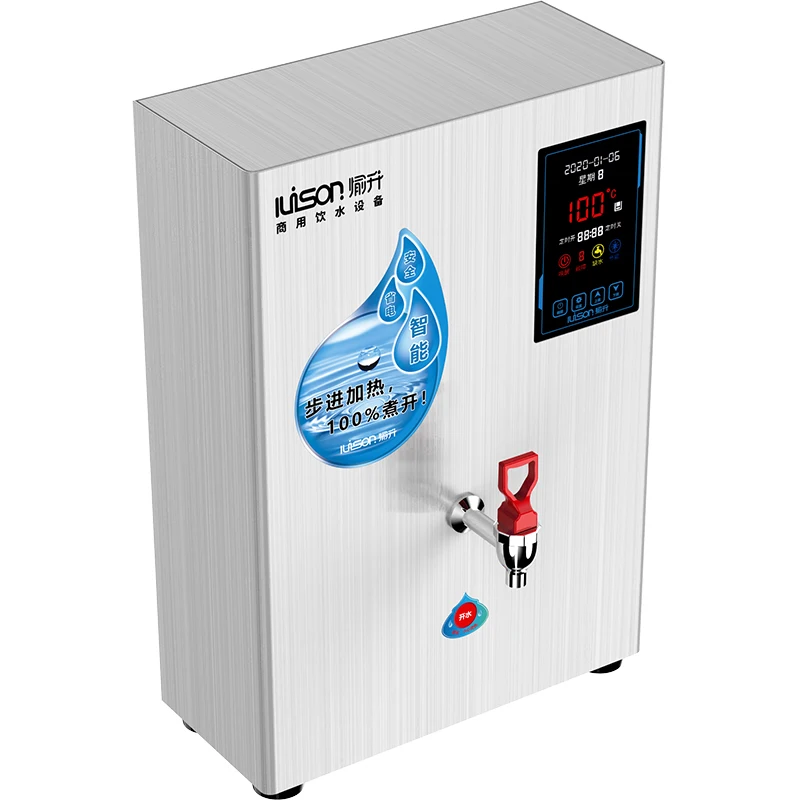
IUISON specializes in high-quality SUS commercial drinking water machines, including water coolers, boilers, and outdoor fountains. With 16 years of international trade experience, we provide reliable, customized solutions for businesses, governments, and organizations worldwide.
No. 13, Laocun Industrial Zone, Sanle Road, Lecong Town, Shunde District, Foshan City, Guangdong Province,China.
Copyright © 2026 GUANGDONG IUISON CO.,LTD All Rights Reserved Privacy Policy
 EN
EN
 AR
AR
 HR
HR
 CS
CS
 DA
DA
 NL
NL
 FI
FI
 FR
FR
 DE
DE
 EL
EL
 HI
HI
 IT
IT
 JA
JA
 KO
KO
 PL
PL
 PT
PT
 RO
RO
 RU
RU
 ES
ES
 SV
SV
 TL
TL
 IW
IW
 LT
LT
 SR
SR
 SK
SK
 UK
UK
 VI
VI
 TH
TH
 TR
TR
 FA
FA
 MS
MS
 IS
IS
 HY
HY
 AZ
AZ
 KA
KA
 BN
BN
 KM
KM
 LO
LO
 LA
LA
 MN
MN
 Hot News