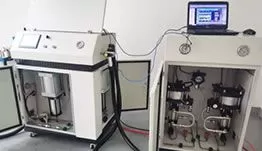
Installing an outdoor drinking fountain presents unique challenges that facility managers, contractors, and municipal planners must carefully consider. Unlike indoor water dispensers, an outdoor drinking fountain must withstand harsh weather conditions, temperature fluctuations, and increased usage demands while maintaining consistent water quality and accessibility standards. These installations require comprehensive planning that addresses everything from site preparation and utility connections to long-term maintenance requirements and vandalism prevention.
The complexity of outdoor drinking fountain installation extends beyond simple plumbing connections. Environmental factors such as freeze-thaw cycles, UV exposure, and extreme temperatures can significantly impact both the installation process and long-term performance. Additionally, compliance with accessibility regulations, local building codes, and water quality standards adds layers of complexity that require specialized expertise and careful coordination between multiple trades and regulatory bodies.
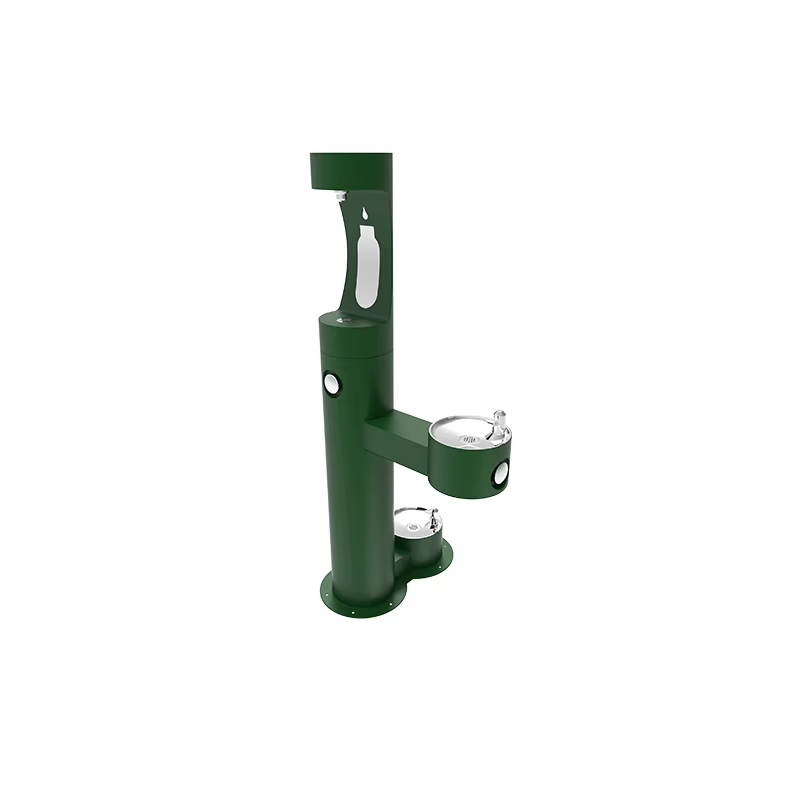
One of the most critical challenges in outdoor drinking fountain installation involves protecting the system from freezing temperatures. Water lines and internal components must be designed with proper insulation and heating elements to prevent costly freeze damage. Many installations require frost-proof valves, heated water lines, and automatic drainage systems that activate when temperatures drop below predetermined thresholds.
The installation of freeze protection systems often requires deeper excavation for insulated piping, additional electrical connections for heating elements, and sophisticated control systems that monitor ambient temperatures. These requirements can significantly increase both installation complexity and project costs, particularly in regions with harsh winter climates where an outdoor drinking fountain must operate year-round.
Exposure to wind, rain, snow, and intense sunlight creates unique demands for outdoor drinking fountain installations. Materials must be carefully selected to resist corrosion, UV degradation, and thermal expansion while maintaining structural integrity over decades of service. Stainless steel components, powder-coated finishes, and weather-sealed electrical connections are essential but can complicate the installation process.
Proper sealing and weatherproofing of all penetrations, joints, and electrical connections requires specialized techniques and materials. Installation teams must ensure that water cannot infiltrate electrical components or create pathways for corrosion, while still maintaining accessibility for future maintenance and repairs of the outdoor drinking fountain system.
Preparing the site for an outdoor drinking fountain installation involves extensive excavation and coordination with existing utilities. Underground water lines, electrical conduits, and drainage systems must be installed while avoiding conflicts with existing infrastructure such as gas lines, telecommunications cables, and storm water management systems.
The excavation process often reveals unexpected challenges such as rocky soil conditions, high groundwater levels, or undocumented utilities that require design modifications or alternative installation approaches. These discoveries can significantly impact project timelines and budgets, making thorough site investigation crucial before beginning any outdoor drinking fountain installation.
Establishing a stable, level foundation for an outdoor drinking fountain requires precise concrete work that accounts for local soil conditions, drainage requirements, and potential frost heave. The foundation must be sized appropriately to support the fountain structure while providing adequate resistance to vandalism and environmental stresses.
Anchoring systems must be designed to secure the outdoor drinking fountain against both accidental impacts and intentional tampering while allowing for thermal expansion and contraction. This often requires specialized anchor bolts, reinforcing steel, and careful attention to concrete curing processes that can be affected by weather conditions during installation.
Connecting an outdoor drinking fountain to the municipal water supply presents unique challenges related to pressure regulation, backflow prevention, and water quality maintenance. Supply lines must be buried below the frost line, properly insulated, and equipped with shutoff valves that remain accessible for maintenance while being protected from tampering.
Water pressure at outdoor locations often requires adjustment through pressure-reducing valves or booster pumps, depending on the elevation and distance from the main supply line. These components must be housed in weatherproof enclosures that protect against freezing while allowing for routine maintenance and inspection of the outdoor drinking fountain system.
Proper drainage is essential for outdoor drinking fountain installations to prevent standing water, ice formation, and foundation damage. Drainage systems must handle both normal operational discharge and excess water from heavy usage periods while directing flow away from the foundation and surrounding walkways.
The installation of effective drainage often requires connection to existing storm water systems or the creation of dedicated drainage fields that comply with local environmental regulations. These connections can be complicated by elevation changes, soil permeability issues, and environmental protection requirements that limit discharge locations and methods.
Electrical installation for an outdoor drinking fountain involves running power lines from existing panels through underground conduits or overhead installations that must withstand environmental stresses. Ground fault circuit interrupters, weatherproof enclosures, and proper grounding systems are essential for safety but add complexity to the installation process.
Many outdoor drinking fountain installations require dedicated electrical circuits capable of handling both normal operation and auxiliary systems such as heating elements, lighting, or electronic controls. The electrical infrastructure must be designed to accommodate future upgrades while maintaining compliance with local electrical codes and safety standards.
Modern outdoor drinking fountain installations often incorporate sophisticated control systems that monitor water quality, usage patterns, and system performance. These electronic components require protection from weather, electromagnetic interference, and vandalism while maintaining reliable communication with remote monitoring systems.
The installation of control systems typically involves complex wiring, sensor placement, and programming that must be coordinated with other installation activities. Weather delays can significantly impact the commissioning and testing of these systems, potentially extending project timelines beyond initial estimates.
Every outdoor drinking fountain installation must comply with Americans with Disabilities Act requirements that specify precise mounting heights, approach clearances, and operational characteristics. These requirements often conflict with other design objectives such as vandalism resistance or aesthetic preferences, requiring careful balance during the design and installation process.
Achieving proper accessibility often requires extensive site grading, the installation of accessible pathways, and careful attention to surrounding landscape features that could impede access. These requirements can significantly expand the scope of work beyond the fountain itself, affecting both project costs and complexity.
Outdoor drinking fountain installations must navigate complex webs of local building codes, health department regulations, and environmental requirements that vary significantly between jurisdictions. Obtaining proper permits can be time-consuming and may require design modifications that impact installation procedures.
Code compliance often requires coordination between multiple inspection agencies throughout the installation process, creating potential delays if any aspect of the work fails to meet requirements. Understanding and planning for these regulatory requirements is essential for successful outdoor drinking fountain installation projects.
Designing outdoor drinking fountain installations with adequate access for future maintenance requires careful consideration of component placement, service clearances, and tool access requirements. Maintenance access must be balanced against security concerns and aesthetic objectives while ensuring that routine service can be performed efficiently.
The installation process must account for future maintenance needs by providing lockable access panels, removable components, and clear pathways for replacement parts. These features often require custom fabrication and specialized installation techniques that add complexity to the initial installation but are essential for long-term system reliability.
Selecting components for an outdoor drinking fountain installation requires careful evaluation of expected service life, replacement costs, and availability of spare parts. The harsh outdoor environment can significantly reduce component lifespans compared to indoor installations, making durability a critical selection criterion.
Installation teams must consider how component replacement will be accomplished in the future, ensuring that critical parts can be accessed and replaced without major excavation or structural modifications. This forward-thinking approach can prevent costly retrofits and minimize service disruptions throughout the life of the outdoor drinking fountain system.
Protecting outdoor drinking fountain installations from vandalism requires robust construction techniques and strategic component placement that resists tampering while maintaining functionality and accessibility. Security measures must be integrated into the installation process rather than added as afterthoughts to ensure effectiveness.
The installation of security features such as tamper-resistant hardware, reinforced mounting systems, and protective enclosures requires specialized tools and techniques that may not be familiar to standard plumbing or electrical contractors. These requirements can extend installation timelines and require coordination with security specialists.
Many outdoor drinking fountain installations now incorporate remote monitoring systems that can detect tampering, system failures, or unusual usage patterns. These systems require sophisticated installation procedures that integrate sensors, communication equipment, and power supplies while maintaining weather protection and security.
The installation of monitoring systems often requires coordination with IT professionals and telecommunications providers to ensure reliable data transmission and system integration. These additional stakeholders can complicate project coordination and scheduling, particularly in remote locations with limited communication infrastructure.
The most frequent installation challenges include inadequate freeze protection leading to pipe damage, improper drainage causing foundation problems, and electrical issues related to ground fault protection and weatherproofing. Site preparation problems such as utility conflicts and soil conditions also commonly cause delays and cost overruns during outdoor drinking fountain installations.
Installation timelines vary significantly based on site conditions, weather, and complexity, but most outdoor drinking fountain projects require 2-4 weeks from excavation to final commissioning. Complex installations with extensive utility work or challenging environmental conditions may require 6-8 weeks, while simple retrofit installations in prepared locations can sometimes be completed in just a few days.
Most jurisdictions require building permits, plumbing permits, and electrical permits for outdoor drinking fountain installations. Additional approvals may be needed from health departments, environmental agencies, or historic preservation boards depending on the location. Water quality testing and backflow prevention device certification are also commonly required before the system can be placed in service.
Professional installation costs typically range from $3,000 to $15,000 depending on site conditions, fountain specifications, and local labor rates. Complex installations requiring extensive excavation, utility coordination, or specialized freeze protection systems can cost significantly more. The total project cost often equals or exceeds the cost of the outdoor drinking fountain equipment itself when all installation requirements are properly addressed.

IUISON specializes in high-quality SUS commercial drinking water machines, including water coolers, boilers, and outdoor fountains. With 16 years of international trade experience, we provide reliable, customized solutions for businesses, governments, and organizations worldwide.
No. 13, Laocun Industrial Zone, Sanle Road, Lecong Town, Shunde District, Foshan City, Guangdong Province,China.
Copyright © 2026 GUANGDONG IUISON CO.,LTD All Rights Reserved Privacy Policy
 EN
EN
 AR
AR
 HR
HR
 CS
CS
 DA
DA
 NL
NL
 FI
FI
 FR
FR
 DE
DE
 EL
EL
 HI
HI
 IT
IT
 JA
JA
 KO
KO
 PL
PL
 PT
PT
 RO
RO
 RU
RU
 ES
ES
 SV
SV
 TL
TL
 IW
IW
 LT
LT
 SR
SR
 SK
SK
 UK
UK
 VI
VI
 TH
TH
 TR
TR
 FA
FA
 MS
MS
 IS
IS
 HY
HY
 AZ
AZ
 KA
KA
 BN
BN
 KM
KM
 LO
LO
 LA
LA
 MN
MN
 Hot News