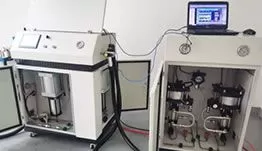
Public facilities must prioritize the implementation of comprehensive drinking fountain safety standards to ensure the health and wellbeing of all users. These standards encompass various aspects from water quality and structural integrity to accessibility compliance and maintenance protocols. Understanding and adhering to proper drinking fountain safety standards is essential for facility managers, architects, and public health officials who oversee the installation and operation of these vital amenities in schools, offices, parks, and other public spaces.
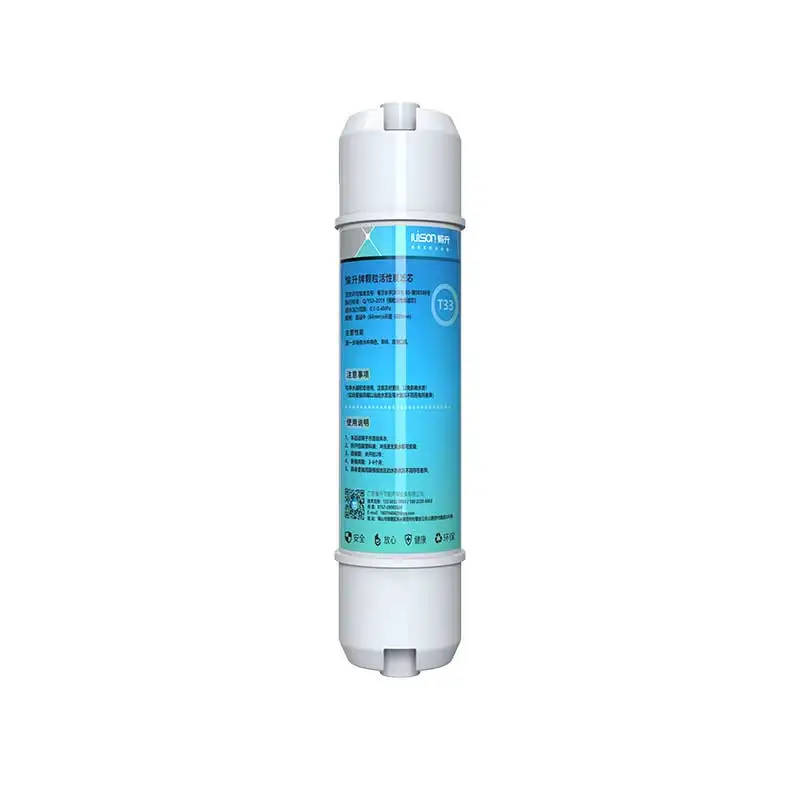
Effective water filtration systems form the cornerstone of drinking fountain safety standards, requiring multi-stage purification processes to remove contaminants, bacteria, and chemical pollutants. Modern filtration systems must incorporate activated carbon filters, sediment removal capabilities, and UV sterilization components to meet stringent health department guidelines. The filtration capacity should be adequate to handle peak usage periods while maintaining consistent water quality throughout the day.
Regular filter replacement schedules are mandated under drinking fountain safety standards, typically requiring monthly or quarterly maintenance depending on usage volume and local water conditions. Facility managers must maintain detailed records of filter changes, water quality testing results, and system performance metrics to demonstrate compliance with regulatory requirements. Advanced filtration systems often include real-time monitoring capabilities that alert maintenance staff when filter replacement or system servicing becomes necessary.
Temperature regulation represents another critical component of drinking fountain safety standards, ensuring that water remains within acceptable temperature ranges for safe consumption. Most health codes require water temperatures between 50-60 degrees Fahrenheit to prevent bacterial growth while providing refreshing hydration for users. Sophisticated temperature control systems utilize thermostatic valves and cooling coils to maintain consistent temperatures regardless of ambient conditions or usage patterns.
Backup temperature monitoring systems are often required under drinking fountain safety standards to prevent potential health risks associated with temperature fluctuations. These systems typically include digital displays, automatic shut-off mechanisms, and alert systems that notify maintenance personnel when temperatures exceed acceptable parameters. Regular calibration of temperature control equipment ensures accurate readings and reliable performance over extended operational periods.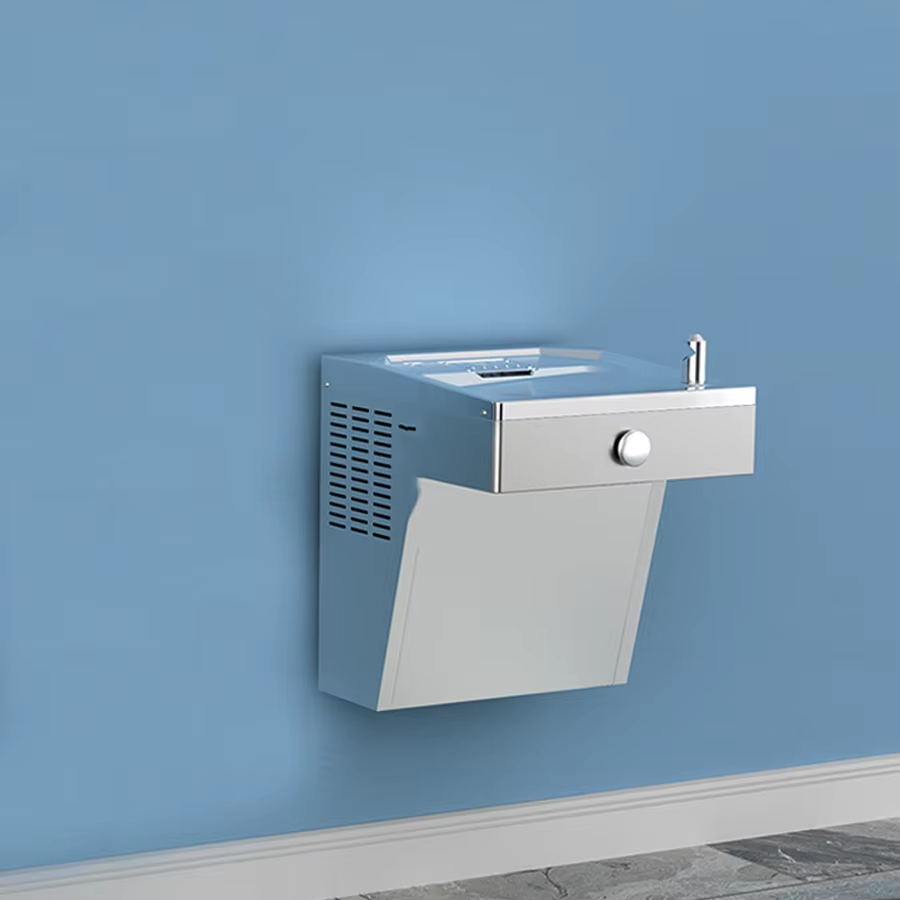
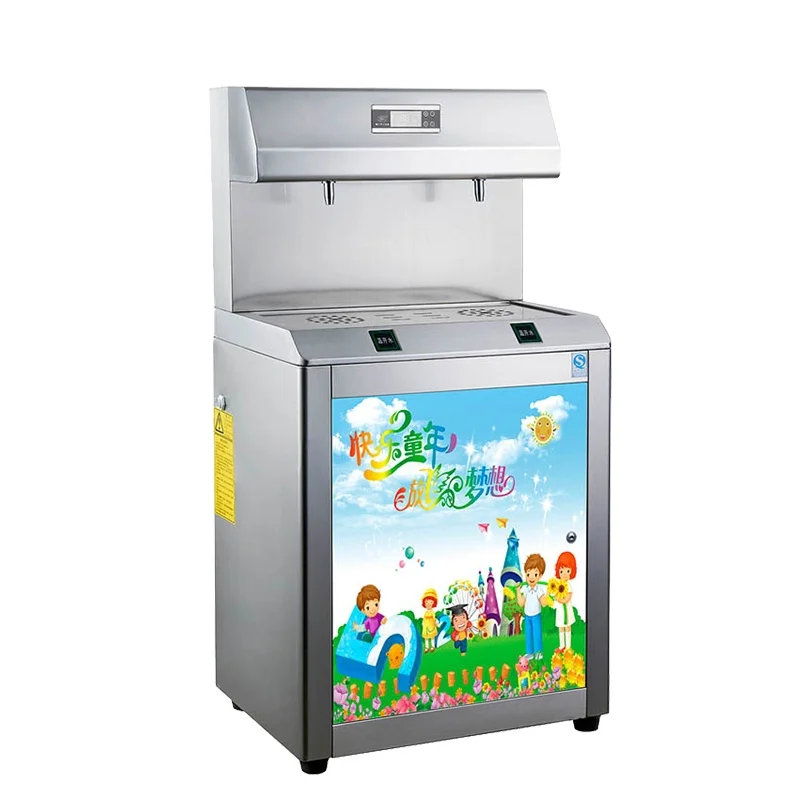
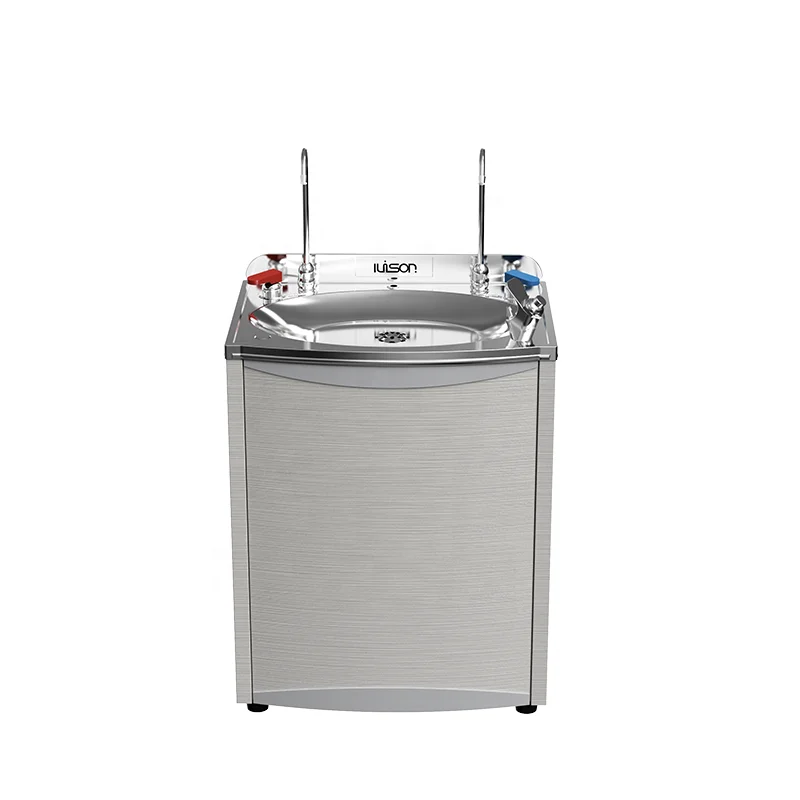
Construction materials used in drinking fountains must meet specific drinking fountain safety standards that prioritize durability, hygiene, and resistance to corrosion and vandalism. Stainless steel components are preferred for their antimicrobial properties, ease of cleaning, and long-term structural integrity in high-traffic environments. All materials must be certified as food-grade safe and comply with NSF International standards for potable water contact surfaces.
Surface finishes and joint sealing techniques must prevent bacterial accumulation and facilitate thorough cleaning procedures required by drinking fountain safety standards. Smooth, non-porous surfaces minimize contamination risks while specialized coatings can provide additional antimicrobial protection. Welded joints and seamless construction eliminate crevices where bacteria might proliferate, ensuring safer water delivery to users.
Proper installation procedures are fundamental to meeting drinking fountain safety standards, requiring secure mounting systems that can withstand both normal usage and potential impact forces. Wall-mounted units must be anchored to structural elements capable of supporting the fountain's weight plus dynamic loads from user interaction. Floor-standing models require stable bases and proper connection to utilities without creating trip hazards or accessibility barriers.
Clearance requirements around drinking fountains ensure safe access while preventing overcrowding and potential accidents in busy public spaces. These drinking fountain safety standards typically specify minimum distances from walls, other fixtures, and pedestrian pathways to accommodate users of varying heights and mobility devices. Proper drainage systems must be installed to prevent water accumulation that could create slip hazards or promote bacterial growth.
Americans with Disabilities Act compliance is an integral part of drinking fountain safety standards, mandating specific height and reach requirements to ensure accessibility for users with disabilities. Standard installations require dual-height configurations with drinking surfaces at both 36 inches and 30 inches above the floor to accommodate standing users and wheelchair users respectively. These measurements must be maintained consistently to prevent discrimination and ensure equal access to hydration facilities.
Operating controls and activation mechanisms must be positioned within reach ranges specified by drinking fountain safety standards, typically no higher than 44 inches above the floor for side approaches and 46 inches for front approaches. Push-button controls, sensor activation systems, and lever handles must require minimal force to operate, accommodating users with limited hand strength or dexterity. Clear floor space requirements ensure wheelchair users can position themselves properly to access the fountain safely and comfortably.
Intuitive user interfaces are essential components of drinking fountain safety standards, incorporating tactile indicators, visual cues, and auditory signals to assist users with various disabilities. Braille labels, raised symbols, and high-contrast markings help visually impaired users identify controls and operating instructions. Sensor-activated fountains eliminate the need for physical contact while providing consistent water flow and pressure for all users.
Emergency shut-off mechanisms must be easily accessible and clearly marked according to drinking fountain safety standards, allowing rapid response to equipment malfunctions or safety concerns. These controls should be positioned where authorized personnel can quickly locate and operate them without requiring special tools or extensive training. Visual indicators showing operational status help users identify whether the fountain is functioning properly before attempting to use it.
Regular cleaning and disinfection protocols are fundamental requirements under drinking fountain safety standards, establishing systematic approaches to prevent contamination and maintain hygienic conditions. Daily cleaning procedures should include thorough sanitization of all water contact surfaces using approved disinfectants that eliminate bacteria, viruses, and other pathogens without leaving harmful residues. Deep cleaning schedules typically require weekly or monthly comprehensive maintenance depending on usage levels and environmental factors.
Documentation of cleaning activities is mandatory under most drinking fountain safety standards, requiring detailed logs that track cleaning dates, procedures performed, products used, and personnel responsible. These records demonstrate compliance with health regulations and provide valuable data for optimizing maintenance schedules and identifying potential problem areas. Professional cleaning staff must receive training on proper procedures and safety protocols to ensure effective sanitation while protecting their own health and safety.
Comprehensive preventive maintenance programs are essential for sustaining compliance with drinking fountain safety standards while extending equipment lifespan and minimizing unexpected failures. These programs typically include regular inspections of mechanical components, electrical systems, plumbing connections, and filtration equipment to identify wear patterns and potential issues before they compromise safety or performance. Scheduled component replacements ensure reliable operation while preventing catastrophic failures that could endanger users.
Maintenance scheduling must account for peak usage periods, seasonal variations, and environmental factors that affect equipment performance and drinking fountain safety standards compliance. Advanced monitoring systems can provide real-time data on system performance, water quality metrics, and usage patterns to optimize maintenance timing and resource allocation. Professional service contracts often ensure compliance with manufacturer warranties while providing specialized expertise in maintaining complex filtration and cooling systems.
Regular water quality testing forms a cornerstone of drinking fountain safety standards, requiring systematic sampling and laboratory analysis to verify that water meets or exceeds established health and safety criteria. Testing protocols typically include analysis for bacterial contamination, chemical pollutants, heavy metals, and pH levels to ensure comprehensive safety assessment. Sampling procedures must follow strict protocols to prevent contamination during collection and transport to certified laboratories.
Testing frequency requirements under drinking fountain safety standards vary based on facility type, usage volume, and local regulations, but monthly testing represents a common baseline for most public installations. Results must be documented and retained for regulatory review while immediate corrective action is required when test results indicate potential health risks. Emergency testing procedures must be implemented whenever unusual taste, odor, or appearance changes are detected in the water supply.
Advanced monitoring technology enables continuous assessment of water quality parameters, providing immediate alerts when conditions deviate from established drinking fountain safety standards. These systems typically monitor pH levels, turbidity, chlorine residuals, and temperature to detect potential contamination or equipment malfunctions before they affect user safety. Automated data logging creates comprehensive records for regulatory compliance and trend analysis.
Integration with building management systems allows centralized monitoring of multiple fountains throughout a facility, streamlining maintenance operations and ensuring consistent compliance with drinking fountain safety standards. Remote monitoring capabilities enable off-site oversight and rapid response to emerging issues, minimizing potential exposure risks and maintaining continuous service availability. Alert systems can notify maintenance personnel via multiple communication channels to ensure prompt response regardless of time or location.
Comprehensive incident reporting systems are essential components of drinking fountain safety standards, establishing clear protocols for documenting and responding to safety concerns, equipment failures, or potential contamination events. These procedures must define reporting responsibilities, communication channels, and documentation requirements to ensure rapid response and appropriate follow-up actions. Staff training programs must emphasize the importance of prompt reporting and provide clear guidance on recognizing potential safety issues.
Investigation protocols following reported incidents must include immediate assessment of potential health risks, isolation of affected equipment, and coordination with health authorities when necessary. Documentation requirements under drinking fountain safety standards typically include detailed incident descriptions, response actions taken, corrective measures implemented, and follow-up verification procedures. These records provide valuable data for preventing future incidents and demonstrating due diligence in safety management.
Emergency shutdown capabilities represent critical safety features required under drinking fountain safety standards, enabling rapid isolation of potentially contaminated water supplies or malfunctioning equipment. These systems must be easily accessible to authorized personnel while remaining secure from unauthorized activation or tampering. Clear labeling and standardized procedures ensure consistent response regardless of which staff member encounters an emergency situation.
Communication protocols following emergency shutdowns must include notification of facility users, coordination with maintenance personnel, and reporting to appropriate regulatory agencies when required by drinking fountain safety standards. Temporary alternative water sources may be necessary during extended outages, requiring coordination with facility management and potentially local emergency services. Restoration procedures must include comprehensive testing and verification before returning systems to normal operation.
Drinking fountain safety standards typically require daily visual inspections for obvious problems, weekly operational checks of all systems, and monthly comprehensive safety assessments by qualified maintenance personnel. Professional inspections should occur quarterly or semi-annually depending on usage levels and local regulations. Documentation of all inspection activities is essential for demonstrating ongoing compliance with safety requirements and identifying trends that might indicate emerging issues.
The most important water quality parameters under drinking fountain safety standards include bacterial contamination levels, pH balance, chlorine residuals, turbidity, and temperature control. Heavy metal concentrations, particularly lead and copper, require regular monitoring due to potential health risks from plumbing system corrosion. Chemical contaminants and total dissolved solids should also be monitored based on local water source conditions and potential contamination risks.
Immediate shutdown of the affected fountain is the first priority when contamination is suspected, followed by isolation of the water supply and posting of warning signs to prevent user access. Facility management and local health authorities should be notified immediately, and water samples should be collected for emergency testing by certified laboratories. Alternative water sources must be provided for facility users while investigation and remediation procedures are completed according to drinking fountain safety standards.
ADA compliance and safety requirements work together under comprehensive drinking fountain safety standards through proper planning and installation procedures. Dual-height installations accommodate users with disabilities while maintaining all safety features and water quality requirements. Regular accessibility audits ensure continued compliance with both safety and accessibility standards, while staff training emphasizes the importance of maintaining clear access routes and functional accessibility features during maintenance activities.

IUISON specializes in high-quality SUS commercial drinking water machines, including water coolers, boilers, and outdoor fountains. With 16 years of international trade experience, we provide reliable, customized solutions for businesses, governments, and organizations worldwide.
No. 13, Laocun Industrial Zone, Sanle Road, Lecong Town, Shunde District, Foshan City, Guangdong Province,China.
Copyright © 2026 GUANGDONG IUISON CO.,LTD All Rights Reserved Privacy Policy
 EN
EN
 AR
AR
 HR
HR
 CS
CS
 DA
DA
 NL
NL
 FI
FI
 FR
FR
 DE
DE
 EL
EL
 HI
HI
 IT
IT
 JA
JA
 KO
KO
 PL
PL
 PT
PT
 RO
RO
 RU
RU
 ES
ES
 SV
SV
 TL
TL
 IW
IW
 LT
LT
 SR
SR
 SK
SK
 UK
UK
 VI
VI
 TH
TH
 TR
TR
 FA
FA
 MS
MS
 IS
IS
 HY
HY
 AZ
AZ
 KA
KA
 BN
BN
 KM
KM
 LO
LO
 LA
LA
 MN
MN

 Hot News