 EN
EN
 AR
AR
 HR
HR
 CS
CS
 DA
DA
 NL
NL
 FI
FI
 FR
FR
 DE
DE
 EL
EL
 HI
HI
 IT
IT
 JA
JA
 KO
KO
 PL
PL
 PT
PT
 RO
RO
 RU
RU
 ES
ES
 SV
SV
 TL
TL
 IW
IW
 LT
LT
 SR
SR
 SK
SK
 UK
UK
 VI
VI
 TH
TH
 TR
TR
 FA
FA
 MS
MS
 IS
IS
 HY
HY
 AZ
AZ
 KA
KA
 BN
BN
 KM
KM
 LO
LO
 LA
LA
 MN
MN
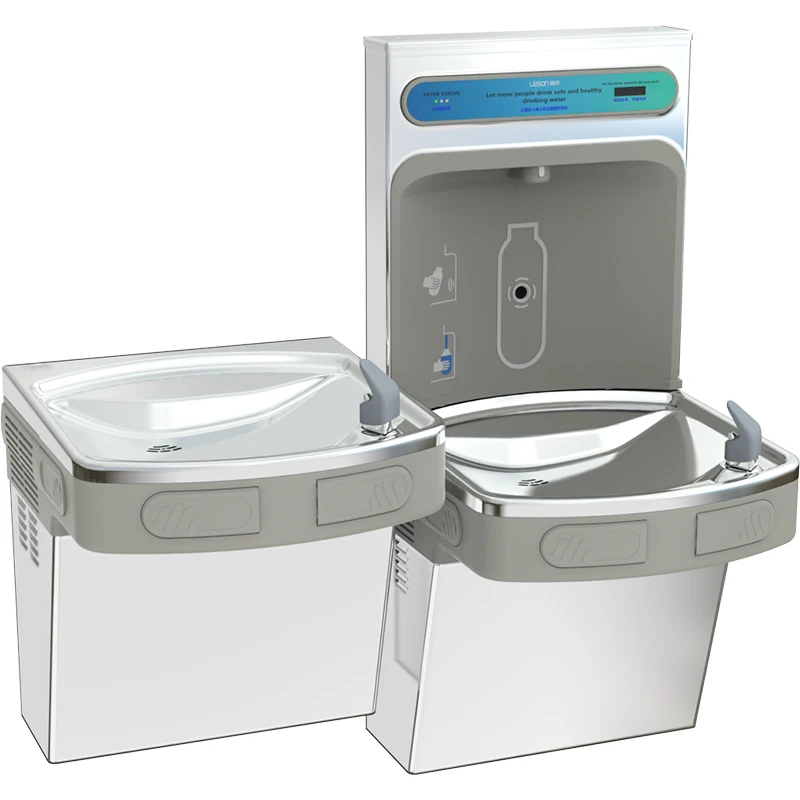
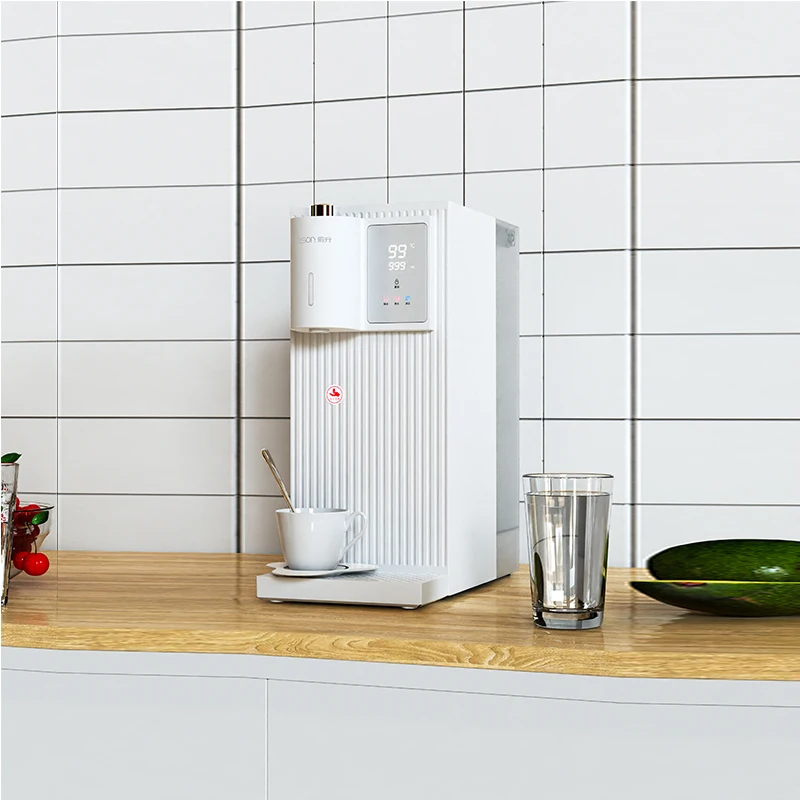
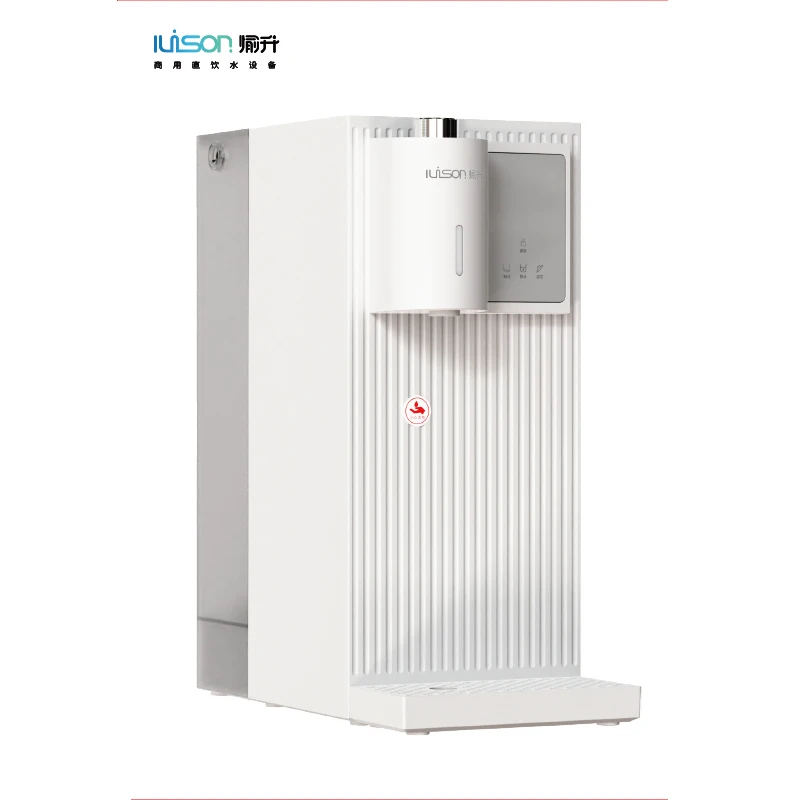
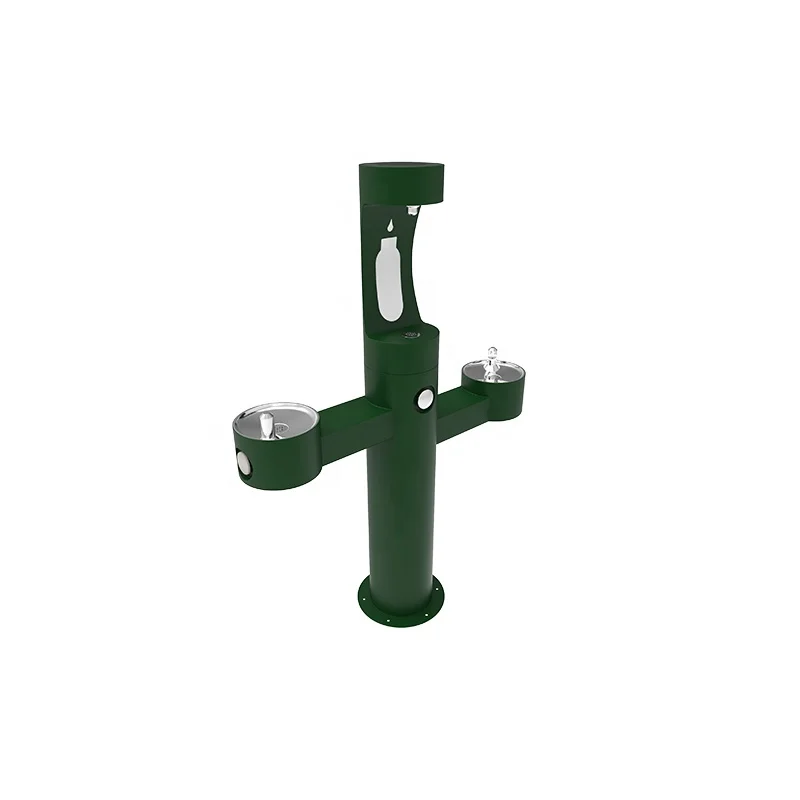
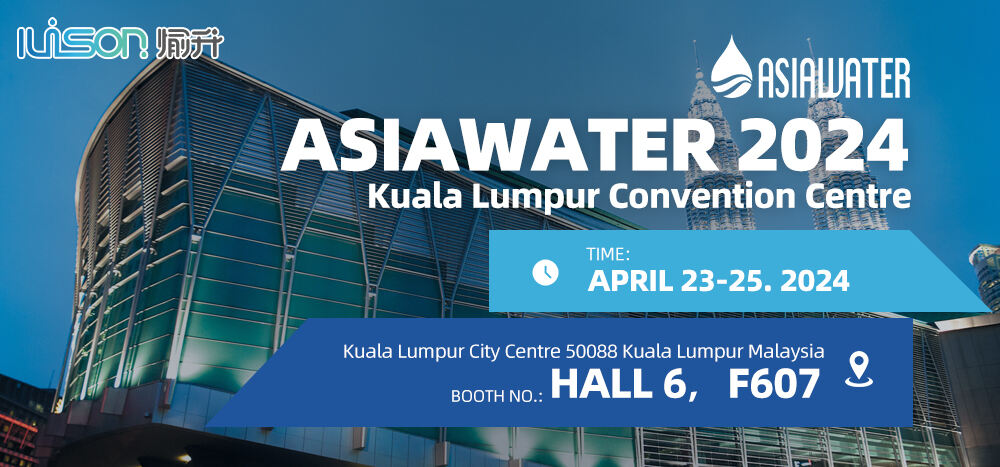
Malaysia Exhibition
Discover the latest water dispenser models and technology at the 2024 Malaysia Exhibition. Get event details and explore various water dispenser vendors.
View More

04
Nov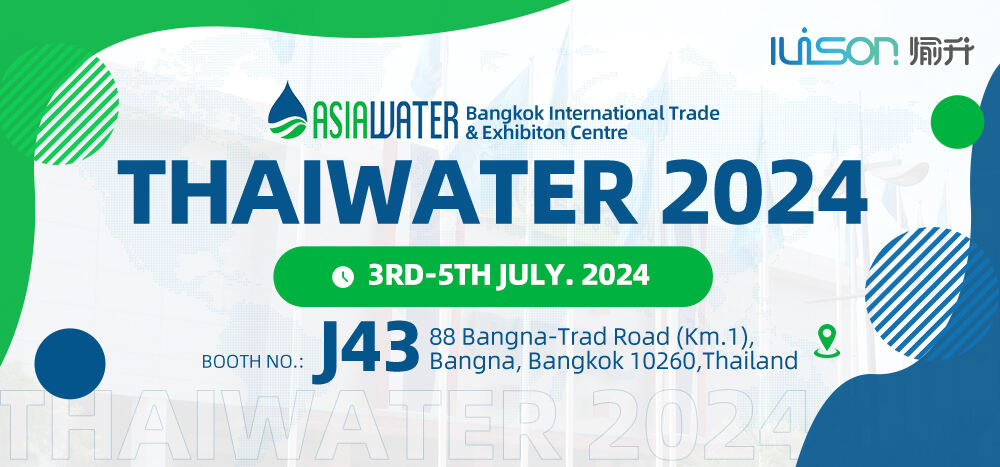
24
Apr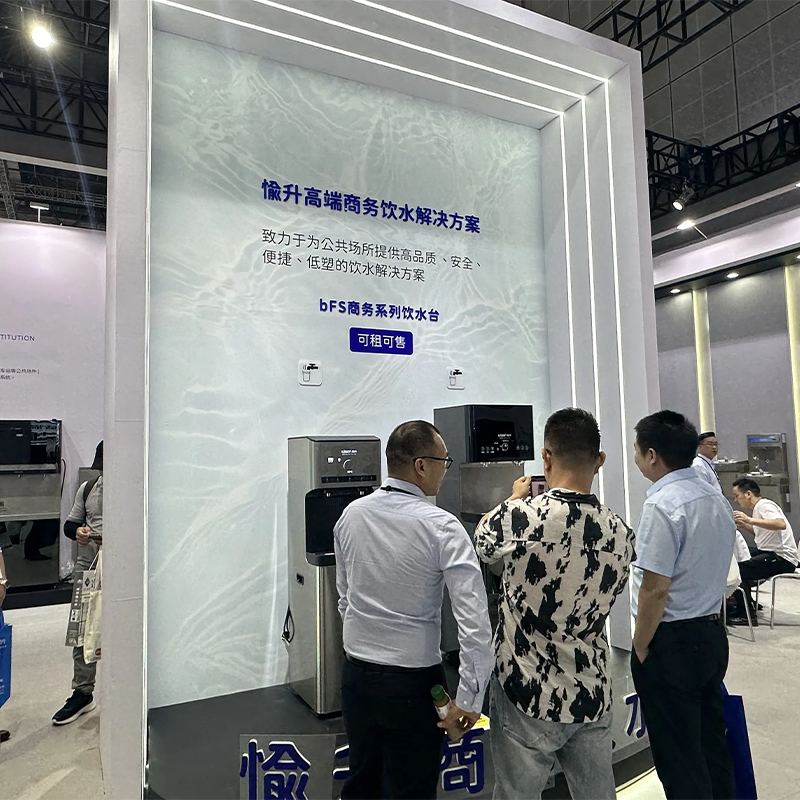
05
Jul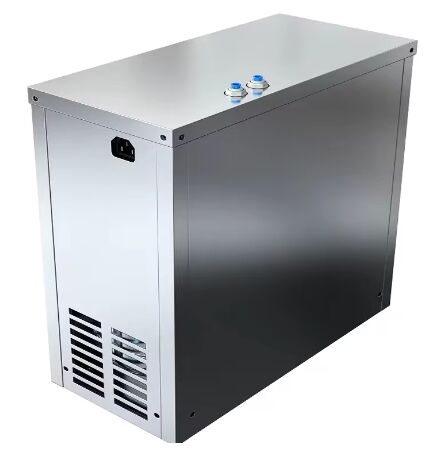
19
Jun
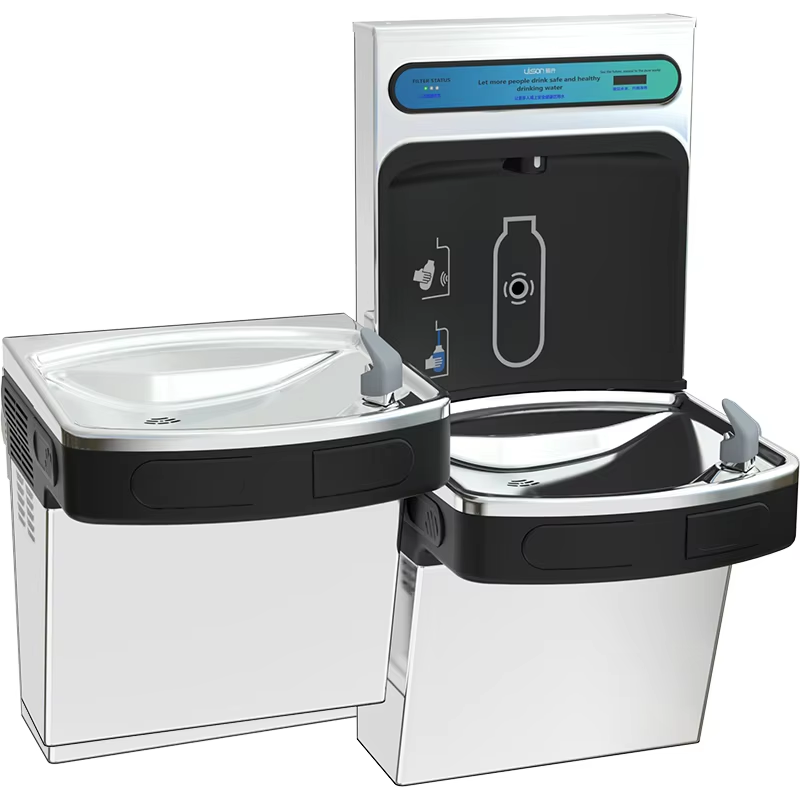

iuison main product bottle filling stations,water cooler,outdoor drinking fountain,filtration,household,wall mounted,ect.
No. 13, Laocun Industrial Zone, Sanle Road, Lecong Town, Shunde District, Foshan City, Guangdong Province,China.
Copyright © 2024 GUANGDONG IUISON CO.,LTD All Rights Reserved Privacy Policy