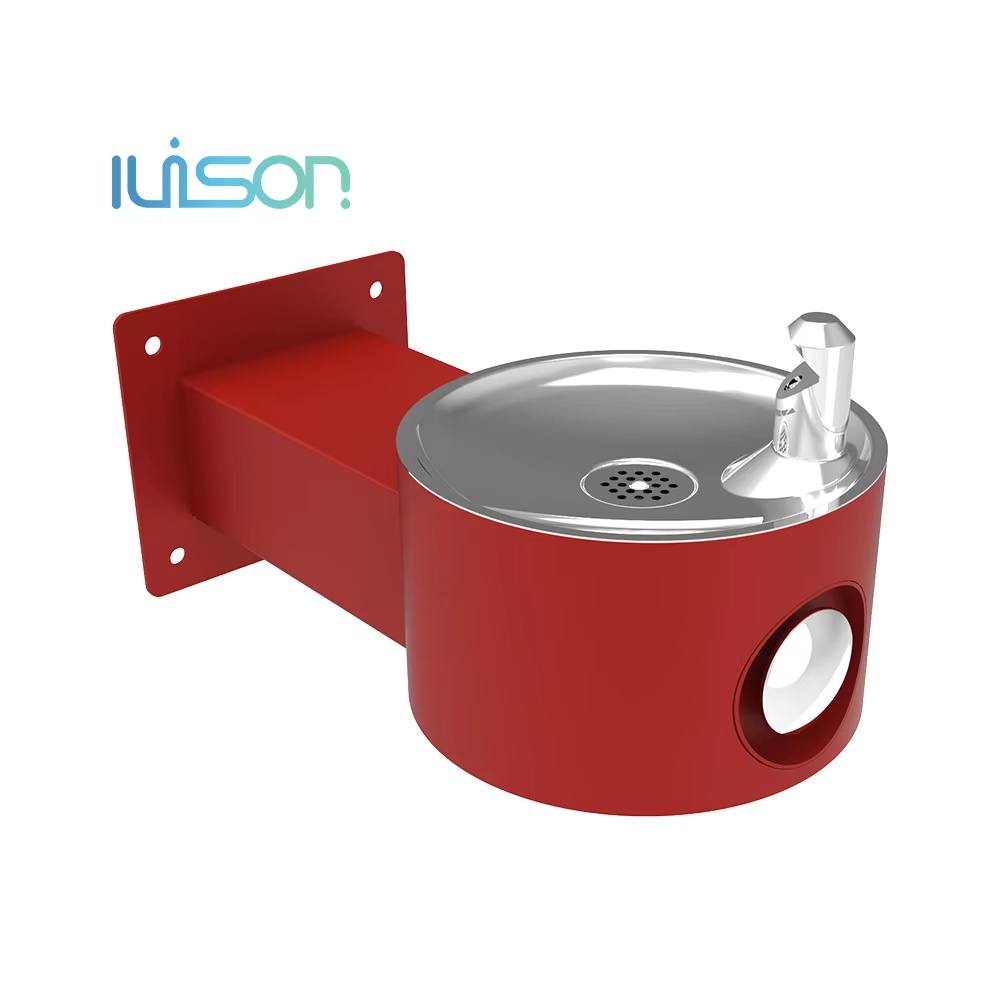
Creating welcoming and functional public spaces requires careful consideration of every amenity, and outdoor drinking fountains stand as crucial elements in any park's infrastructure. These essential installations not only provide refreshment to park visitors but also promote public health and sustainability by reducing reliance on single-use plastic bottles. When selecting an outdoor drinking fountain for your public park, multiple factors come into play to ensure you make the best choice for your community's needs.
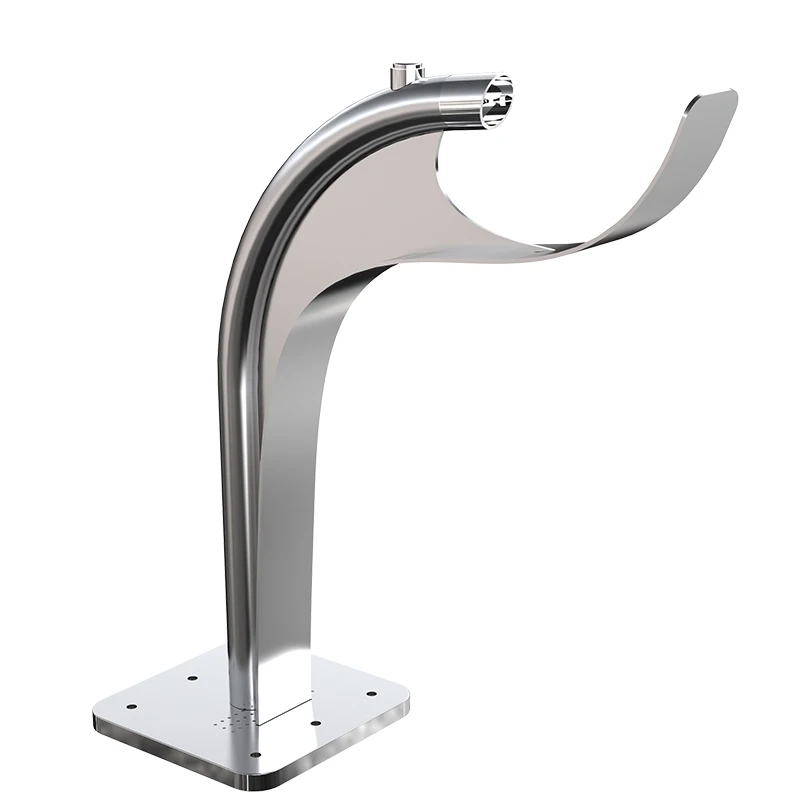
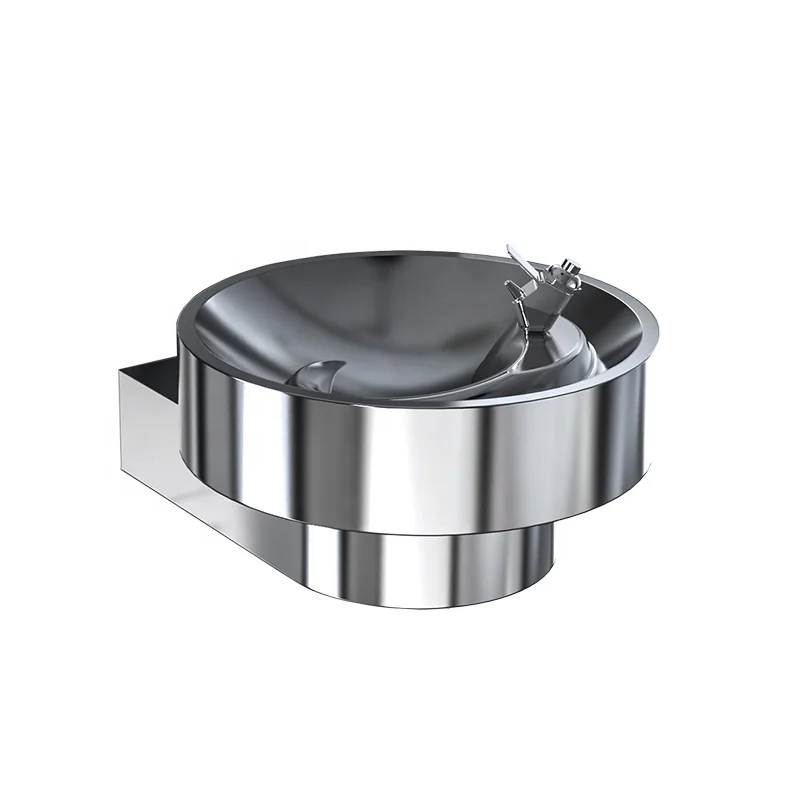
The success of an outdoor drinking fountain installation begins with selecting the right materials. Stainless steel remains the gold standard for outdoor drinking fountains due to its exceptional durability and resistance to corrosion. High-grade stainless steel variants like 316L offer superior protection against rust and weathering, even in coastal environments where salt exposure poses additional challenges. Cast iron and bronze alternatives provide robust options, though they may require more maintenance to preserve their appearance and functionality.
Beyond the primary construction material, consideration must be given to internal components. Brass fittings and copper piping offer reliable performance and natural antimicrobial properties. UV-resistant materials should be used for any plastic components to prevent degradation from sun exposure. The foundation and mounting hardware must also be corrosion-resistant to ensure long-term stability.
Modern outdoor drinking fountain installations must prioritize accessibility for all park visitors. ADA compliance represents the minimum standard, requiring specific height requirements and clear ground space for wheelchair access. Multi-level fountains with varying heights accommodate both adults and children, while lever-operated or push-button mechanisms ensure easy operation for users with limited mobility.
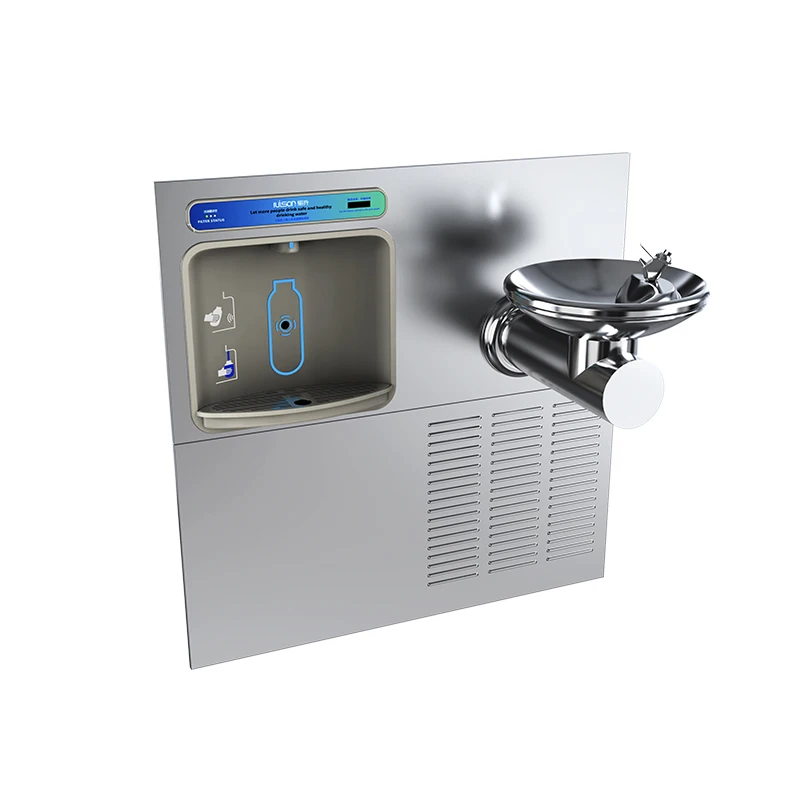
Consider incorporating bottle-filling stations alongside traditional bubblers to meet contemporary needs. These additions support sustainable practices and accommodate various container sizes, from water bottles to dog bowls. The most effective designs feature clear visual cues and intuitive controls that require minimal instruction for use.
A reliable water supply system forms the backbone of any outdoor drinking fountain installation. The incoming water pressure should maintain a consistent range between 30 and 100 PSI for optimal performance. Pressure regulators may be necessary to ensure stable operation and prevent splashing. Underground supply lines must be properly sized and insulated to prevent freezing in cold climates.
Water quality testing and filtration systems play crucial roles in maintaining safe drinking water. Consider incorporating filtration systems that remove sediment, reduce chlorine taste, and eliminate potential contaminants. Regular water quality monitoring and filter maintenance schedules should be established as part of the installation planning.
Effective drainage systems prevent standing water and potential slip hazards around outdoor drinking fountains. The design should incorporate adequate slope and drainage channels to direct excess water away from the fountain area. French drains or connected sewer systems may be necessary depending on local regulations and soil conditions.
Consider sustainability features such as gray water collection systems that can redirect unused water to irrigation systems or rain gardens. This approach not only conserves water but also demonstrates environmental stewardship to park visitors.
A comprehensive maintenance program ensures the longevity of outdoor drinking fountains. Daily visual inspections should check for proper operation, cleanliness, and any signs of vandalism. Weekly cleaning protocols should include sanitizing drinking spouts, wiping down surfaces, and clearing any debris from drainage systems.
Seasonal maintenance becomes particularly important in regions with extreme weather conditions. Winterization procedures might include draining lines, installing protective covers, or implementing heating systems to prevent freeze damage. Spring start-up routines should thoroughly flush lines and verify all components function correctly.
Strategic placement and robust design features help minimize vandalism risks to outdoor drinking fountains. Installing fountains in well-lit, visible locations with nearby security cameras provides deterrence. Anti-graffiti coatings and tamper-resistant hardware protect against common forms of vandalism while simplifying maintenance.
Consider incorporating emergency shut-off valves and water flow sensors to quickly address any issues. These systems can automatically detect unusual flow patterns that might indicate tampering or mechanical failures, allowing for prompt response and repair.
The ADA-compliant height for an outdoor drinking fountain spout is 36 inches maximum and 38-43 inches for standing adult use. Multi-level fountains typically include a lower spout at 30 inches for wheelchair accessibility and children's use.
Professional servicing should occur at least twice annually, with more frequent maintenance in high-traffic areas or extreme climates. Daily visual inspections and weekly cleaning should complement the professional maintenance schedule.
Pet-friendly outdoor drinking fountains should include a ground-level bowl or trough, easily activated water flow mechanisms, and separate drinking areas for humans and animals. Durable materials that resist scratching and chewing are essential for pet-accessible components.

IUISON specializes in high-quality SUS commercial drinking water machines, including water coolers, boilers, and outdoor fountains. With 16 years of international trade experience, we provide reliable, customized solutions for businesses, governments, and organizations worldwide.
No. 13, Laocun Industrial Zone, Sanle Road, Lecong Town, Shunde District, Foshan City, Guangdong Province,China.
Copyright © 2026 GUANGDONG IUISON CO.,LTD All Rights Reserved Privacy Policy
 EN
EN
 AR
AR
 HR
HR
 CS
CS
 DA
DA
 NL
NL
 FI
FI
 FR
FR
 DE
DE
 EL
EL
 HI
HI
 IT
IT
 JA
JA
 KO
KO
 PL
PL
 PT
PT
 RO
RO
 RU
RU
 ES
ES
 SV
SV
 TL
TL
 IW
IW
 LT
LT
 SR
SR
 SK
SK
 UK
UK
 VI
VI
 TH
TH
 TR
TR
 FA
FA
 MS
MS
 IS
IS
 HY
HY
 AZ
AZ
 KA
KA
 BN
BN
 KM
KM
 LO
LO
 LA
LA
 MN
MN
 Hot News