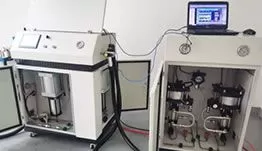
In today's fast-paced business environment, ensuring convenient access to clean drinking water is more than just a basic necessity – it's a strategic investment in workplace wellness and productivity. Commercial water dispensers have evolved from simple water coolers to sophisticated hydration stations that offer numerous benefits for businesses of all sizes. Understanding these advantages can help organizations make informed decisions about their workplace refreshment solutions.
Modern commercial water dispensers incorporate advanced filtration systems, temperature control features, and innovative dispensing mechanisms that make them indispensable assets in any professional setting. From corporate offices to healthcare facilities, these systems are revolutionizing how organizations provide clean, refreshing water to their employees and visitors.
Commercial water dispensers contribute significantly to workplace efficiency by providing instant access to filtered water. Employees no longer need to leave the premises or walk long distances to stay hydrated, resulting in minimal disruption to their work routine. Studies show that proper hydration can improve cognitive performance by up to 14%, making easy access to water a crucial factor in maintaining high productivity levels.
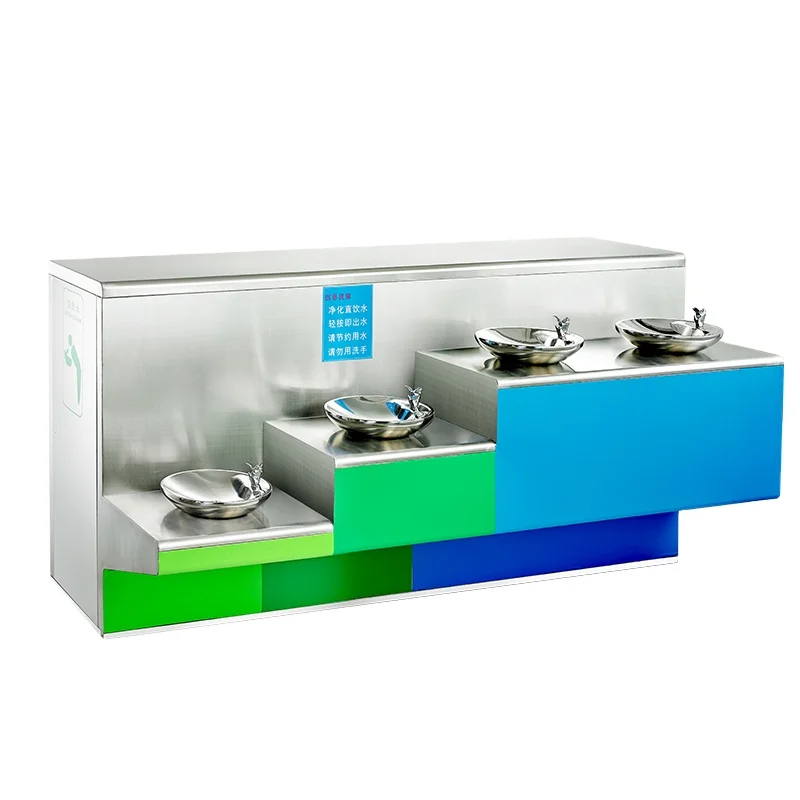
Additionally, modern commercial water dispensers often feature high-flow rates and multiple dispensing points, allowing several users to access water simultaneously. This reduces wait times during peak hours, such as lunch breaks or meeting intervals, ensuring smooth workflow throughout the day.
Installing commercial water dispensers can lead to substantial cost savings compared to traditional bottled water delivery services. Organizations can eliminate recurring expenses associated with purchasing, storing, and managing bottled water inventory. The initial investment in a quality water dispenser typically pays for itself within months through reduced beverage expenses.
From an environmental perspective, commercial water dispensers significantly reduce plastic waste. A single dispenser can eliminate thousands of single-use plastic bottles annually, helping organizations meet their sustainability goals while demonstrating corporate responsibility. Many modern units also incorporate energy-saving features, further reducing operational costs and environmental impact.
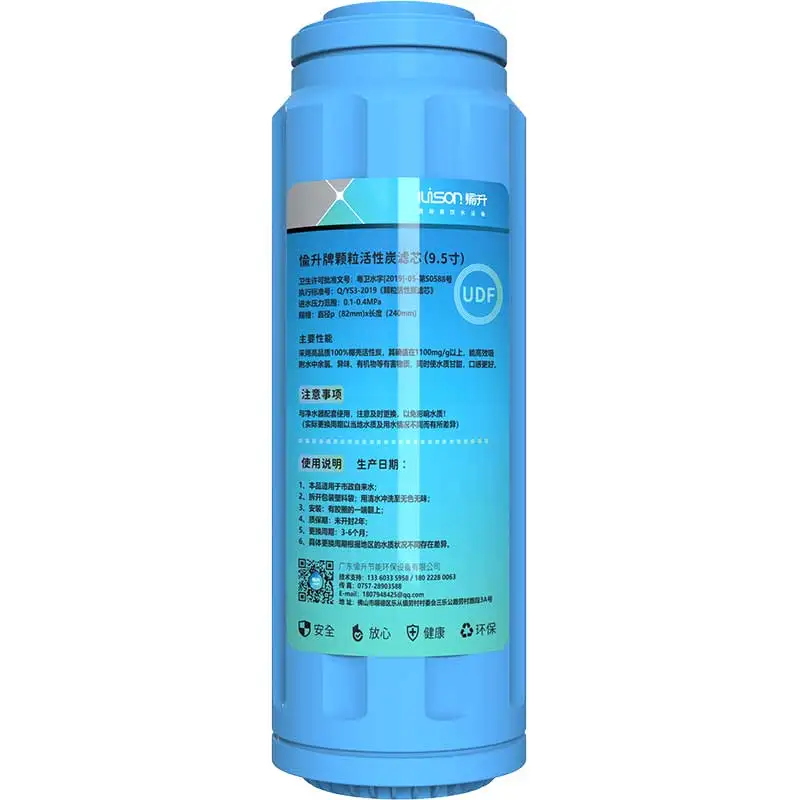
Today's commercial water dispensers come equipped with sophisticated filtration technology that ensures the highest water quality. Multi-stage filtration systems effectively remove contaminants, chlorine, and other impurities while preserving essential minerals. Advanced carbon filters and UV sterilization features provide additional layers of protection against harmful bacteria and microorganisms.
Many premium models include real-time monitoring systems that track filter life and water quality, alerting maintenance staff when service is required. This proactive approach ensures consistent water quality and prevents potential issues before they affect performance.
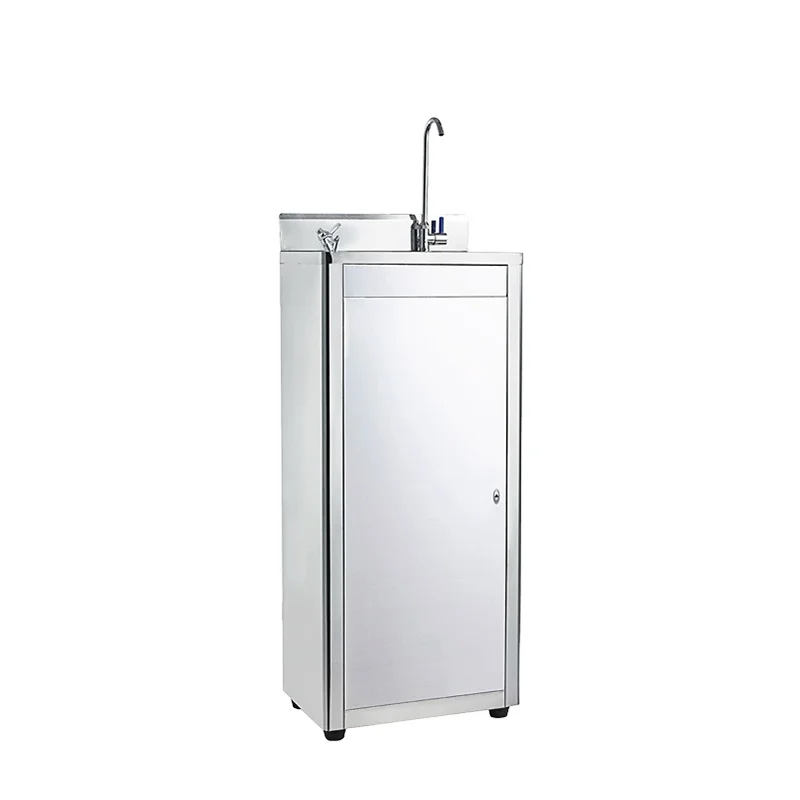
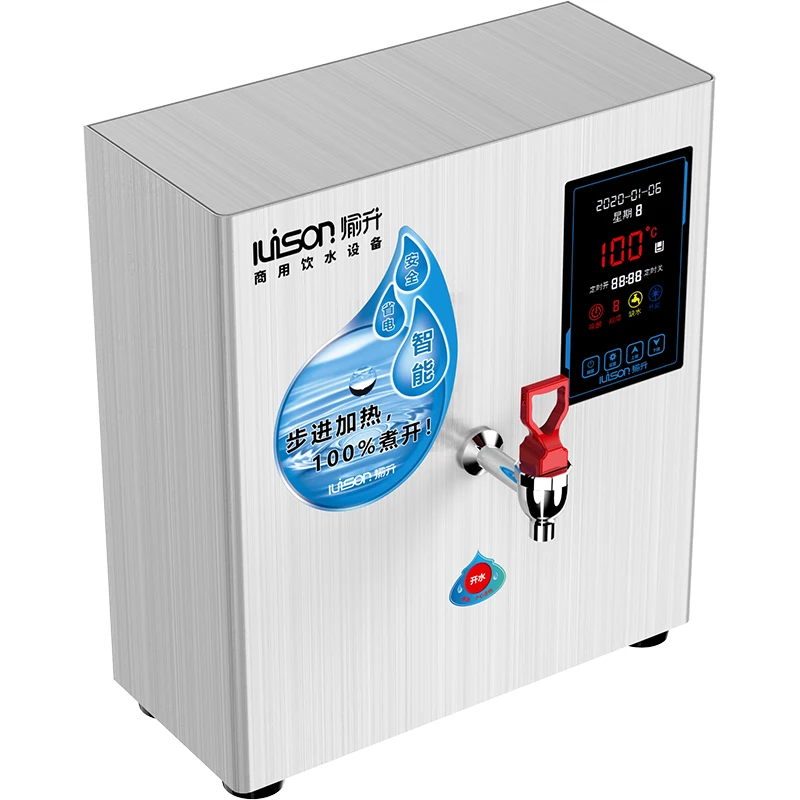
Modern commercial water dispensers offer multiple temperature settings to accommodate diverse preferences. From ice-cold water for refreshment to hot water for tea and coffee, these versatile units can meet various beverage needs throughout the workday. Some advanced models even provide precise temperature control, allowing users to select their preferred drinking temperature.
The ability to dispense both hot and cold water from a single unit eliminates the need for separate appliances, saving valuable space and reducing energy consumption. This convenience is particularly appreciated in break rooms and shared office spaces where different temperature preferences must be accommodated.
In response to increasing hygiene awareness, commercial water dispensers have evolved to incorporate numerous sanitation features. Touchless dispensing options, antimicrobial surface treatments, and self-cleaning functions help maintain a hygienic drinking environment. These features are especially valuable in high-traffic areas where multiple users access the dispenser throughout the day.
Regular maintenance protocols and automated cleaning cycles ensure that water quality remains consistent and safe. Many units also include built-in leak detection and automatic shutoff mechanisms to prevent water damage and maintain workplace safety.
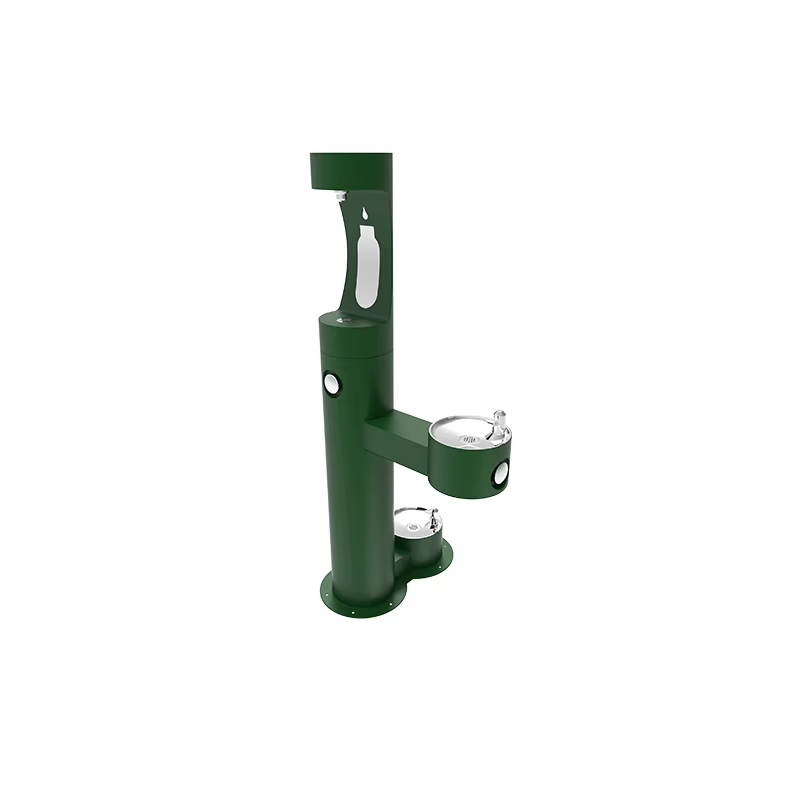
Access to clean, filtered water through commercial water dispensers supports employee wellness initiatives. Proper hydration is linked to improved concentration, better mood, and reduced fatigue. By providing easily accessible, high-quality water, organizations demonstrate their commitment to employee health and well-being.
Some advanced dispensers even include features that track water consumption and provide hydration reminders, helping employees maintain optimal hydration levels throughout the workday. This proactive approach to wellness can contribute to reduced sick days and increased overall workplace satisfaction.
Successful implementation of commercial water dispensers requires careful planning and professional installation. Factors such as water line access, electrical requirements, and space considerations must be evaluated to ensure optimal placement and performance. Professional installers can assess these requirements and recommend the most suitable location and model for specific workplace needs.
Modern units often feature modular designs that simplify installation and future upgrades. This flexibility allows organizations to easily adapt their water dispensing solutions as needs change or technology advances.
Regular maintenance is essential for maintaining the performance and longevity of commercial water dispensers. Reputable suppliers offer comprehensive service plans that include routine filter changes, sanitization, and preventive maintenance. These services ensure continuous operation and minimize potential downtime.
Many suppliers now provide remote monitoring capabilities, allowing them to track dispenser performance and address potential issues proactively. This technology-driven approach to maintenance helps prevent unexpected breakdowns and ensures consistent water quality.
Filter replacement frequency typically depends on usage volume and water quality but generally ranges from 6 to 12 months. Many modern units include monitoring systems that indicate when filter replacement is necessary based on actual usage rather than time intervals.
Regular maintenance includes filter changes, sanitization of dispensing areas, inspection of water lines, and periodic deep cleaning of internal components. Professional service providers typically recommend quarterly maintenance visits to ensure optimal performance and hygiene.
Modern commercial water dispensers are designed with energy efficiency in mind, featuring improved insulation, smart temperature management, and sleep modes during off-hours. Many units are ENERGY STAR certified, helping organizations reduce their environmental impact and operating costs.

IUISON specializes in high-quality SUS commercial drinking water machines, including water coolers, boilers, and outdoor fountains. With 16 years of international trade experience, we provide reliable, customized solutions for businesses, governments, and organizations worldwide.
No. 13, Laocun Industrial Zone, Sanle Road, Lecong Town, Shunde District, Foshan City, Guangdong Province,China.
Copyright © 2026 GUANGDONG IUISON CO.,LTD All Rights Reserved Privacy Policy
 EN
EN
 AR
AR
 HR
HR
 CS
CS
 DA
DA
 NL
NL
 FI
FI
 FR
FR
 DE
DE
 EL
EL
 HI
HI
 IT
IT
 JA
JA
 KO
KO
 PL
PL
 PT
PT
 RO
RO
 RU
RU
 ES
ES
 SV
SV
 TL
TL
 IW
IW
 LT
LT
 SR
SR
 SK
SK
 UK
UK
 VI
VI
 TH
TH
 TR
TR
 FA
FA
 MS
MS
 IS
IS
 HY
HY
 AZ
AZ
 KA
KA
 BN
BN
 KM
KM
 LO
LO
 LA
LA
 MN
MN
 Hot News