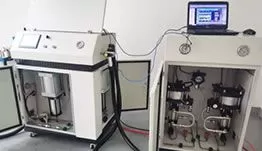
Water conservation has become a critical priority for businesses, educational institutions, and public facilities worldwide. Modern bottle filling stations represent one of the most effective solutions for reducing single-use plastic waste while promoting sustainable hydration practices. These innovative systems combine advanced technology with user-friendly design to deliver clean, filtered water on demand, making them essential infrastructure for any organization committed to environmental responsibility.
Contemporary bottle filling stations deliver remarkable environmental benefits through dramatic plastic waste reduction. Research indicates that a single high-capacity unit can eliminate approximately 50,000 plastic bottles annually in high-traffic environments. This reduction translates to significant decreases in manufacturing emissions, transportation costs, and landfill accumulation. Educational facilities implementing comprehensive bottle filling station networks report plastic bottle waste reductions exceeding 80% within the first year of installation.
The cumulative environmental impact extends beyond immediate waste reduction. Manufacturing plastic bottles requires substantial petroleum resources, with each bottle consuming approximately three times its volume in water during production. By encouraging reusable container usage, these dispensing systems create cascading environmental benefits that compound over time, contributing to broader sustainability objectives.
Advanced bottle filling stations contribute to carbon footprint reduction through multiple pathways. Direct emissions decrease as facilities reduce dependency on bottled water delivery services, eliminating transportation-related carbon output. Additionally, modern units incorporate energy-efficient cooling and filtration technologies that consume significantly less power than traditional refrigerated beverage systems.
Smart sensor technology optimizes energy consumption by activating cooling systems only when needed, while LED indicators provide visual feedback without excessive power draw. These efficiency improvements make bottle filling stations an attractive option for organizations pursuing carbon neutrality goals or green building certifications.
Professional-grade bottle filling stations incorporate sophisticated multi-stage filtration systems that remove contaminants while preserving beneficial minerals. Activated carbon filters eliminate chlorine, volatile organic compounds, and taste-affecting substances, while advanced membrane technologies address bacterial and viral concerns. These comprehensive filtration approaches ensure consistent water quality that often exceeds municipal standards.
Reverse osmosis capabilities in premium units provide additional purification layers, removing dissolved solids and trace pharmaceuticals that conventional filtration might miss. Real-time monitoring systems track filter performance and water quality parameters, alerting maintenance personnel when replacement cycles approach or quality metrics require attention.
Modern bottle filling stations integrate antimicrobial technologies to maintain hygienic dispensing environments. UV sterilization systems eliminate bacteria and viruses at the point of dispensing, while antimicrobial surface treatments on high-touch components reduce contamination risks. These features prove particularly valuable in high-traffic environments where traditional sanitation protocols may prove insufficient.
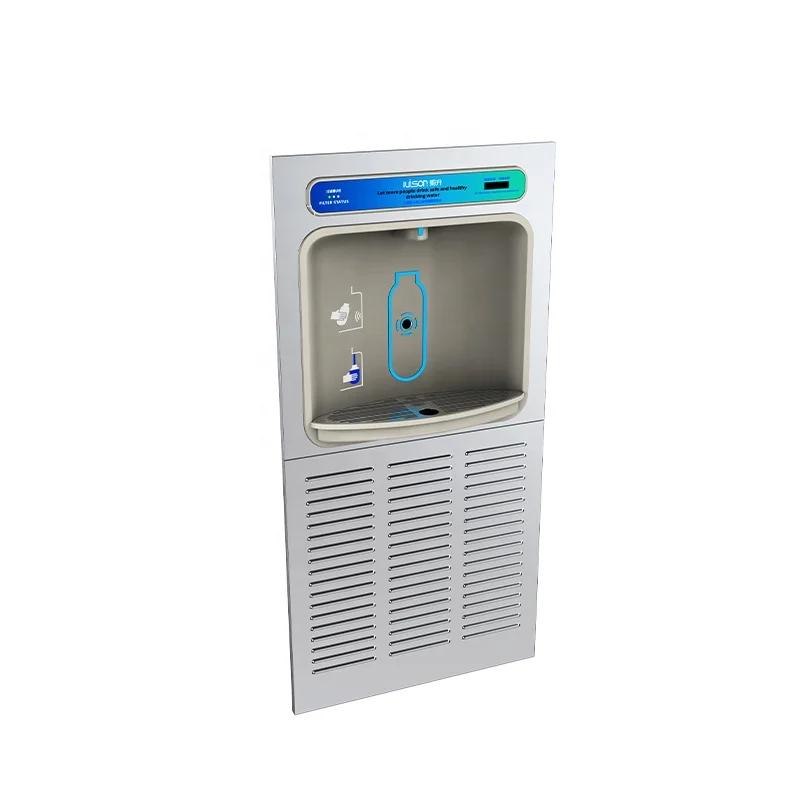
Touchless activation systems minimize direct contact with dispensing mechanisms, reducing pathogen transmission while maintaining user convenience. Advanced models incorporate hands-free bottle detection that automatically initiates filling cycles when containers are positioned correctly, eliminating the need for manual activation entirely.
Optimal bottle filling station placement maximizes conservation benefits while ensuring user accessibility and convenience. High-traffic corridors, cafeteria entrances, and recreational areas typically generate the highest utilization rates, making them prime installation locations. Visibility factors significantly influence adoption rates, with prominently positioned units receiving substantially more usage than those in secondary locations.
Accessibility compliance ensures that all users can benefit from conservation initiatives regardless of physical limitations. ADA-compliant installations require specific height requirements and clearance specifications that must be incorporated into placement planning from the initial design phase.
Successful bottle filling station installations require careful consideration of existing infrastructure capabilities. Electrical requirements vary based on cooling capacity and filtration complexity, with some units requiring dedicated circuits to ensure reliable operation. Water line connections must provide adequate pressure and flow rates to support peak demand periods without compromising performance.
Drainage considerations become critical in installations featuring extensive filtration systems that require periodic backwashing or filter replacement procedures. Planning for maintenance access ensures that routine service activities can be completed efficiently without disrupting facility operations or user access.
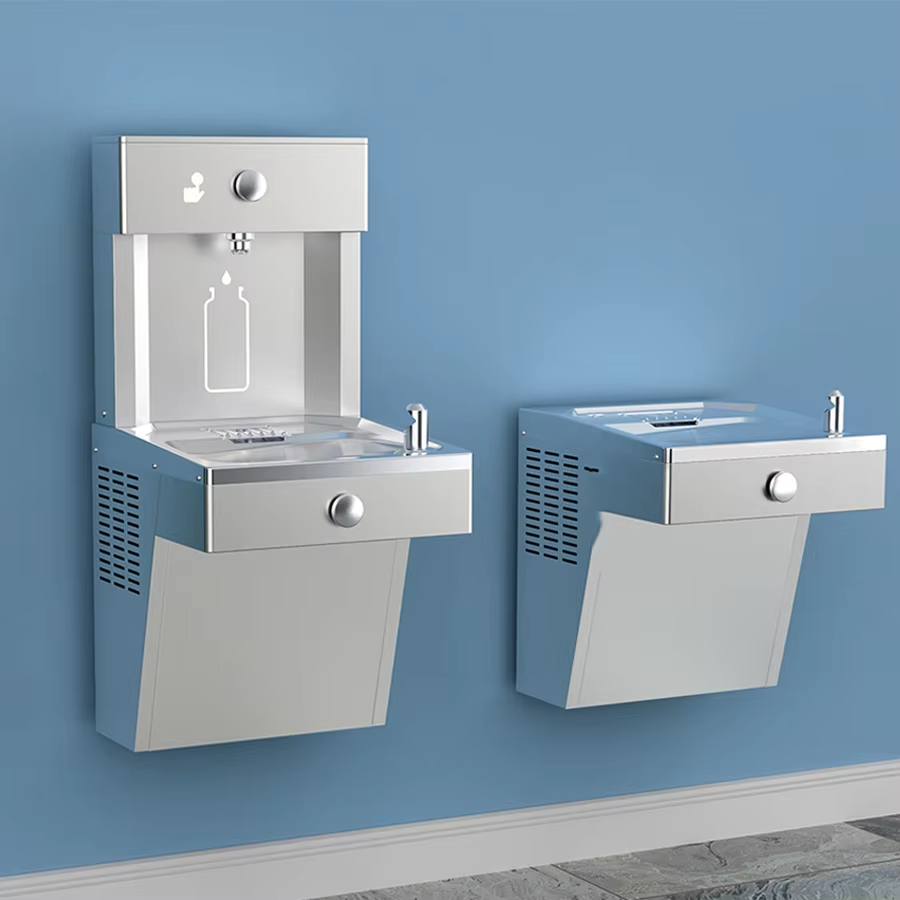
Intuitive interface design directly correlates with user adoption rates and conservation impact. Clear visual indicators guide users through filling procedures while digital displays provide real-time feedback on water quality, temperature, and environmental impact metrics. Bottle counter displays that show plastic bottles saved create positive reinforcement that encourages continued usage.
Ergonomic design considerations accommodate various container sizes and user heights, making the dispensing process comfortable and efficient for all users. Automatic shut-off features prevent overflow while sensor-based activation ensures consistent operation regardless of container type or positioning variations.
Comprehensive education initiatives amplify the conservation impact of bottle filling station installations. Informational signage highlighting environmental benefits, cost savings, and health advantages helps users understand the broader implications of their choices. Digital displays showcasing real-time conservation metrics create tangible connections between individual actions and collective environmental impact.
Integration with existing sustainability programs reinforces organizational commitment to environmental responsibility while providing concrete examples of conservation in action. Regular communication about conservation achievements maintains momentum and encourages continued participation in water conservation initiatives.
Systematic preventive maintenance ensures that bottle filling stations continue delivering optimal conservation benefits throughout their operational lifespan. Regular filter replacements maintain water quality standards while preventing system degradation that could compromise user satisfaction. Scheduled cleaning procedures for dispensing components maintain hygienic conditions and prevent bacterial growth that could affect water taste or safety.
Calibration checks for sensors and flow controls ensure accurate operation and consistent user experiences. Documentation of maintenance activities provides valuable data for optimizing replacement schedules and identifying potential improvement opportunities for future installations.
Advanced bottle filling stations provide comprehensive usage data that supports conservation program optimization and expansion planning. Utilization patterns reveal peak usage periods, seasonal variations, and user preferences that inform maintenance scheduling and capacity planning decisions. This data proves valuable for demonstrating return on investment and justifying additional conservation initiatives.
Remote monitoring capabilities enable proactive maintenance scheduling and rapid response to operational issues. Real-time alerts for filter replacement needs, mechanical problems, or unusual usage patterns help maintain consistent performance while minimizing downtime that could impact conservation objectives.
While bottle filling stations represent significant upfront investments, their long-term benefits typically justify initial costs within 18-24 months of installation. Premium units with advanced filtration and cooling capabilities command higher prices but deliver superior user experiences that drive higher adoption rates and greater conservation impact.
Installation costs vary based on infrastructure requirements and accessibility modifications needed to support new equipment. Facilities with existing water lines and electrical capacity near optimal placement locations realize lower installation costs and faster return on investment timelines.
Operational savings from reduced bottled water purchases often exceed maintenance and utility costs within the first year of operation. Large facilities eliminating weekly bottled water deliveries can redirect substantial budget allocations toward other sustainability initiatives or operational improvements.
Environmental benefits provide additional value that extends beyond direct cost savings. Green building certification points, corporate sustainability reporting advantages, and positive community relations contribute to long-term organizational value that justifies investment in advanced bottle filling station technology.
Bottle filling stations typically save 30-50% more water than traditional fountains due to their efficient dispensing mechanisms and user behavior patterns. The precise fill control and automatic shut-off features eliminate waste from continuous flow during use, while the convenience factor encourages users to fill larger containers less frequently rather than taking multiple small drinks throughout the day.
Most bottle filling stations require filter replacement every 6-12 months depending on usage volume and local water quality conditions. Carbon filters typically need replacement more frequently than membrane filters, and units with usage counters provide automatic alerts when replacement cycles approach. Regular sanitization of dispensing components should occur monthly to maintain hygienic conditions.
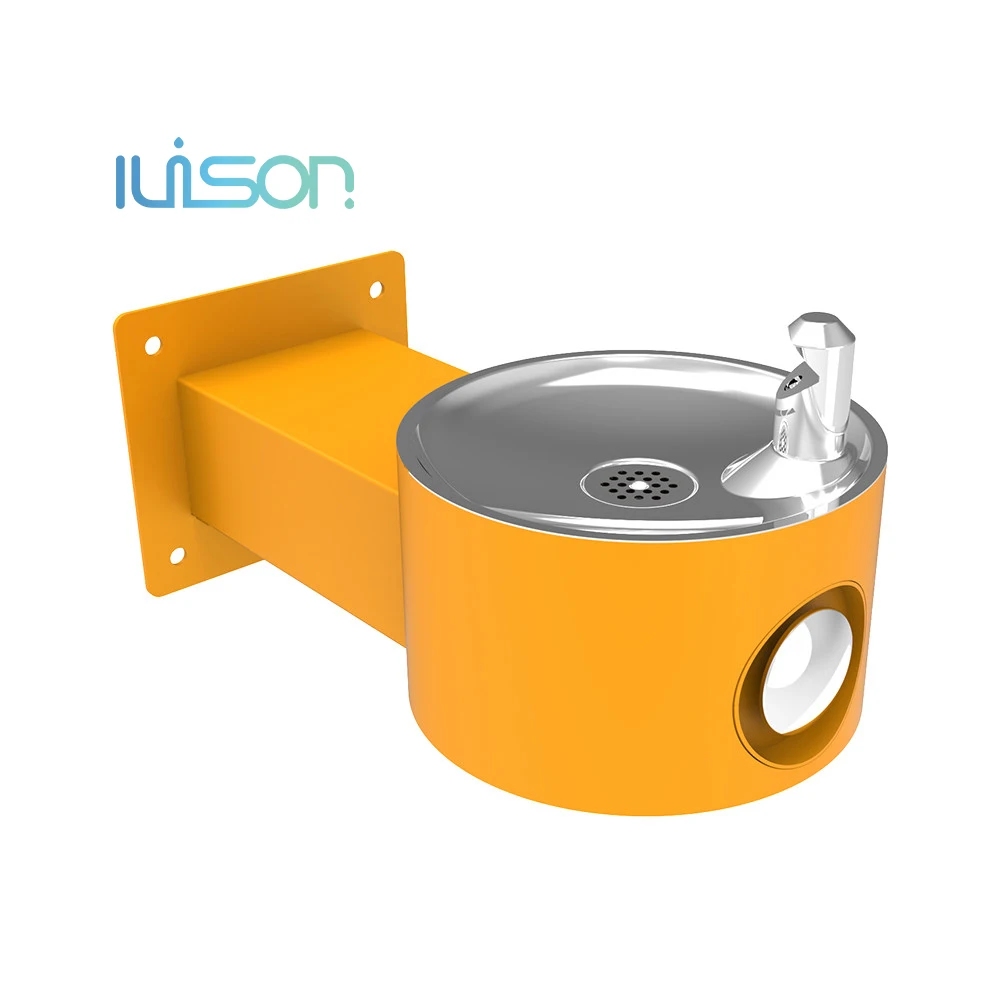
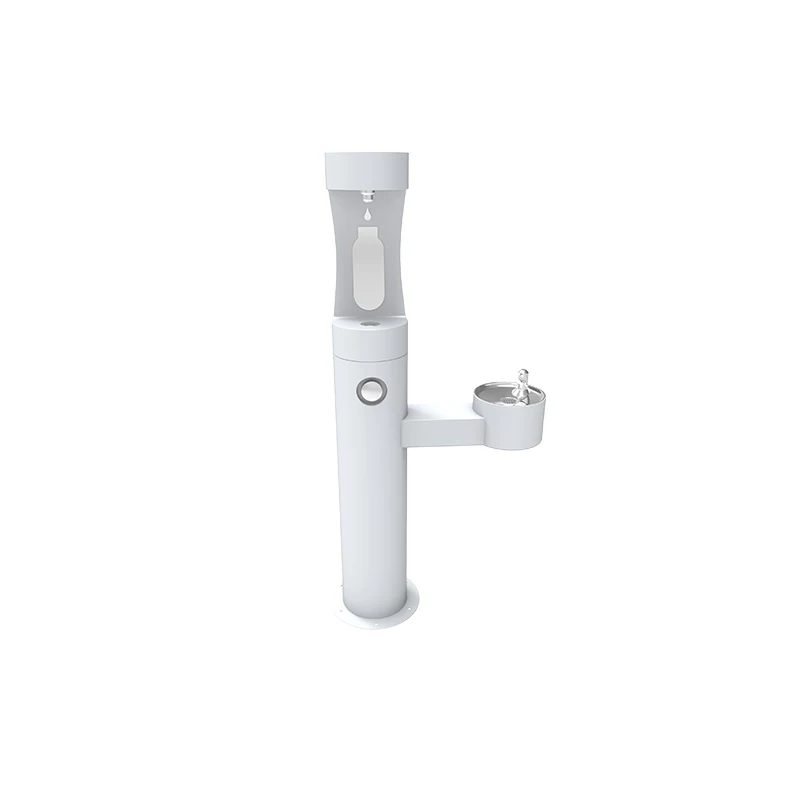
Specialized outdoor bottle filling stations are designed to withstand weather exposure while maintaining consistent performance throughout seasonal temperature variations. These units feature enhanced weatherproofing, freeze-protection systems, and UV-resistant materials that ensure reliable operation in challenging environmental conditions. Installation requires proper drainage and electrical protection to prevent weather-related damage.
Capacity selection depends on peak usage periods rather than average daily volume, with high-traffic facilities requiring units capable of serving 150-200 users per hour during busy periods. Schools and office buildings typically need standard-capacity units, while recreational facilities and transportation hubs benefit from high-capacity models with enhanced cooling capabilities to meet sustained demand periods.

IUISON specializes in high-quality SUS commercial drinking water machines, including water coolers, boilers, and outdoor fountains. With 16 years of international trade experience, we provide reliable, customized solutions for businesses, governments, and organizations worldwide.
No. 13, Laocun Industrial Zone, Sanle Road, Lecong Town, Shunde District, Foshan City, Guangdong Province,China.
Copyright © 2026 GUANGDONG IUISON CO.,LTD All Rights Reserved Privacy Policy
 EN
EN
 AR
AR
 HR
HR
 CS
CS
 DA
DA
 NL
NL
 FI
FI
 FR
FR
 DE
DE
 EL
EL
 HI
HI
 IT
IT
 JA
JA
 KO
KO
 PL
PL
 PT
PT
 RO
RO
 RU
RU
 ES
ES
 SV
SV
 TL
TL
 IW
IW
 LT
LT
 SR
SR
 SK
SK
 UK
UK
 VI
VI
 TH
TH
 TR
TR
 FA
FA
 MS
MS
 IS
IS
 HY
HY
 AZ
AZ
 KA
KA
 BN
BN
 KM
KM
 LO
LO
 LA
LA
 MN
MN
 Hot News