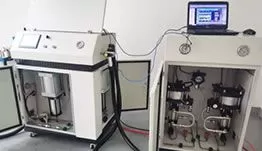
Commercial establishments face unique challenges when selecting appropriate water treatment solutions for their operations. From restaurants and hotels to manufacturing facilities and office buildings, the demand for clean, safe water is paramount to business success. Understanding which filtration methods work best for commercial applications requires careful consideration of water quality requirements, capacity needs, maintenance demands, and long-term operational costs. The right commercial water filtration system can significantly impact product quality, equipment longevity, regulatory compliance, and overall business efficiency.
Commercial facilities typically require substantially higher water flow rates and daily volumes compared to residential applications. A busy restaurant might need thousands of gallons per day, while a manufacturing plant could require tens of thousands. The filtration system must handle peak demand periods without compromising water quality or pressure. Flow rate capacity directly affects the size and type of filtration equipment needed, influencing both initial investment and ongoing operational costs.
Peak usage analysis becomes crucial for sizing commercial systems appropriately. Morning rush periods in office buildings, lunch hours in restaurants, or shift changes in industrial facilities create demand spikes that systems must accommodate. Undersized systems lead to pressure drops, reduced filtration effectiveness, and potential equipment damage. Professional assessment of usage patterns ensures optimal system design and performance consistency throughout operational periods.
Commercial operations must comply with various water quality regulations depending on their industry and location. Food service establishments face strict health department requirements, while healthcare facilities must meet pharmaceutical-grade standards. Manufacturing processes often require specific water purity levels to ensure product quality and equipment protection. Understanding these regulatory frameworks guides filtration method selection and system design parameters.
Regular testing and monitoring requirements add another layer of complexity to commercial water treatment. Many jurisdictions mandate periodic water quality testing, documentation, and reporting. The chosen filtration system must consistently deliver compliant water quality while providing necessary monitoring capabilities. Automated monitoring systems and data logging features become valuable investments for maintaining regulatory compliance and operational transparency.
Reverse osmosis represents one of the most comprehensive filtration technologies available for commercial use. This process forces water through semi-permeable membranes, removing dissolved solids, chemicals, bacteria, and viruses with exceptional efficiency. Commercial RO systems can achieve removal rates exceeding 95% for most contaminants, making them ideal for applications requiring high-purity water. The technology proves particularly valuable in food service, healthcare, and manufacturing environments where water quality directly impacts product safety and quality.
Large-capacity commercial RO systems offer scalable solutions for varying demand levels. Modern systems incorporate multiple membrane housings, booster pumps, and automated controls to maintain consistent performance under fluctuating load conditions. Energy recovery devices and high-efficiency pumps reduce operational costs while maintaining optimal production rates. Advanced monitoring systems provide real-time performance data, enabling proactive maintenance and ensuring continuous operation.
Commercial RO installations require careful planning regarding space allocation, utility connections, and drainage systems. These systems typically need dedicated mechanical rooms or designated areas with adequate ventilation, electrical supply, and floor drainage. Professional installation ensures proper system commissioning, performance optimization, and compliance with local codes. The complexity of commercial RO systems necessitates trained technicians for both installation and ongoing maintenance activities.
Maintenance programs for commercial RO systems focus on membrane replacement schedules, pre-filter changes, and system sanitization procedures. Regular maintenance prevents costly downtime and ensures consistent water quality. Many commercial operators establish service contracts with qualified providers to ensure timely maintenance and emergency support. Proper maintenance scheduling based on water usage and quality conditions maximizes membrane life and system efficiency while minimizing operational disruptions.
The first stage of most commercial filtration systems addresses sediment, rust, sand, and other particulate matter that can damage downstream equipment and affect water clarity. Large-capacity sediment filters use pleated, wound, or backwashable media to capture particles while maintaining high flow rates. These filters protect expensive downstream components like UV sterilizers, membranes, and precision equipment from premature wear and fouling.
Automated backwashing sediment filters offer significant advantages for commercial applications by reducing maintenance requirements and ensuring consistent performance. These systems periodically reverse flow direction to flush captured contaminants to drain, extending filter life and maintaining optimal flow rates. The automation reduces labor costs and ensures continuous operation without manual intervention, making them ideal for busy commercial environments where uninterrupted water supply is critical.
Commercial water often contains chlorine, chloramines, volatile organic compounds, and other chemicals that affect taste, odor, and equipment performance. Activated carbon filtration effectively removes these contaminants while providing high flow rates suitable for commercial demands. Large-capacity carbon filters use granular or block carbon media with extended contact time to ensure thorough contaminant removal without restricting water flow.
Advanced oxidation processes and specialized media address specific commercial water challenges. Catalytic carbon removes chloramines more effectively than standard carbon, while specialty media targets specific contaminants like lead, mercury, or particular industrial chemicals. The selection of appropriate media depends on detailed water analysis and specific application requirements. Multi-media approaches often provide the most comprehensive contaminant removal for complex commercial water treatment needs.
UV sterilization provides chemical-free disinfection that effectively eliminates bacteria, viruses, and other microorganisms without altering water taste or adding byproducts. Commercial UV systems utilize high-output lamps housed in stainless steel chambers designed for continuous operation under varying flow conditions. The technology proves particularly valuable for applications where chemical disinfection is undesirable or prohibited, such as food preparation or pharmaceutical manufacturing.
Commercial UV systems incorporate sophisticated monitoring and control features to ensure consistent disinfection effectiveness. UV intensity sensors continuously monitor lamp output, while flow sensors ensure adequate contact time for complete sterilization. Automated lamp replacement indicators and system alarms provide operational security and maintenance scheduling guidance. Advanced systems include redundant lamps and automatic cleaning mechanisms to maintain peak performance in demanding commercial environments.
UV sterilization works most effectively when integrated as the final stage of a comprehensive filtration system. Pre-filtration removes particles and dissolved organics that can shield microorganisms from UV exposure or reduce lamp efficiency. The combination of filtration and UV treatment provides comprehensive water treatment addressing both chemical and biological contaminants. This integrated approach ensures consistent water quality while maximizing system efficiency and reliability.
Proper sizing and installation of commercial UV systems requires consideration of peak flow rates, water temperature variations, and maintenance accessibility. Systems must handle maximum demand without compromising disinfection effectiveness while providing easy access for lamp replacement and cleaning. Professional design and installation ensure optimal performance and regulatory compliance while minimizing operational complexity and maintenance requirements.
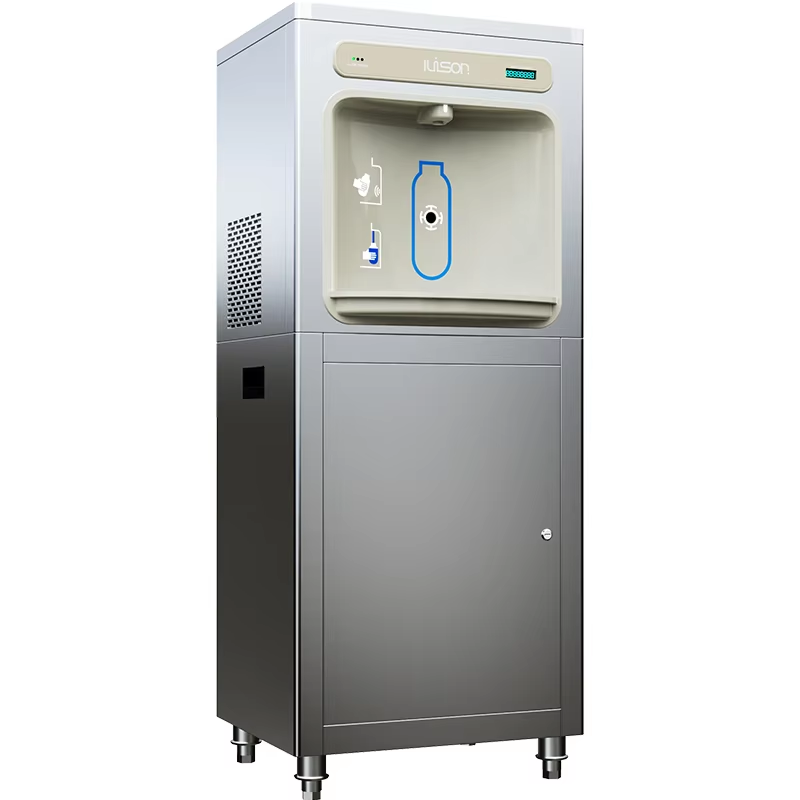
Food service establishments have unique water quality needs that directly impact food safety, taste, and equipment performance. Ice machines, coffee equipment, steam tables, and dishwashers all benefit from filtered water that reduces mineral buildup and improves operational efficiency. Commercial water filtration systems for restaurants typically combine sediment removal, carbon filtration, and scale prevention to address these diverse requirements comprehensively.
Scale prevention becomes particularly important in commercial kitchens where expensive equipment like combi ovens, steamers, and espresso machines suffer significant damage from mineral buildup. Water softening or scale inhibition systems protect these investments while improving food quality and reducing maintenance costs. The integration of filtration and scale prevention creates comprehensive water treatment solutions that address all aspects of commercial food service water needs.
Healthcare facilities require exceptionally pure water for various applications including patient care, equipment sterilization, and pharmaceutical preparation. These environments often mandate specific water quality standards that exceed typical commercial requirements. Multi-stage filtration systems incorporating RO, UV sterilization, and specialized media ensure compliance with healthcare regulations while providing the purity levels necessary for critical applications.
Laboratory water systems must remove virtually all contaminants that could interfere with analytical procedures or research activities. Type I, II, and III laboratory water standards define specific purity levels for different applications. Commercial laboratory water systems typically utilize multiple treatment technologies including RO, deionization, UV sterilization, and ultrafiltration to achieve these stringent requirements. Regular monitoring and documentation ensure consistent compliance with laboratory standards and regulatory requirements.
Commercial filtration systems represent significant capital investments that require careful financial analysis. Initial costs include equipment purchase, installation, electrical work, plumbing modifications, and system commissioning. The complexity and capacity of commercial systems typically result in higher upfront costs compared to residential applications. However, the scale of commercial operations often justifies these investments through improved efficiency, reduced maintenance costs, and enhanced product quality.
Financing options and incentive programs can help offset initial investment costs for commercial water treatment systems. Many utilities offer rebates for water-efficient equipment, while financing programs spread costs over extended periods. The total cost of ownership analysis should include installation, training, initial consumables, and warranty coverage to provide accurate investment projections. Professional consultation helps identify the most cost-effective solutions for specific commercial applications and usage patterns.
Well-designed commercial filtration systems generate substantial operational savings through reduced equipment maintenance, extended appliance life, and improved energy efficiency. Scale prevention alone can reduce heating costs by 15-20% while extending the life of water heaters, boilers, and steam equipment. Reduced chemical usage for cleaning and sanitization provides additional cost savings while improving workplace safety and environmental compliance.
Labor cost reductions represent another significant benefit of commercial filtration systems. Automated systems reduce manual water testing, equipment cleaning, and maintenance activities. Improved water quality reduces equipment downtime and repair costs while increasing productivity. The cumulative effect of these operational improvements often provides return on investment within 2-3 years for typical commercial applications, making filtration systems financially attractive long-term investments.
The size of your commercial water filtration system depends on your peak flow rate requirements, daily water usage, and specific application needs. A typical restaurant might need a system handling 20-50 gallons per minute, while a manufacturing facility could require 100+ GPM capacity. Professional water treatment companies can perform detailed usage analysis and recommend appropriately sized systems. Consider future growth plans and peak demand periods when sizing your system to ensure adequate capacity during high-usage times.
Commercial water filter replacement schedules vary based on water quality, usage volume, and filter type. Sediment filters typically need replacement every 3-6 months, carbon filters every 6-12 months, and RO membranes every 2-3 years. High-usage applications may require more frequent changes. Automated monitoring systems can track filter performance and indicate when replacement is needed. Establishing a preventive maintenance schedule with a qualified service provider ensures optimal system performance and prevents costly emergency situations.
No single filtration technology removes all possible water contaminants, which is why commercial systems typically use multiple treatment stages. Reverse osmosis removes dissolved solids and most chemicals, carbon filtration eliminates chlorine and organic compounds, and UV sterilization destroys microorganisms. A comprehensive water analysis identifies specific contaminants in your supply, allowing for customized treatment solutions. Professional system design ensures all relevant contaminants are addressed through appropriate technology combinations.
Commercial water treatment systems require regular filter replacements, membrane cleaning or replacement, UV lamp changes, and system sanitization. Daily monitoring of system pressure, flow rates, and water quality indicators helps identify potential issues early. Many commercial operators establish service contracts with qualified technicians who perform scheduled maintenance, emergency repairs, and system optimization. Proper maintenance records are essential for warranty compliance and regulatory requirements. Automated monitoring systems can reduce manual maintenance tasks while providing early warning of potential problems.

IUISON specializes in high-quality SUS commercial drinking water machines, including water coolers, boilers, and outdoor fountains. With 16 years of international trade experience, we provide reliable, customized solutions for businesses, governments, and organizations worldwide.
No. 13, Laocun Industrial Zone, Sanle Road, Lecong Town, Shunde District, Foshan City, Guangdong Province,China.
Copyright © 2026 GUANGDONG IUISON CO.,LTD All Rights Reserved Privacy Policy
 EN
EN
 AR
AR
 HR
HR
 CS
CS
 DA
DA
 NL
NL
 FI
FI
 FR
FR
 DE
DE
 EL
EL
 HI
HI
 IT
IT
 JA
JA
 KO
KO
 PL
PL
 PT
PT
 RO
RO
 RU
RU
 ES
ES
 SV
SV
 TL
TL
 IW
IW
 LT
LT
 SR
SR
 SK
SK
 UK
UK
 VI
VI
 TH
TH
 TR
TR
 FA
FA
 MS
MS
 IS
IS
 HY
HY
 AZ
AZ
 KA
KA
 BN
BN
 KM
KM
 LO
LO
 LA
LA
 MN
MN
 Hot News