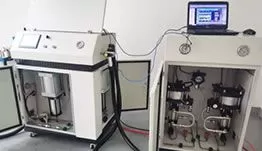
Maintaining a stainless steel water cooler properly is essential for ensuring long-term functionality, hygiene, and cost-effectiveness in commercial and residential settings. These robust appliances require specific care protocols to preserve their sleek appearance, prevent contamination, and extend their operational lifespan. Understanding the fundamental maintenance principles will help you maximize your investment while providing safe, clean drinking water for years to come. Professional maintenance practices not only protect the equipment but also safeguard the health of users by preventing bacterial growth and mineral buildup that can compromise water quality.
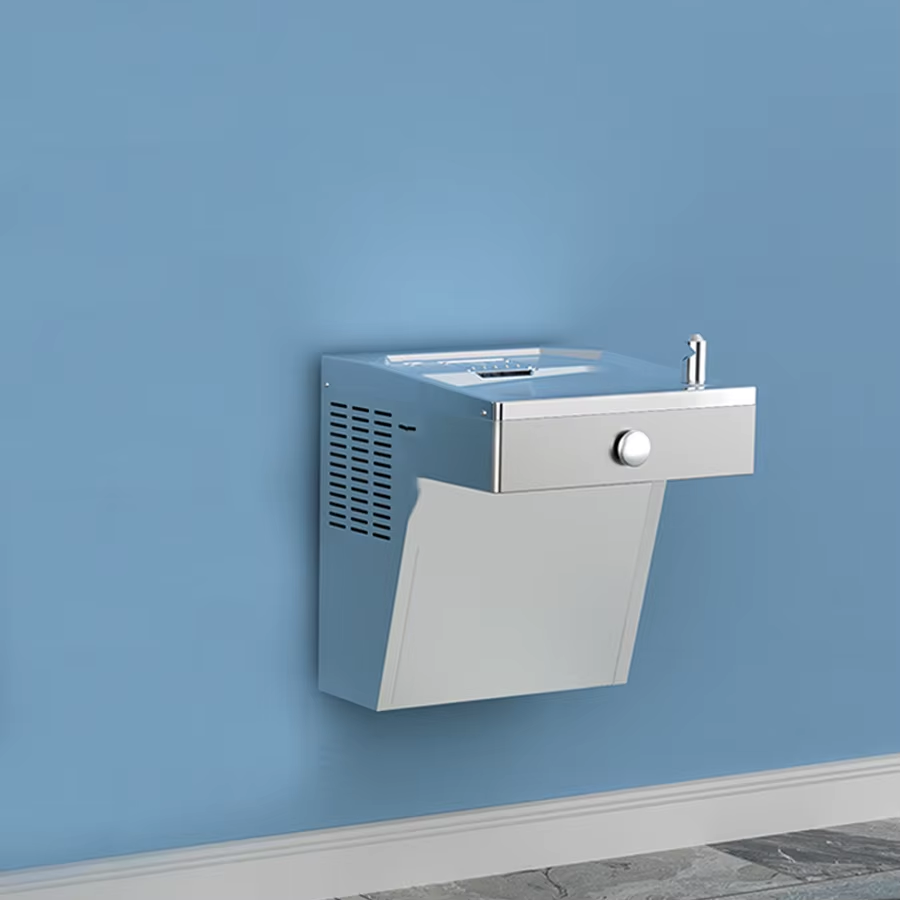
Daily cleaning of the external surfaces is crucial for maintaining the professional appearance and hygiene standards of your stainless steel water cooler. Use a microfiber cloth dampened with warm water and mild soap solution to wipe down all exterior surfaces, paying special attention to high-touch areas like dispensing levers, buttons, and handles. Avoid using abrasive cleaners, steel wool, or harsh chemicals that can scratch or damage the stainless steel finish. Always clean in the direction of the grain to maintain the material's natural luster and prevent water spots from forming on the surface.
The dispensing area requires particular attention as it comes into direct contact with cups and bottles. Clean the spout and drip tray thoroughly after each use to prevent bacterial accumulation and mineral deposits. Remove any water residue immediately to prevent staining and ensure the dispensing mechanism operates smoothly. Regular attention to these details prevents the buildup of grime and maintains the sanitary conditions necessary for safe water consumption.
Interior maintenance involves careful attention to water reservoirs, filters, and internal plumbing components. Empty and rinse the cold and hot water tanks weekly to remove sediment and prevent stagnation. Use food-grade sanitizing solutions specifically designed for water coolers to disinfect internal surfaces without leaving harmful residues. Always follow manufacturer guidelines for sanitization frequency and approved cleaning products to avoid voiding warranty coverage.
The internal components of a stainless steel water cooler require systematic cleaning to maintain optimal performance. Check and clean the internal tubes and connections monthly to ensure proper water flow and temperature regulation. Remove any mineral deposits using appropriate descaling solutions and rinse thoroughly before returning the unit to service.
Modern stainless steel water coolers incorporate multiple filtration stages to ensure water purity and taste quality. Carbon filters remove chlorine, odors, and chemical contaminants, while sediment filters capture particles and debris. Understanding each filter's specific function helps establish appropriate replacement intervals based on water quality and usage volume. Keep detailed records of filter installation dates and monitor performance indicators to optimize replacement timing.
Pre-filters typically require replacement every 3-6 months depending on water quality and consumption rates. Post-filters may last 6-12 months under normal operating conditions. Monitor water flow rate and taste quality as indicators of filter performance degradation. Reduced flow or off-taste signals the need for immediate filter inspection and potential replacement to maintain water quality standards.
Proper filter replacement requires following specific safety protocols to prevent contamination and ensure system integrity. Always disconnect power and water supply before beginning maintenance procedures. Wear clean gloves and use sanitized tools to handle new filters and internal components. Follow the manufacturer's step-by-step instructions for filter removal and installation to prevent damage to sealing components or internal plumbing.
After filter replacement, run the system through a complete purge cycle to remove any air bubbles and ensure proper water flow. Test water quality using appropriate testing strips or professional analysis to verify filtration effectiveness. Document all maintenance activities including filter model numbers, installation dates, and performance test results for future reference and warranty compliance.
Temperature control systems in stainless steel water coolers require periodic calibration to maintain optimal hot and cold water temperatures. Check temperature settings monthly using accurate thermometers to ensure compliance with safety standards and user preferences. Hot water temperatures should typically range between 185-200°F for safety and effectiveness, while cold water should maintain temperatures between 38-50°F for refreshing consumption.
Thermostat drift can occur over time due to electrical component aging or environmental factors. Recalibrate temperature controls according to manufacturer specifications using appropriate tools and procedures. Address any temperature inconsistencies immediately to prevent energy waste and ensure user satisfaction. Professional service may be required for complex calibration procedures or component replacement.
Heating elements require regular inspection for mineral buildup, corrosion, or electrical issues that can affect performance and safety. Descale heating elements quarterly using approved descaling solutions to remove calcium and lime deposits. Inspect electrical connections for signs of corrosion, loose contacts, or overheating that could indicate pending failure or safety hazards.
Cooling system maintenance involves checking refrigerant levels, cleaning condenser coils, and ensuring proper ventilation around cooling components. Remove dust and debris from condenser coils monthly to maintain efficient heat transfer and prevent system overwork. Monitor cooling performance and energy consumption patterns to identify potential issues before they result in system failure or excessive energy costs.
Establish a comprehensive monthly inspection routine to identify potential issues before they become costly repairs. Check all external connections for leaks, corrosion, or loose fittings that could affect system performance or safety. Inspect electrical cords and plugs for damage, fraying, or overheating that could pose safety risks. Document findings in a maintenance log to track patterns and schedule appropriate corrective actions.
Internal inspections should focus on water quality indicators, flow rates, and temperature consistency. Test water samples for clarity, taste, and bacterial contamination using appropriate testing methods. Monitor energy consumption patterns to identify efficiency changes that might indicate mechanical issues or needed maintenance. Address any abnormal readings immediately to prevent system damage or water quality compromise.
Professional annual service ensures comprehensive system evaluation and maintenance beyond routine user care. Qualified technicians can perform detailed electrical testing, refrigerant system analysis, and internal component inspection using specialized tools and expertise. Annual service often includes complete system sanitization, component replacement, and performance optimization that extends equipment life and maintains warranty coverage.
Professional service appointments should include comprehensive documentation of system condition, performance metrics, and recommended improvements or replacements. Use these reports to plan future maintenance budgets and identify potential upgrade opportunities. Maintain service records for warranty claims and regulatory compliance in commercial applications where health department inspections may be required.
Water quality issues often stem from filter saturation, contamination, or system component degradation. Cloudy or discolored water typically indicates filter replacement needs or internal contamination requiring immediate attention. Off-taste or odor problems suggest bacterial growth, chemical contamination, or filter breakdown that requires thorough system sanitization and component evaluation.
Low water flow rates may result from clogged filters, mineral buildup in internal plumbing, or pump malfunction. Systematic troubleshooting involves checking each component in sequence to identify the root cause. Begin with filter inspection and replacement, followed by internal cleaning procedures before considering mechanical component failure that may require professional service.
Temperature control problems can significantly impact user satisfaction and system efficiency. Inadequate heating may result from thermostat malfunction, heating element failure, or electrical supply issues. Insufficient cooling often indicates refrigerant problems, compressor malfunction, or blocked ventilation that prevents proper heat dissipation from cooling components.
Diagnostic procedures should follow systematic approaches starting with simple checks of power supply, thermostat settings, and ventilation clearance. More complex issues involving refrigerant systems or electrical components require professional diagnosis and repair to ensure safety and proper function. Never attempt repairs on pressurized refrigerant systems without proper training and certification.
Daily external cleaning and weekly internal sanitization are recommended for optimal hygiene and performance. High-use commercial environments may require more frequent cleaning, while residential units can often extend cleaning intervals. Always follow manufacturer guidelines and local health regulations for specific cleaning requirements in your application.
Use mild soap solutions, food-grade sanitizers, and specialized stainless steel cleaners designed for food service equipment. Avoid abrasive cleaners, chlorine bleach, or acidic solutions that can damage surfaces or leave harmful residues. Always rinse thoroughly after cleaning and allow complete drying before returning to service.
Filter replacement intervals depend on water quality, usage volume, and filter type. Generally, replace pre-filters every 3-6 months and post-filters every 6-12 months. Monitor water flow rate and taste quality as performance indicators, and replace filters immediately if you notice decreased performance or water quality issues.
Unusual noises may indicate loose components, pump problems, or refrigeration system issues. Check for loose panels, ensure proper ventilation, and verify level installation. Persistent or loud noises require professional evaluation to prevent damage and ensure safe operation. Never ignore unusual sounds as they often indicate developing problems that can worsen without attention.

IUISON specializes in high-quality SUS commercial drinking water machines, including water coolers, boilers, and outdoor fountains. With 16 years of international trade experience, we provide reliable, customized solutions for businesses, governments, and organizations worldwide.
No. 13, Laocun Industrial Zone, Sanle Road, Lecong Town, Shunde District, Foshan City, Guangdong Province,China.
Copyright © 2026 GUANGDONG IUISON CO.,LTD All Rights Reserved Privacy Policy
 EN
EN
 AR
AR
 HR
HR
 CS
CS
 DA
DA
 NL
NL
 FI
FI
 FR
FR
 DE
DE
 EL
EL
 HI
HI
 IT
IT
 JA
JA
 KO
KO
 PL
PL
 PT
PT
 RO
RO
 RU
RU
 ES
ES
 SV
SV
 TL
TL
 IW
IW
 LT
LT
 SR
SR
 SK
SK
 UK
UK
 VI
VI
 TH
TH
 TR
TR
 FA
FA
 MS
MS
 IS
IS
 HY
HY
 AZ
AZ
 KA
KA
 BN
BN
 KM
KM
 LO
LO
 LA
LA
 MN
MN
 Hot News