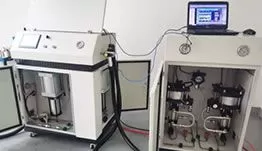
The surfaces people touch most in office buildings and manufacturing plants basically become roadways for dangerous germs to spread around. Studies have found that things we grab all day long like the button on water coolers, doorknobs, and equipment shared between coworkers get covered in E. coli, norovirus, and flu viruses just a few hours after someone touches them. We humans tend to rub our eyes, nose, and mouth roughly 16 times every single hour according to some research, which means those microbes find easy entry points into our bodies. Shared work areas are particularly bad because so many different people handle the exact same machines throughout the day. What's really concerning is that even if workers wash their hands properly, infection rates only drop by about 20 to 30 percent if these high traffic surfaces stay dirty. Water dispensers that require touching screens or buttons end up being major hotspots for spreading illnesses this way.
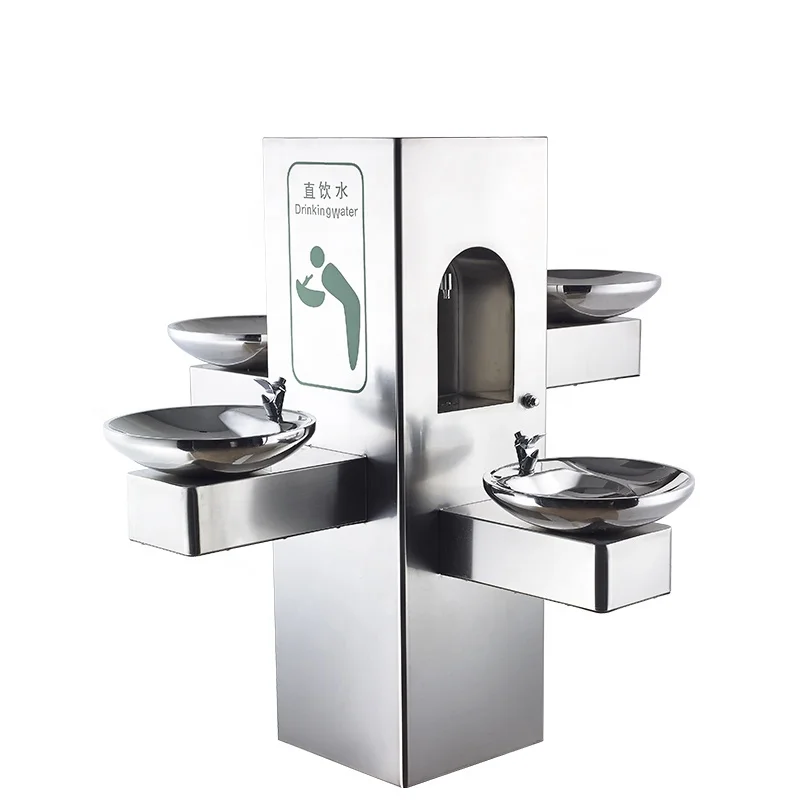
Touchless water dispensers work without needing anyone to actually touch anything, thanks to infrared sensors that pick up movement. Most models sense someone standing about a foot away from them, maybe even a bit further out. When hands wave in front of those invisible light beams, internal valves kick on and water starts flowing right away. No touching buttons or handles needed at all. What makes these dispensers so good? Well for starters, there's absolutely no contact between users and surfaces which cuts down on germs spreading from dirty buttons and levers. They also adjust their sensitivity levels automatically so they don't accidentally turn on when nobody wants water. Plus manufacturers build them with materials that stand up to constant cleaning without rusting or wearing down over time. The electronic parts inside are protected too, rated against splashes and moisture according to industry standards. Labs certified by NSF have tested these systems extensively and found they stop bacteria transfer anywhere from 85% to almost completely 99% better than regular faucets. Companies that switched to touchless systems noticed something interesting too: workers took about 38% fewer sick days because of water related illnesses after installation.
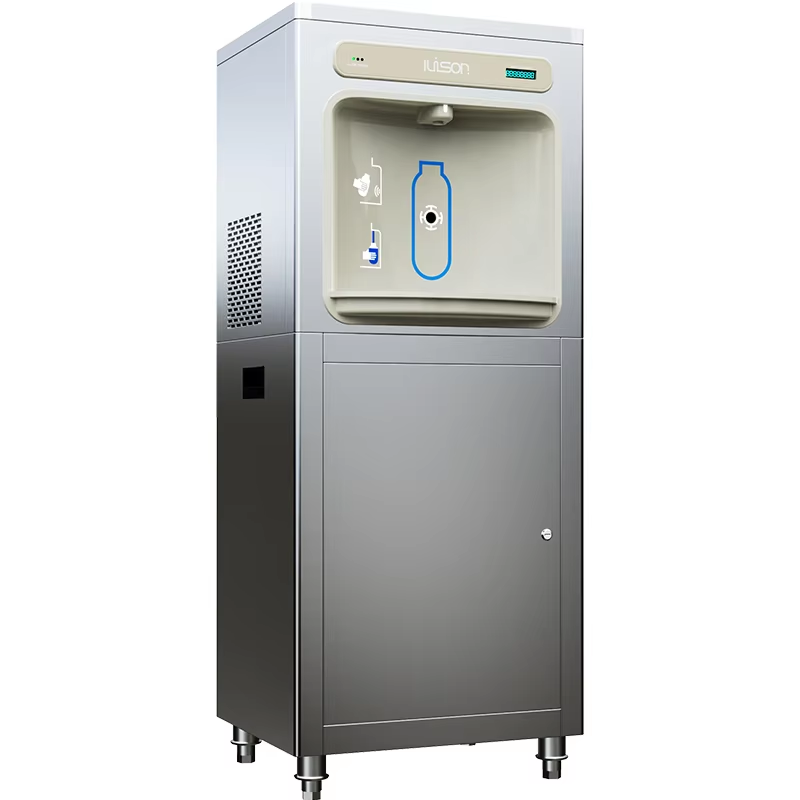
Modern commercial water dispensers now come equipped with both UV-C light chambers and ozone generators to keep things safe from microbes between uses. The UV-C light works at around 254 nanometers and basically messes up the DNA of all sorts of bad stuff like bacteria, viruses, and even tough little protozoa such as Legionella and Cryptosporidium. Studies show it kills about 99.99% of these pathogens. At the same time, ozone gets injected into the system which helps break down organic contaminants and can actually get into those stubborn biofilm layers that regular cleaning just cant touch. This two pronged attack stops microbes from setting up shop inside the reservoirs and tubes. And this matters a lot since internal surfaces are responsible for roughly 68% of contamination problems according to research from Water Quality Association back in 2023. These systems run themselves while they're not being used, so there's no need for anyone to do anything manually. That makes them especially useful in busy places where water sits around too long and starts growing dangerous pathogens.
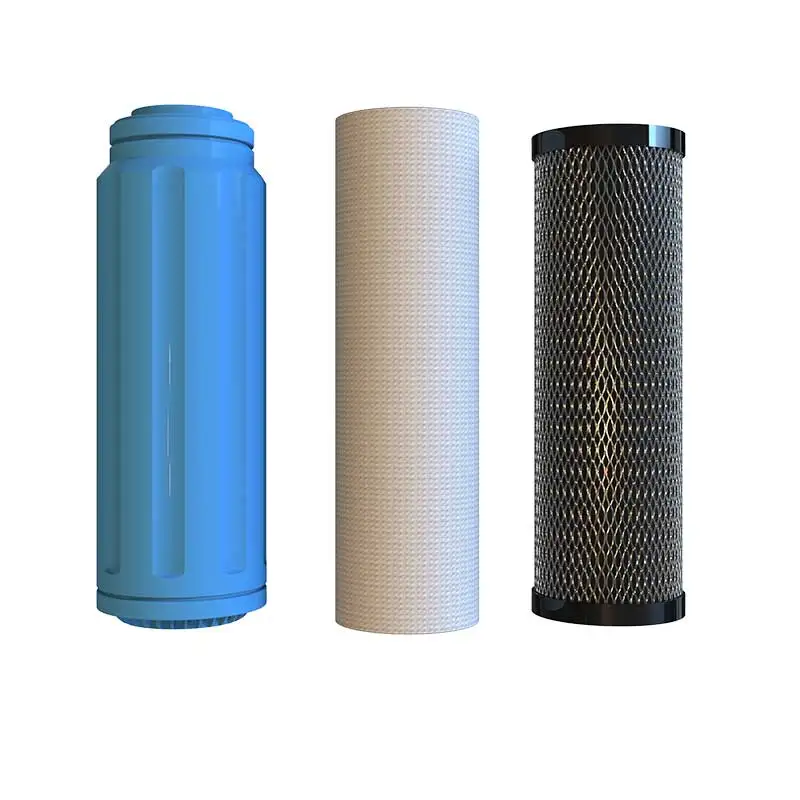
Commercial water dispensers today get rid of harmful waterborne pathogens thanks to their multi-stage filtration systems that have been thoroughly tested over time. The process starts with sediment filters grabbing anything bigger than 5 microns, followed by activated carbon which tackles chlorine taste and those pesky organic compounds. What really makes these systems stand out is the final step where most units use either reverse osmosis membranes or UV light treatment. Both methods knock out around 99.99% of germs, including nasty stuff like E. coli, Salmonella, and even Hepatitis A virus. When looking at certification, NSF/ANSI 55 Class A standards mean third party experts have actually checked how well these systems work against microbes. Businesses that install certified filtration see about half as many cases of waterborne illnesses according to a Ponemon Institute study from last year, which translates into fewer employees calling in sick. For busy offices, schools, and healthcare facilities, this whole system works without chemicals to keep water safe day after day.
Modern water dispensers tackle surface contamination problems using built-in antimicrobial tech along with automatic cleaning features. The parts people touch most often, like the spout and buttons on office machines, are made with materials containing silver ions or copper compounds. These substances work constantly against microbes at a cellular level, making pathogens ineffective in about 99% of cases according to recent hygiene research. This ongoing protection helps stop biofilms from forming when regular cleaning isn't happening. Many models also come with self-cleaning functions that use either UV-C light or ozone gas to kill germs inside tanks and on exterior surfaces without anyone needing to do anything manually. Studies published in Frontiers in Built Environment back up these claims showing that dispensers with both methods cut down cross-contamination incidents by around 72% versus older models. Plus they need maintenance checks roughly 40% less frequently than traditional units. For busy workplaces where dozens of employees grab drinks throughout the day, this means consistently clean equipment without having to pause operations for frequent sanitizing sessions.
Why are touchless water dispensers important in workplaces?
Touchless water dispensers help prevent the spread of germs by eliminating the need for contact with high-touch surfaces, thereby reducing contamination and the spread of diseases.
How do UV-C light and ozone generators ensure water safety?
UV-C light disrupts the DNA of pathogens, killing them, while ozone generators assist in breaking down organic matter and biofilm inside the water dispensers, ensuring cleaner water.
What makes the multi-stage filtration process effective?
Multi-stage filtration employs sediment filters, activated carbon, and final-stage membranes or UV light, removing impurities, chemicals, and microorganisms to provide safe drinking water.
How do antimicrobial materials benefit water dispenser hygiene?
Antimicrobial materials such as silver ions and copper compounds actively combat microbes, preventing contamination and biofilm formation on frequently touched surfaces.

IUISON specializes in high-quality SUS commercial drinking water machines, including water coolers, boilers, and outdoor fountains. With 16 years of international trade experience, we provide reliable, customized solutions for businesses, governments, and organizations worldwide.
No. 13, Laocun Industrial Zone, Sanle Road, Lecong Town, Shunde District, Foshan City, Guangdong Province,China.
Copyright © 2026 GUANGDONG IUISON CO.,LTD All Rights Reserved Privacy Policy
 EN
EN
 AR
AR
 HR
HR
 CS
CS
 DA
DA
 NL
NL
 FI
FI
 FR
FR
 DE
DE
 EL
EL
 HI
HI
 IT
IT
 JA
JA
 KO
KO
 PL
PL
 PT
PT
 RO
RO
 RU
RU
 ES
ES
 SV
SV
 TL
TL
 IW
IW
 LT
LT
 SR
SR
 SK
SK
 UK
UK
 VI
VI
 TH
TH
 TR
TR
 FA
FA
 MS
MS
 IS
IS
 HY
HY
 AZ
AZ
 KA
KA
 BN
BN
 KM
KM
 LO
LO
 LA
LA
 MN
MN

 Hot News